
When we’re busy working and running around, sometimes we don’t get all the nutrients we need. That’s why supplements like energy vitamins and protein powders are so popular. However, we don’t always stop and consider whether we may be getting too much of something, including certain foods.
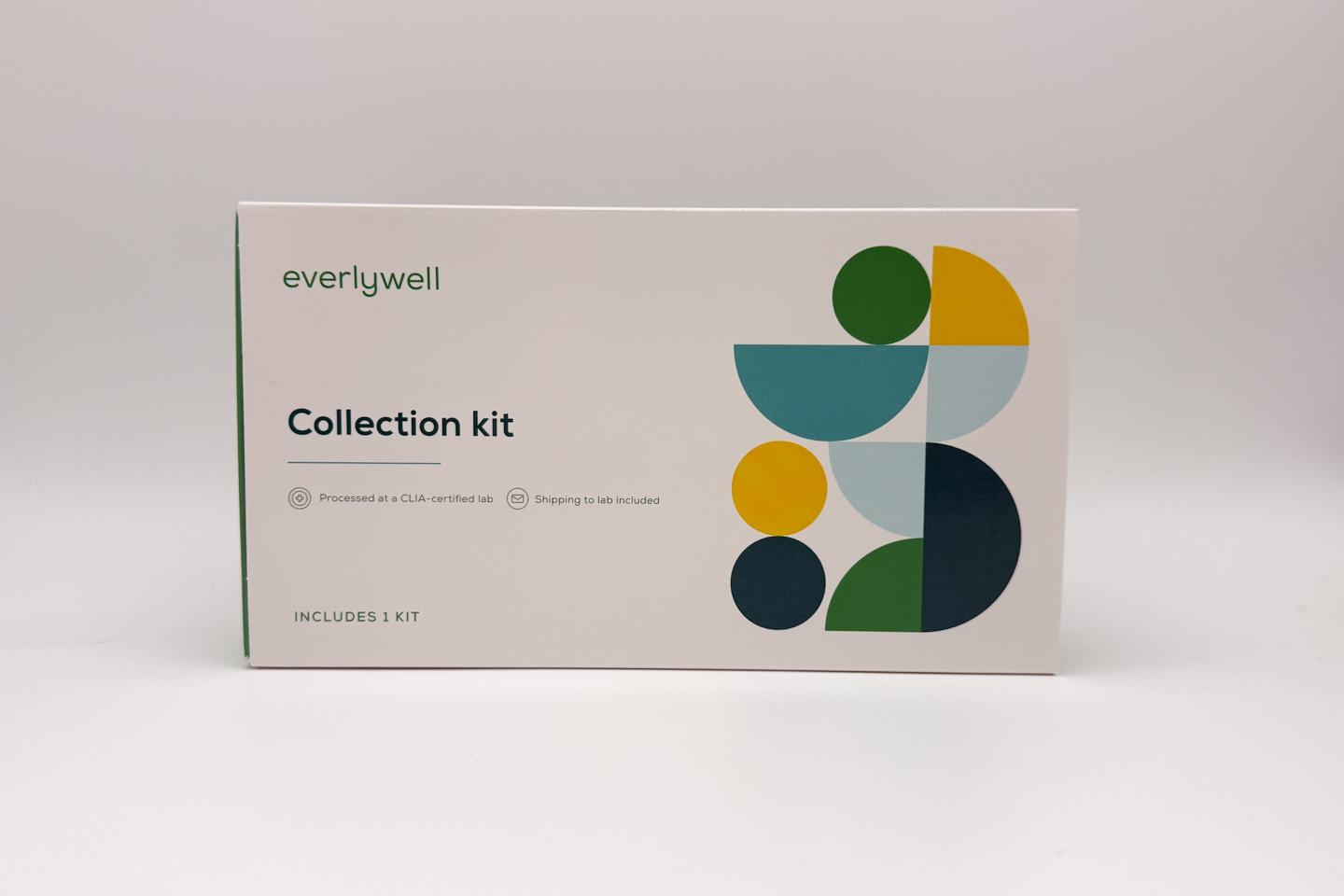
The best food sensitivity tests are designed to help you learn about which foods might be provoking an immune response so that you can tailor your diet accordingly. Some tests—like Everlywell’s At-Home Food Sensitivity Test—can even be done without making a doctor’s appointment. Simply order a kit, collect the sample at home, and mail it to a designated lab for analysis. We turned to our team of testers to find out more about Everlywell’s product, and here’s what we learned.
Everlywell At-Home Test
| Fortune score | 4/5 |

at Everlywell
- Our thoughts: We found it very easy to use, with clear instructions
- Who it’s for: For people with gastrointestinal symptoms who are curious to see if there’s a possible food link.
- What makes it different: You can take a quick finger-prick blood sample from home, mail it to a certified lab, and get results in a few days.
Pros
- Clear instructions
- Tests for 96 foods
- Labs used are CLIA-certified and agree to regular inspections
Cons
- Pricey, at $199 as of this writing
- Requires finger prick and blood collection, which some may not like
- Sample collection is done at home, but you still need to drop it at the post office
Everlywell At-Home Food Sensitivity Test Specs
Our Experience with Everlywell
Everlywell’s At-Home Food Sensitivity Test is not a food allergy test and shouldn’t be used to diagnose lactose intolerance of celiac disease. However, it does measure your immune system’s IgG antibody reactivity to 96 foods. The foods included in the test come from different categories including dairy, eggs, fruits, grains, legumes, meat, seafood, seeds and nuts, vegetables, and spices.
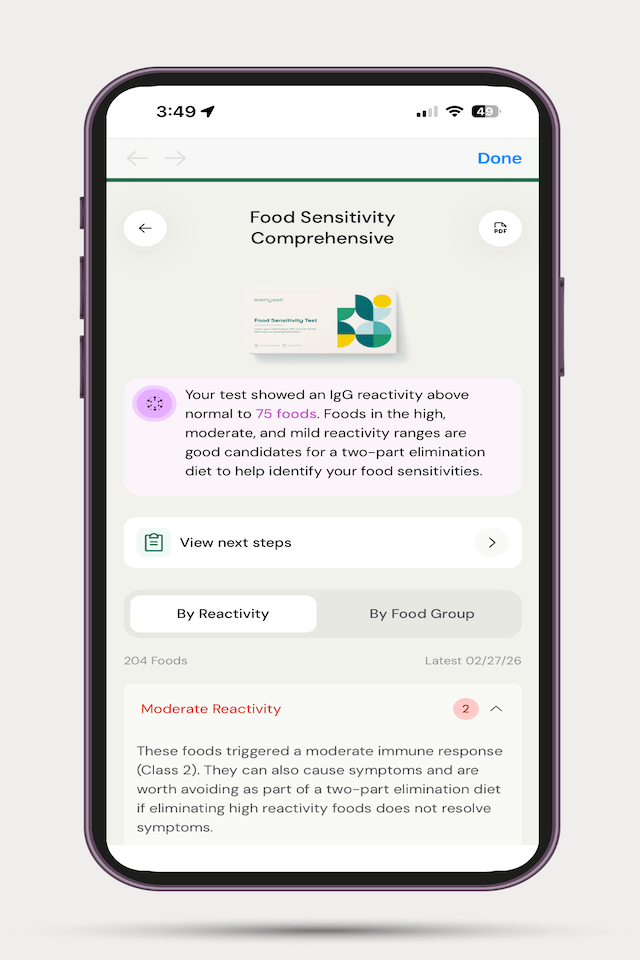
If you have a higher-than-normal reactivity to a certain food and are experiencing certain symptoms including bloating, stomach pain, or headaches, the test results can help you further explore the possible relationship between your symptoms and your food intake. It’s then recommended to try an elimination diet.
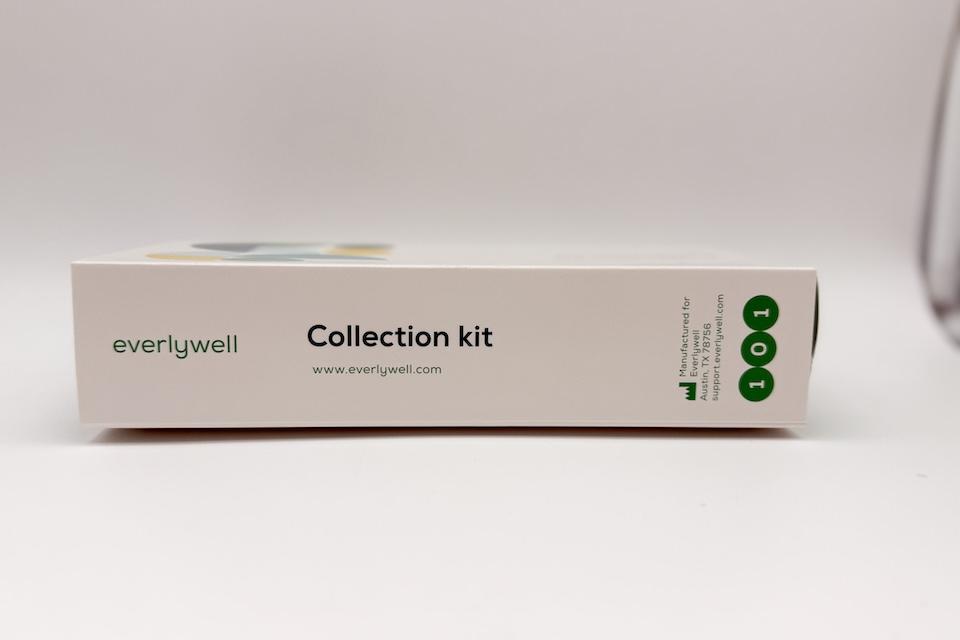
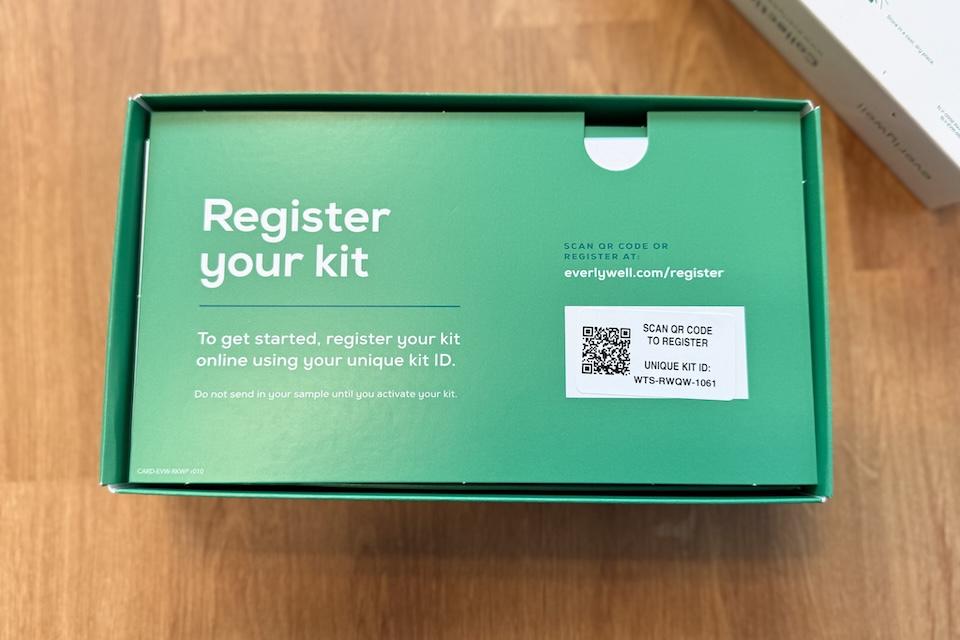
The testing process starts by scanning the QR code on the box and registering your test. You then collect a blood sample (via finger prick) and mail it using the prepaid mailing label. Your results should be ready in a few days and will also be reviewed by a physician. As the final step in the process, Everlywell offers insights and guidance tailored to your results.
Our tester, Sophia, tried the at-home food sensitivity test. Here’s more about her experience, and we’ll update this article after she receives her results and suggested next steps from Everlywell.
What We Liked
- Clarity of instructions (5 out of 5): “I thought the instructions were super detailed. They walk you through what’s inside the kit, how to register the kit, how to properly collect a sample, tips for getting enough blood to squeeze out, a video on how to collect a sample, tips for how to get more blood flow such as jumping or running hands under warm water, and then how to package up the sample to send back,” explained Sophia.
- Ease of sample collection (5 out of 5): Sophia said, “I was able to complete the entire collection process in less than 10 minutes. The actual blood sample took about a minute, but I spent the rest of the time reading through the instructions and downloading the app to register my kit.”
- Physical comfort level (3.5 out of 5): According to Sophia, “It didn’t feel good, but it wasn’t super painful either. It felt like getting a shot—painful for a second and then nothing.”
- Convenience (4 out of 5): Sophia noted, “The only inconvenience is having to drop it off at the post office.”
What We Would Change
Overall, our tester was extremely pleased with her experience using Everlywell’s At-Home Food Sensitivity Test. The only real drawback is the cost, as the $199 price tag may not be in everyone’s budget. The company does sometimes offer discount codes (at the time of writing there was a $50 discount advertised on the website), but even at a discounted rate we realize it’s still an expensive test.
Who It’s For & Who It’s Not For
Before using this test, keep in mind that it’s better suited for some people than others.
Comparing Everlywell to Other Products
Frequently asked questions
Is Everlywell covered by insurance?
Everlywell’s website notes that they are not contracted with any insurance companies at this time, but that Everlywell’s at-home tests are generally priced lower than out-of-pocket costs associated with in-person office visits to a healthcare provider. Additionally, the company says you can typically use HSA/FSA funds to pay for an at-home health test but recommends checking your specific plan details before purchasing.
Is Everlywell a reputable company?
Everlywell is a real company, though it should be noted that it’s not accredited by the Better Business Bureau. Some people may recall seeing the company featured on Shark Tank in recent years, where the CEO secured a deal. There is some controversy about the efficacy of some of Everlywell’s products, though, including the food sensitivity tests. Some experts say these tests do not actually reveal any meaningful information about food sensitivities, as a high IgG response can simply indicate that a person has eaten a certain food recently. Consumers should be aware of the potential drawbacks of such tests—including possibly inaccurate findings—and if they do decide to take the test, be sure to discuss any results with a healthcare provider.
What are the signs of food sensitivity?
Research shows that symptoms may include but are not limited to nausea, abdominal pain, cramps, vomiting, and/or watery diarrhea. If you’re experiencing symptoms after eating, be sure to note what they are and what you ate so you can discuss it with your healthcare provider.