
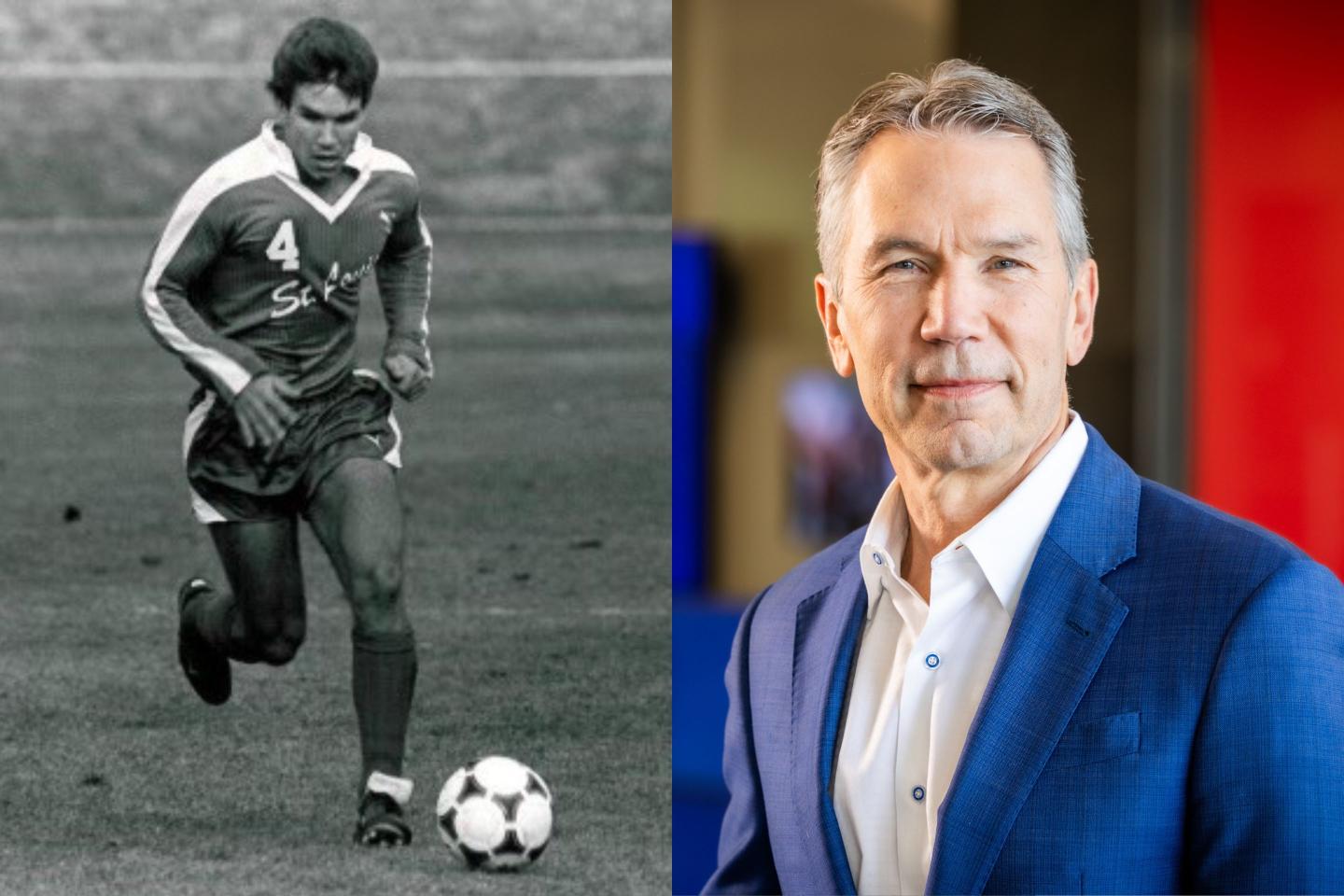
Jim Kavanaugh never became a global soccer icon like Lionel Messi or Cristiano Ronaldo. Unlike Messi and Ronaldo, one of whom still graces our screens on the World Cup stage, Kavanaugh’s playing days ended decades ago. But the former U.S. national team player does share one distinction with the two soccer superstars: They’re all billionaires.
Six years after representing the United States during the 1984 Summer Olympics, Kavanaugh traded the soccer pitch for the boardroom and co-founded World Wide Technology, a Missouri-based technology giant that generates $20 billion in annual revenue as of 2025. Like the two soccer players, the 63-year-old said he like many other entrepreneurs are able to build a successful business because they share the same qualities that separate elite athletes from the rest: a willingness to outwork the competition.
“If you want to be great—you can’t put in an average or sub-average level of input and work ethic,” Kavanaugh told Fortune.
“If you’re willing to put the time and the effort in and you have the desire to continue to learn, and you apply that in areas that you actually enjoy doing— the odds and the probability of you being successful is very good,” he added.
For Kavanaugh, though, talent alone has never been enough. The people who ultimately succeed are the ones who continue pushing through setbacks while making everyone around them better. That, he argued, is where leadership comes in—and why he sees two different approaches between Messi’s and Ronaldo’s success.
“From a values perspective and a team orientation, I feel like Messi brings the best out of Argentina,” Kavanaugh said. “I’m not sure that Ronaldo does the same for his team and country, but that actually takes it to the importance of leadership: there’s all different ways—some leaders are very vocal, some lead by example.”
Kavanaugh believes Messi embodies the latter: someone who inspires rather than commands. He believes the Argentine captain motivates teammates through his actions—a leadership style that helped Argentina win the 2022 World Cup and make another deep run at this year’s tournament. Basically, talk is cheap.
“I think leadership is, especially in business and in sport, it is something that is very powerful when it’s done the right way,” Kavanaugh said. “It can really move people and organizations and companies in a very, very positive way.”
Rejection helped turn Kavanaugh into a soccer Olympian—and a billionaire businessman
Though Kavanaugh today boasts a net worth of $7.7 billion and is part owner of St. Louis’s Major League Soccer Club, his success was far from guaranteed.
The son of a Missouri bricklayer, Kavanaugh grew up learning the value of hard work and responsibility long before he stepped onto a professional soccer field—or the corner office.
“There are athletes that are born with all these natural athletic capabilities,” he said, adding that he was “not one of them.”
Instead, Kavanaugh knew that he could train himself to compete with those who were naturally talented. As a kid, he looked forward to practice and hated when bad weather forced sessions to be canceled. Because his family couldn’t afford college, earning an athletic scholarship wasn’t just an opportunity—it was his path to higher education.
In the early 1980s, he landed a spot at Saint Louis University, where he caught the eye of U.S. national team scouts. Kavanaugh went on to represent the United States at the 1983 Pan American Games and the 1984 Summer Olympics. But reaching the sport’s highest levels didn’t spare him from failure.
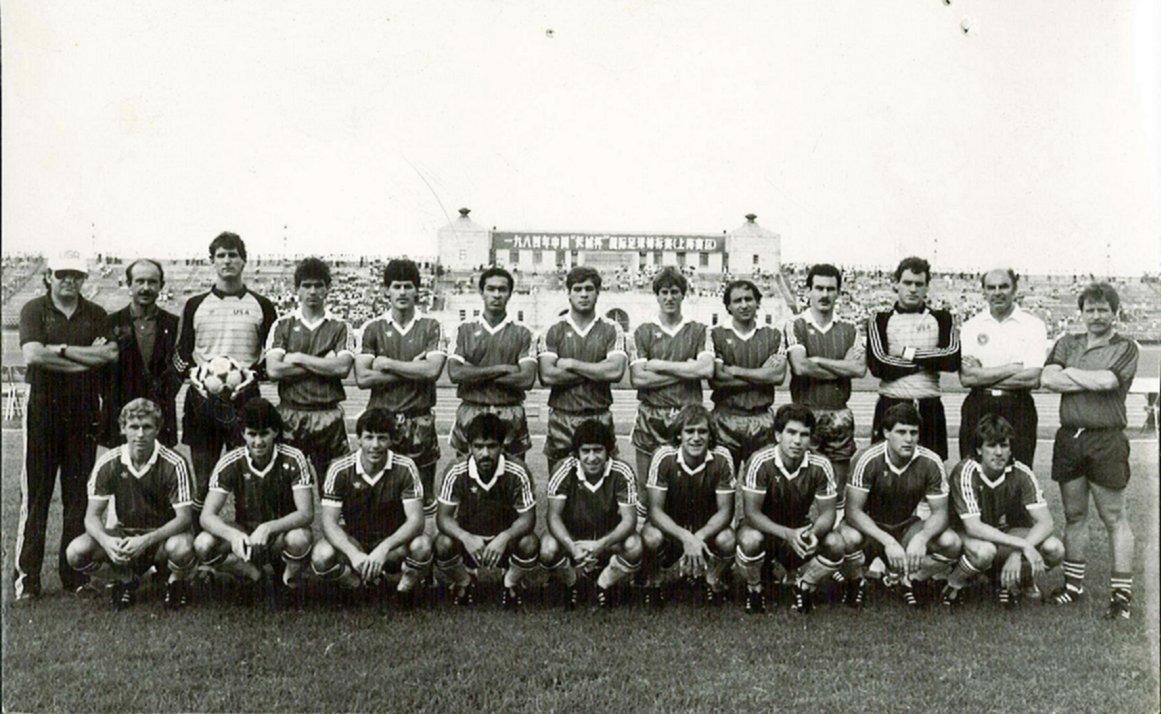
“I got cut numerous times throughout my younger career,” he said. “But I continued to grind through it, get better.”
“The higher you play, the more you’re going to get critiqued by coaches, and the more direct and challenging it can be,” he added. “You either perform—or there are consequences.”
Those experiences, Kavanaugh said, taught him that resilience—not raw talent—is often what separates people who keep advancing from those who plateau. Learning to respond to failure, he added, ultimately proved more valuable than avoiding it.
He takes this lesson into the boardroom and with everyone he works with.
“I look at young kids coming up today [and ask], ‘Are you running towards work, or are you running away from it, and are you trying to avoid it?’” The latter, he said, is a “problem.”
In an era of rapid AI-driven change, Kavanaugh said having effective leadership—including a team-based culture—is “more important than ever.”
Great opportunities rarely arrive at convenient times
When push comes to shove, resilience may mean that work-life balance won’t always resemble a perfect 9-to-5 schedule. Kavanaugh said while he believes work-life balance is important to strive for, there are seasons when work inevitably takes priority.
Building World Wide Technology, which has repeatedly appeared on Fortune’s list of the 100 Best Companies to Work For, often meant working 12- to 18-hour days for extended stretches. Those long hours and hard work were necessary when there was just one last shot at the goal.
“You need to strike when the opportunity is there,” he said. “At times they will go away and not come back.”