A cursory glance at today’s travel landscape can be a blinding look at the world of high-end indulgence. From airlines cutting economy seats to the sudden disappearance of affordable hotel rooms, the hospitality and travel sectors are pivoting to treat the high-spending consumer as the only guest who matters. The sector has been a prominent example of the K-shaped economy narrative, where options for big spenders grow while budget alternatives dry up, as travel executives recognize the wealthy as the primary engine of their businesses’ growth.
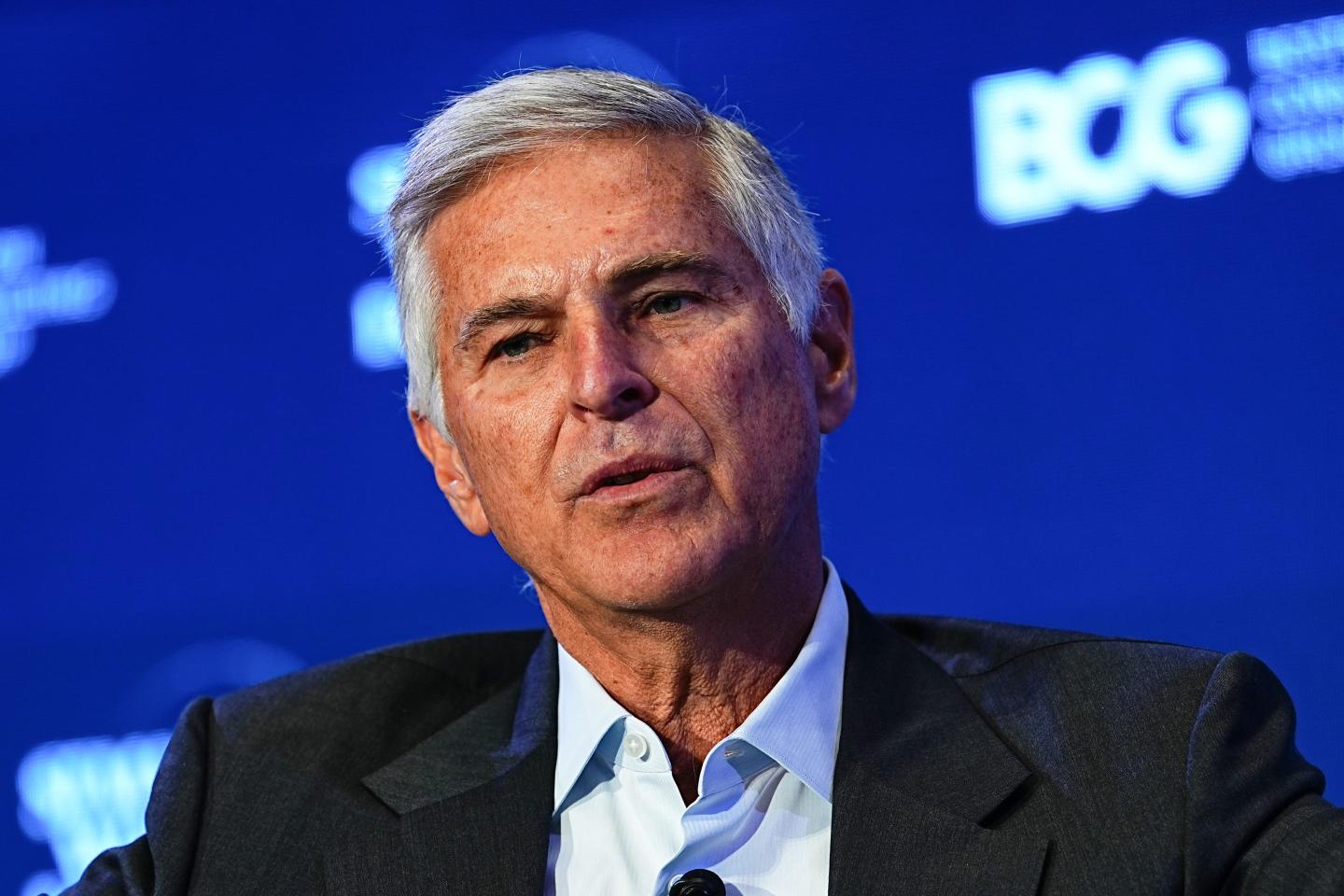
The matter has seemed so settled, that one hospitality boss caused analysts’ heads to turn when he said a business case for catering to the middle class still exists. Instead of being K-shaped, the hospitality economy might be curving into a C-shape, according to Christopher Nassetta, CEO of the Hilton hotel chain.
During the company’s first-quarter earnings call on Tuesday, Nassetta eschewed the industry-standard preoccupation with luxury-driven sales, instead forecasting “improving performance in the lower and mid chain scales” through the rest of the year. Hilton’s revenue available per room, a crucial industry metric used to determine how much revenue a property generates based on inventory, has become less reliant on upscale offerings, he said.
Instead, business has been moving towards “a more balanced convergence demand shape, or what I have been calling a C-shaped economy.”
The economy Nassetta described is one where spending—skewed towards the top of the income charts in a K-shaped world—starts to rebalance and grow uniformly for high spenders and more cost-conscious consumers alike. Nassetta said demand from middle-income consumers was rising in part due to broadly declining inflation, once rising energy costs tied to the conflict in the Middle East are excluded. Another reason is interest rates, which have been on a generally downward trajectory over the past few years.
Hospitality still leaning luxury
Nassetta pointed to improving occupancy rates and revenue for the hotel chain’s middle market brands as evidence, though his outlook remains an outlier in a sector that has otherwise doubled down on high-ticket, high-margin consumers.
The rest of the industry remains defined by a more exclusionary logic. In the airline sector, carriers have aggressively shifted pricing strategies to favor premium cabins, effectively crowding out options for budget travel. United, Delta, and Southwest, for example, have all announced in recent months that they were repurposing their fleets’ scarce seating real estate to support premium flyers.
In the last quarter of 2025, Delta’s premium seating ticket sales exceeded its main cabin revenue for the first time. “Delta is not a low-cost airline,” Ed Bastian, Delta’s CEO, recently told Fortune‘s Editor-in-Chief Alyson Shontell. “We have to be able to win by providing the best.”
Hilton’s competitors in the hotel space have followed a similar playbook. Hyatt has openly marketed itself primarily to high-income customers, with 70% of the chain’s rooms classified as either “luxury” or “upper upscale.” Marriott International has similarly spent the last year aggressively expanding its luxury offerings, prioritizing brands including Ritz-Carlton and St. Regis. When reporting 2025 earnings in February, the company indicated that luxury travelers account for a growing share of their business while low and middle-income spenders retreat, a trend Anthony Capuano, Marriott’s CEO, said he expected would continue in 2026.
“When you look internationally, there is an almost insatiable demand for luxury,” Capuano said during February’s earnings call.
The middle market is arguably the cornerstone of Hilton’s successful competition with luxury brands. Hampton Inn, the hotel chain’s economical option, is the world’s largest lodging name, with more than 350,000 rooms spread across over 40 countries. In 2024, the brand sold some 90 million rooms and accounted for nearly $12 billion in revenue for Hilton, according to Bloomberg, significantly outpacing competitors’ receipts. Other cost-efficient brands performed well last quarter too, including Home2 Suites, the company’s brand for mid-tier extended stays, which saw revenue per room grow 5% compared to the first three months of 2025.
By branding the current environment as C-shaped, Nassetta is betting that the middle market is on the verge of a bounceback as a dominant force in travel demand. A middle class that is willing to spend is likely essential to Hilton’s business, which is planning for massive expansion this year. The company’s global development portfolio in 2026 includes 527,000 new rooms on the way, 5% more than this time last year.
Nassetta’s hopes for a middle-class revival largely hinge on travel trends in the U.S., Hilton’s largest market, and on the state of business travel, a cornerstone of middle market hotel revenue. Business travel has struggled to recover since the pandemic, and last year U.S. hotel bookings for business purposes were down 9.4%, according to data from HotelHub, a reservation platform. Hotel occupancy at large was also down 1.2%, according to CoStar data. Both are grim readings for a hotel chain playing a volume game.