The American Dream looks different for everyone. Mine began at 12, working as a welder in my father’s small–town machine shop in Ohio. In good times, he had five employees and treated them like family. In tough times, I was the team. What he never lacked was a strong work ethic, a firm handshake, and a belief that if you treated people right, everything else would follow.
My father may not have known it at the time, but he was living out the original American ideal. In the summer of 1776, 56 men made a decision that had no precedent and no guarantee of success. They pledged their lives, their fortunes, and their sacred honor on a single conviction: that individuals should be free to build their own lives, on their own terms.
In the language of business, it was the ultimate founding bet. That a man running a machine shop in Ohio mattered just as much as any king. That was the bet. And it didn’t just create a country. It created the most powerful engine of value creation the world has ever seen.
We tend to remember the Declaration of Independence as a political document. But at its core, it is something even more consequential: the blueprint for an entrepreneurial system built on trust.
Such trust was radical. For most of human history, economic life was organized around hierarchy and fixed roles. You were born into your station. The Declaration said something different: your station is yours to determine. That single shift unlocked human potential on a scale the world had never seen.
I have spent my career building companies, and I have learned that trust is the most important word in any language. The Founders understood this instinctively. They were not just declaring independence. They were establishing the conditions for free people to act together, at scale.
Benjamin Franklin, when asked what form of government the Convention had produced, replied with a warning: “A republic, if you can keep it.” That responsibility now belongs to us.
I’ve seen it in Ohio machine shops and Silicon Valley labs. In entrepreneurs who build without permission. In leaders with the courage to invest in a future others cannot yet see. In 250 years, the tools have changed. The spirit has not.
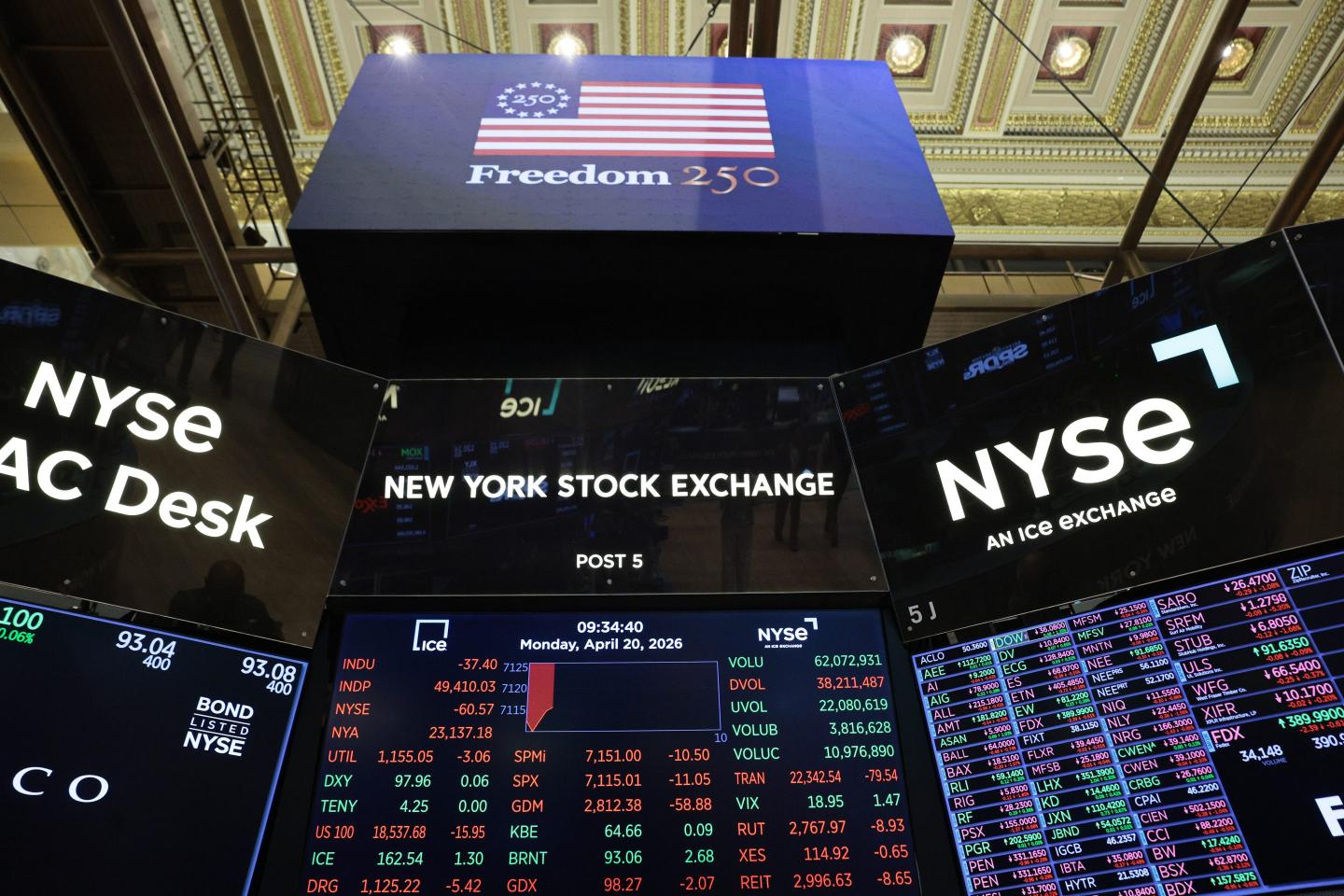
This is why Freedom 250 exists—not simply to mark a moment, but to catalyze a national renewal. To align leadership, communities, institutions, and families around a shared mission: sustaining liberty in a rapidly changing world.
Today, business leaders are navigating a world defined by rapid technological change, intensifying global competition, and uncertainty about what comes next. In an era of AI, data concentration, and platform dominance, the stakes are even higher. The instinct in uncertain times is often to centralize. But America was not built on bureaucracy. It was built by boldly pushing forward. True progress comes from expanding opportunity and the conditions that allow people to live free and thrive.
For leaders today, this is not abstract. It shows up in how you allocate capital, how you empower teams, and how you respond to uncertainty. The question is not whether to act, but whether to act in a way that expands freedom or constrains it.
Freedom does not guarantee success. My dad had years when orders dried up. But he kept going. And he taught me something I’ve never forgotten: the ability to try, to fail, and to try again is not a consolation. It’s the engine of progress. It’s how businesses are built. It’s how our nation was built.
Freedom is not inherited. It is entrusted. Each generation receives it from the last and is responsible for passing it forward, stronger than they found it.
That is the legacy Freedom 250 will carry into the nation’s 250th year.
America’s next chapter will not write itself. It will be written by leaders who choose to expand opportunity, take risks on people, and build in a way that strengthens freedom rather than concentrates power.
That is the spirit of Freedom 250. And it is far from finished.
The opinions expressed in Fortune.com commentary pieces are solely the views of their authors and do not necessarily reflect the opinions and beliefs of Fortune.