
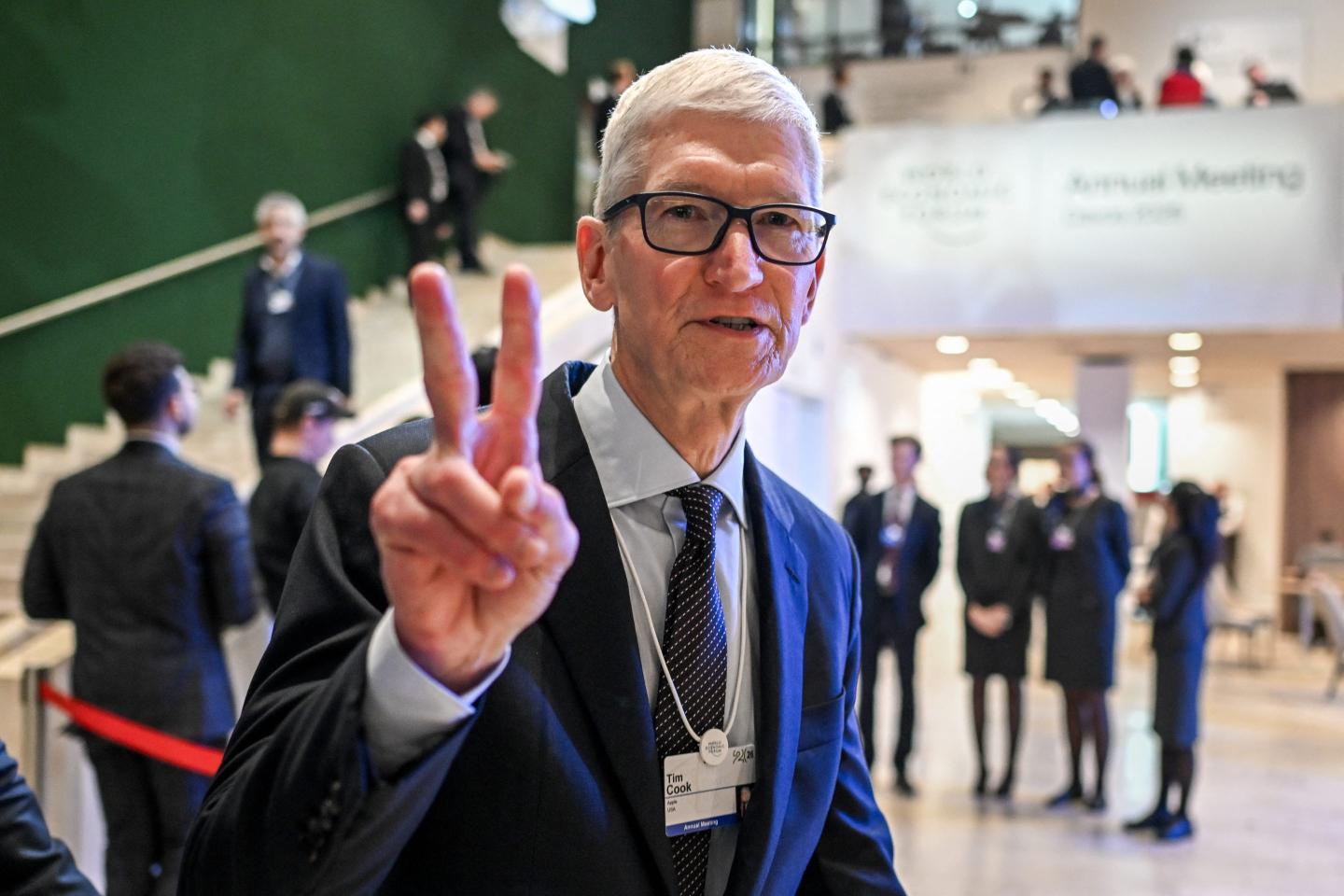
Tim Cook is stepping down as Apple’s chief executive after 15 years leading the iconic company, with longtime Apple hardware executive John Ternus taking the reins as the new CEO in September, the company announced on Monday.
The CEO change at the $4 trillion company was approved unanimously by Apple’s board of directors after a “thoughtful, long-term succession planning process,” the company said. Cook, one of the world’s most admired CEOs, who turned 65 in November, had been rumored to be nearing retirement, but Monday’s announcement came without Apple having previously commented on succession plans.
“Over the coming months I will be transitioning into a new role, leaving the CEO job behind in September, and becoming Apple’s executive chairman,” Cook said in a letter to shareholders.
“John cares so much about who we are at Apple, what we do at Apple, who we reach at Apple, and he has the heart and character to lead with extraordinary integrity,” Cook said, describing CEO-to-be Ternus as a “brilliant engineer and a thinker” who is the “perfect person for the job.”
Shares of Apple dipped less than 1% in after-hours trading Monday following the news.
The changing of the guard comes as the technology industry that Apple has helped shape since its founding in 1976 is in another moment of transition. While Cook is one of the most respected CEOs in the corporate world, ranking in the top tier of the Fortune 100 Most Powerful People list for numerous years, Apple has faced some significant challenges in recent years, most notably missing the shift to generative AI technology.
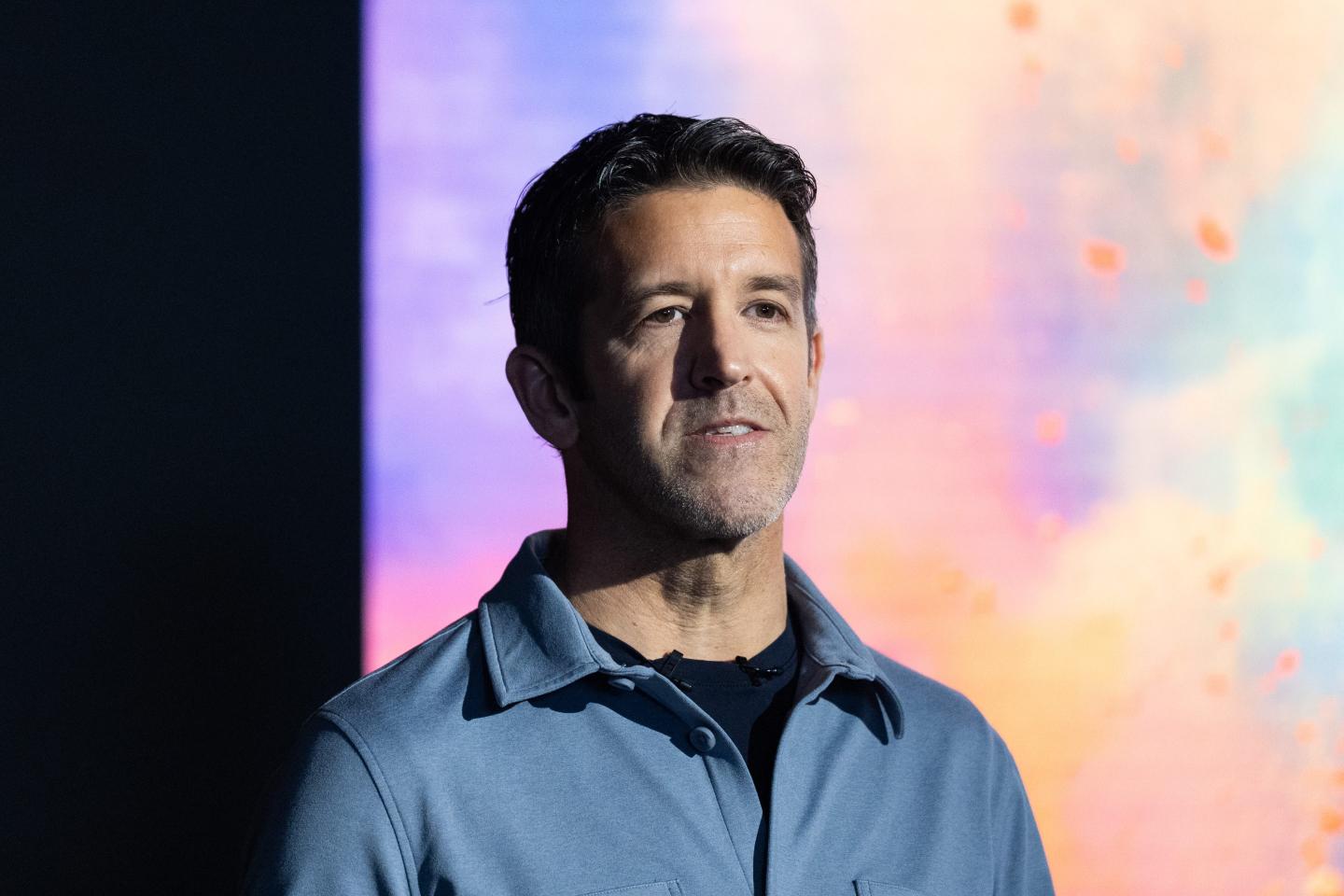
“Investors will view this as mixed, as this was a sudden move to executive chairman as there was clearly a push for change at the C-suite,” tech analyst and longtime Apple bull Dan Ives wrote in a note to investors on Monday.
The end of an era
Still, the CEO change ends an extraordinary run by Cook, who succeeded Apple’s legendary cofounder Steve Jobs as CEO in 2011, stepping into perhaps the biggest shoes to fill in business history. A skilled behind-the-scenes operator whose mastery of supply chains helped Apple thrive during the Jobs era, Cook immediately faced questions about whether he had the vision to carry Apple’s innovation mantle.
The iPhone was only a few years old, and Apple’s $349 billion market cap was just a fraction of what it is today when Cook took the CEO reins in 2011, becoming the seventh CEO in the company’s history and eventually its longest-serving chief executive. Under Cook, the iPhone has grown to become a $210 billion per year business, generating nearly half of the company’s revenue. Apple has also introduced new hit products including the Apple Watch and wireless AirPods, and the services business has mushroomed into Apple’s second largest business, generating $109 billion in revenue last year.
Cook also pushed boundaries by coming out as gay in 2014, becoming the first CEO of a Fortune 500 company to ever do so. “I don’t consider myself an activist, but I realize how much I’ve benefited from the sacrifice of others,” Cook wrote in a Bloomberg editorial that year. “So if hearing that the CEO of Apple is gay can help someone struggling to come to terms with who he or she is, or bring comfort to anyone who feels alone, or inspire people to insist on their equality, then it’s worth the tradeoff with my own privacy.”
Much of Cook’s tenure as CEO involved dealing with the unpredictable political and economic issues that resulted from Donald Trump’s two terms as president of the United States. During Trump’s first term, Cook proved particularly adept at insulating Apple from tariffs and other risks caused by a trade war with China—an approach that won plaudits from investors but disappointed some of Cook’s progressive fans.
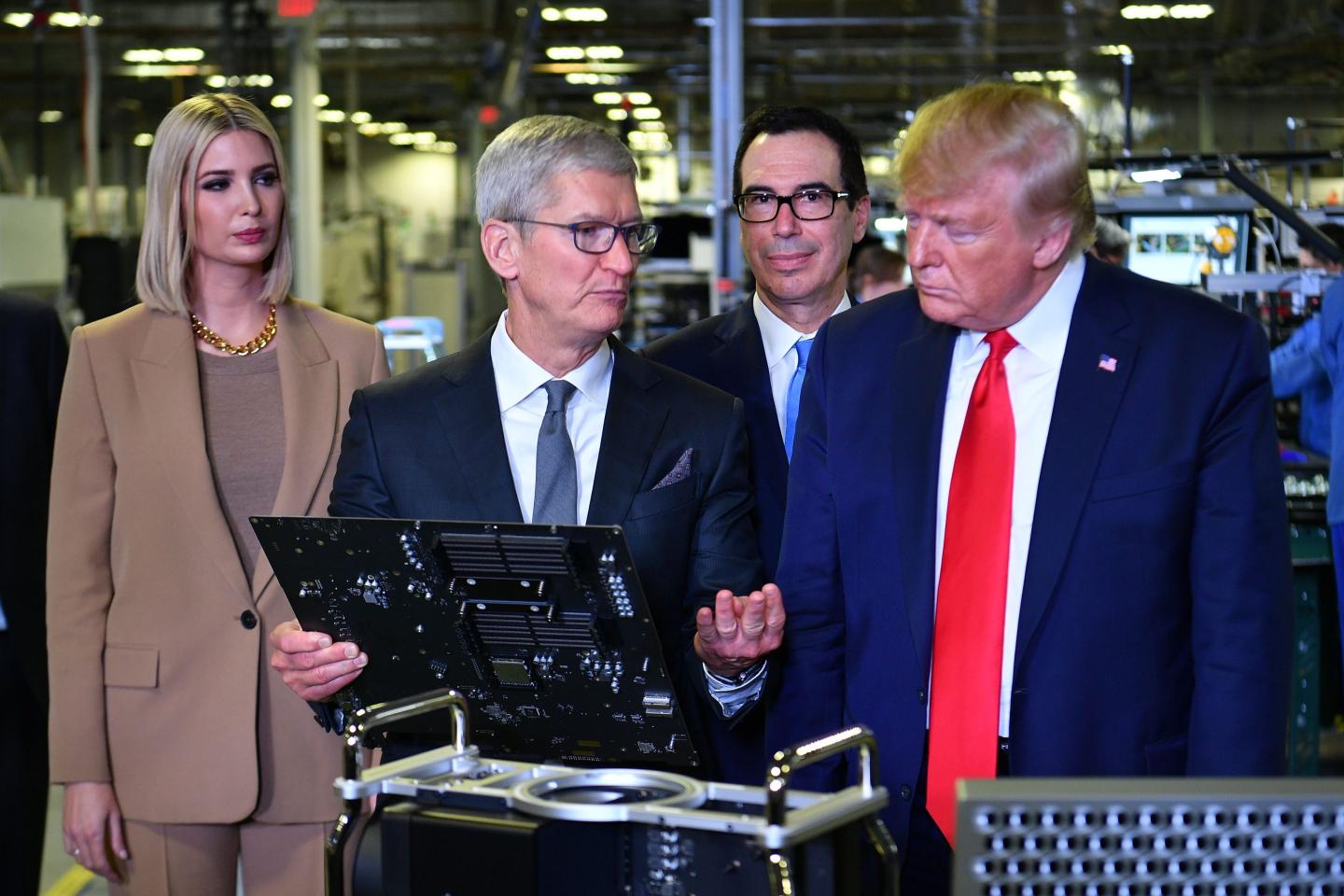
With Ternus, 51, Apple is reverting to putting the company in the hands of a “product person,” and picking a company insider for the top job. A competitive swimmer in college, Ternus joined Apple in 2001 and has overseen the company’s hardware efforts as SVP of hardware engineering since 2021. According to Apple, he was instrumental in the development of the iPad and AirPods, and in new generations of the iPhone, Mac, and Apple Watch.
“You will feel his impact in every bit of delight and discovery that grows out of the products and services to come,” Cook said in his letter to shareholders. Johny Srouji, SVP of hardware technologies, will replace Ternus in overseeing the company’s hardware efforts as the new chief hardware officer, Apple said.
Just in time for the foldable iPhone
Ternus takes the CEO reins amid growing questions about the next generation of hardware devices, particularly with the iPhone now nearly 20 years old. The $3,500 Vision Pro augmented reality headset that Apple released in 2023, while technically impressive, has been a flop with consumers. Later this year, Apple is expected to unveil a version of the iPhone with a foldable screen, the biggest change the company has ever made to the product’s form factor, albeit a design that competitors like Samsung have offered for several years already.
“Now Ternus will be the one to introduce the first foldable iPhone, which means the most consequential hardware moment in years belongs to a hardware engineer from day one. Hard to believe this is just a coincidence,” tech analyst Carolina Milanesi posted on X.
It’s not yet clear what Ternus’s compensation will be in his new role as CEO. In a filing Monday, Apple said that it will provide an updated filing within four days “after the information is determined or becomes available.” In his current role overseeing hardware, Ternus did not rank among Apple’s top five most highly compensated executives, according to previous SEC filings.
Cook’s compensation in 2025 was valued at $74.3 million, nearly the same as in 2024, when he made $74.6 million, and up significantly since 2023, when his pay was valued at $63.2 million.
Apple does not maintain employment contracts for its executives and does not guarantee cash severance or the acceleration of equity awards. However, Cook is over age 60 and has more than 10 years’ tenure at Apple, which makes him eligible for retirement vesting, based on the company’s disclosures. Since he is stepping into an executive chairman position, he’ll remain in an advisory role, which means his equity awards will likely continue to vest on schedule. If he retired last September, he would have been eligible for equity valued at more than $256 million, if the performance-based portion paid out at the maximum.
Apple signaled that Cook will continue to play an active role in helping the company navigate tricky geopolitical terrain, noting that as executive chairman he will “assist with certain aspects of the company, including engaging with policymakers around the world.”
Amanda Gerut contributed to this report.