
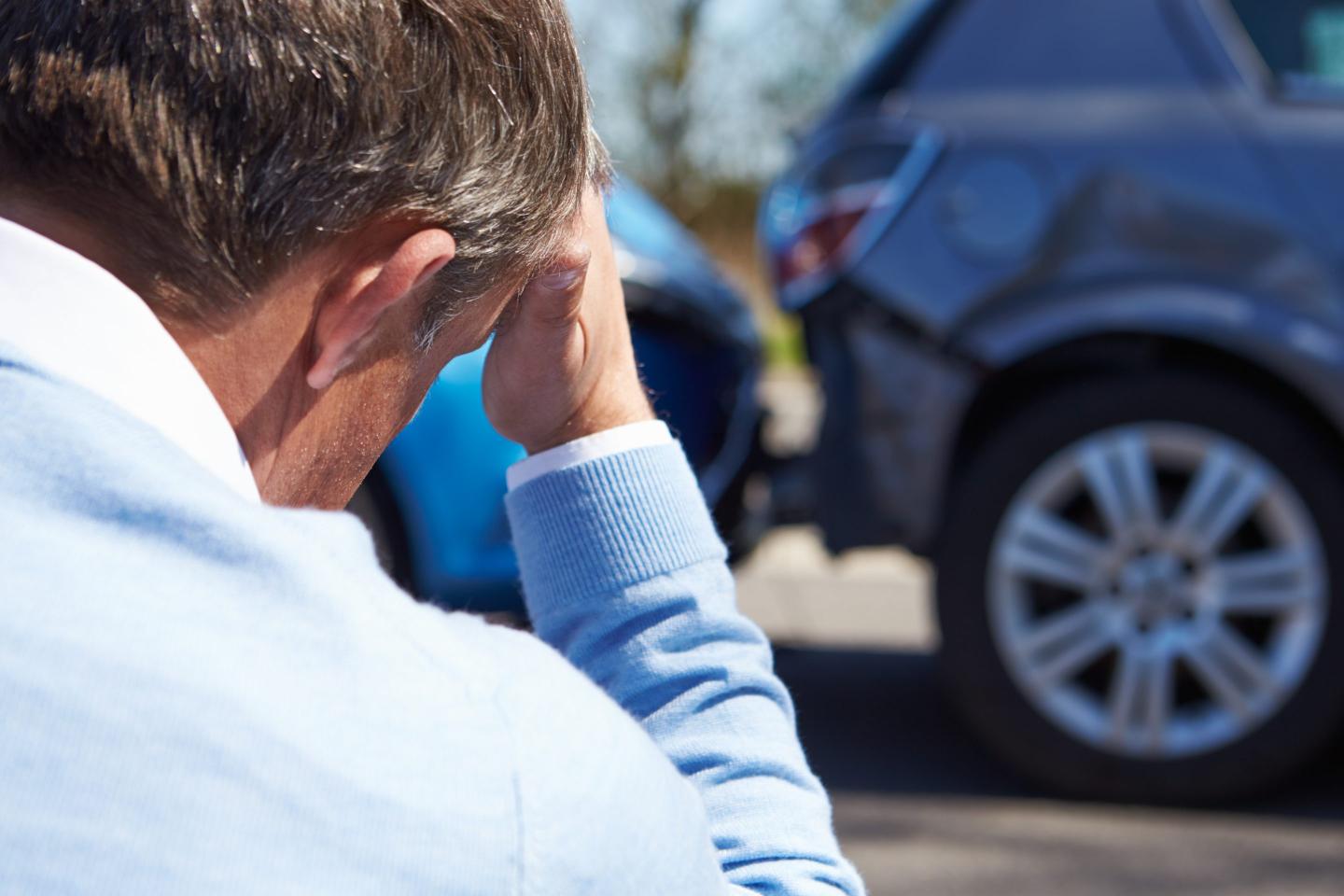
Concerned about covering medical bills and property damage if you’re in a collision with an uninsured driver? Uninsured motorist coverage (UM) is the answer. It’s required in several states, and it can often be purchased alongside underinsured motorist coverage (UIM), which similarly protects you in accidents where the at-fault driver doesn’t have enough car insurance to cover the cost of injuries or repairs to your vehicle.
Even if your state doesn’t require uninsured motorist coverage, smart planners should consider it. While nearly every state requires drivers to carry liability insurance, some motorists drive without coverage or with limits that aren’t high enough to pay for the damage they may cause. Depending on your state’s laws and the coverage you purchase, uninsured motorist coverage can help protect you from paying those costs out of pocket after a covered accident.
ADVERTISEMENT
What is uninsured motorist coverage?
Uninsured motorist coverage is a type of car insurance that helps pay for your medical expenses and, in some states, damage to your vehicle if you’re in an accident caused by a driver who doesn’t have liability insurance. Normally, the at-fault driver’s liability coverage would pay for your injuries and property damage. But if that driver is uninsured—or in some cases leaves the scene in a hit-and-run accident—uninsured motorist coverage can help protect you from paying those costs out of pocket.
Is uninsured motorist coverage required?
Uninsured motorist coverage is required auto insurance coverage in only select states. Of those states, many require a minimum amount of uninsured motorist bodily injury (UMBI) coverage, while others also require a minimum amount of uninsured motorist property damage (UMPD) coverage.
Some states may have caveats on whether uninsured motorist coverage is required for all drivers. For example, while car insurance isn’t required in New Hampshire, those who choose to purchase coverage must also purchase uninsured motorist coverage. Additionally, drivers in Rhode Island are only required to purchase uninsured motorist coverage if they carry bodily injury liability insurance above the minimum amount mandated by state law.
How does uninsured motorist coverage work?
After you’re in an accident caused by an uninsured driver, you can file a claim with your own insurance company for covered medical expenses and, where available, vehicle or property damage, up to your policy limits. Uninsured motorist coverage may also apply after certain hit-and-run accidents, although coverage varies by state and insurer. Depending on your policy and the type of claim, you might not even have to pay a deductible.
Again, not every state requires insurers to offer uninsured motorist coverage—and coverage rules vary. But in states where it’s available, your insurer may include it automatically or offer it as optional coverage that you can add to your policy.
What does uninsured motorist coverage pay for?
Uninsured motorist coverage typically includes two separate coverages that protect you after an accident with an uninsured driver:
- Uninsured motorist bodily injury (UMBI)
- Uninsured motorist property damage (UMPD)
Uninsured motorist bodily injury (UMBI)
Uninsured motorist bodily injury coverage helps pay for expenses if you or your passengers are injured in an accident caused by an uninsured driver. Covered expenses may include:
- Medical costs
- Lost wages
- Pain and suffering
- Funeral expenses
Additionally, UMBI may also cover you if you’re injured as a pedestrian or bicyclist by an uninsured driver, depending on your policy and state.
Uninsured motorist bodily injury claims will only pay for expenses up to your coverage limits. However, UMBI typically doesn’t require paying a deductible when making a claim.
Uninsured motorist property damage (UMPD)
Uninsured motorist property damage coverage helps pay to repair or replace your vehicle—and, in some cases, other damaged property—after an accident caused by an uninsured driver. Covered property can include:
- Your vehicle
- Personal property damaged in the accident
- Covered structures on your property, such as a fence or mailbox
For vehicle damage, UMPD will cover repairs to your car up to its actual cash value. And if your vehicle is damaged by an uninsured driver, UMPD may also cover the cost of a rental car while your car is being repaired. However, unlike UMBI, you may need to first pay a deductible when making an uninsured motorist property damage claim.
What is underinsured motorist coverage?
Underinsured motorist coverage (UIM) helps pay for your injuries and damage to your vehicle if you’re in an accident caused by a driver whose liability insurance can’t cover your losses. As with uninsured motorist coverage, it can help cover medical expenses and property damage.
Depending on your state, underinsured motorist coverage may work differently:
- Difference in limits: Covers expenses up to the difference between the driver’s liability coverage limits and your UIM coverage limits.
- Difference in damages: Covers expenses up to the difference between the driver’s liability coverage limits and the damages done in the accident, up to your UIM coverage limits.
Underinsured vs. uninsured motorist coverage
Although uninsured and underinsured motorist coverage are often sold together, they protect you in different situations. Here’s a side-by-side comparison.
ADVERTISEMENT

What doesn’t uninsured motorist coverage cover?
Although uninsured motorist coverage can provide valuable financial protection, it doesn’t cover every type of loss. Common exclusions include:
- Injuries or vehicle damage from an accident you caused
- Expenses that exceed your uninsured motorist coverage limits
- Losses caused by a driver whose liability insurance isn’t sufficient to cover your damages (these are generally covered by underinsured motorist coverage)
- Damage from weather, vandalism, or falling objects (typically covered by comprehensive insurance)
- Vehicle theft
How much uninsured motorist coverage do you need?
Many insurance professionals recommend choosing uninsured motorist coverage limits that match your bodily injury liability limits. This can help ensure you have similar financial protection if you’re injured by an uninsured driver. For example, if your state has a bodily injury liability requirement of $50,000 per person and $100,000 per accident, you should purchase coverage limits of at least equal amounts to help ensure you’re protected if you’re in an accident with an uninsured driver.
How much does uninsured motorist coverage cost?
Uninsured motorist coverage is fairly affordable, with an average cost of around $8 per month for UMBI coverage limits of $25,000 per person and $50,000 per accident. However, factors such as where you live and higher coverage limits could result in higher premiums.
Who needs uninsured motorist coverage?
Even if your state doesn’t require uninsured motorist coverage, it’s worth considering because not every driver carries enough (or any) liability insurance. Depending on your financial situation and where you live, uninsured motorist coverage can help protect you from significant out-of-pocket costs after a covered accident.
You should opt for uninsured motorist coverage if you:
- Live in a state where uninsured motorist coverage is required
- Drive in states with a high percentage of uninsured motorists
- Have a high health insurance deductible or no health insurance
- Can’t comfortably afford unexpected medical bills or vehicle repairs after an accident
Uninsured motorist coverage at a glance
Below is a brief overview of the essential information about uninsured motorist coverage:
- Uninsured motorist coverage helps pay for injuries and, in some states, vehicle damage after an accident caused by an uninsured driver.
- Most policies separate uninsured motorist coverage into bodily injury (UMBI) and property damage (UMPD) coverage.
- Some states require uninsured motorist coverage, while others make it optional.
- Many insurance professionals recommend choosing uninsured motorist limits that match your bodily injury liability limits.
- Underinsured motorist coverage (UIM) is separate coverage that applies when the at-fault driver has insurance—but not enough to pay for all of your covered losses.
How to save on uninsured motorist coverage
Uninsured motorist coverage is generally affordable, but that doesn’t mean you shouldn’t work to get the best price. Keep the below strategies in mind to help lower your premium even further:
- Compare quotes from multiple insurance companies.
- Bundle your auto insurance with homeowner’s, renter’s, or another eligible policy.
- Choose coverage limits that fit your budget and financial needs.
- If it’s available in your state and you already carry collision coverage, ask your insurer whether uninsured motorist property damage coverage is necessary.
- Increase your deductible if you can comfortably afford a higher out-of-pocket cost after a covered claim.
The takeaway
Uninsured motorist coverage is the buffer against you and any driver who has chosen to drive without liability insurance. Some states require it by law, and some don’t. But either way, it can be one of the smartest coverages you’ll add to your policy if ever you’re struck by such an at-fault driver. Depending on your policy limits, your bodily injury and property damage could be entirely covered—or at the very least, mitigated.
Frequently asked questions
Is uninsured motorist coverage required in every state?
No, uninsured motorist coverage is not required in every state. Only select states, such as Connecticut, Illinois, and Maryland, require this type of car insurance, while in many others it’s optional.
What’s the difference between collision and uninsured motorist coverage?
Collision insurance covers you if your car strikes another vehicle or object, regardless of who is at fault, while uninsured motorist coverage only protects you in an accident with another vehicle where the driver is both at fault and doesn’t have liability car insurance.
Does uninsured motorist coverage cover hit-and-run accidents?
Uninsured motorist coverage can oftentimes cover hit-and-run accidents, though coverage may vary by state, your policy, and the specifics of the incident.
Does uninsured motorist coverage pay to repair my vehicle?
Yes, uninsured motorist coverage can pay to repair your vehicle, provided you have uninsured motorist property damage coverage. However, you’ll only be covered up to your policy limits and the car’s actual cash value.
Can I reject uninsured motorist coverage?
Some states allow drivers to reject uninsured motorist coverage in writing. However, you likely won’t be able to do so if uninsured motorist coverage is required by law.