During economic uncertainty, you may be exploring how to invest in gold and silver. There are many ways to do it, from digital precious metals to stocks in mining companies to gold- and silver-backed ETFs.
But one perpetually popular option is gold and silver coins. Let’s take a look at a few things you should know before investing.
What exactly are gold and silver coins?
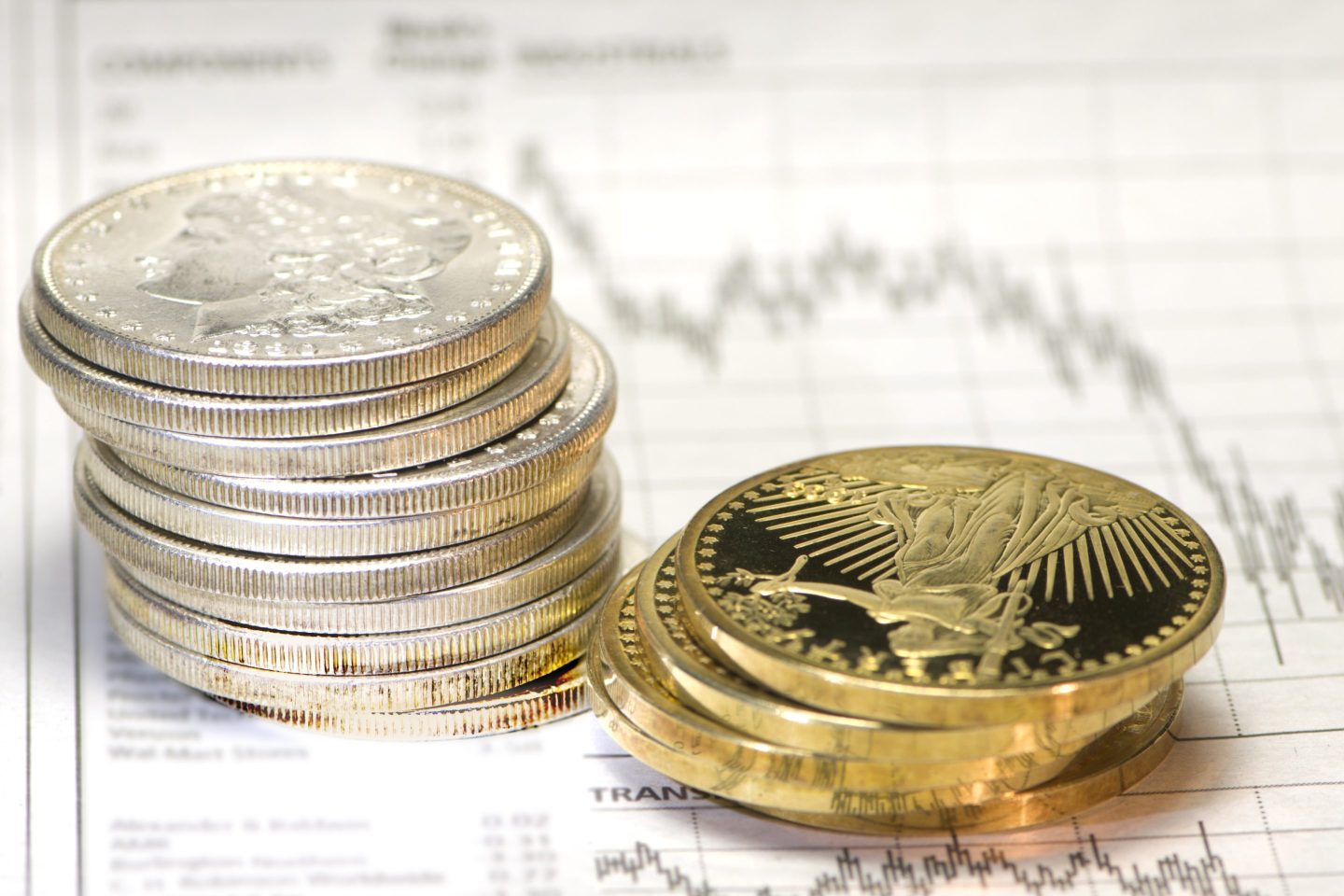
Gold and silver coins are essentially exactly what they sound like—an investment in small discs of precious metals. They’re crafted to a set weight and purity. Technically speaking, there are two kinds of pieces that are often lumped together (though they aren’t the same):
- Gold and silver coins: Made by government mints, these have a face value printed on the front. Their true value comes from the metal content, which is generally wildly above the stated value. Popular examples of such coins include the American Gold Eagle and American Silver Eagle and the Canadian Gold Maple Leaf and Canadian Silver Maple Leaf.
- Gold and silver rounds: These are effectively circular pieces of high-purity gold and silver bullion. Rounds are not legal tender and they have no printed value. They do, however, have their weight and purity stamped on the front. They’re effectively no different from gold or silver bars of the same weight and purity, merely a different shape.
While rounds are prized almost exclusively for their precious metal content, some coins can be worth more than their melt value due to rarity which can appeal to collectors. Rounds are a slightly simpler investment than coins, as you’ll only really have to focus on metal content; the value of coins can be subject to multiple factors like rarity and collector demand.
Pros and cons to buying gold and silver coins
Pros
- Lengthy history of preserving purchase power
- Physical bullion is relatively easy to sell to precious metals dealers
- Possessing gold and silver means you aren’t relying on a third party to remain solvent
Cons
- Storing your metals can be pricey
- You’ll pay a premium over the spot price of the metal
- Physical metals don’t pay interest or dividends like many other investments
Should you buy gold and silver coins?
Incorporating precious metals into your investment plan can be a great way to add diversity to your portfolio. They’re widely used as a store of wealth, helping to preserve your buying power during periods of inflation. The value of gold and silver doesn’t depend on a single bank or stock for success.
All this doesn’t mean that precious metals are foolproof—their prices have had their fair share of ups and downs. But they’ve historically performed well for anyone willing to ride out the bumpy times and hold onto them for many years.
Investing in gold and silver coins also comes with a short list of headaches, including:
- Searching for reasonable deals. When buying coins or bullion from dealers, you’ll be subject to markups.
- Storing your coins. A shoe box under the bed isn’t the optimum way to store your gold and silver. The best ways, such as a home safe or a safe deposit box, cost money.
- Insuring your coins. Check your current insurance policy to see if gold and silver is included. If not, you may need to pay for additional coverage.
- The inability to liquidate immediately. When collecting digital or paper gold and silver, you can instantly trade it for cash. Physical metals will require that you find a willing buyer—then you’ll have to agree on a spread.
If you do decide to invest in gold and silver coins, note that experts generally recommend that precious metals make up no more than 15% of your portfolio.
Step-by-step: How to buy your first gold or silver coin
Buying your first gold or silver coin can be a snap. Here’s what you can expect from start to finish.
1. Set a goal
You’ve decided you want to invest in gold or silver coins. Why?
Do you plan to dabble in collector items, or do you simply like the idea of a long-term hedge against inflation? The answer to that will help you narrow whether you should invest in coins or rounds.
Are you looking for a pure safe haven asset? You may favor gold over silver. Because silver is so heavily used in industry, it tends to have sharper peaks and valleys than gold. To balance your risk and potential reward, you may decide to invest in both silver and gold.
Would you like to invest your metals in a retirement account? If so, you’ll need to know the specific rounds that qualify. Gold dealer websites typically outline these products. For example, IRA-eligible gold coins include:
- American Eagle bullion/proof coins
- Austrian Philharmonic bullion coins
- Canadian Maple Leaf coins
- U.S. Buffalo bullion coins
Identifying the goal of investing in gold and silver coins is the all-important step to begin your precious metals journey.
2. Check spot prices and premiums
Two figures you need to know before making a purchase are spot price and premium.
- Spot price: This is the live market price for an ounce of gold or silver. It’s effectively the baseline value of the metals themselves.
- Premium: This is the amount of money above spot price that dealers charge. It’s how they make money and cover their costs.
When you’re shopping for gold and silver coins, knowing these two numbers will help you to find good deals. The closer the two numbers are, the better a deal you’re getting.
3. Choose a coin and a dealer
For those who are new to buying gold and silver coins, it’s typically better to stick with bullion like American Eagle and Canadian Maple Leaf coins. For the most part, you’ll avoid the more complicated aspects of coin collection, such as products that have collector-only value, and stick to the coins that are easier to value (and sell).
Try to stick to a well-known dealer with glowing reviews—and lots of them. For reference, we outline 10 of the top precious metals dealers on the market in our review of the best gold IRA companies.
4. Pay safely and confirm your order
When you find the coin you want, it’s wise to use a traceable payment method like a credit card or bank transfer; some sketchier dealers may ask you to wire money, send prepaid gift cards, or other methods that are more difficult to undo if something goes wrong.
5. Inspect your coins when they arrive
A good practice once you receive your coins is to immediately open and check your product. Check the condition, the year, etc. and cross-reference it with your included invoice.
In short, you’re looking for signs of tampering. Think dents, severe scratches, and breaks in the seal of the plastic container it arrived in. If anything is awry, you should take pictures of the coin and tell the dealer immediately. Some dealers offer a satisfaction window where you can make returns or exchanges.
Some collectors even like to invest in equipment to help them verify that the product they received is the actual precious metal and not merely a plated counterfeit or fake. For example, silver and gold in .999 purity is not magnetic, so one very basic check is to purchase a strong magnet designed to test precious metals.
Augusta Precious Metals
| A+ BBB rating, AAA BCA rating – unmatched trust and credibility |
| Over 1,000 verified 5-star reviews from real customers |
| Highest buyback guarantee – You’re in control. Switch easily if we fall short |
at Augusta Precious Metals
The takeaway
There are two primary categories when it comes to buying what people may think of as gold and silver coins: government-minted legal tender coins and privately minted bullion rounds. The value of both are largely anchored to their melt value, but coins can have additional value based on rarity. The tradeoff is that the value of coins can be less straightforward thanks to changing collector demand.
Frequently asked questions
Are gold and silver coins a good way to protect against inflation?
Nothing is guaranteed to protect against inflation—but precious metals like gold and silver have proven to hold their purchasing power better than cash over long stretches of time.
How easily can I sell my gold and silver coins if I need cash?
Selling gold and silver coins is typically easy to offload quickly to online dealers and local coin shops. That said, if you’re trying to liquidate quickly, you may not have the luxury of taking your coins to multiple dealers to get the best price.
Which gold and silver coins are best for beginners?
As a beginner, it’s generally the most straightforward to focus on products like the American Gold Eagle, Canadian Gold Maple Leaf, or other bullion coins from government mints. They’re easy to value and also usually fairly easy to resell based on their metal content.
Where is the safest place to buy gold and silver coins?
The safest place to buy gold and silver coins is from a dealer with high ratings and lots of reviews. Look for long-standing companies instead of peer-to-peer marketplaces. And, keep in mind that if you find a deal online that seems too good to be true, it probably is.
Can I put gold and silver coins in an IRA?
Yes, you can put gold and silver coins in an IRA. However, not all products qualify. The IRS only allows non-collectible silver and gold coins and stipulates that silver must be at least 99.9% pure, while gold must be at least 99.5% pure (excluding the American Gold Eagle, which has a lower purity). Also, you must keep your coins with an IRS-approved custodian.