
As leaders like Elon Musk predict that work will be optional in a few years, more workers may soon find themselves lounging at the resorts of their choosing. But in the meantime, as the class of 2026 transitions from students to the newest members of the workforce, the hunt is on to find AI-proof career paths.
One area likely to thrive regardless of the outcome: hospitality.
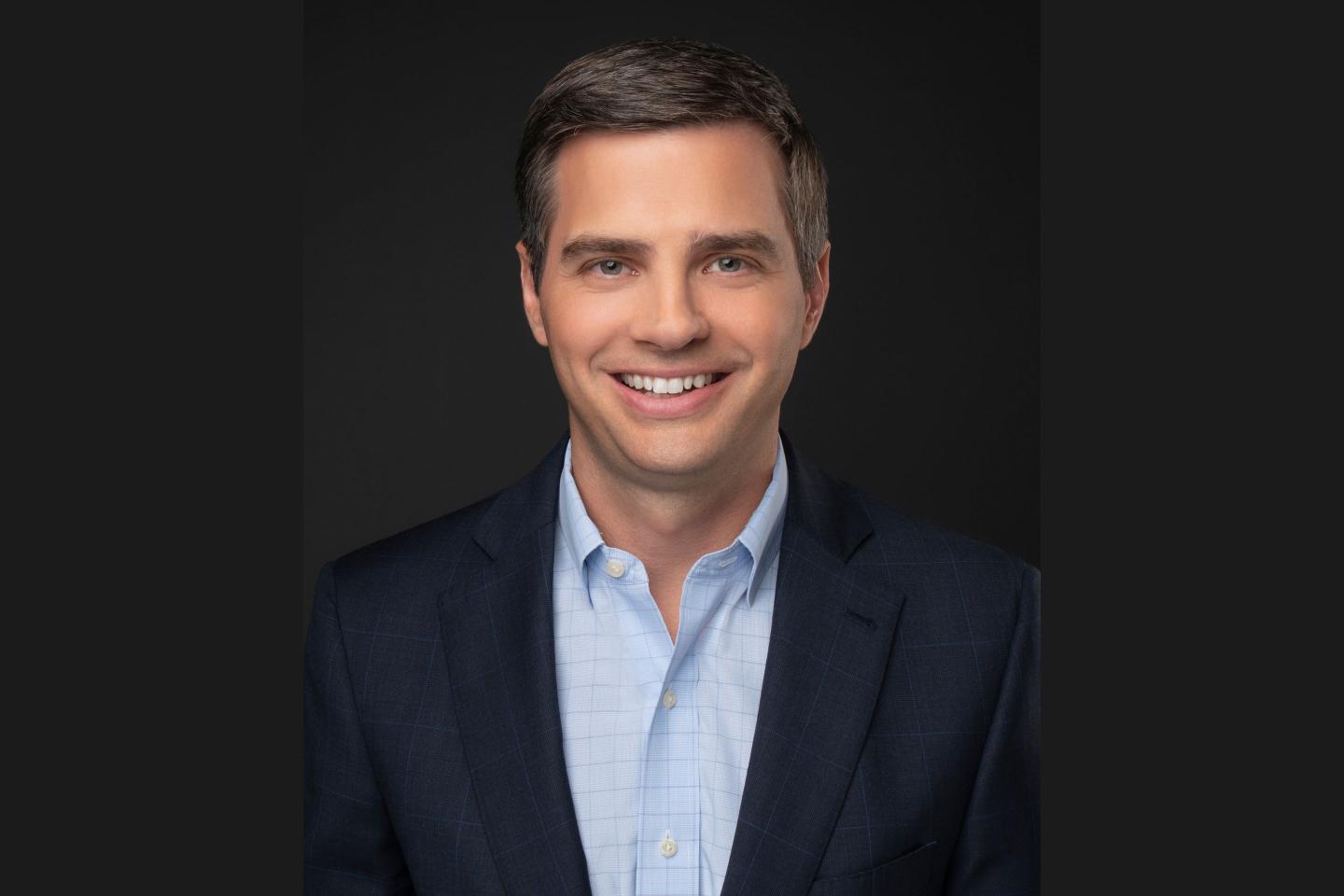
And according to Kurt Alexander, president of Omni Hotels & Resorts—which operates over 50 properties across North America—landing a job in the field may be more accessible than it seems. The catch? You have to bring the right attitude.
“We can teach you the hospitality business,” he told Fortune. “But do you have an attitude and a willingness to serve people? Because that’s the business we’re in, and it’s hard work, and it’s not sexy in many respects, but it’s good work and there’s a lot of dignity in it.”
Attitude-first hiring is a philosophy echoed by business leaders, from billionaire entrepreneur Mark Cuban to Amazon CEO Andy Jassy, both of whom have emphasized that culture fit and willingness to learn can often outweigh other weaknesses. Alexander said that the same mindset has shaped how he evaluates talent inside hospitality, where technical skills can be taught but service orientation cannot.
But it’s also a philosophy he arrived at through his own unconventional path to the top of the hotel industry.
Growing up, he dreamed of becoming an NBA player. But after realizing elite basketball wasn’t in the cards, he pivoted toward finance—earning an economics degree from Duke University and a master’s in accounting from the University of Virginia.
He started his career as an auditor at Ernst & Young, where he worked with major clients including Delta Air Lines. He later spent seven years at Atlanta-based investment bank VRA Partners before joining Omni in 2014 as director of strategic planning. By 2017, he had been promoted to chief financial officer, and in 2022, he landed the company’s top job of president.
Notably, Alexander entered hospitality leadership without prior hands-on hotel experience. During his first year in leadership, he immersed himself in every corner of the business—from checking guests into rooms and working in hotel restaurants to changing bedsheets and folding towels in laundry rooms. That experience working alongside the Dallas-based company’s now-over-20,000 employees reinforced a belief he now carries into hiring and leadership: resilience and work ethic still matter.
“Hard work beats talent when talent doesn’t work hard,” Alexander said. “But if talent works hard, talent wins.”
How Gen Z can succeed in an AI-powered world
For younger workers entering a labor market increasingly shaped by automation, Alexander believes human skills are becoming more—not less—valuable. That is part of why hospitality can be seen as a durable career path in the AI era. Hotel chains are already using AI for tasks like answering routine questions or streamlining check-in, but the industry still depends on work that is much harder to automate: calming an upset guest, reading a room, making a thoughtful recommendation, or creating the kind of personal experience that keeps customers coming back.
The labor market data backs up that demand. The latest U.S. Bureau of Labor Statistics data found that in March 2026, accommodation and food services had the highest job-opening rate of any industry, at 5.5%. And from 2024 to 2034, BLS projects the sector will add more than 553,000 jobs.
The workers who stand out, Alexander said, will be the ones who know how to use technology thoughtfully while still bringing distinctly human judgment and curiosity to the table.
“With the advent of AI, I think that asking questions is like this very underrated skill,” he said, adding that those who succeed the most are those who are the best at prompting technology—and have the intuition to know what to refine.
Integrity and self-awareness also rank high on Alexander’s list of qualities he looks for in new hires. In interviews, he often asks candidates a revealing question: “What are some of the rough edges in your personality?”
That willingness to answer candidly can say more than a polished résumé ever could, he said. The response can also often reveal a person’s level of wisdom and discernment—two traits he believes are increasingly important in an AI-driven world, yet are still largely developed through relationships and real-world experiences.
And despite holding three degrees himself—including an MBA from Northwestern University—Alexander said those lessons can emerge from many kinds of educational experiences.
“I don’t care what school it is—it could be Duke, it could be community college—being around relationships and engaging in the real world in a little bit of a protected setting, to me, is the way that you learn wisdom and discernment.”
Work-life balance is a ‘fallacy,’ according to Omni’s president
Developing that wisdom and discernment also shapes how people think about ambition, priorities, and the increasingly elusive idea of work-life balance.
For Alexander, work and life aren’t separate buckets competing against each other—they’re deeply intertwined.
“I think it’s a little bit of a fallacy to say, ‘You have work over here and then life over here, and striking a balance between those is what we strive for,’” he said. “I don’t think that’s it.”
Instead, he believes people should first decide what matters most to them—and accept the tradeoffs that come with those choices. For example, if you want to make as much money as possible in a set time, recognize that your friendships and physical health may suffer. On the other hand, he added, people who prioritize travel, exploration, or flexibility may not earn as much as peers working 80-hour weeks on Wall Street.
“I think about work-life balance through, ‘What is important to you?’” he said. “And then set about accomplishing that because work is a part of life, and it’s a really good part of life. If we didn’t have the chance to work, we would be miserable people. I’m confident in that.”
For Alexander, living out those priorities means waking up at 5:30 a.m. to run with friends before taking his kids to school, then wrapping up his workday back home around 6 or 7 p.m.
That perspective—less about balance as equilibrium and more about alignment and acceptance of tradeoffs—ultimately reflects how he thinks about fulfillment more broadly:
“Life is going to take you on journeys that you couldn’t write for yourself,” he said. “But keep showing up, keep working hard, keep investing in relationships—and to me, you’re going to end up doing something that is very fulfilling.”