The national debt is set to reach $40 trillion in the near future if it continues to grow at its current pace. That has caught the attention of the richest man in the world.
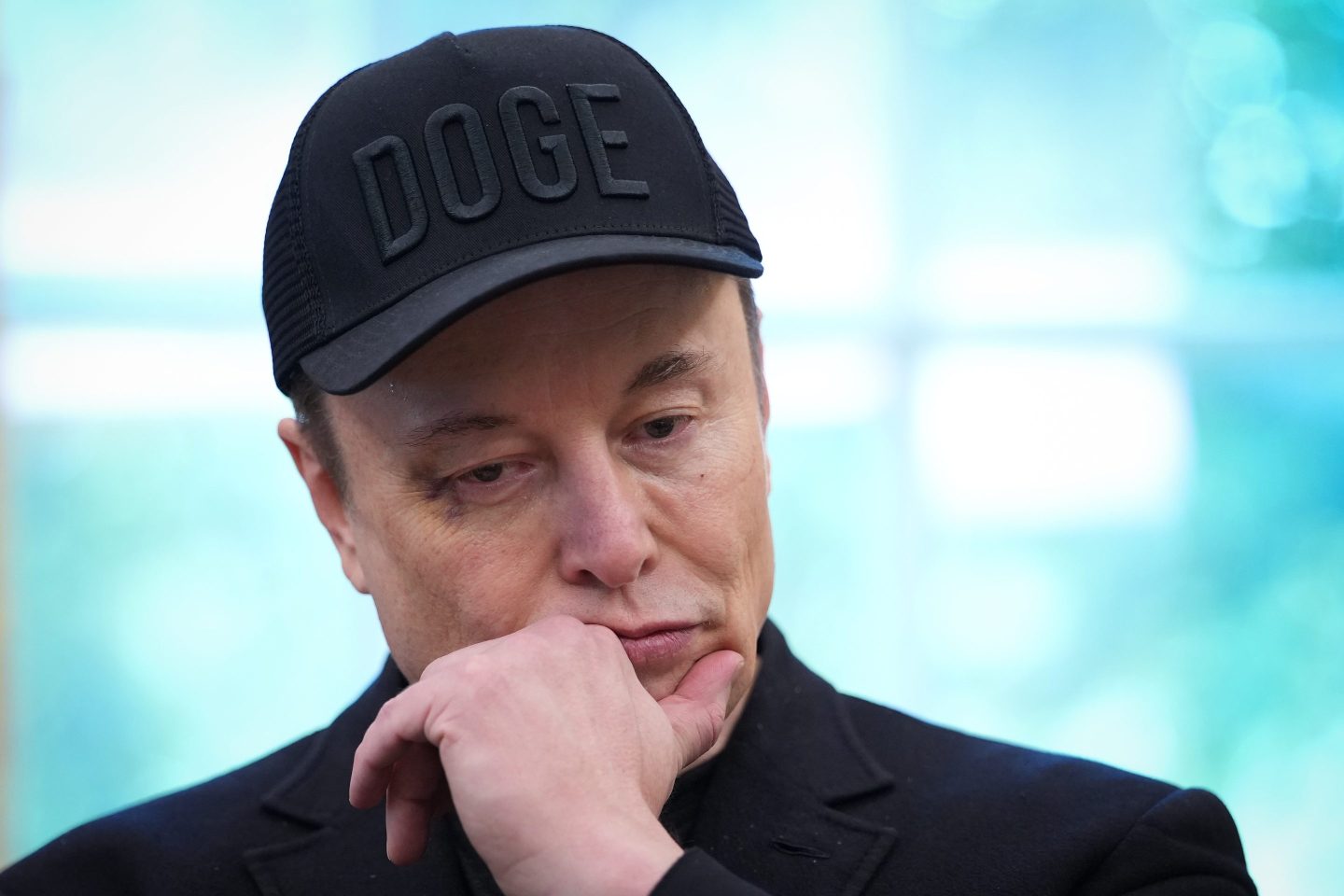
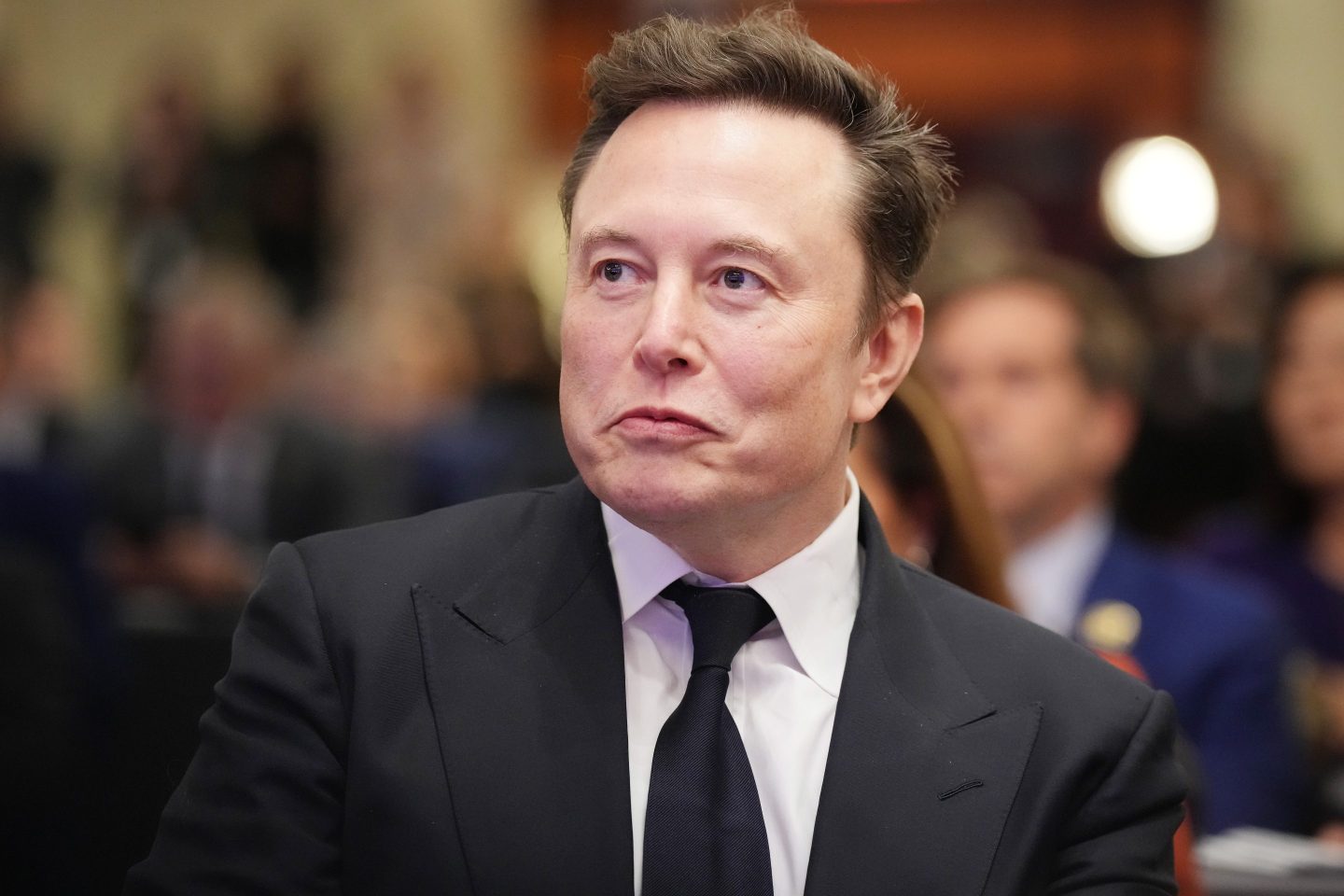
Elon Musk has joined the likes of Bridgewater founder Ray Dalio and Treasury Secretary Scott Bessent in supporting a solution to lowering the national debt, made famous by former Berkshire Hathaway CEO Warren Buffett.
“I can end the deficit in five minutes,” Buffet said in a 2011 interview with CNBC. “You just pass a law that says that anytime there’s a deficit of more than 3% of the GDP, all sitting members of Congress are ineligible for reelection. Now, you’ve got the incentives in the right place.”
The plan received Musk’s full endorsement. “This is the way,” he wrote in June, sharing the interview in a post on X.
Last year, the national debt ballooned by $2.6 trillion, and currently stands at $38.9 trillion, or 124% of the economy, according to the U.S. Treasury.
Buffett is far from the only one sounding the alarm on the national debt.
Recently, the nonpartisan think tank Committee for a Responsible Federal Budget (CRFB) warned the average interest rate on the national debt could exceed economic growth by fiscal year 2031.
“Once interest rates exceed the growth rate…primary deficits will lead debt to grow indefinitely,” the CRFB warned in a blog post on March 9. The committee also endorses the 3% of GDP target.
While members of Congress haven’t warmed to the idea of being replaced over the national debt, a bipartisan group of representatives in January introduced a resolution to lower the deficit to 3% of GDP.
What Warren Buffett’s 5‑minute plan to cap the deficit at 3% of GDP would actually do
In 2024, under the Biden administration, Buffett predicted higher taxes were coming for businesses.
“They may decide that someday they don’t want the fiscal deficit to be this large, because that has some important consequences. And they may not want to decrease spending a lot, and they may decide they’ll take a larger percentage of what we earn, and we’ll pay it,” he said at Berkshire Hathaway shareholders meeting in May 2024.
At that point, the national debt was more than $34 trillion, or 122% of GDP. Buffett has rebuffed companies that search for the smallest loopholes to reduce their tax burden. Since the first Trump administration, corporations have paid a maximum tax rate of 21%, compared to 35% previously. This tax rate was not changed the Biden administration.
“My best speculation is that U.S. debt will be acceptable for a very long time, because there is not much alternative,” Buffett said.