
• Home
  • Latest
  • Fortune 500
  • Finance
  • Tech
  • Leadership
  • Lifestyle
  • Rankings
  • Multimedia
PoliticsMiddle East

Trump’s ‘Art of the Deal’ can’t reopen the Strait of Hormuz—and it’s threatening a recession

Nick Lichtenberg
By
Nick Lichtenberg
Nick Lichtenberg
Business Editor
Down Arrow Button Icon
Nick Lichtenberg
By
Nick Lichtenberg
Nick Lichtenberg
Business Editor
Down Arrow Button Icon
March 16, 2026, 2:53 PM ET
Donald Trump
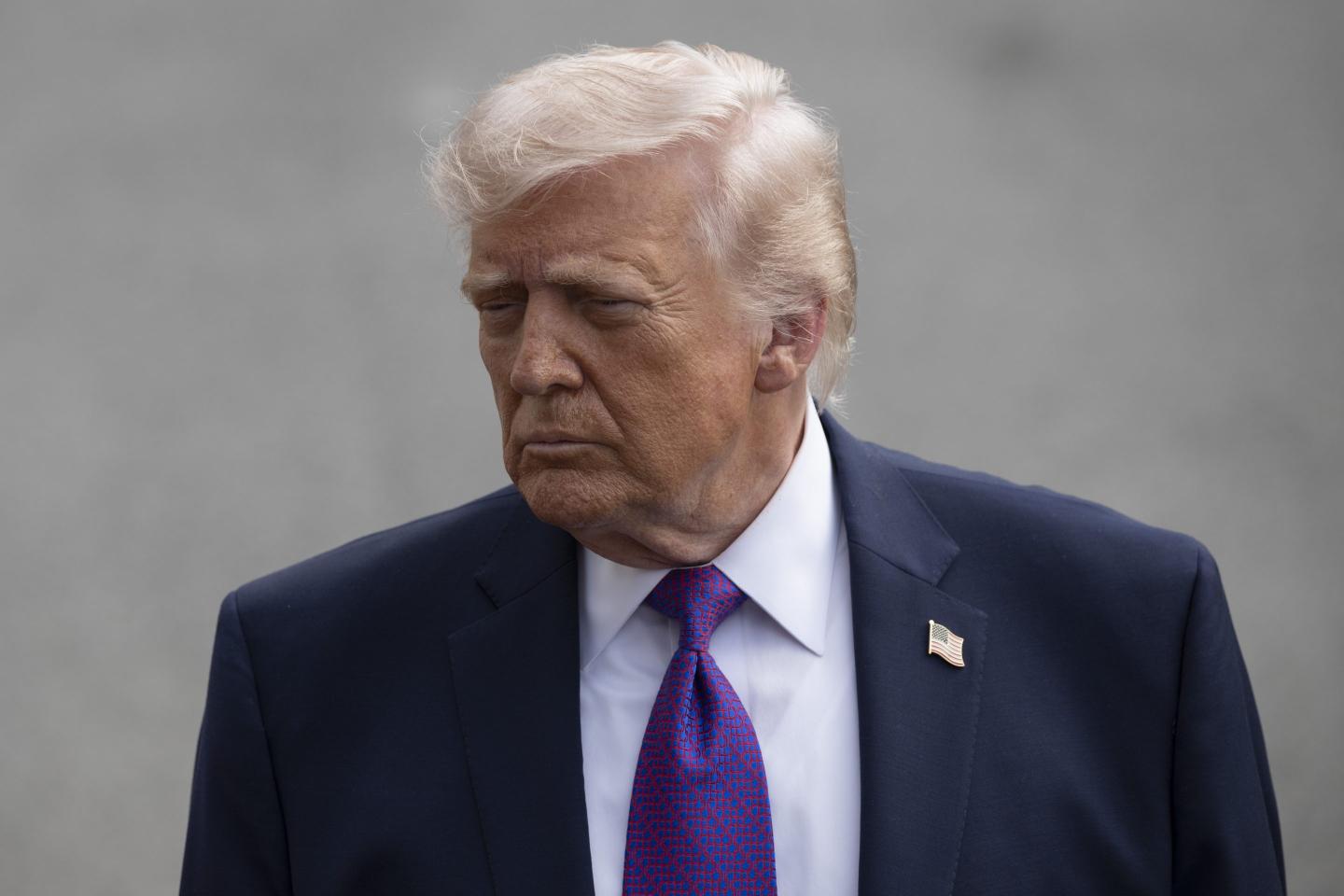
The dealmaker in chief is struggling to make a deal.Celal Gunes/Anadolu via Getty Images

Donald Trump has spent the better part of 40 years mastering a single, ruthless skill: making other people absorb his losses. He perfected it in Atlantic City, where, as Fortune’s Shawn Tully reported, his casino empire lost a total of $1.1 billion, twice declared bankruptcy, and wrote down or restructured $1.8 billion in debt, as Trump paid himself roughly $82 million.

Recommended Video

Trump also refined his methods in bankruptcy courts over the decades, filing for Chapter 11 protection six times across his business empire and walking away from each implosion with his name still on the marquee. He brought the same instinct to international diplomacy—renegotiating NATO funding commitments, tearing up the original Iran nuclear deal, brandishing tariffs until trading partners blinked. The playbook never changed: manufacture chaos, make everyone else desperate for a way out, then collect.

Now, on the third week of an active shooting war with Iran, Trump has run headlong into something his entire operating philosophy was never designed to handle: a 21-mile-wide chokepoint at the mouth of the Persian Gulf that has no CEO to bully, no bondholder to threaten, and no shareholders to absorb the loss. The Strait of Hormuz carries roughly 20% to 25% of the world’s oil supply every single day. It cannot be restructured. It cannot be taken into bankruptcy. And right now, it is effectively closed.

The deal that fell apart

The story begins, as so many Trump stories do, with a negotiation that went sideways. Through late February, Trump’s envoys conducted round after round of indirect nuclear talks with Iran in Geneva and Vienna, demanding that Tehran renounce uranium enrichment entirely. Trump told reporters he was “not happy” with Iran’s posture and that Iranian diplomats were not willing to go far enough. The familiar script seemed to be playing out—maximum pressure, strategic ambiguity, a deal dangled and then yanked back until the other side folded.​

But Iran, unlike Atlantic City bondholders, held a card Trump hadn’t fully priced in. When Trump launched a widely anticipated, yet still seemingly under-rehearsed attack on Iran, alongside Israel, Iranian forces began mining the strait, firing anti-ship missiles at commercial tankers, and deploying drones against vessels traversing the narrow waterway. U.S. Central Command sank 16 Iranian mine-laying vessels in an attempt to clear the passage. It wasn’t enough. Shipping activity through the strait ground nearly to a halt. As of Monday, Iran said traffic was going through the strait—just not for any U.S. allies.

When the numbers turn

The economic bill arrived faster than almost any analyst predicted. The International Energy Agency announced an emergency release of 400 million barrels from strategic reserves—a measure rarely deployed—as the conflict severed roughly 8 million barrels per day from global supply. Goldman Sachs revised its 2026 inflation forecast upward by 0.8 percentage points to 2.9% and slashed GDP growth projections by 0.3 points to 2.2%. In a worst-case scenario—a full month of disruption with crude averaging $110 a barrel—Goldman put recession probability at 25%.

For a president who built his second term on the explicit promise of lower prices and economic supremacy, the numbers were damning. The administration had tried diplomatic pressure, strategic reserve releases, and back-channel appeals to OPEC allies. None of it moved the needle. “The U.S. is running out of ways to get oil prices down,” CNBC concluded. “It is up to the military.” In Trump’s world, when a deal goes bad, you find a new counterparty. The global energy market doesn’t work that way.​

Make someone else pay

Confronted with an adversary immune to his usual leverage, Trump defaulted to the strategy he knows best: offload the cost onto someone else. On March 15, Trump told reporters he had “demanded” that roughly seven countries join a coalition to police the waterway, warning that any nation that refused would face a “bad future” with the United States.

It was a classic Trump move—the transactional ultimatum, the threat wrapped in a favor. But the response was a portrait of the limits of his brand of coercion. NATO allies rejected the demand outright. China, which continues importing Iranian oil, reacted with studied indifference. Trump suggested he might cancel a summit with Beijing over it; Beijing did not appear alarmed. The dealmaker had issued his terms. The world declined to countersign.

The adversary that won’t blink

On Friday and Saturday, U.S. forces executed strikes on Iran’s Kharg Island—the hub for roughly 90% of Iranian oil exports—hitting 90 military targets in what Trump called one of the largest operations in the history of the Middle East. And yet, he conceded, Tehran could still launch a drone or use mines and missiles in the waterway. The strait remained dangerous. Tankers stayed away.

Foreign policy analyst Matthew Kroenig put it plainly, telling NPR: “As long as Iran has drones and missiles and continues to fire them, I think many commercial shippers are going to think it’s just too dangerous even with an escort to pass through the strait.” Even after any ceasefire, uncleared mines could keep insurers—and thus tankers—away for months. You can’t renegotiate your way past an unswept mine.​

Trump said he wasn’t ready to make a deal because “the terms aren’t good enough.” In a boardroom, that’s leverage. In the Strait of Hormuz, it’s something closer to a confession. The Art of the Deal was always premised on the other side wanting something badly enough to eventually fold. The strait wants nothing. It simply is—narrow, contested, and utterly indifferent to the brand of the man trying to reopen it.​

For four decades, Trump found someone else to hold the bag when his bets went bad. Standing at the edge of the Persian Gulf, with oil markets convulsing, allies shrugging, and Iranian drones still buzzing over shipping lanes, he is learning what every creditor, contractor, and counterpart he ever stiffed already knew: Eventually, the deal comes due.

Subscribe to Fortune Gulf Brief. Every Tuesday, this new newsletter will deliver clear-eyed, authoritative intelligence on the deals, decisions, policies, and power shifts shaping one of the world’s most consequential regions, written for the people who need to act on it. Sign up here.
About the Author
Nick Lichtenberg
By Nick LichtenbergBusiness Editor
LinkedIn icon

Nick Lichtenberg is business editor and was formerly Fortune's executive editor of global news.

See full bioRight Arrow Button Icon

Latest in Politics

Finance
Lorem ipsum dolor sit amet, consectetur adipiscing elit, sed do eiusmod tempor incididunt ut labore et dolore magna aliqua. Ut enim ad minim veniam
By Fortune Editors
October 20, 2025
Finance
Lorem ipsum dolor sit amet, consectetur adipiscing elit, sed do eiusmod tempor incididunt ut labore et dolore magna aliqua. Ut enim ad minim veniam
By Fortune Editors
October 20, 2025
Finance
Lorem ipsum dolor sit amet, consectetur adipiscing elit, sed do eiusmod tempor incididunt ut labore et dolore magna aliqua. Ut enim ad minim veniam
By Fortune Editors
October 20, 2025
Finance
Lorem ipsum dolor sit amet, consectetur adipiscing elit, sed do eiusmod tempor incididunt ut labore et dolore magna aliqua. Ut enim ad minim veniam
By Fortune Editors
October 20, 2025
Finance
Lorem ipsum dolor sit amet, consectetur adipiscing elit, sed do eiusmod tempor incididunt ut labore et dolore magna aliqua. Ut enim ad minim veniam
By Fortune Editors
October 20, 2025
Finance
Lorem ipsum dolor sit amet, consectetur adipiscing elit, sed do eiusmod tempor incididunt ut labore et dolore magna aliqua. Ut enim ad minim veniam
By Fortune Editors
October 20, 2025

Most Popular

Finance
Lorem ipsum dolor sit amet, consectetur adipiscing elit, sed do eiusmod tempor incididunt ut labore et dolore magna aliqua. Ut enim ad minim veniam
By Fortune Editors
October 20, 2025
Finance
Lorem ipsum dolor sit amet, consectetur adipiscing elit, sed do eiusmod tempor incididunt ut labore et dolore magna aliqua. Ut enim ad minim veniam
By Fortune Editors
October 20, 2025
Finance
Lorem ipsum dolor sit amet, consectetur adipiscing elit, sed do eiusmod tempor incididunt ut labore et dolore magna aliqua. Ut enim ad minim veniam
By Fortune Editors
October 20, 2025
Finance
Lorem ipsum dolor sit amet, consectetur adipiscing elit, sed do eiusmod tempor incididunt ut labore et dolore magna aliqua. Ut enim ad minim veniam
By Fortune Editors
October 20, 2025
Finance
Lorem ipsum dolor sit amet, consectetur adipiscing elit, sed do eiusmod tempor incididunt ut labore et dolore magna aliqua. Ut enim ad minim veniam
By Fortune Editors
October 20, 2025
Finance
Lorem ipsum dolor sit amet, consectetur adipiscing elit, sed do eiusmod tempor incididunt ut labore et dolore magna aliqua. Ut enim ad minim veniam
By Fortune Editors
October 20, 2025
Fortune Secondary Logo
Rankings
  • 100 Best Companies
  • Fortune 500
  • Global 500
  • Fortune 500 Europe
  • Most Powerful Women
  • World's Most Admired Companies
  • See All Rankings
  • Lists Calendar
Sections
  • Finance
  • Fortune Crypto
  • Features
  • Leadership
  • Health
  • Commentary
  • Success
  • Retail
  • Mpw
  • Tech
  • Lifestyle
  • CEO Initiative
  • Asia
  • Politics
  • Conferences
  • Europe
  • Newsletters
  • Personal Finance
  • Environment
  • Magazine
  • Education
Customer Support
  • Frequently Asked Questions
  • Customer Service Portal
  • Privacy Policy
  • Terms Of Use
  • Single Issues For Purchase
  • International Print
Commercial Services
  • Advertising
  • Fortune Brand Studio
  • Fortune Analytics
  • Fortune Conferences
  • Business Development
  • Group Subscriptions
About Us
  • About Us
  • Press Center
  • Work At Fortune
  • Terms And Conditions
  • Site Map
  • About Us
  • Press Center
  • Work At Fortune
  • Terms And Conditions
  • Site Map
  • Facebook icon
  • Twitter icon
  • LinkedIn icon
  • Instagram icon
  • Pinterest icon

Latest in Politics

kid on phone
Politicssmartphones and mobile devices
‘Close to zero’: Schools are spending tens of millions banning phones from classrooms, but test scores aren’t improving
By Jake AngeloMay 8, 2026
1 hour ago
Iran may have a higher tolerance for economic pain—but the pain is excruciating as regime reveals 100% inflation in just days on some items
EconomyIran
Iran may have a higher tolerance for economic pain—but the pain is excruciating as regime reveals 100% inflation in just days on some items
By Jason MaMay 8, 2026
2 hours ago
Ray Dalio: the ‘heart attack’ of America’s debt crisis is just the beginning of a ‘great turbulence’ that will reshape the country
Economynational debt
Ray Dalio: the ‘heart attack’ of America’s debt crisis is just the beginning of a ‘great turbulence’ that will reshape the country
By Nick LichtenbergMay 8, 2026
4 hours ago
eisenhower office
PoliticsDonald Trump
Trump wants to repaint a historic landmark. Preservationists say it will destroy it—and cost taxpayers $7.5m
By The Associated Press and Darlene SupervilleMay 8, 2026
5 hours ago
UFOs
North AmericaPentagon
Pentagon begins releasing new files on UFOs, telling public to draw their own conclusions
By Collin Binkley, Seung Min Kim and The Associated PressMay 8, 2026
6 hours ago
trump
EconomyU.S. jobs report
U.S. economy surprises with 115,000 new jobs created in April
By Paul Wiseman and The Associated PressMay 8, 2026
6 hours ago

Most Popular

California farmers must destroy 420,000 peach trees after Del Monte closes its canneries and cancels more than $550 million in long-term contracts
North America
California farmers must destroy 420,000 peach trees after Del Monte closes its canneries and cancels more than $550 million in long-term contracts
By Sasha RogelbergMay 7, 2026
23 hours ago
'Blue dot fever' plagues musicians like Post Malone, Meghan Trainor, and Zayn as a growing list of artists cancel tours due to lagging ticket sales
Arts & Entertainment
'Blue dot fever' plagues musicians like Post Malone, Meghan Trainor, and Zayn as a growing list of artists cancel tours due to lagging ticket sales
By Dave Lozo and Morning BrewMay 7, 2026
1 day ago
U.S. Treasury will have to borrow $2 trillion this year just to continue functioning—more than $166 billion every month
Economy
U.S. Treasury will have to borrow $2 trillion this year just to continue functioning—more than $166 billion every month
By Eleanor PringleMay 7, 2026
1 day ago
A Michigan farm town voted down plans for a giant OpenAI-Oracle data center. Weeks later, construction began
Magazine
A Michigan farm town voted down plans for a giant OpenAI-Oracle data center. Weeks later, construction began
By Sharon GoldmanMay 6, 2026
3 days ago
Airbnb CEO Brian Chesky warns two types of people won’t survive the AI era: ‘pure people managers’ and workers who resist change
Success
Airbnb CEO Brian Chesky warns two types of people won’t survive the AI era: ‘pure people managers’ and workers who resist change
By Emma BurleighMay 7, 2026
1 day ago
Current price of oil as of May 7, 2026
Personal Finance
Current price of oil as of May 7, 2026
By Joseph HostetlerMay 7, 2026
1 day ago

© 2026 Fortune Media IP Limited. All Rights Reserved. Use of this site constitutes acceptance of our Terms of Use and Privacy Policy | CA Notice at Collection and Privacy Notice | Do Not Sell/Share My Personal Information
FORTUNE is a trademark of Fortune Media IP Limited, registered in the U.S. and other countries. FORTUNE may receive compensation for some links to products and services on this website. Offers may be subject to change without notice.