The Supreme Court’s decision striking down President Donald Trump’s tariffs has created a $180 billion opportunity for U.S. companies to recoup the cost of import taxes through potential refunds. For American consumers, however, the chances of seeing relief are slim.
Goldman Sachs economists warned that while tariff-related inflation has likely peaked, prices are unlikely to meaningfully fall anytime soon. Tariffs added a 0.7% increase in inflation over 10 months, and levies are expected to add another 0.1% in 2026, analysts wrote in a note to clients on Monday.
“We would not expect companies to lower prices in response to tariff reductions nearly as quickly as they increased them in response to tariff increases,” analysts Alec Phillips, Elsie Peng, and David Mericle wrote.
Tariffs were a massive pain point for U.S. consumers in 2025, contributing to the lowest levels of consumer confidence in 11 years, and fueling concerns over a K-shaped economy, in which lower-income Americans struggle to afford goods while wealthier households continue to spend. Data from the Federal Reserve of New York published earlier this month confirmed Americans were bearing the brunt of the tariff impact, with 90% of the levies being passed down to U.S. companies and consumers.
The Supreme Court’s ruling that Trump could not use the International Emergency Economic Powers Act (IEEPA) to justify tariffs opened the door for U.S. importers to access what Goldman Sachs estimates is a $180 billion pool of tariff revenue in the form of refunds. Companies like Costco already sued the Trump administration months ago in an effort to ensure it was eligible for a full refund should tariffs under the IEEPA be rejected. The retailer has absorbed tariff costs in order to keep prices lower for consumers.
Tariff inflation may remain stubbornly elevated
The chance of consumers seeing their own spending saved following the ruling is negligible, according to Goldman Sachs, in large part because the administration has already imposed more tariffs at levels comparable to those implemented under the IEEPA.
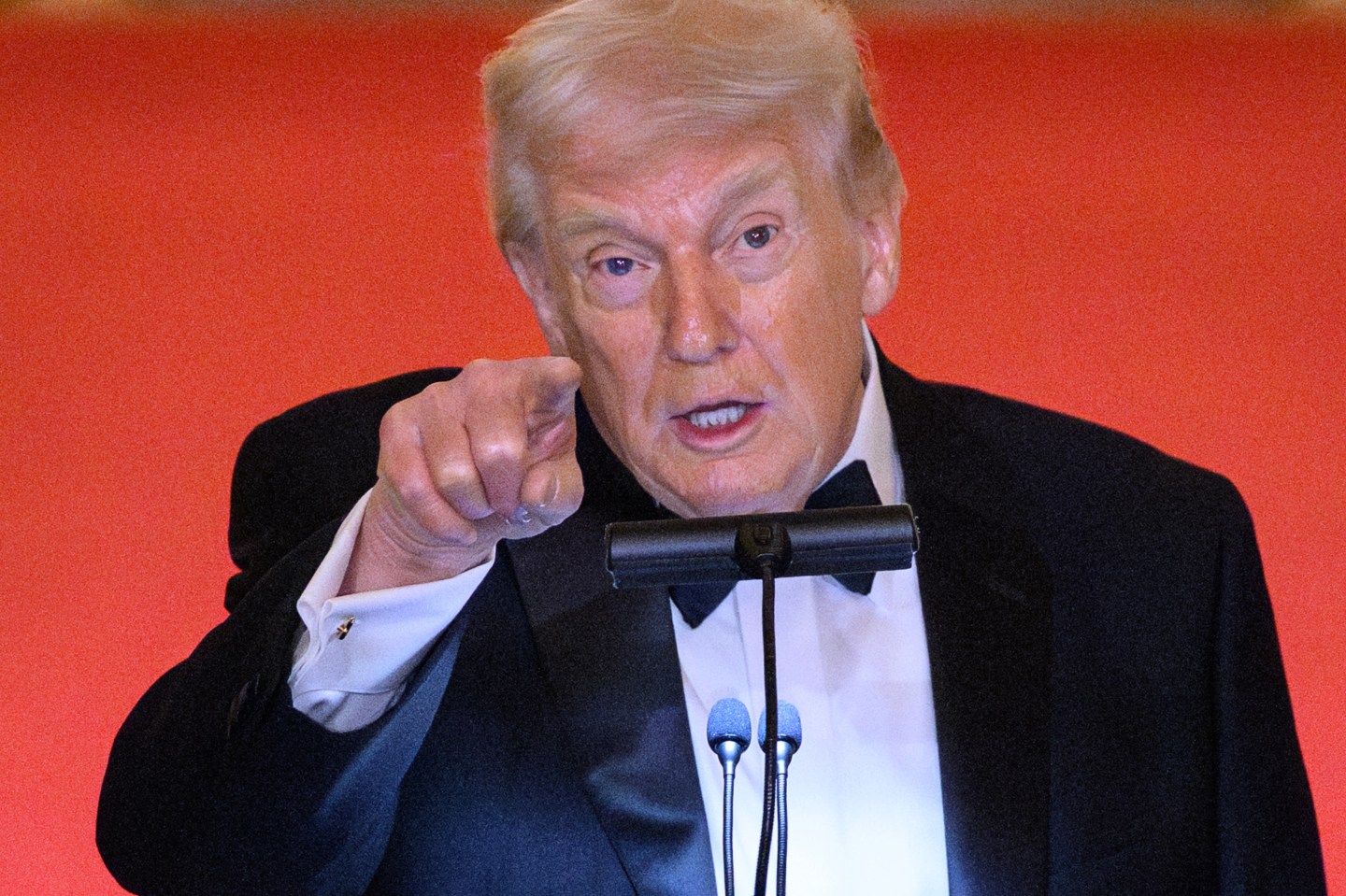
Trump responded to the Supreme Court ruling by imposing a 10%, then 15%, global tariff under Section 122 of the 1974 Trade Act. The section outlines the ability to impose a temporary, 150-day import tax to address “large and serious” deficits or currency depreciation, though some experts warn this path to impose levies is also legally dubious. The Trump administration has also invoked Section 301, which is used to impose retaliatory tariffs on foreign countries engaging in “discriminatory” trade practices.
Analysts predicted that the new 15% tariffs would alter tax rates for some trading partners, but would only modestly reduce overall tariff rates from above 10% in 2025 to 9% in 2026. Still, a Morgan Stanley note published on Monday said Trump has likely already hit peak tariffs, with rates unlikely to top 15%.
“The policy changes were in line with our expectations,” Goldman Sachs economists said. “And our estimates of the effects of tariffs on inflation and growth are consequently little changed.”
The Yale Budget Lab updated its calculation of how much the levies would cost American households following the Supreme Court ruling and found tariffs will still increase consumer bills by $600 to $800 on average. If the tariffs under the IEEPA had remained in place, it would have cost Americans nearly twice as much.
Companies have already passed the majority of the tariff impacts on to consumers, according to analysts, meaning prices are unlikely to drastically increase anytime soon. However, the cost of goods are also unlikely to be reduced substantially or quickly as companies continue to navigate trade uncertainty and maintain margins.
Question marks for those seeking refunds
While the Supreme Court ruling created an opportunity for refunds for companies, the decision did not outline a repayment process, complicating how American importers, let alone consumers, might recover months of spending on the illegal duties.
Legal experts have indicated it will take months for companies to know if they are eligible for refunds, as the issue has to be hashed out by U.S. Customs and Border Protection, the Court of International Trade in New York, as well as lower courts. In addition to the time needed for the lower courts to outline a process of collecting these refunds, the Trump administration could challenge trade court orders to pay refunds, resulting in a new legal battle that could take years.
Even if companies were to receive refunds, UBS chief economist Paul Donovan said he wouldn’t bet on those funds reaching consumers, owing to fears of refunds heaping pressure on an already mounting debt crisis.
“Tariff rebates will increase the U.S. fiscal deficit, and act as a fiscal stimulus,” Donovan said in a note published on Monday. “Any rebates will be paid to U.S. importers (as they are the ones who made payments to the U.S. Treasury). With new tariffs coming in, it seems unlikely anyone will rush to lower prices to their customers.”
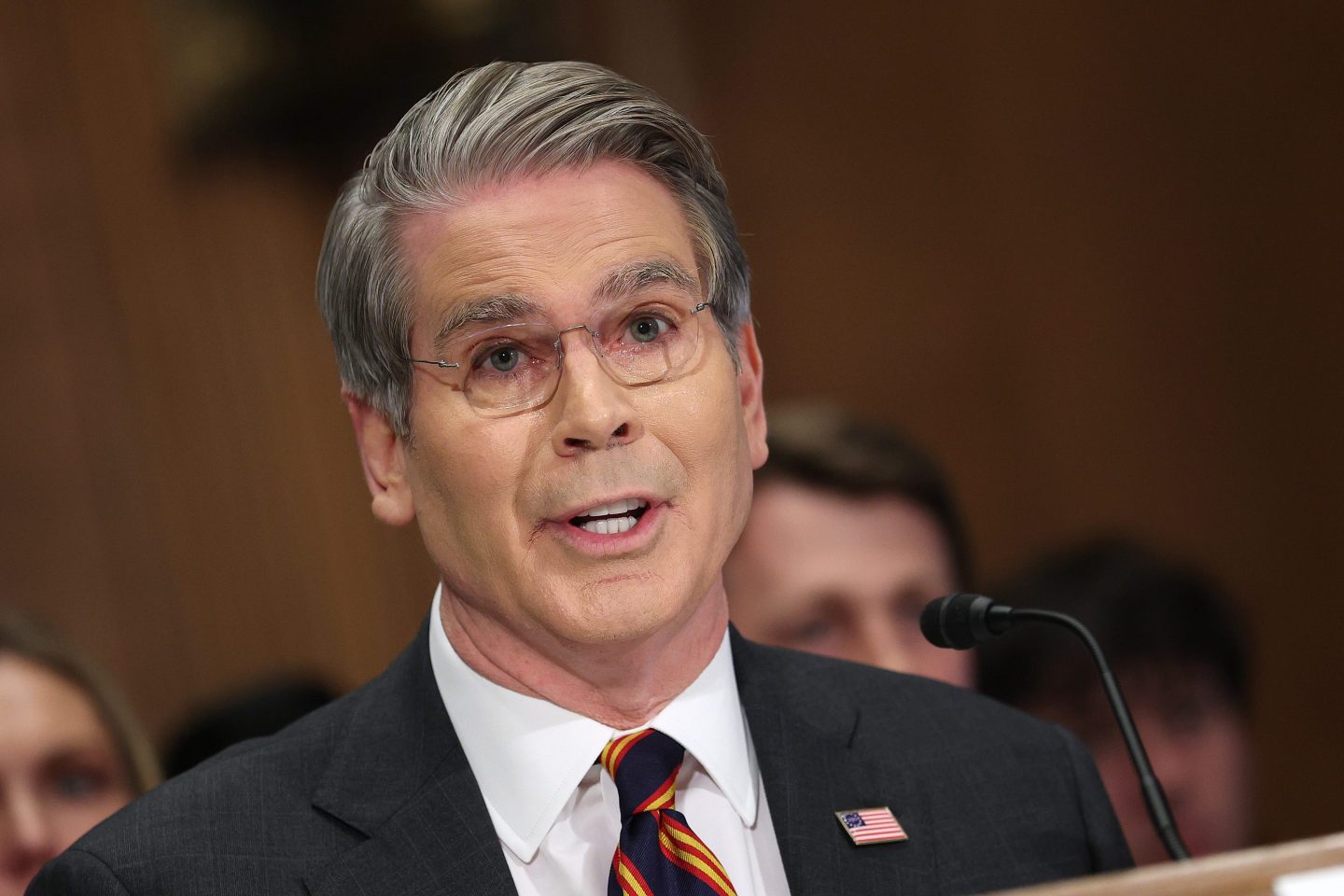
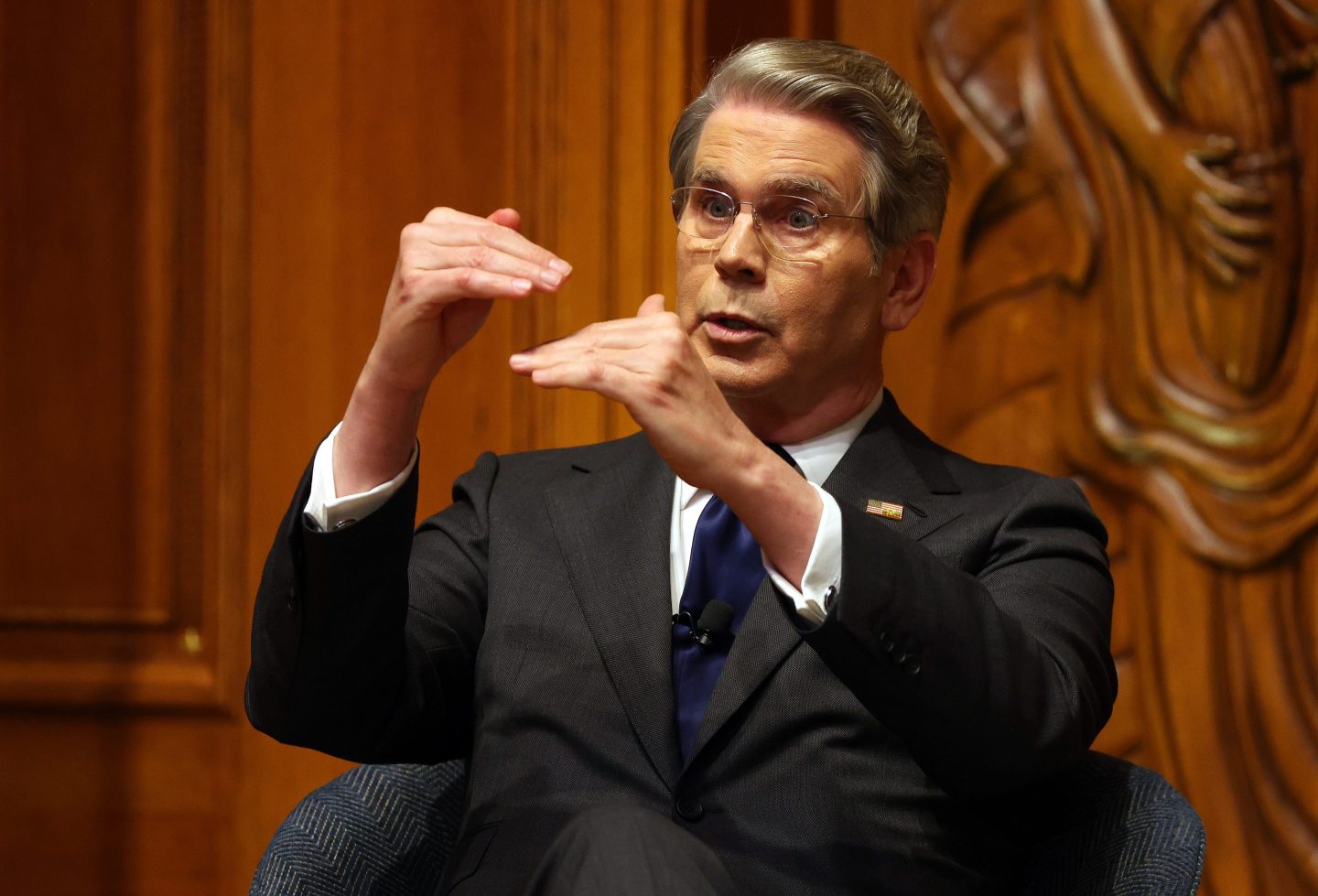
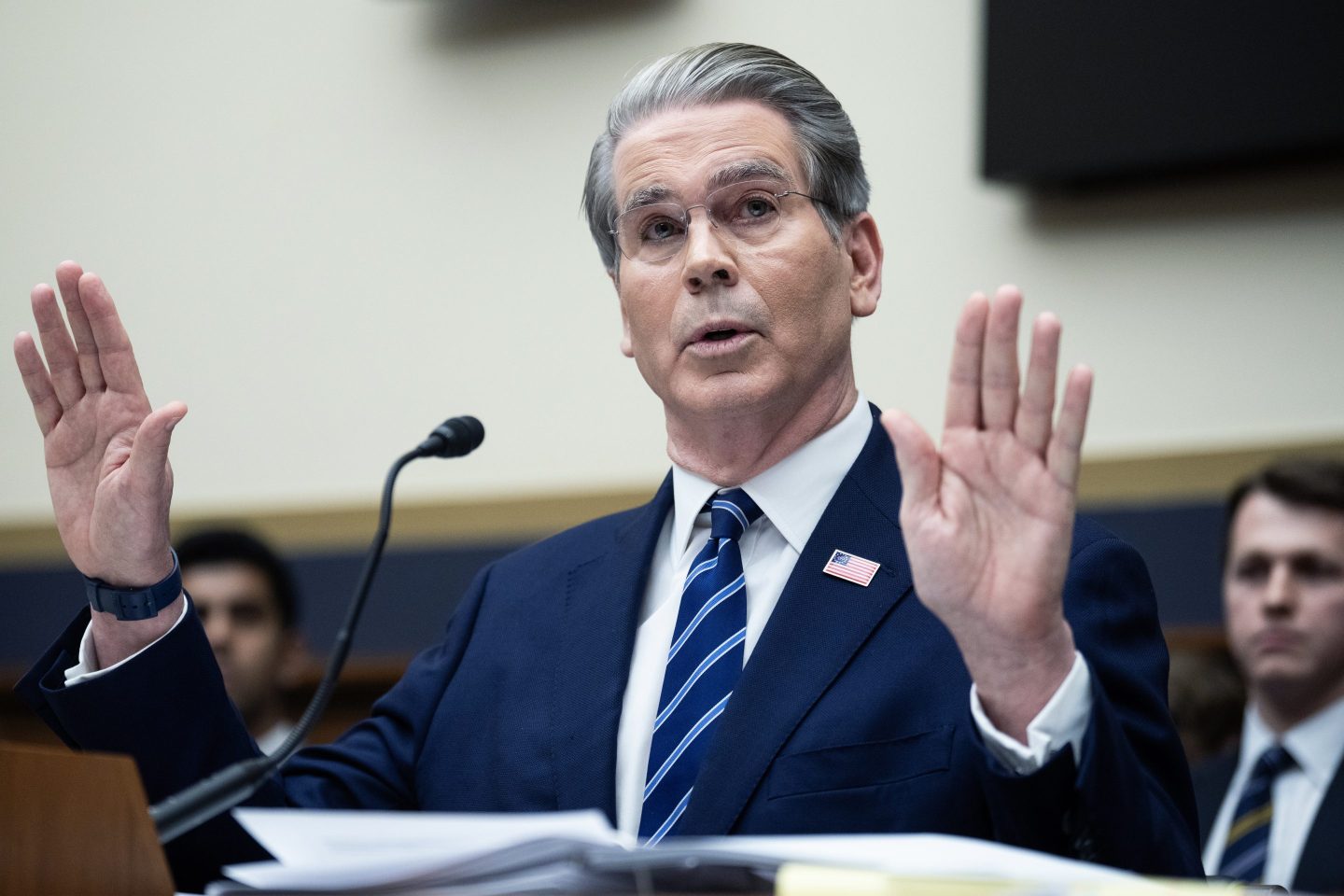
Members of the Trump administration have expressed their skepticism that tariff revenue will be returned to Americans. In remarks at the Economic Club of Dallas following the ruling, Treasury Secretary Scott Bessent appeared to confirm a long, if not impossible, journey for money raised from tariffs to return to companies and consumers.
“My sense is that could be dragged out for weeks, months, years, so … we’ll see what happens there,” Bessent said.
“I got a feeling the American people won’t see it,” he concluded.