Tesla’s push to refocus on humanoid robots and autonomous vehicles may be headed for a slower start than CEO Elon Musk’s bullish timelines previously promised.
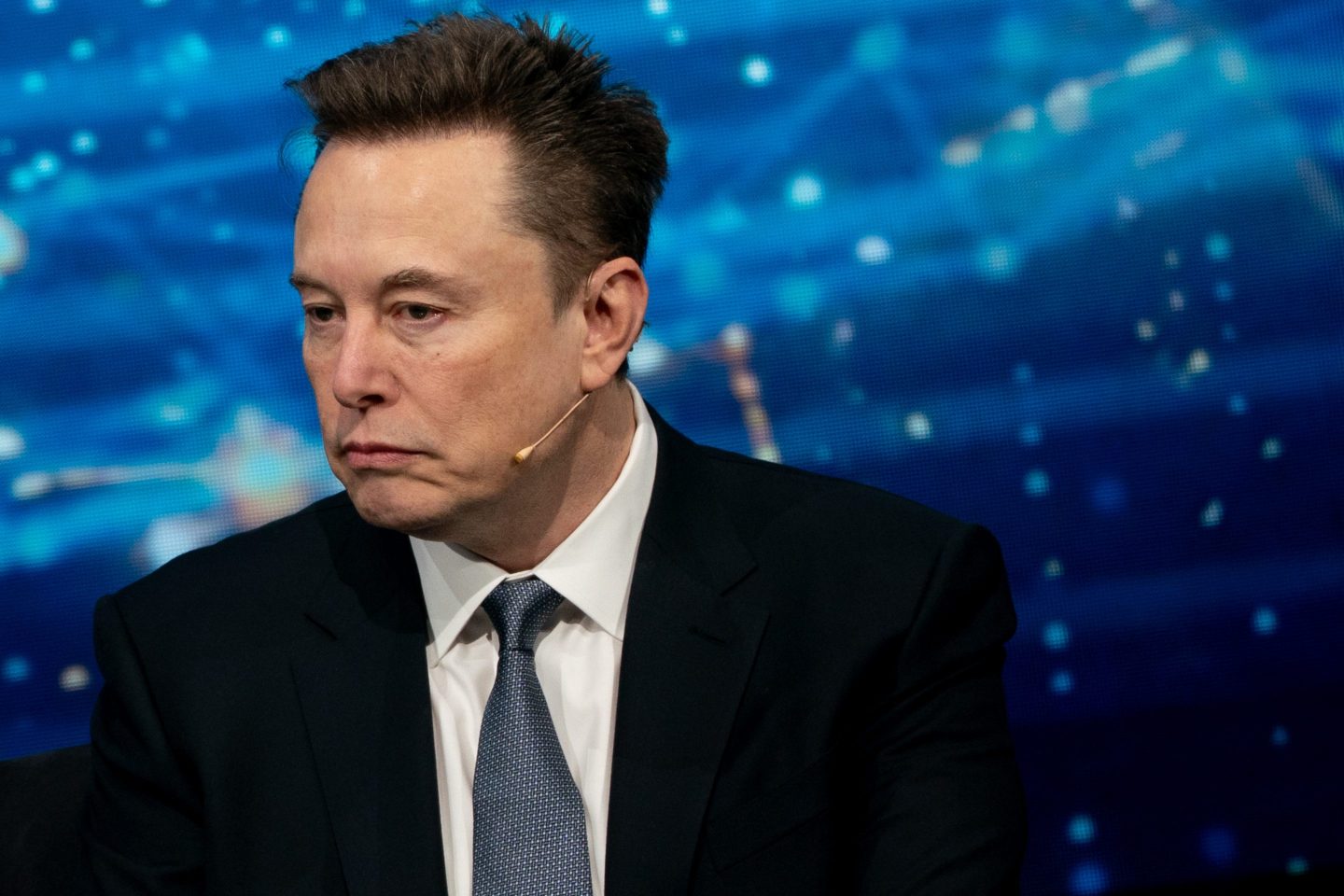
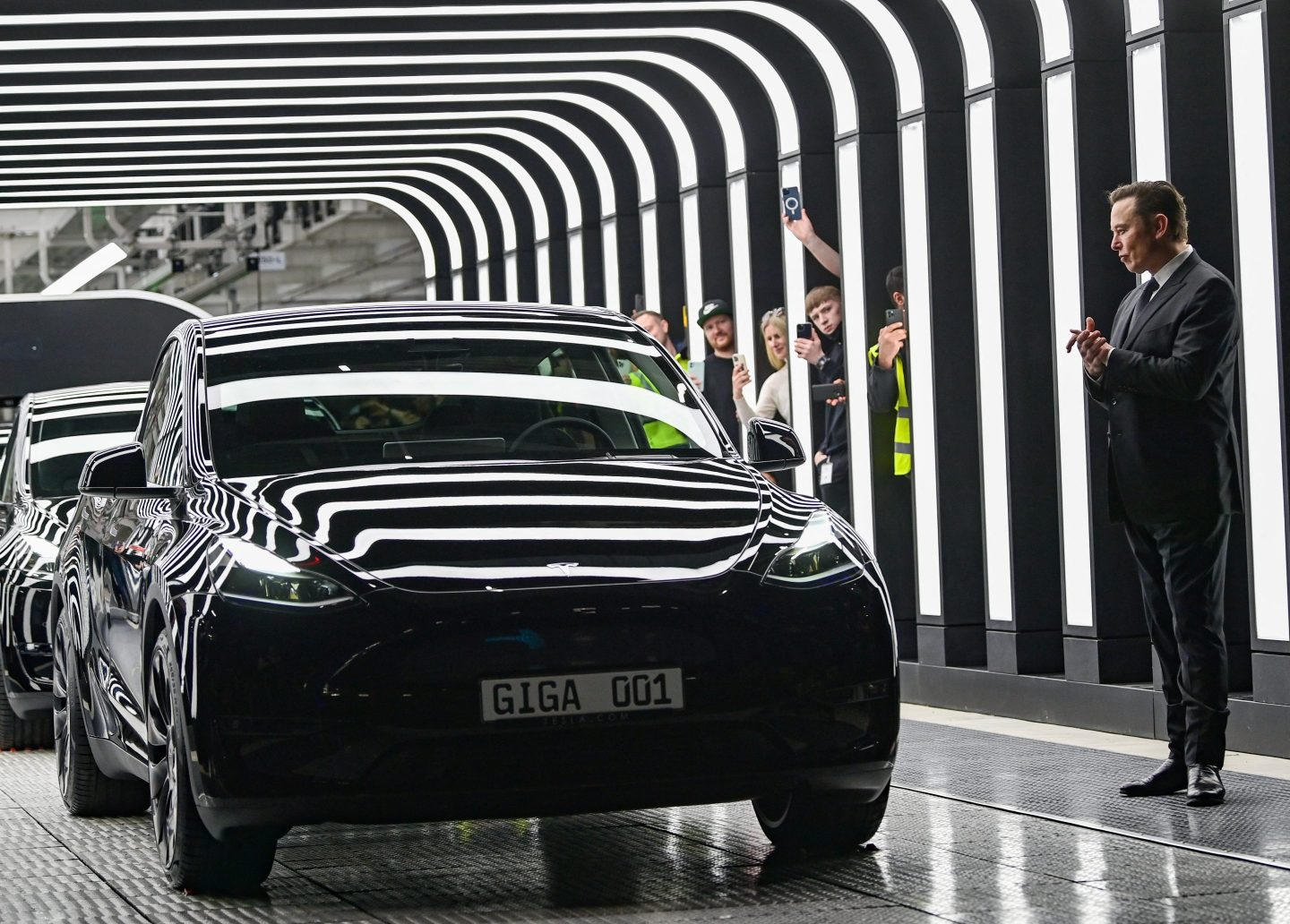
Musk said Tuesday production for the company’s planned Cybercab robotaxis and its humanoid Optimus robots will “ramp” slower than expected, even as he sells investors on a future powered by AI and automation.
Replying to a post from content creator and Tesla investor Sawyer Merritt in which he noted Cybercab production is set to begin in fewer than 100 days, Musk flagged a caveat.
With the important caveat that initial production is always very slow and follows an S-curve.
— Elon Musk (@elonmusk) January 20, 2026
The speed of the production ramp is inversely proportionate to how many new parts and steps there are.
For Cybercab and Optimus, almost everything is new, so the early production…
“Initial production is always very slow and follows an S-curve,” Musk argued. “The speed of the production ramp is inversely proportionate to how many new parts and steps there are.”
For some of Tesla’s most innovative products, such as the Cybercab and Optimus, this pattern is especially true, he noted.
“Almost everything is new, so the early production rate will be agonizingly slow, but eventually end up being insanely fast,” he said.
Musk previously said the autonomous Cybercab would begin production in April 2026. He also said “low production” of Optimus robots would begin by 2025 so they could be used in Tesla’s factories. He said “high production” of the Optimus robots would “hopefully” come in 2026, and allow other companies to use the robots in their own factories.
Tesla did not immediately respond to Fortune’s request for comment.
Tesla’s past of missing production timelines
Even for Tesla, which has spent years refining high-volume EV production, timelines often differ from reality. In 2017, Musk pushed Tesla workers into what he called “production hell” to meet his goal of producing 5,000 Model 3’s per week by December 2017 and then 10,000 per week in 2018. Yet, the company only met the goal of producing 5,000 Model 3’s per week in the summer of 2018.
Musk’s most recent X post comes as he has increasingly framed Tesla’s long-term value around the future potential of Optimus and its vehicle autonomy, as demonstrated by the company’s Cybercab and its Full Self-Driving software.
This narrative has helped Tesla differentiate itself from other electric-vehicle makers such as BYD, Volkswagen, and BMW, as EV demand falls and price competition remains intense. Partly because of Musk’s lofty vision, the company’s stock price recovered to an all-time-high close of $481 in December after having slumped to half that price earlier in March. Tesla shares closed up about 3% at $431 as of Wednesday.
To be sure, the pace of production may matter just as much as the promise for investors. A slow rollout could delay any meaningful revenue contribution from Tesla’s robotaxis or humanoid robots. While Musk has promised Optimus will one day make up 80% of Tesla’s value, for now, its core business of selling cars is still its money maker.
Yet, Tesla’s fourth-quarter deliveries of 418,200 vehicles fell slightly short of the analyst-expected 422,900 vehicles. The lower-priced Standard Model 3 and Model Y vehicles carried Tesla’s deliveries and slightly surpassed expectations, while its other models fell thousands of deliveries short, according to a note by Wedbush analyst Dan Ives.
Tesla is facing increased competition for its vehicles and slower demand, especially for some models, including the Cybertruck. Musk warned last year President Donald Trump discontinuing the EV tax credit could also lead to a “few rough quarters” for the company.
Still, Tesla’s fourth-quarter results were not as bad as some expected, Ives wrote in the note. Plus, its growing energy business and its foray into more niche markets to offset setbacks in China and Europe could indicate “a step in the right direction” for the company looking forward to 2026.
“We believe Tesla could reach a $2 trillion market cap over the coming year and in a bull case scenario $3 trillion by the end of 2026…as full scale volume production begins with the autonomous and robotics roadmap,” Ives wrote.