
Good morning. Things are getting interesting in the love triangle between Warner Bros, Netflix, and Paramount.
The latest? Some of WBD’s biggest investors are reportedly hesitating about accepting Netflix’s $82.7 billion binding offer when Paramount is more than happy to give them an extra $25.7 billion, breakup fees notwithstanding. (That sound you hear is David Ellison’s hands rubbing together.)
Investors have two weeks to decide which firm gets HBO Max, Harry Potter, and Batman. As one DC Comics supervillain once said, the night is darkest just before the dawn.
Today’s tech news below. —Andrew Nusca
Want to send thoughts or suggestions to Fortune Tech? Drop a line here.
‘Salt Typhoon’ hackers accessed email of U.S. congressional committee staff
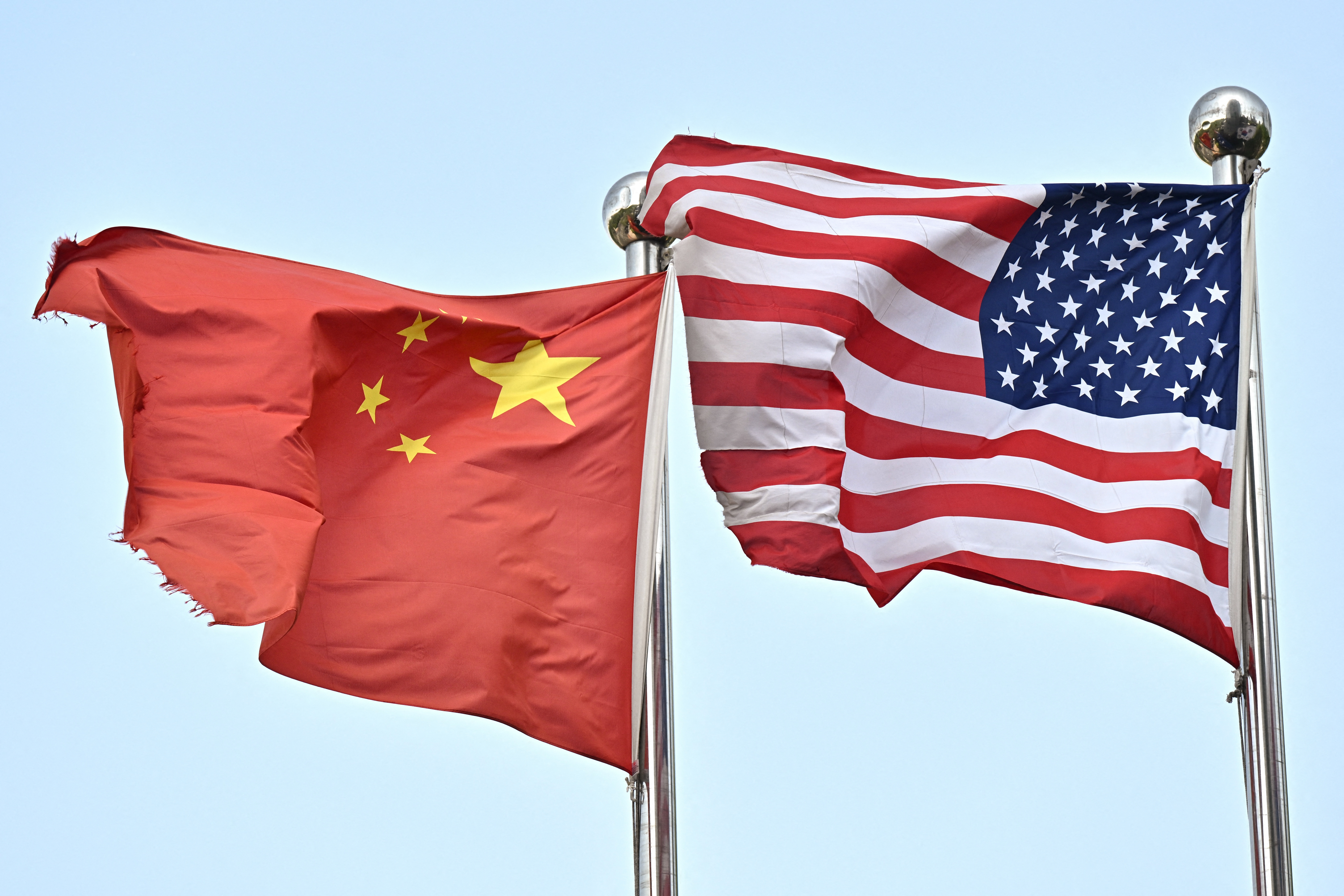
Hackers linked to China have reportedly breached the email systems used by congressional staff who sit on committees in the U.S. House of Representatives.
The hackers accessed emails for staffers on the China, foreign affairs, intelligence, and armed services committees, according to a new Financial Times report.
It’s not yet clear if the contents of the emails themselves were read.
The intrusions, part of the long-running “Salt Typhoon” espionage campaign orchestrated by China’s intelligence service, were discovered in December.
Salt Typhoon broke into mainstream consciousness after it was discovered that hackers had breached major U.S. telecommunications networks—and specifically Americans’ unencrypted phone calls, texts, and voicemails.
The campaign was also blamed for a series of intercepted calls with senior U.S. government officials. (A similar campaign, called Volt Typhoon, is responsible for breaches to U.S. energy, transportation, and communications systems.)
China roundly rejected the latest allegations, calling them “unfounded speculation,” “slander” and “disinformation.”
The U.S. has threatened sanctions on China over Salt Typhoon but hasn’t gone through with them in the wake of a Trump-Xi summit in October. —AN
Palmer Luckey embraces a Trump defense industry crackdown
While some companies and analysts fret about U.S. President Donald Trump’s threat to crack down on the defense industry, the founder of a $30 billion defense tech company has emerged as an unlikely supporter of his massive overhaul.
Palmer Luckey, who founded Anduril in 2017, came out in support of Trump’s policies even as he noted that some changes “might not necessarily help the defense space.”
“I think it’s even good maybe to scare people sometimes,” Luckey said in an interview with Bloomberg TV.
The reforms, which the White House outlined in a Wednesday executive order, cap defense company CEO’s salaries at $5 million annually until certain conditions are met.
As of around 2021 Luckey, who is not the CEO of Anduril, reportedly earned $10.9 million in compensation from the company, TechCrunch reported.
The CEOs of major defense contractors RTX Corp (formerly Raytheon) and Lockheed Martin made $18 million and $23 million, respectively, in annual compensation as of 2024.
Luckey compared Trump’s defense reforms to “grounding” a teenager and noted they were positive as a temporary measure to help improve the sector’s performance overall.
“I think when you are on the dole, and effectively run on the public’s wallet, the public should be able to impose whatever restrictions they want on you,” Luckey told Bloomberg. —Marco Quiroz-Gutierrez
Internet connectivity in Iran falters amid protests
A nationwide internet blackout took Iran offline on Thursday, according to several internet monitoring groups.
Internet connectivity data abruptly and almost completely dropped Thursday afternoon amid protests in dozens of cities across the country over the state of the Iranian economy.
There’s not yet a clear entity responsible for the outage, but government officials in the Islamic Republic have previously cut internet service during periods of social unrest, e.g. during the brief war with Israel last year. (The justification at the time: national security.)
NetBlocks, one such monitoring group, noted that the blackout would “severely limit coverage of events on the ground as protests spread.”
Mahshid Hosseini, a London-based journalist with BBC News, added that when there were protests and an internet blackout in Iran in 2019, “government forces killed hundreds of protesters in less than a week.” Estimates of the death toll still vary. —AN
More tech
—Strava reportedly files for IPO. Revenue is up, albeit from a small base.
—Ro Khanna under fire. Wealthy Californians are reportedly mobilizing to oust the Congressman, who supports a wealth tax.
—CrowdStrike acquires SGNL. The identity management startup is valued at $740 million.
—EU rules overhaul excludes Big Tech. Large U.S. firms will reportedly be spared from the worst of its Digital Networks Act tweaks.
—Roku’s Anthony Wood predicts a “100% AI-generated hit movie” in the next three years.
—ThreatModeler acquires IriusRisk. The Invictus-backed cybersecurity company plunks down more than $100 million for its rival.
—Samsung Ballie, we hardly knew ye.