Good morning. There’s been a recurring theme to some of the AI conversations I’ve had this week: using the technology to find things in sprawling corporations.
For all that agentic AI promises for the future, several executives told me that the real value right now is in locating assets—documents, devices, intellectual property, et cetera—within companies.
That alone is tangible ROI, they said. We need not be distracted by more elaborate use cases.
Agree? LMK. Today’s tech news below. —Andrew Nusca
Want to send thoughts or suggestions to Fortune Tech? Drop a line here.
China reportedly tells tech firms to pause Nvidia H200 orders
Chinese officials have reportedly asked some of their local tech companies to halt orders for Nvidia’s H200 AI chips.
The move foreshadows a mandate on purchasing domestic AI silicon, according to a report from The Information.
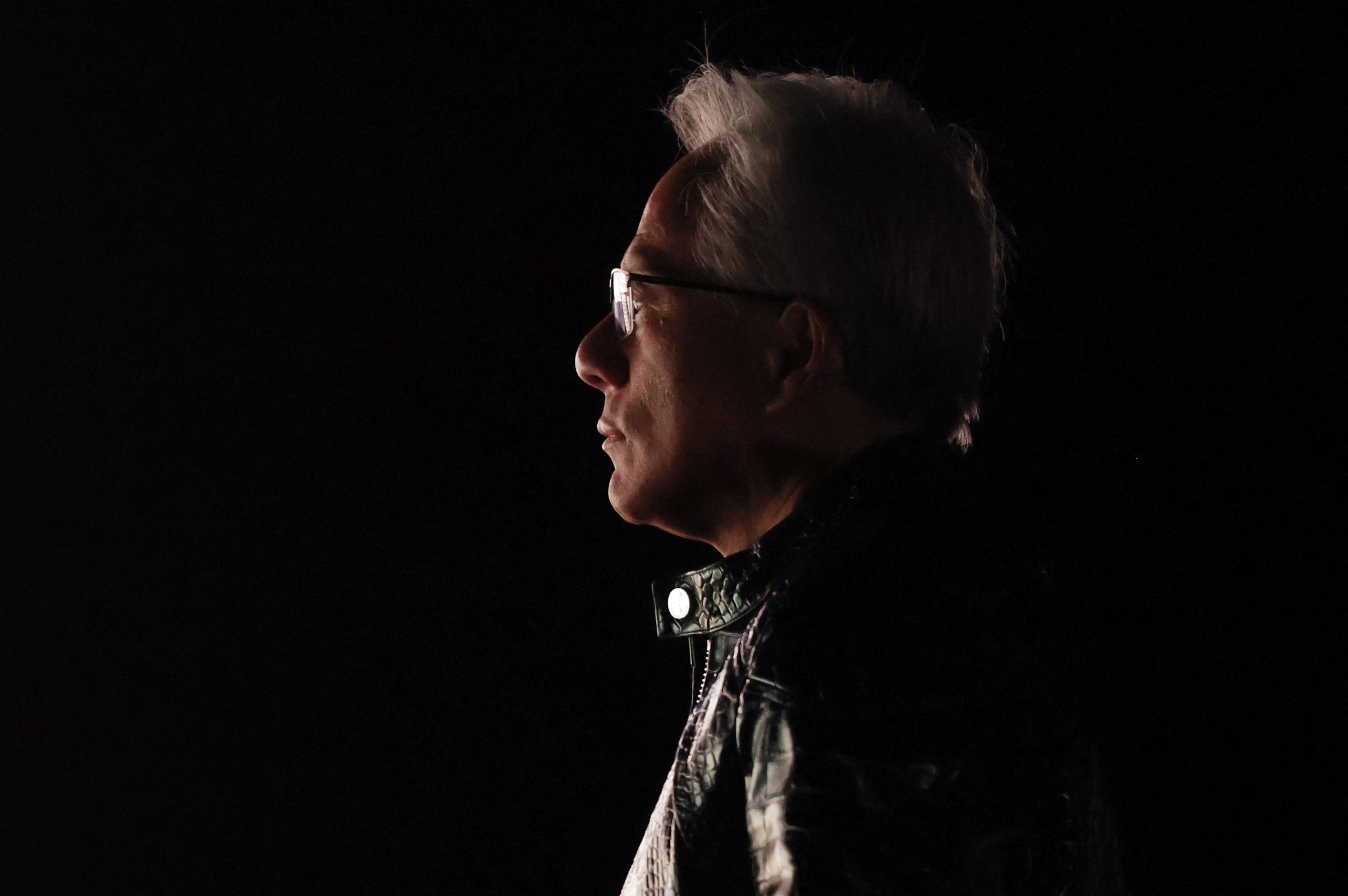
That places Jensen Huang-led Nvidia right back into the simmering trade war-turned-AI arms race between China and the U.S.
For a time, it seemed like there would be a brief reprieve. As tit-for-tat tariffs spiraled, both countries eased their rhetoric in a bid to avoid wanton economic destruction.
But there’s talk and then there’s walk.
Even as the U.S. allowed more industry-leading, U.S.-made AI chips into China, Beijing has moved to discourage domestic tech firms from using them in favor of homegrown alternatives.
Nvidia’s H200 (H is for “Hopper,” as in the computer scientist Grace) is considered to be a generation behind Nvidia’s flagship B200 “Blackwell” AI chips. This week, Nvidia shared more details about the forthcoming “Rubin” generation that will replace Blackwell.
At a press conference at the CES trade show in Las Vegas this week, Nvidia’s chief said Chinese demand for H200 chips was “very high,” and that purchase orders implied approval from Beijing.
“We’ve fired up our supply chain,” Huang said, “and H200s are flowing through the line.” —AN
Samsung expects memory shortages to raise electronics prices
Samsung Electronics said Wednesday that it expects memory chip supply shortages to raise prices across the electronics industry—including its own products.
But don’t just take Samsung’s word for it. In addition to being a top purveyor of smartphones, laptops, and other consumer electronics, the South Korean tech titan happens to be the world’s largest memory maker.
“We’re going to be at a point where we have to actually consider repricing our products,” a Samsung executive told Bloomberg at the CES trade show in Las Vegas.
Supply is only one side of the equation. Demand for memory chips has also been surging as the AI data center buildout consumes much of the high-bandwidth memory on the market.
That’s been good news for the profit margins of memory makers like Samsung and SK Hynix, but a crimp on the industry’s growth prospects.
Consumer tech giants including Dell and Xiaomi have already warned their customers about price increases. Some, like Lenovo, have stockpiled memory at today’s prices.
It’s a smart move: Most industry analysis says the price crunch will get worse before it gets better. —AN
Warner Bros rejects Paramount…again
Warner Bros. Discovery’s board of directors has again unanimously recommended that stockholders reject the revised offer from Paramount Skydance and stick with a binding deal with Netflix.
“Paramount’s offer continues to provide insufficient value, including terms such as an extraordinary amount of debt financing that create risks to close and lack of protections for our shareholders if a transaction is not completed,” said chair Samuel A. Di Piazza, Jr.
Since Netflix stunned Hollywood in early December by emerging as the winning bidder in the Warner auction, Paramount has put up a bitter fight—yet neither party has raised the value of its offer.
Under terms announced December 5, Netflix will acquire Warner Bros., including its film and television studios, HBO Max and HBO, in a cash-and-stock transaction valued at about $82.7 billion.
The deal preserves WBD’s separation of Discovery Global, planned for the third quarter of 2026.
Meanwhile Paramount’s bid is worth about $108 billion for all of WBD. The big change to its original offer involved a personal guarantee from Larry Ellison, father of Paramount owner David Ellison.
Paramount’s bid features a consortium of Middle Eastern investors, which the WBD board reportedly views as riskier than Netflix’s offer. —Nick Lichtenberg
More tech
—California’s proposed wealth tax. Larry Page exits the state; Jensen Huang doesn’t.
—Cambodian scam king extradited to China. The U.S. accused the Prince Group’s Chen Zhi of wire fraud and money laundering.
—Roblox rolls out age verification globally. It’s required to access the chat function.
—Nike reportedly sells RTFKT. The apparel giant finally exits the NFT business.
—Motorola debuts Razr Fold. It will include support for a stylus.
—Fireblocks acquires TRES Finance. The blockchain infrastructure company scoops up a crypto accounting firm.
—Discord reportedly files for U.S. IPO. The communication service rejected a $12 billion Microsoft offer in 2021.