Carl Erik Rinsch had already burned through more than $44 million of Netflix’s money when the streaming giant wired him an additional $11 million in March 2020 to finish a sci-fi series called “White Horse.” But according to the federal indictment, the show was never completed. And not a single episode aired.
Instead, federal prosecutors say Rinsch diverted nearly all those funds into personal brokerage accounts, lost half of it on speculative stock trades, made it back through cryptocurrency, and then went on a massive shopping spree that included five Rolls-Royces, one Ferrari, and two handcrafted Swedish mattresses that together cost $638,000.
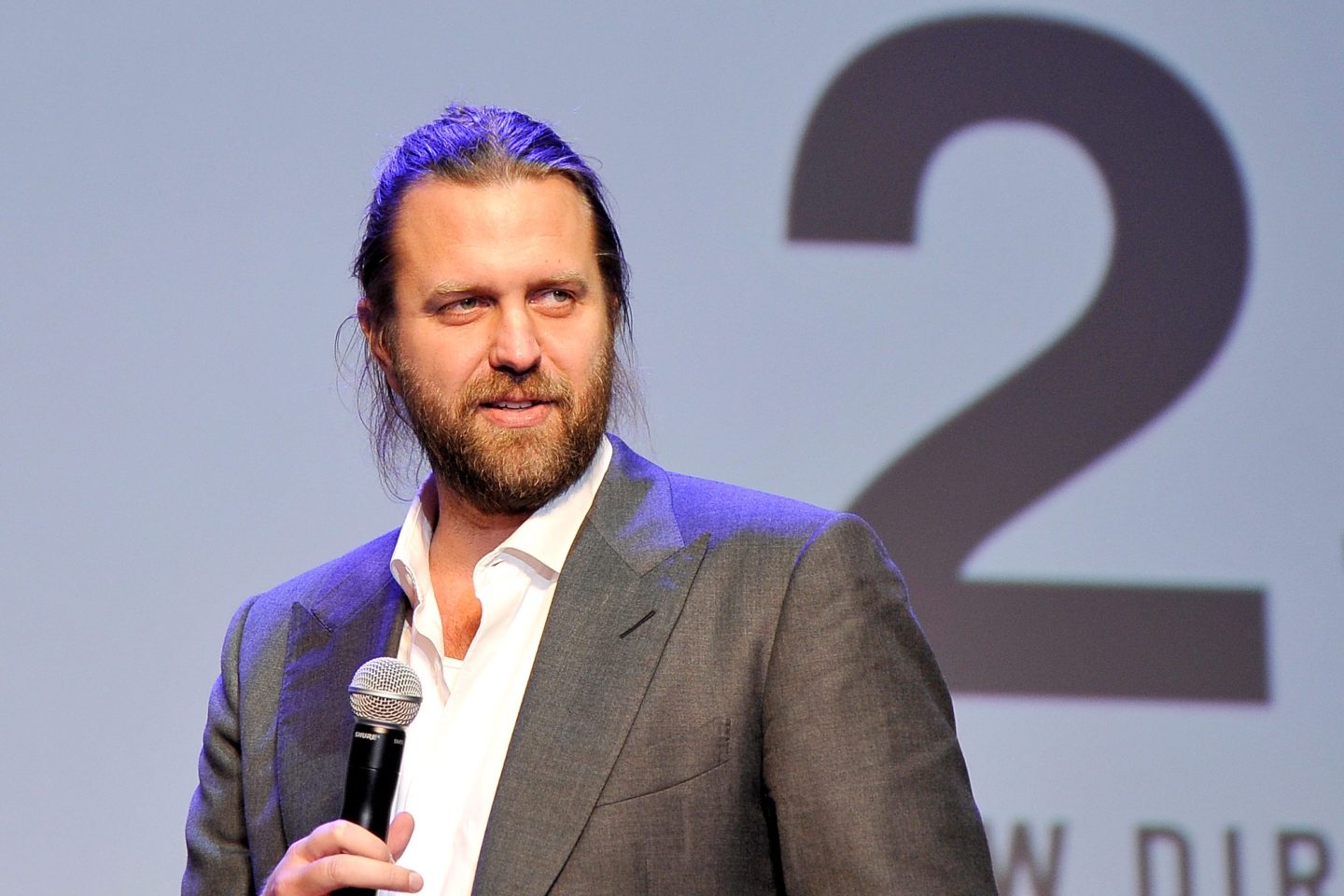
Rinsch, 48, attended his trial in a Manhattan federal courtroom early Tuesday, facing charges of wire fraud, money laundering, and unlawful monetary transactions that carry a combined maximum penalty of 90 years in prison. He has pleaded not guilty and declined to discuss a plea deal. His lead attorney, Daniel Adam McGuinness, did not immediately respond to Fortune‘s request for comment, but he previously told Business Insider, “Mr. Rinsch is looking forward to the opportunity to show that these charges are not founded and that he’s completely innocent.”
The ‘White Horse’ that never was
In 2018, Netflix outbid Amazon, HBO, Apple, and others to secure “White Horse”—later renamed “Conquest”—a dystopian thriller about an artificial humanlike species. Actor Keanu Reeves, who had starred in Rinsch’s only feature film, the 2013 box-office bomb “47 Ronin,” served as an early investor and mentor on the project. According to The New York Times, Netflix agreed to pay $61.2 million for rights to the series, and it also granted Rinsch something it had only previously given a handful of directors: final cut. In other words, he’d have the last word on the version of his show that would air.
But production hit problems almost immediately. Rinsch exceeded budgets during shoots in Brazil, Uruguay, and Hungary, and by December 2019, filming had stalled with no episodes completed. Netflix executives agreed to provide the additional $11 million in hopes of salvaging the project, according to court documents.
Instead, prosecutors allege, Rinsch transferred almost all of the $11 million into his personal brokerage account within weeks of receiving it, losing more than half through speculative options trades on a biopharmaceutical company and an S&P 500 ETF—all while telling then-Netflix executive CIndy Holland the project was going “awesome” and “game changing good.” He later invested the remaining funds in cryptocurrency and generated roughly $10 million in gains, which prosecutors say he spent on luxury goods, credit card debt, divorce attorneys, and legal fees incurred in suing Netflix for additional payments.
Rinsch notably paid for two mattresses—one $439,900 Hästens “Grand Vividus” mattress in black and one $210,400 “Vividus” mattress in white, two of the most expensive mattresses in the world, both custom-made in Sweden—but he later claimed the beds were intended as props for a second season that Netflix had never ordered.
’A state of psychosis’
Rinsch’s defense has signaled it may argue that his mental state rendered him incapable of forming the intent required for fraud. Court filings indicate his lawyers plan to call psychiatrist Dr. John Mariani, who is expected to testify that Rinsch was in a “state of psychosis” during the relevant period, potentially exacerbated by prescription stimulants and the COVID-19 pandemic. The defense, however, has stated it is “not making any argument or submitting any evidence that Mr. Rinsch was or is insane.”
Netflix has already won an $11.8 million civil arbitration award against Rinsch, who is now described by his public defenders as “indigent” and “unemployed.” The trial before U.S. District Judge Jed Rakoff is expected to last two weeks and feature testimony from former Netflix executives, including Cindy Holland, who initially acquired the project when she served as vice president of original content. Holland has since been hired by Paramount as the legacy studio moves to reshape itself into a streaming-era competitor to Netflix, with both reportedly bidding for Warner Brothers Discovery.
For this story, Fortune used generative AI to help with an initial draft. An editor verified the accuracy of the information before publishing.