• Home
  • Latest
  • Fortune 500
  • Finance
  • Tech
  • Leadership
  • Lifestyle
  • Rankings
  • Multimedia
CommentaryIPOs

The public company isn’t dead, it’s misunderstood

By
Sarah Keohane Williamson
Down Arrow Button Icon
By
Sarah Keohane Williamson
Down Arrow Button Icon
October 7, 2025, 9:00 AM ET
Sarah Keohane Williamson
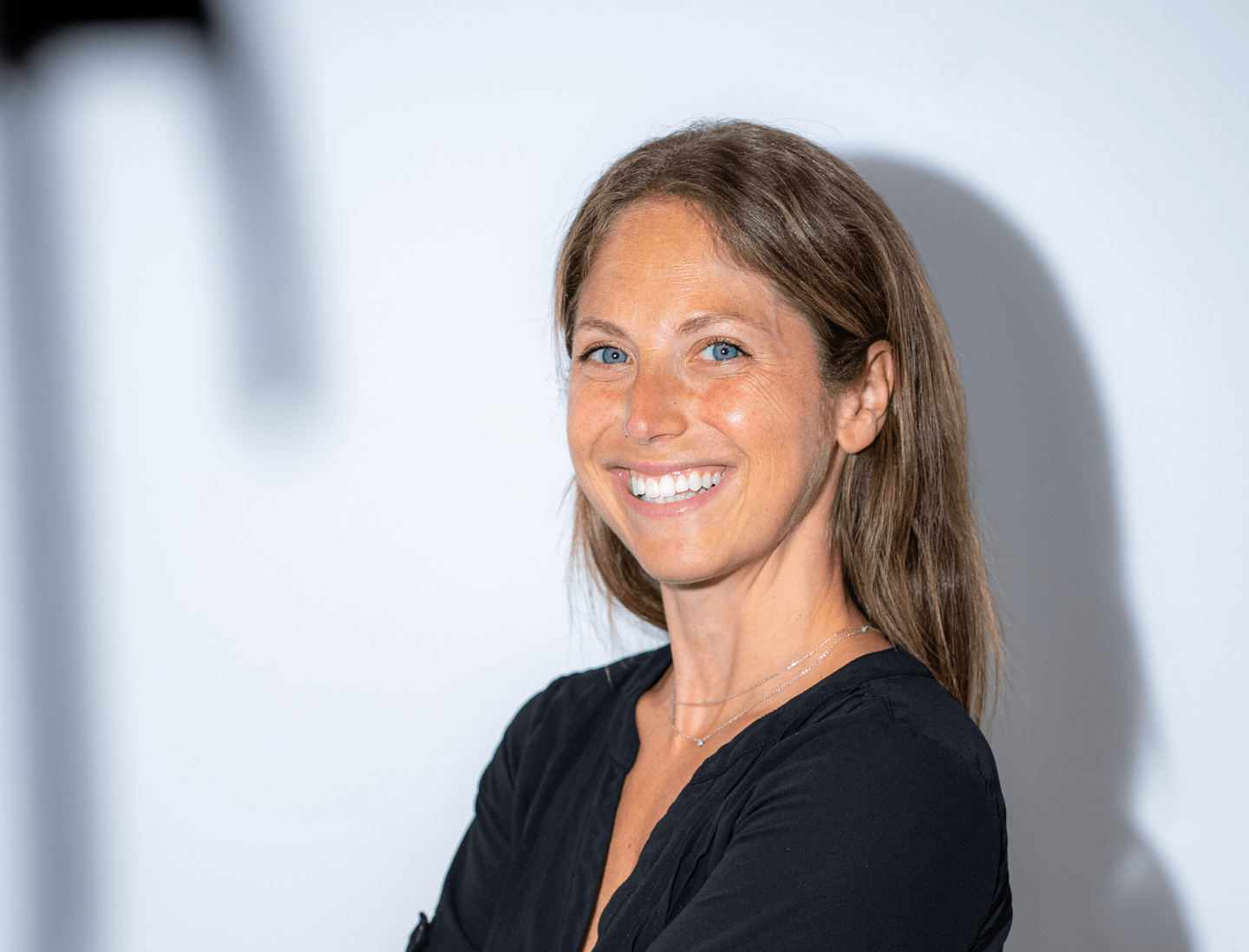
Sarah Keohane Williamson is the Chief Executive Officer of FCLTGlobal.courtesy of FCLTGlobal

Record levels of private capital and the recent and rapid rise of VC-funded unicorns suggest to some that public markets are a thing of the past, a holdover from the capitalism of yesteryear. Financial news of the past two decades is littered with stories of companies delaying IPOs and growing despite it — Meta, Uber, Airbnb and the like. Some still remain private, most notably Elon Musk’s SpaceX. If they can find success without going public, why should anyone else?

Recommended Video

Take the example of Klarna — a 20-year-old company — which recently had a successful IPO on the NYSE, with a nice pop on its first day.

Why would a company like Klarna choose to go public? Public companies have to deal with public investors, follow specific rules on governance, and disclose extensive information. Klarna had no trouble accessing private capital in the past. Surely some of their original backers were looking for liquidity, but there is plenty of private liquidity around if that is all they need.

Many companies have decided that the private markets are a better place to be. Over the last couple of decades, the number of listed companies and new IPOs in developed markets has dropped dramatically. The rigor and scrutiny of being publicly traded, and the perceived pressures that come with opening up the shareholder roll, are burdens many companies would prefer to avoid.

So why go public? The answer is that there are great benefits to being a listed company in a deep, global market. While there are plenty of capital options besides going public, public markets help companies grow up. That discipline and credibility, as well as the opportunity for founders, employees, and investors to benefit from the value created, still make public markets the destination of choice.

And while listings did indeed drop over the past 30 or so years, in that same timeframe, global public market capitalization rose to over $90 trillion, or about 112% of global GDP. Public markets aren’t dead — they’re just misunderstood. The idea that companies must choose between the quarterly spin cycle and the refuge of private markets is a myth. With the right strategy and the right investors, public companies still deliver superior long-term value.

Avoid the short-term cycle

It’s true, public companies spend a lot of time on the quarter — hitting or missing targets, talking to the Street, etc. But the reality is that providing estimates of your next quarter’s earnings only encourages traders to make short-term bets and increases the volatility of your stock price. It’s a habit, not a requirement.

The best companies recognize that such a myopic focus on the quarterly cycle is a distraction from building a great business. To avoid it, most companies don’t issue quarterly earnings guidance anymore; by 2024, only 21% of S&P 500 companies were still doing so, down from 36% in 2010.

Attract the right shareholders

Public companies have plenty of opportunities to talk to the investment community. But “investors” are not a monolith, something many CEOs find out too late. They have different horizons and incentives; some are seeking durable returns over decades, while others are simply looking for alpha. This is not criticism. It’s reality.

But evidence shows that an increase in short-term, transient investors is associated with cuts to long-term investments (R&D, marketing, etc.) in order to increase short-term earnings, leading to temporary boosts in equity valuations that reverse over time. While CEOs can’t bar investors from buying stock in the public markets, they can have an investor strategy that tries to attract the best long-term investors by understanding their time frames and incentives.

Companies that find success in this regard employ several key tactics: they engage consistently with large shareholders throughout the year (rather than limiting interactions to AGM seasons). They deploy CEO and board-level leadership for key shareholder meetings and, importantly, align IR professional incentives with long-term shareholder success metrics rather than short-term sell-side ratings. This comprehensive approach reduces an emphasis on 90-day cycles, creates deeper shareholder support, and unlocks mutual value for both investors and public companies.

To be sure, there are advantages to staying private for companies in certain circumstances. But public markets remain an unmatched source of capital, credibility, and the opportunity to scale. It’s time to stop viewing them as a necessary evil and instead as a strategic asset — as long as companies can navigate them with intent and with the right strategies in place.

Public companies aren’t dying, but CEOs who don’t adapt their investor strategy will.

The opinions expressed in Fortune.com commentary pieces are solely the views of their authors and do not necessarily reflect the opinions and beliefs of Fortune.

Join us at the Fortune Workplace Innovation Summit May 19–20, 2026, in Atlanta. The next era of workplace innovation is here—and the old playbook is being rewritten. At this exclusive, high-energy event, the world’s most innovative leaders will convene to explore how AI, humanity, and strategy converge to redefine, again, the future of work. Register now.
About the Author
By Sarah Keohane Williamson
See full bioRight Arrow Button Icon

Latest in Commentary

Finance
Lorem ipsum dolor sit amet, consectetur adipiscing elit, sed do eiusmod tempor incididunt ut labore et dolore magna aliqua. Ut enim ad minim veniam
By Fortune Editors
October 20, 2025
Finance
Lorem ipsum dolor sit amet, consectetur adipiscing elit, sed do eiusmod tempor incididunt ut labore et dolore magna aliqua. Ut enim ad minim veniam
By Fortune Editors
October 20, 2025
Finance
Lorem ipsum dolor sit amet, consectetur adipiscing elit, sed do eiusmod tempor incididunt ut labore et dolore magna aliqua. Ut enim ad minim veniam
By Fortune Editors
October 20, 2025
Finance
Lorem ipsum dolor sit amet, consectetur adipiscing elit, sed do eiusmod tempor incididunt ut labore et dolore magna aliqua. Ut enim ad minim veniam
By Fortune Editors
October 20, 2025
Finance
Lorem ipsum dolor sit amet, consectetur adipiscing elit, sed do eiusmod tempor incididunt ut labore et dolore magna aliqua. Ut enim ad minim veniam
By Fortune Editors
October 20, 2025
Finance
Lorem ipsum dolor sit amet, consectetur adipiscing elit, sed do eiusmod tempor incididunt ut labore et dolore magna aliqua. Ut enim ad minim veniam
By Fortune Editors
October 20, 2025

Most Popular

Finance
Lorem ipsum dolor sit amet, consectetur adipiscing elit, sed do eiusmod tempor incididunt ut labore et dolore magna aliqua. Ut enim ad minim veniam
By Fortune Editors
October 20, 2025
Finance
Lorem ipsum dolor sit amet, consectetur adipiscing elit, sed do eiusmod tempor incididunt ut labore et dolore magna aliqua. Ut enim ad minim veniam
By Fortune Editors
October 20, 2025
Finance
Lorem ipsum dolor sit amet, consectetur adipiscing elit, sed do eiusmod tempor incididunt ut labore et dolore magna aliqua. Ut enim ad minim veniam
By Fortune Editors
October 20, 2025
Finance
Lorem ipsum dolor sit amet, consectetur adipiscing elit, sed do eiusmod tempor incididunt ut labore et dolore magna aliqua. Ut enim ad minim veniam
By Fortune Editors
October 20, 2025
Finance
Lorem ipsum dolor sit amet, consectetur adipiscing elit, sed do eiusmod tempor incididunt ut labore et dolore magna aliqua. Ut enim ad minim veniam
By Fortune Editors
October 20, 2025
Finance
Lorem ipsum dolor sit amet, consectetur adipiscing elit, sed do eiusmod tempor incididunt ut labore et dolore magna aliqua. Ut enim ad minim veniam
By Fortune Editors
October 20, 2025
Rankings
  • 100 Best Companies
  • Fortune 500
  • Global 500
  • Fortune 500 Europe
  • Most Powerful Women
  • Future 50
  • World’s Most Admired Companies
  • See All Rankings
Sections
  • Finance
  • Leadership
  • Success
  • Tech
  • Asia
  • Europe
  • Environment
  • Fortune Crypto
  • Health
  • Retail
  • Lifestyle
  • Politics
  • Newsletters
  • Magazine
  • Features
  • Commentary
  • Mpw
  • CEO Initiative
  • Conferences
  • Personal Finance
  • Education
Customer Support
  • Frequently Asked Questions
  • Customer Service Portal
  • Privacy Policy
  • Terms Of Use
  • Single Issues For Purchase
  • International Print
Commercial Services
  • Advertising
  • Fortune Brand Studio
  • Fortune Analytics
  • Fortune Conferences
  • Business Development
About Us
  • About Us
  • Editorial Calendar
  • Press Center
  • Work At Fortune
  • Diversity And Inclusion
  • Terms And Conditions
  • Site Map
  • Facebook icon
  • Twitter icon
  • LinkedIn icon
  • Instagram icon
  • Pinterest icon

Sarah Keohane Williamson is the Chief Executive Officer of FCLTGlobal, a non-profit research organization whose mission is to focus capital on the long term to support a sustainable and prosperous economy. Under her leadership, FCLTGlobal develops innovative, practical research and builds a global community of CEOs focused on solving long-term challenges across the investment value chain. She is the author of "The CEO’s Guide to the Investment Galaxy."

© 2026 Fortune Media IP Limited. All Rights Reserved. Use of this site constitutes acceptance of our Terms of Use and Privacy Policy | CA Notice at Collection and Privacy Notice | Do Not Sell/Share My Personal Information
FORTUNE is a trademark of Fortune Media IP Limited, registered in the U.S. and other countries. FORTUNE may receive compensation for some links to products and services on this website. Offers may be subject to change without notice.


Most Popular

placeholder alt text
C-Suite
OpenAI’s Sam Altman says his highly disciplined daily routine has ‘fallen to crap’—and now unwinds on weekends at a ranch with no cell phone service
By Jacqueline MunisFebruary 5, 2026
1 day ago
placeholder alt text
Success
After decades in the music industry, Pharrell Williams admits he never stops working: ‘If you do what you love everyday, you’ll get paid for free'
By Emma BurleighFebruary 3, 2026
3 days ago
placeholder alt text
Investing
Ray Dalio warns the world is ‘on the brink’ of a capital war of weaponizing money—and gold is the best way for people to protect themselves
By Sasha RogelbergFebruary 4, 2026
2 days ago
placeholder alt text
Economy
Trump is giving the U.S. economy a $65 billion tax-refund shot in the arm, mostly for higher-income people, BofA says
By Nick LichtenbergFebruary 5, 2026
1 day ago
placeholder alt text
Politics
Peter Thiel warns the Antichrist and apocalypse are linked to the ‘end of modernity’ currently happening—and cites Greta Thunberg as a driving example
By Nick LichtenbergFebruary 4, 2026
2 days ago
placeholder alt text
Investing
Tech stocks go into free fall as it dawns on traders that AI has the ability to cut revenues across the board
By Jim EdwardsFebruary 4, 2026
2 days ago

Latest in Commentary

johnsson
Commentaryvaluations
When the music stops: the unravelling of AI companies’ flawed valuations
By Mikael JohnssonFebruary 6, 2026
9 hours ago
desantis
CommentaryLeadership
Understanding corporate leaders’ muted Minnesota response: the example of Disney, Florida and conservative retaliation
By Alessandro Piazza and The ConversationFebruary 5, 2026
1 day ago
grace
CommentaryRobotics
I’m a 25-year-old founder who loves robots but too many humanoids are militant and creepy-looking. Things need to change—just look at Elon Musk
By Grace BrownFebruary 5, 2026
1 day ago
sam wolf
Commentaryactivist investing
Activist investors are more dangerous to CEOs than ever. Here are 3 ways to safeguard your leadership
By Sam WolfFebruary 5, 2026
1 day ago
warsh
CommentaryFederal Reserve
Kevin Warsh’s Fed criticisms make sense, but he’s got a ‘cleanest dirty shirt’ problem. Here’s the triple dilemma he faces
By Daniel J. ArbessFebruary 5, 2026
1 day ago
disney
CommentaryDisney
Disney’s new D’Amaro-land:  a dream team succession saga comes to life
By Jeffrey Sonnenfeld and Stephen HenriquesFebruary 4, 2026
2 days ago