• Home
  • Latest
  • Fortune 500
  • Finance
  • Tech
  • Leadership
  • Lifestyle
  • Rankings
  • Multimedia
New Energy

3 questions for Obama’s fight against climate change

By
Ted Gayer
Ted Gayer
Down Arrow Button Icon
By
Ted Gayer
Ted Gayer
Down Arrow Button Icon
June 16, 2014, 11:26 AM ET
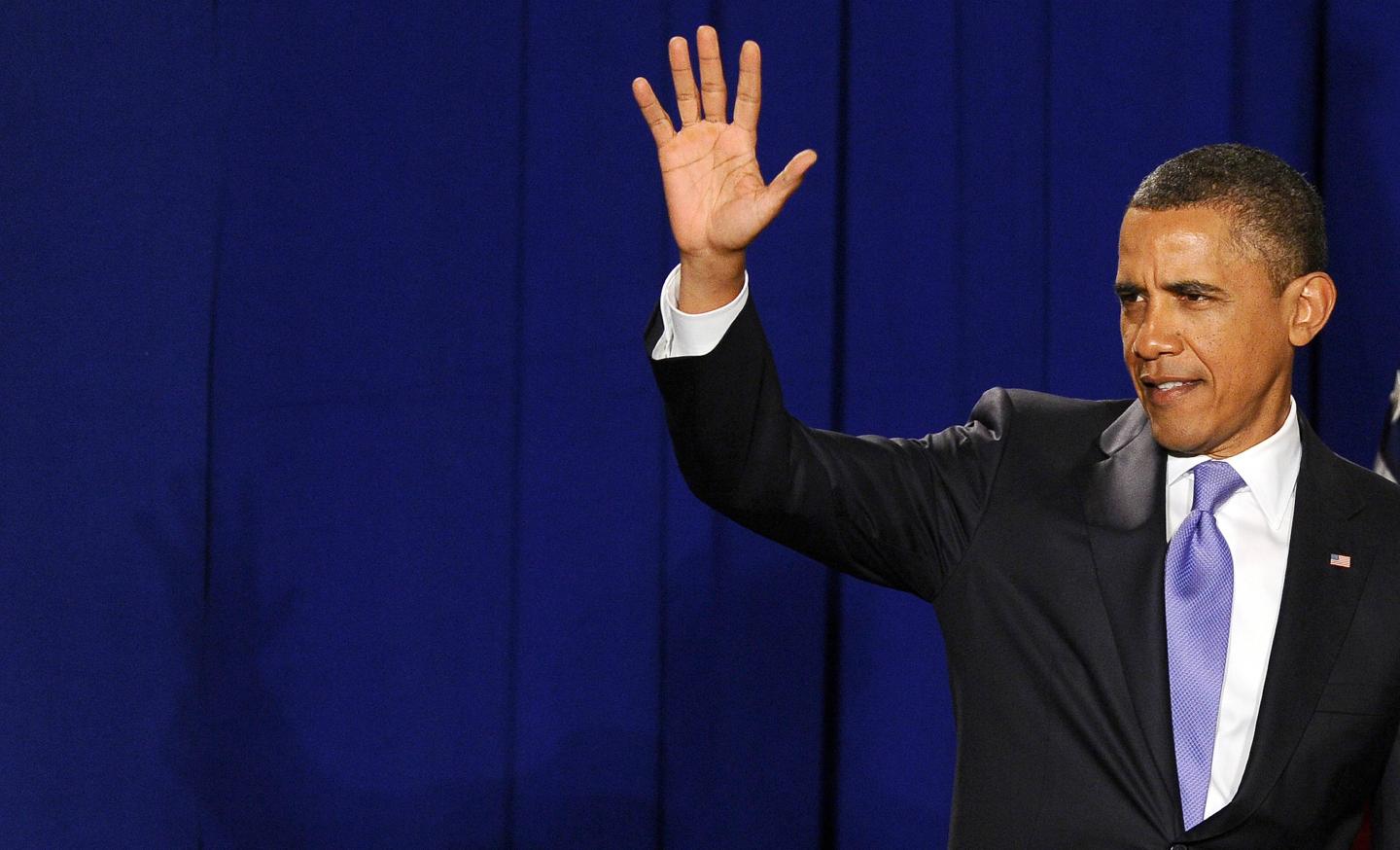
JEWEL SAMAD/AFP—Getty Images

The Obama administration recently announced a proposed rule for reducing emissions from existing power plants. The goal is to reduce carbon dioxide emissions by about 30% compared to 2005 levels. If we look at today’s levels, this amounts to about a 15% reduction in power plant emissions and about a 5% reduction of total US carbon dioxide emissions.

A comprehensive, market-based system for reducing emissions, such as a nationwide carbon tax, would be more cost-effective than a sector-specific approach that relies on the regulatory mechanisms of the existing Clean Air Act that sets different goals across states. Nonetheless, given that the U.S. Environmental Protection Agency is working under the constraints of the Clean Air Act, its proposal does a good job of providing compliance flexibility, which is the key to containing costs. (As a separate matter, as described in a recent working paper I co-authored with W. Kip Viscusi of Vanderbilt University, I take some issue with the EPA’s computation of the benefits that stem from this rule, which breaks from traditional methodological practice by including the benefits to the entire world for a rule in which costs are borne domestically.)

We are still a long way from this proposed rule becoming final (and withstanding legal challenges), but here are some initial questions and comments regarding the degree of flexibility contained in the proposal:

Will states have flexibility over time?

The proposal sets state-specific emission goals “which represent emission rates to be achieved by 2030 … and emission rates to be achieved on average over the 2020-2029 period (the interim goal).”  This suggests that there is across-time flexibility in meeting the pre-2030 limits, meaning a state can do more to comply with regulations in the early years and then do less in the later years (or vice versa), so long as the average is met.

By providing such temporal flexibility, the proposal reduces overall costs, with no long-term impact on the environment. Unfortunately, the proposal does seem more rigid about compliance in 2030 and thereafter. Each state must meet the annual limit for 2030, although there is some averaging allowed for narrow three-year periods for later years. Limiting the across-time flexibility increases the overall compliance cost, for example by not allowing banking and borrowing of allowances in a cap-and-trade system that a state wishes to join. It could be that the EPA worried about states adopting a cap-and-trade system in which power plants perpetually borrow allowances (i.e., under-comply each year, with the promise of over-complying in some indefinite future year), but this is easily addressable by applying a discount rate to any borrowed allowances.

How will emissions reductions be measured?

The proposal sets state-specific emission rate limits, but also allows states to instead adopt a mass-based emissions goal (the EPA provides a method for translating from a rate-based goal to a mass-based goal). A rate measures carbon dioxide emissions per unit of output, whereas mass measures the total amount of emissions. There may be a legal reason for providing both options, but I think just offering a mass-based goal is preferable. First, it is the level of emissions that determines whether we are meeting our environmental goals. Second, relying on an emissions rate limit adds considerable complications (which is why the EPA talks about “adjusted output-weighted-average pounds” per output rather than a simple emissions per output calculation). There is an entire technical document devoted to this conversion from rates to mass, which entails making assumptions on such things as electricity load projections, fuel supply and pricing, as well as the timing of state “actions” that impact emissions performance.

Take for instance, the question of a state adopting energy efficiency standards in order to reduce power plant emissions, as is allowed by the proposed rule. It is not clear how such demand-side standards would impact power plant emission rates. The proposal therefore puts the EPA in the position of devising a complicated method of adjusting the emission rate limits depending on different types of energy efficiency standards implemented by the states. A mass-based standard would not require any such adjustments. If the demand-side standards work, then emissions go down, helping the state achieve compliance. No adjustments needed. (It’s also unclear from the proposal whether the state can toggle between an emission rate limit and an emission mass limit from year-to-year, which could introduce a problem of states gaming the system.)

Given the complication of translating the state emission-rate limits to mass limits, it is unclear whether the existing regional cap-and-trade programs (such as the Regional Greenhouse Gas Initiative) are on track toward achieving compliance for the 2020-2029 requirements and the 2030 requirements, and if not, how much they would need to tighten their cap on emission allowances in order to be in compliance. Again, a mass based standard would make this a trivial and transparent calculation.

Can states adopt a carbon tax? 

A carbon tax and a cap-and-trade system both put a price on emissions, and both result in a cost-effective means of reducing pollution. Nonetheless, as I’ve written before, I believe that a carbon tax is preferable. While the phrase “cap-and-trade” seems politically verboten ever since the failed attempt by Congress to adopt such a system, the EPA proposal does explicitly refer to “allowance-trading programs” (which is synonymous with cap-and-trade) as an acceptable means for states to achieve the limits prescribed by the EPA. In another bow to politics, the proposal never mentions the possibility of states adopting a carbon tax to achieve the prescribed limits. Presumably, this is allowed, given that the proposal explicitly says that, “it does not prescribe how a state should meet its goal.” But any state proposal needs to be approved by the EPA, so it would have been nice if EPA included a carbon tax as an acceptable option for compliance.

The most cost-effective means of reducing carbon dioxide emissions is through a comprehensive, nationwide carbon tax. But such an approach requires new legislation, which is not forthcoming (to say the least). To its credit, working under the restrictive confines of the existing Clean Air Act, the EPA’s recent proposal provides a surprising degree of flexibility to the states. Whether the final rule maintains this flexibility (or, one hopes, increases the cost-effective options), and whether the rule survives challenges in the courts and in state legislations, remains to be seen.

Gayer is Vice President and Director of Economic Studies at the Brookings Institution, where he is the Joseph A. Pechman Senior Fellow.

About the Author
By Ted Gayer
See full bioRight Arrow Button Icon

Latest in

Finance
Lorem ipsum dolor sit amet, consectetur adipiscing elit, sed do eiusmod tempor incididunt ut labore et dolore magna aliqua. Ut enim ad minim veniam
By Fortune Editors
October 20, 2025
Finance
Lorem ipsum dolor sit amet, consectetur adipiscing elit, sed do eiusmod tempor incididunt ut labore et dolore magna aliqua. Ut enim ad minim veniam
By Fortune Editors
October 20, 2025
Finance
Lorem ipsum dolor sit amet, consectetur adipiscing elit, sed do eiusmod tempor incididunt ut labore et dolore magna aliqua. Ut enim ad minim veniam
By Fortune Editors
October 20, 2025
Finance
Lorem ipsum dolor sit amet, consectetur adipiscing elit, sed do eiusmod tempor incididunt ut labore et dolore magna aliqua. Ut enim ad minim veniam
By Fortune Editors
October 20, 2025
Finance
Lorem ipsum dolor sit amet, consectetur adipiscing elit, sed do eiusmod tempor incididunt ut labore et dolore magna aliqua. Ut enim ad minim veniam
By Fortune Editors
October 20, 2025
Finance
Lorem ipsum dolor sit amet, consectetur adipiscing elit, sed do eiusmod tempor incididunt ut labore et dolore magna aliqua. Ut enim ad minim veniam
By Fortune Editors
October 20, 2025

Most Popular

Finance
Lorem ipsum dolor sit amet, consectetur adipiscing elit, sed do eiusmod tempor incididunt ut labore et dolore magna aliqua. Ut enim ad minim veniam
By Fortune Editors
October 20, 2025
Finance
Lorem ipsum dolor sit amet, consectetur adipiscing elit, sed do eiusmod tempor incididunt ut labore et dolore magna aliqua. Ut enim ad minim veniam
By Fortune Editors
October 20, 2025
Finance
Lorem ipsum dolor sit amet, consectetur adipiscing elit, sed do eiusmod tempor incididunt ut labore et dolore magna aliqua. Ut enim ad minim veniam
By Fortune Editors
October 20, 2025
Finance
Lorem ipsum dolor sit amet, consectetur adipiscing elit, sed do eiusmod tempor incididunt ut labore et dolore magna aliqua. Ut enim ad minim veniam
By Fortune Editors
October 20, 2025
Finance
Lorem ipsum dolor sit amet, consectetur adipiscing elit, sed do eiusmod tempor incididunt ut labore et dolore magna aliqua. Ut enim ad minim veniam
By Fortune Editors
October 20, 2025
Finance
Lorem ipsum dolor sit amet, consectetur adipiscing elit, sed do eiusmod tempor incididunt ut labore et dolore magna aliqua. Ut enim ad minim veniam
By Fortune Editors
October 20, 2025
Fortune Secondary Logo
Rankings
  • 100 Best Companies
  • Fortune 500
  • Global 500
  • Fortune 500 Europe
  • Most Powerful Women
  • World's Most Admired Companies
  • See All Rankings
  • Lists Calendar
Sections
  • Finance
  • Fortune Crypto
  • Features
  • Leadership
  • Health
  • Commentary
  • Success
  • Retail
  • Mpw
  • Tech
  • Lifestyle
  • CEO Initiative
  • Asia
  • Politics
  • Conferences
  • Europe
  • Newsletters
  • Personal Finance
  • Environment
  • Magazine
  • Education
Customer Support
  • Frequently Asked Questions
  • Customer Service Portal
  • Privacy Policy
  • Terms Of Use
  • Single Issues For Purchase
  • International Print
Commercial Services
  • Advertising
  • Fortune Brand Studio
  • Fortune Analytics
  • Fortune Conferences
  • Business Development
  • Group Subscriptions
About Us
  • About Us
  • Press Center
  • Work At Fortune
  • Terms And Conditions
  • Site Map
  • About Us
  • Press Center
  • Work At Fortune
  • Terms And Conditions
  • Site Map
  • Facebook icon
  • Twitter icon
  • LinkedIn icon
  • Instagram icon
  • Pinterest icon

Latest in

Market guru Yardeni sees S&P 500 hitting 8,250 this year, highest among top Wall Street forecasters, as earnings bolster ‘Roaring 2020s’
InvestingS&P 500
Market guru Yardeni sees S&P 500 hitting 8,250 this year, highest among top Wall Street forecasters, as earnings bolster ‘Roaring 2020s’
By Jason MaMay 10, 2026
18 minutes ago
Netanyahu says war with Iran isn’t over, need to secure uranium
PoliticsIran
Netanyahu says war with Iran isn’t over, need to secure uranium
By Yash Roy and BloombergMay 10, 2026
2 hours ago
Evacuations begin for hantavirus-hit cruise ship, with American passengers to be quarantined in Nebraska. ‘This is not another COVID’
HealthHealth
Evacuations begin for hantavirus-hit cruise ship, with American passengers to be quarantined in Nebraska. ‘This is not another COVID’
By Iain Sullivan, Suman Naishadham and The Associated PressMay 10, 2026
2 hours ago
World’s largest oil company reports 25% profit jump as exports via Saudi Arabia’s East-West Pipeline bypass Strait of Hormuz closure
EnergyOil
World’s largest oil company reports 25% profit jump as exports via Saudi Arabia’s East-West Pipeline bypass Strait of Hormuz closure
By The Associated PressMay 10, 2026
2 hours ago
Qualcomm CEO Cristiano Amon says 2026 is the year AI agents go mainstream—and the smartphone’s and the smartphone’s reign as your primary device is ending
AIFortune 500: Titans and Disruptors of Industry
Qualcomm CEO Cristiano Amon says 2026 is the year AI agents go mainstream—and the smartphone’s and the smartphone’s reign as your primary device is ending
By Fortune EditorsMay 10, 2026
3 hours ago
The global economy is experiencing the largest capex cycle ever, with nearly $5 trillion seen by the end of the decade—and it’s not all AI spending
EnergyAlternative energy
The global economy is experiencing the largest capex cycle ever, with nearly $5 trillion seen by the end of the decade—and it’s not all AI spending
By Jason MaMay 10, 2026
3 hours ago

Most Popular

'Employers are increasingly turning to degree and GPA' in hiring: Recruiters retreat from ‘talent is everywhere,’ double down on top colleges
Future of Work
'Employers are increasingly turning to degree and GPA' in hiring: Recruiters retreat from ‘talent is everywhere,’ double down on top colleges
By Jake AngeloMay 9, 2026
1 day ago
Ted Cruz says the quiet part out loud: Trump accounts are Social Security personal accounts as GOP senator reveals 'dirty little secret'
Politics
Ted Cruz says the quiet part out loud: Trump accounts are Social Security personal accounts as GOP senator reveals 'dirty little secret'
By Jason MaMay 9, 2026
1 day ago
‘This is the way’: Elon Musk endorses Warren Buffett’s famed 5-minute plan to fix the national debt
Economy
‘This is the way’: Elon Musk endorses Warren Buffett’s famed 5-minute plan to fix the national debt
By Jacqueline MunisMay 10, 2026
8 hours ago
OpenAI CEO Sam Altman says Gen Z and millennials are using ChatGPT like a 'life advisor'—but college students might be one step ahead
Tech
OpenAI CEO Sam Altman says Gen Z and millennials are using ChatGPT like a 'life advisor'—but college students might be one step ahead
By Sydney LakeMay 10, 2026
8 hours ago
Red flag test: former CEO explains why he rejects job candidates who say they can start right away
Success
Red flag test: former CEO explains why he rejects job candidates who say they can start right away
By Orianna Rosa RoyleMay 9, 2026
1 day ago
Trump thinks he's flying to Beijing with leverage. China spent 6 years making sure he doesn't have any
Commentary
Trump thinks he's flying to Beijing with leverage. China spent 6 years making sure he doesn't have any
By Steve H. HankeMay 10, 2026
10 hours ago

© 2026 Fortune Media IP Limited. All Rights Reserved. Use of this site constitutes acceptance of our Terms of Use and Privacy Policy | CA Notice at Collection and Privacy Notice | Do Not Sell/Share My Personal Information
FORTUNE is a trademark of Fortune Media IP Limited, registered in the U.S. and other countries. FORTUNE may receive compensation for some links to products and services on this website. Offers may be subject to change without notice.