When Nestle SA tweaked its plastic packaging goals in 2022, few noticed. The shift in language on the website of the world’s largest food maker pledged to mostly use plastic “designed for” recycling by 2025 rather than only use “recyclable” or reusable packaging by next year — its original commitment.
The subtle rewording, highlighted publicly here for the first time, might seem like semantics. But the difference amounts to 280,000 metric tons of additional non-recyclable plastic waste a year, according to the latest available data for 2022. Piled up, it would weigh the same as 30 Eiffel towers or 1,400 Statues of Liberty.
It’s also a fresh indication that the efforts to curb the use of virgin plastics — including a key pledge made by dozens of companies since 2018 to make all such packaging recyclable, reusable or compostable — are failing. The rolling back of some commitments coincides with companies facing pressure from two years of rising raw material costs and investor calls to focus on profitability over saving the planet.
“If some of the world’s largest multinational companies with near limitless resources at their disposal are failing to deliver on their commitments and pledges, something is clearly very wrong with the system,” said Christina Dixon, ocean campaign leader at the Environmental Investigation Agency, a non-governmental organization, referring to the voluntary commitments by companies to reduce the use of plastics.
Nestle, the maker of Nespresso pods and Maggi Stock cubes, said it changed the wording because it was important to report on what it could control. “As communicated publicly in 2022, we remain committed to achieving 100% reusable or recyclable packaging in the long term but given infrastructure barriers this was no longer realistically achievable by 2025,” a Nestle spokesperson said.
But according to its own data the company had fallen back. In 2022, the last year available, 51% of its packaging was recyclable, reusable or compostable, down from 55% in 2018, the base year restated for a fair comparison. The company expects this to rise to 63% for 2023 as some materials get recycled more widely. Using the adjusted goal and with the tweaked language, however, things look much better: in 2023, 83.5% of its plastic packaging was designed for recycling.
About 400 million tons of plastic waste are produced globally every year — so another 30 Eiffel Towers might seem like a drop in the ocean. But the United Nations has warned that if historic growth trends continue, that figure will almost treble to 1.1 billion tons in 2050. Much of that will end up in seas and rivers, causing massive harm to animal and human health. But with less than 10% of plastic recycled globally, according to the Organization for Economic Cooperation and Development and companies like Nestle failing to reach their goals, promises that once looked bold now look unachievable.
Some producers blame insufficient recycling infrastructure, inadequate regulation and lethargic consumers for delays in recycling. And call on governments to do more to boost investment and create financial incentives to develop demand for more types of plastics markets.
But that is only part of the story. Critics says companies need to buck their addiction to packaging that doesn’t have viable recycling solutions — things like multilayered plastic sachets used for food or household consumer products.
“A very big share of packaging put on the market today is not designed recyclable,” said Sander Defruyt, who works on initiatives to create a circular economy for plastic at the Ellen MacArthur Foundation. “Industry will need to continue making big investments in innovation and production line changes to move away from these, towards reusable or recyclable solutions.”
The Foundation, a non-profit organization founded by the yachtswoman, has standardized the reporting of environmental pledges for big companies.
Technically difficult, collecting recyclable plastic is also expensive and bound by complex regulations.
Nestle isn’t the only company fudging its way through an ever growing sea of plastic pollution. Unilever Plc publicly rolled back its ambitious plastics reduction targets in April, while Mondelez International Inc. and Ferrero Group quietly tweaked their targets in published reports to set a “designed for” goal. Unilever said it had made tangible progress in reducing plastic waste but has much more work to do. A Ferrero spokesperson said recyclability at scale depends on the infrastructure and processes available at local level. Mondelez said the change was driven by factors such as the integration of acquisitions and the time needed to complete trials across its supply chains.
Other plastics reduction pledges are also proving a challenge. Even though Nestle says it’s on track to meet a goal of reducing its use of virgin plastics by a third compared with 2018, that figure was only 15% last year, meaning progress must dramatically accelerate to meet ambitions.
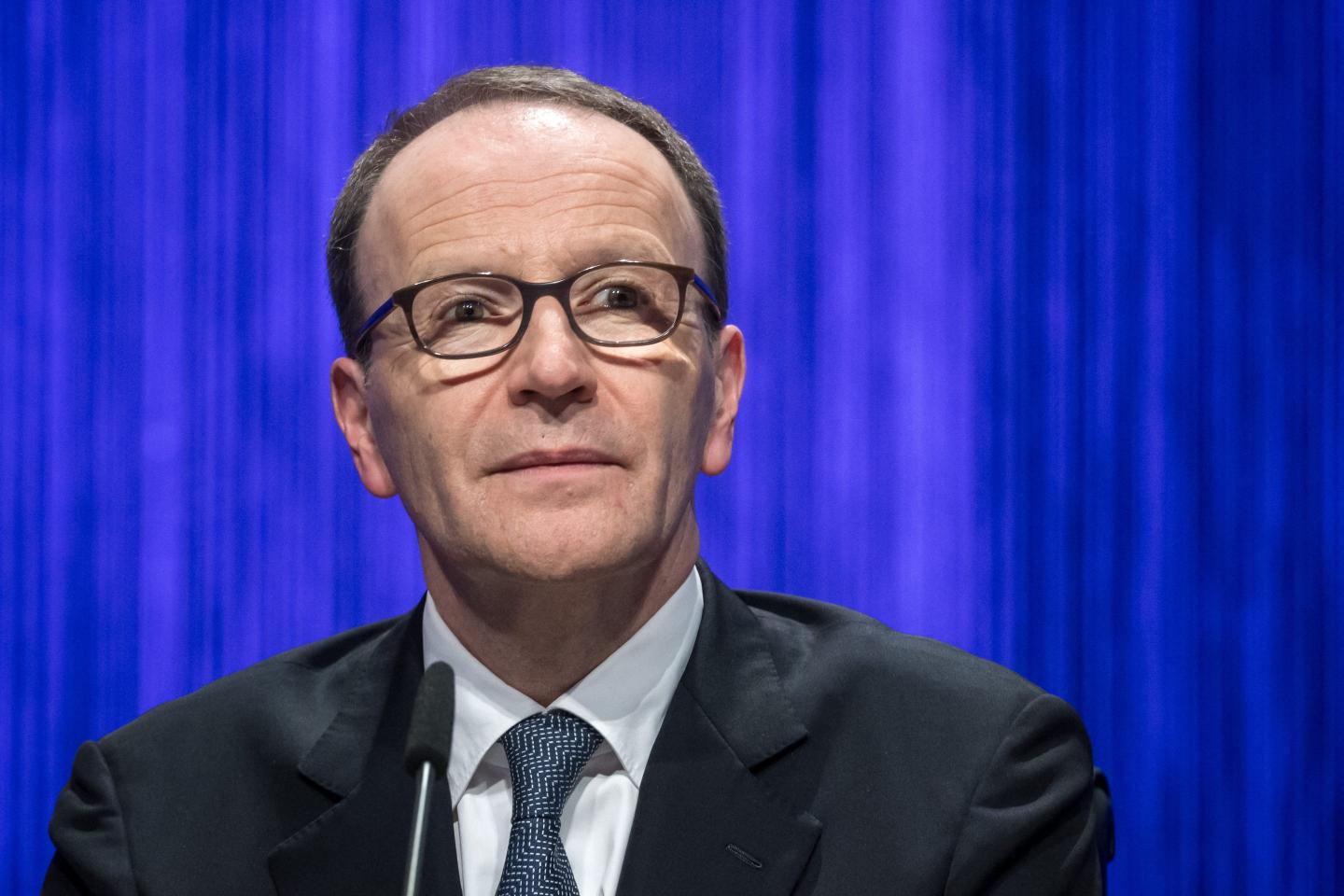
“Given the rampant food price inflation, this was not an easy path to pursue,” Mark Schneider, Nestle’s chief executive officer, told journalists in April of its efforts to reach environmental targets over the last two years.
Yet companies like Nestle and Unilever are considered sector leaders in terms of their plastics reduction efforts. They report annual progress on their commitments to the Ellen MacArthur Foundation. So if they are failing to reach their goals, that bodes poorly for the rest.
They want the UN Plastics Treaty — a legally binding global agreement expected this year — to reduce plastics production and set the same standard for companies globally. But reaching consensus is tricky and the last and penultimate round of talks took production caps off the table.
“The global plastic industry has created the illusion of recyclability,” Planet Tracker, an environmental NGO said in a statement. “When in reality a shocking 91% of plastic is not recycled globally.”
The Volatile Business of Recycling
In a large industrial building just south of the River Thames in London stands a nest of red and black horizontal and diagonal conveyor belts and mechanical sorters — reminiscent of the famous painting “Relativity” by M.C. Escher. It processes the recycling of around two million people or 120,000 tons a year. It’s one of about 100 material recovery facilities across the UK, of varying sizes.
Workers in protective clothing remove items that may be dangerous such as batteries which can cause fires — as happens on a weekly basis — or anything that could clog up the machines. Mechanical sifters sort items by size. While optical machines separate different materials like metal and paper.
In an adjoining warehouse stand the fruits of the process: large bales of recycled cardboard, metal or mixed plastic, ready for collection. The plastic is sold to reprocessors, who separate it out into varieties, shred and melt it down into pellets for resale.
Veolia, the French owner of the plant, has upgraded its technology to deal with more materials in recent years. But the biggest brake on the development of the sector is that less than 50% of household packaging gets recycled in the UK — similar to most of Europe — a ratio that has stubbornly held for several years.
The company says there is no end market for some plastics — carrier or salad bags and clingfilm — and so there are no facilities to recycle them. “If we invest in a facility,” says Tim Duret, Veolia’s director of sustainable technology, “and the demand for that material is not consistent, it makes us very nervous to spend £40 million ($51 million) on a facility.”
Polyethylene terephthalate bottles — the sort used to hold Nestle’s Buxton mineral water — are cheap to recycle and versatile: they can be used to make new bottles, athleisure or sleeping bag filling for example. Even so, the recycling rate is only about 30% and the business is low margin. “On top of that you have volatility. We are losing money at the moment,” said Duret of the south London plant.
A key factor undermining the Veolia business plan is the cheaper cost and availability of virgin imported plastics, which is undercutting the recycled market.
Recycled PET cost as much as €1,500 ($1,600) a ton in May, €200 higher than virgin PET according to S&P Global Commodity Insights data. The prices driven partly by the EU’s 2025 directive requiring PET bottles to contain at least 25% recycled content.
At least 2.2 million tons of plastic packaging end up in the UK market every year, but only a fifth of the materials are from recycled sources. The UK Plastic Packaging Tax, introduced in 2022, charges producers £218 per ton for products made with less than 30% recycled content.
Such measures should help drive demand. But Veolia wants the tax to rise to 50% and £500 per ton by 2030. There are other initiatives to force the mandatory use of recycled content. Plastics pricing is also an opaque business governed partly by regulatory requirements, there is no central database and there is huge variation in types.
The supply of virgin plastics is only likely to rise. Petrochemicals companies increasingly view plastics as a way to make up for future anticipated falls in transport fossil fuel production. The International Energy Agency estimates that plastic will become the largest driver of oil demand, accounting for almost 50% of its growth by 2050.
“The more sustainable option needs to be the default,” says Sokhna Gueye head of packaging, UK and Ireland at Nestle. “And for that to be the default, it has to be cheaper as well. So recycled plastic longer term has to be cheaper than virgin plastic.”
Plastic-Eating Enzymes
The continued use of plastics for which there are currently only limited recycling solutions make it impossible for some consumer groups — among the biggest users of the material in the world — to meet their commitments.
In 2022, more than 17% of Nestle’s plastic packaging was made up of things like multilayered sachets and pouches — typically containing a combination of plastics, aluminum and paper — which aren’t being recycled at scale anywhere.
Nestle and other consumer groups use the format to help develop their presence in emerging markets by selling everything from Nescafe to non-perishable shampoos in smaller, almost tester, packaging.
But without access to waste collection infrastructure they are often dumped in rivers and on beaches after use. Even if they did have such facilities such packaging is not recyclable at scale because it’s too difficult to separate out the different layers. With 19% of its plastic waste coming from mixed material packaging smaller than A4, Unilever like Nestle, will struggle to be 100% recyclable without stopping these formats.
Unilever said it was working on alternatives such as reusable and refillable packaging systems, and different materials, as well as collecting and recycling.
Volunteers across India, Indonesia, Vietnam and the Philippines collected more than 33,000 dumped sachets in the six months to February. They identified Unilever, Procter & Gamble and Nestle — along with several local manufacturers — as among the biggest sources of this packaging based on the number collected at 50 sites including rivers and beaches.
Biochemists are looking to nature for solutions, at least once the packets are collected. Startups like Carbios, a French company which uses enzymes to break down PET, are now trying to tackle these mixed materials. But its plastic-eating enzyme technology will not be available at an industrial scale before 2026.
From 2027 local authorities in the UK will have to collect flexible plastics, but it’s unclear whether there will be facilities to recycle them. At the moment just 7% of authorities pick them up, underlining how far there is to go.
In this way, the problem has been kicked downstream. “Provincial governments and municipalities are often poorest in this whole chain and they are burdened with sorting the problem,” says John Mills, director of research at the NGO Planet Tracker. “They don’t want to dump it into the ground, but often they have no choice.”