• Home
  • Latest
  • Fortune 500
  • Finance
  • Tech
  • Leadership
  • Lifestyle
  • Rankings
  • Multimedia

Trendingnow

1

Philanthropy leader at Warren Buffett and Bill Gates’ Giving Pledge says children of billionaires are pushing them to give their wealth away faster

2

Meet a 71-year-old who retired as a radiologist and professor, and now runs a banana-skewer business: ‘I never want to retire. Why would you do that?’

3

China suffers another setback in effort to de-dollarize global finance as anchor in the greenback's dominance quietly exits Beijing's payment scheme

1

Philanthropy leader at Warren Buffett and Bill Gates’ Giving Pledge says children of billionaires are pushing them to give their wealth away faster

2

Meet a 71-year-old who retired as a radiologist and professor, and now runs a banana-skewer business: ‘I never want to retire. Why would you do that?’

3

China suffers another setback in effort to de-dollarize global finance as anchor in the greenback's dominance quietly exits Beijing's payment scheme
TechAI
Asia

China’s AI companies are reportedly rationing the use of their services because they don’t have enough chips

By
Lionel Lim
Lionel Lim
Asia Reporter
Down Arrow Button Icon
By
Lionel Lim
Lionel Lim
Asia Reporter
Down Arrow Button Icon
June 28, 2024, 6:15 AM ET
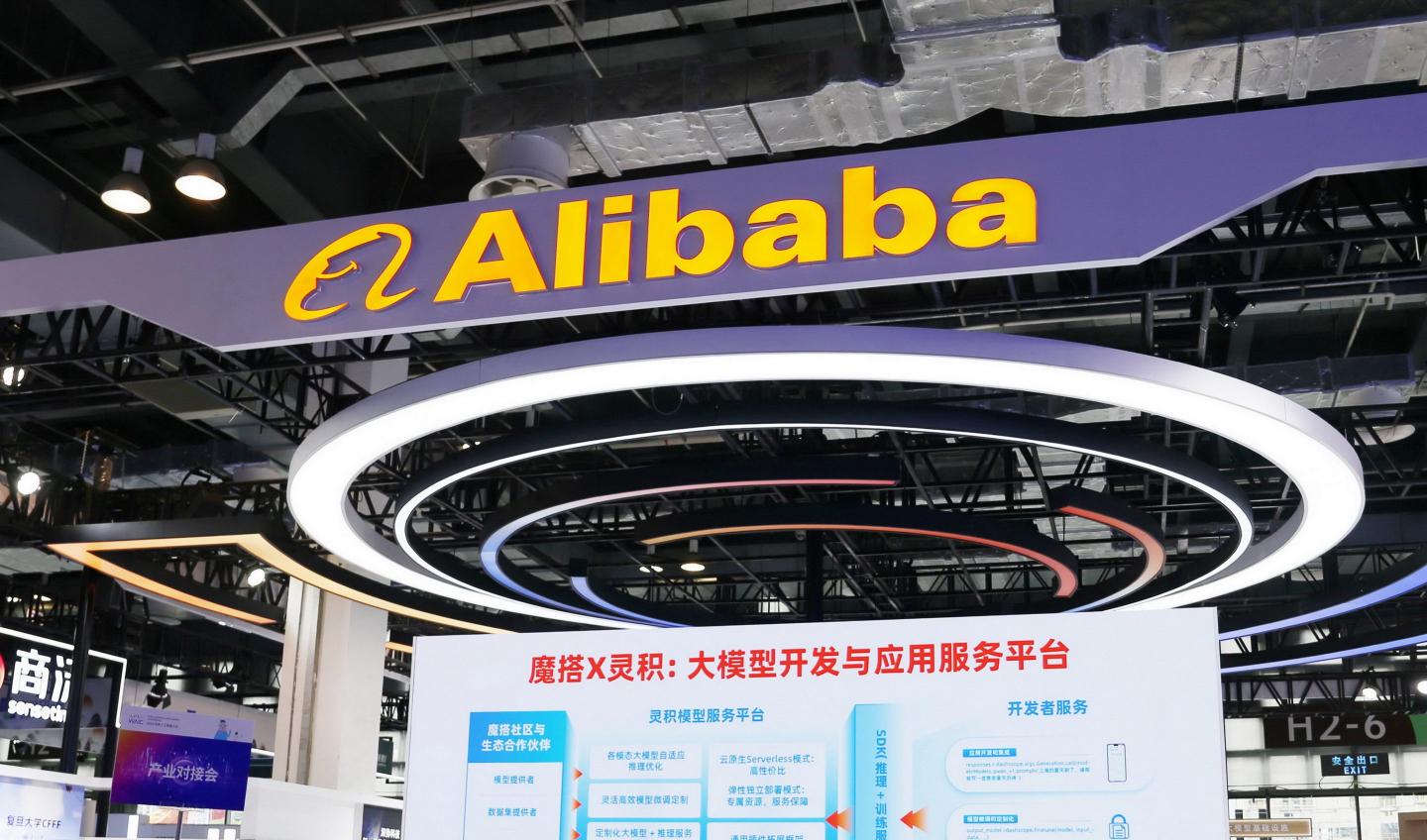
Alibaba’s display at the World Artificial Intelligence Conference in Shanghai, July 6, 2023.
Alibaba’s display at the World Artificial Intelligence Conference in Shanghai, July 6, 2023.CFOTO/Future Publishing/Getty Images
Google source logo
Add Fortune on Google for similar content.

China’s chip industry may have found a way to make an advanced chip that can power a 5G smartphone, but it can’t yet make a chip powerful enough to run AI applications. And that dependence on chip imports, restricted by a U.S. ban, could now be putting China’s tech sector at a disadvantage in the race to dominate AI.

Recommended Video

Chinese tech firms are rationing the use of their AI services because of a lack of computing power, the result of a shortage of chips, reports The Information.

One firm, the livestreaming platform Kuaishou, had to limit the number of people who could use the test version of Kling, its text-to-video model, to avoid running short of computing capacity. The company used Nvidia chips, like the A800, to train its model.

AI startup Moonshot AI, most recently valued at $3 billion, is also warning users of its popular chatbot that computing power may be insufficient during peak hours.

Alibaba, Baidu, and ByteDance—all of which offer large language model applications—are telling corporate customers that need heavy usage to wait in line, according to The Information.

Kuaishou, Moonshot AI, Alibaba, and Baidu did not immediately respond to a request for comment. A ByteDance spokesperson said the company wouldn’t comment on “market rumors.”

U.S. chip controls have an effect

Chinese companies are rushing to create their own generative AI applications to get ahead in the country’s fiercely competitive consumer internet sector. Yet companies running these applications will need access to processors that can power them.

The U.S. places strict export controls on the sale of AI-related chips, like those made by Nvidia, to China.

Chinese companies have previously warned that the export ban was affecting their business. Alibaba blamed U.S. export controls when it abandoned its plan to spin off its cloud computing unit last November. At the time, the e-commerce company said the restrictions “may materially and adversely affect” its ability to serve customers.

As non-Chinese firms scramble to get their hands on new Nvidia chips, Chinese companies are instead running through their stockpiled inventory, as Biden administration rules effectively cut off China’s access to high-end AI chips made by companies like Nvidia and Qualcomm.

While Nvidia and other chipmakers are working on new products that comply with U.S. rules, Chinese companies are reportedly not keen on these watered-down chips.

Chinese firms like Huawei are now working on developing domestically produced AI chips, but it’s still uncertain whether the industry can make high-end semiconductors at scale. U.S. export controls also bar the export of advanced chipmaking tools to China, and Washington is reportedly pressing allies like the Netherlands and Japan to tighten controls further by halting maintenance services as well.

About the Author
By Lionel LimAsia Reporter
LinkedIn icon

Lionel Lim is a Singapore-based reporter covering the Asia-Pacific region.

See full bioRight Arrow Button Icon
Google source logo
Add Fortune on Google for similar content.

Latest in Tech


Most Popular

Fortune Secondary Logo
Rankings
  • 100 Best Companies
  • Fortune 500
  • Global 500
  • Fortune 500 Europe
  • Most Powerful Women
  • World's Most Admired Companies
  • See All Rankings
  • Lists Calendar
Sections
  • Finance
  • Fortune Crypto
  • Features
  • Leadership
  • Health
  • Commentary
  • Success
  • Retail
  • Mpw
  • Tech
  • Lifestyle
  • CEO Initiative
  • Asia
  • Politics
  • Conferences
  • Europe
  • Newsletters
  • Personal Finance
  • Environment
  • Magazine
  • Education
Customer Support
  • Frequently Asked Questions
  • Customer Service Portal
  • Privacy Policy
  • Terms Of Use
  • Single Issues For Purchase
  • International Print
Commercial Services
  • Advertising
  • Fortune Brand Studio
  • Fortune Analytics
  • Fortune Conferences
  • Business Development
  • Group Subscriptions
About Us
  • About Us
  • Press Center
  • Work At Fortune
  • Terms And Conditions
  • Site Map
  • About Us
  • Press Center
  • Work At Fortune
  • Terms And Conditions
  • Site Map
  • Facebook icon
  • Twitter icon
  • LinkedIn icon
  • Instagram icon
  • TikTok icon
  • YouTube icon

    Latest in Tech


    Most Popular

    © 2026 Fortune Media IP Limited. All Rights Reserved. Use of this site constitutes acceptance of our Terms of Use and Privacy Policy | CA Notice at Collection and Privacy Notice | Do Not Sell/Share My Personal Information
    FORTUNE is a trademark of Fortune Media IP Limited, registered in the U.S. and other countries. FORTUNE may receive compensation for some links to products and services on this website. Offers may be subject to change without notice.