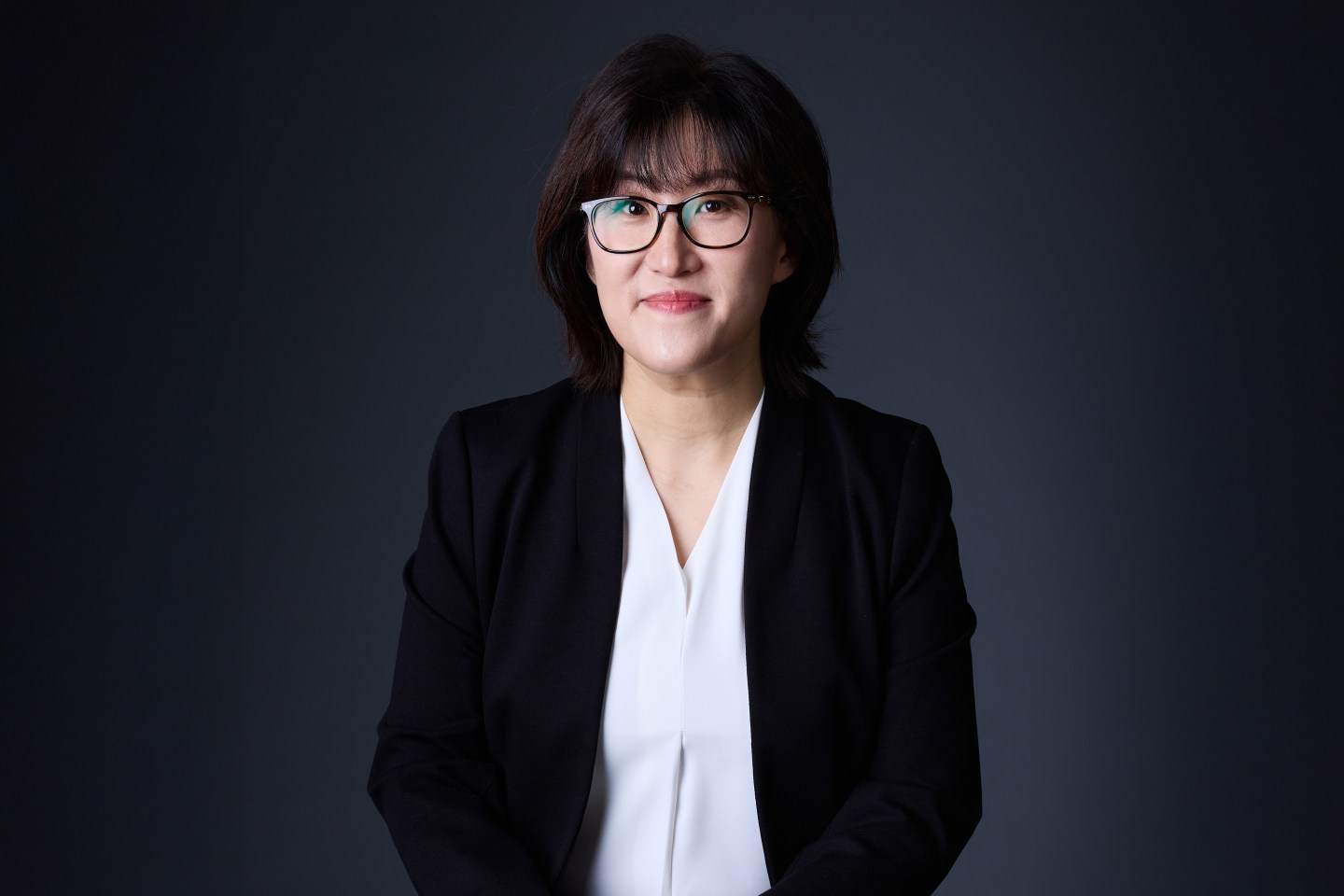

At the Fortune Global Forum in late October, the CEO of Hong Kong Exchanges and Clearing, the operator of the Chinese city’s stock exchange, shared an investor obsession.
“What is also emerging is a very interesting phenomenon, what we call ‘new consumption,’” Bonnie Chan told the audience. Her prime example? “This thing called Labubu.”
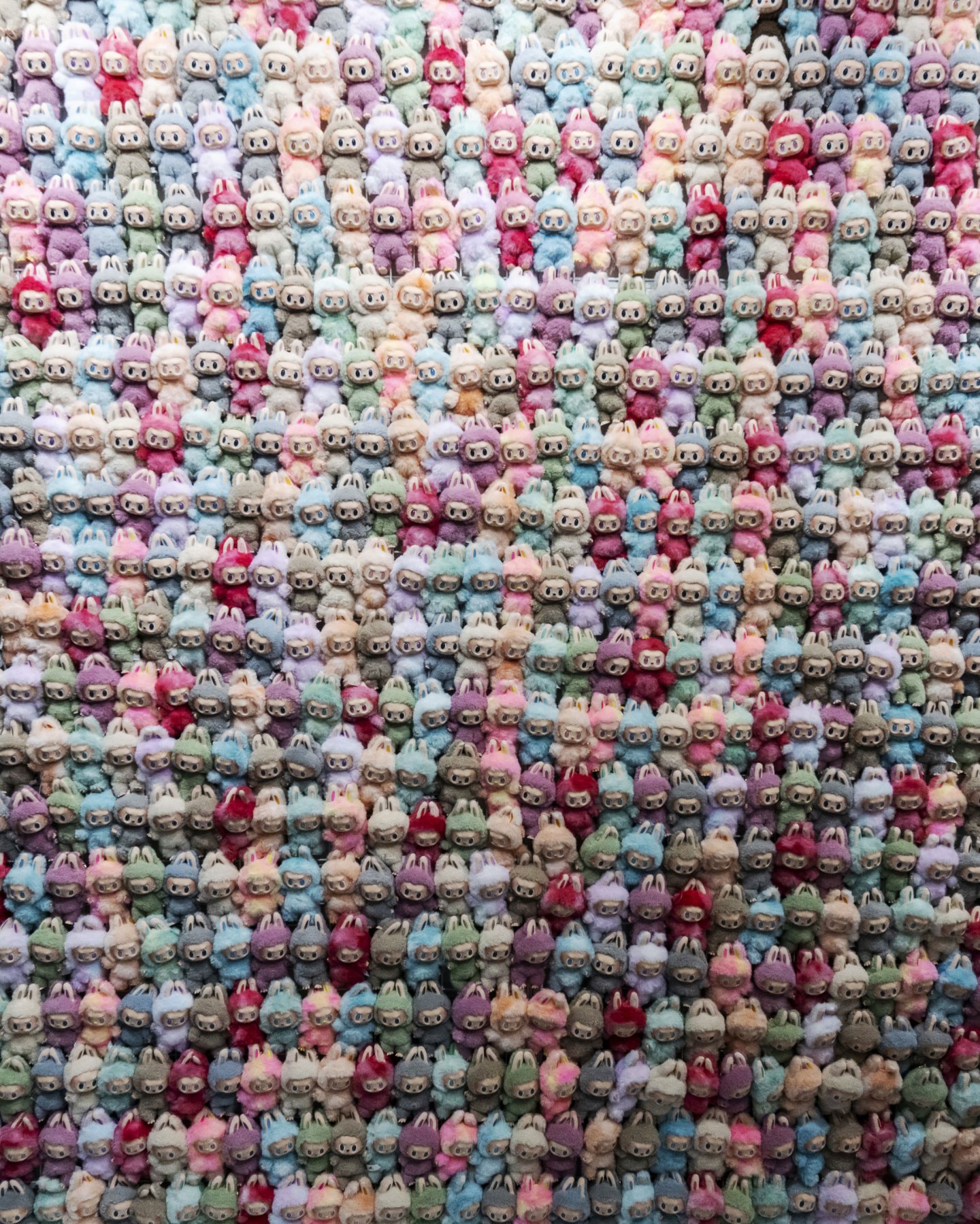
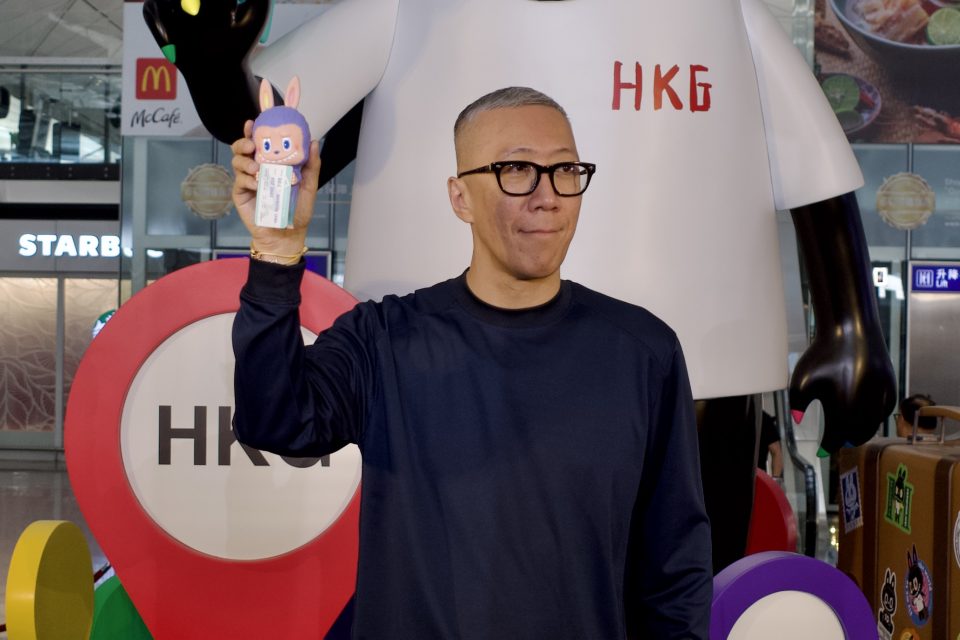
The ugly-cute doll, sold by Chinese toymaker and retailer Pop Mart, is the hottest item of 2025 and, as Chan mentioned, evidence of the new trend in Chinese consumers making emotionally driven purchases. Shoppers have queued up at Pop Mart outlets in Beijing, Shanghai, and Hong Kong to buy the dolls. Celebrities like Rihanna, Lisa, and Dua Lipa have been photographed with the toy hooked on their handbags. Tennis star Naomi Osaka has proudly touted her bejeweled, customized Labubu dolls on TV, naming them “Andre Swagassi” and “Billie Jean Bling.”
Pop Mart’s fortunes have swelled as Labubu dolls have sold out around the world. The Beijingheadquartered toy retailer, known for selling toys via “blind boxes,” reported 13 billion Chinese yuan in revenue ($1.9 billion) for the first six months of 2025, up more than 200% from the same period a year earlier. Profits have surged by even more: Pop Mart earned 4.5 billion yuan ($630 million) in net income, up almost 400%. Labubu alone made up a third of its sales. The global surge has been so strong, that even CEO Wang Ning has admitted he can’t accurately forecast how long it will last.
The toy store’s shares have surged over 125% since the beginning of 2025, making it one of the best-performing stocks on Hong Kong’s benchmark Hang Seng Index. (Pop Mart joined the index in September.) Even after shares dropped 40% from their peak, Pop Mart’s $37 billion market cap is still worth as much as Hasbro, Mattel, and Sanrio combined. The stock surge also hiked the wealth of Pop Mart’s founder, Wang, who’s now worth $18 billion, according to Bloomberg.
Labubu hype will eventually fade, but Pop Mart clearly hopes its fortunes don’t fade with it. What may be longer lasting is the consumption trend behind Labubu: The Chinese intellectual property and local brands beloved by this generation of Chinese shoppers are gaining traction outside of China, finally cementing the world’s second largest economy as a global cultural powerhouse.
Wang Ning, born in 1987, started Pop Mart in 2010, after a brief stint working in China’s tech sector. The first outlet was in Zhongguancun, a neighborhood in Beijing known for its tech companies. Wang has cited Japan’s gachapon vending machines—stations where children turn a dial to receive a small toy at random—as well as Hong Kong’s Log-on retail chain of variety stores, as inspirations for Pop Mart.
There’s an element of chance at Pop Mart, too. Customers don’t buy toys outright. Instead, they buy a blind box that contains a mystery toy, say, a Labubu doll. Some variants are rarer than others. It’s a business model that pushes customers to try their luck, perhaps multiple times, to get their hands on a rarer doll. And it’s tailor-made for social media, as creators leverage the mystery to attract followers.

Early on, Pop Mart sold toys based on IP from companies like Disney. But it soon pivoted to selling toys based on designs that it owned outright. “Molly,” a series of wide-eyed girl figurines designed by Hong Kong artist Kenny Wong, was Pop Mart’s first big hit. Then came Labubu, the brainchild of another Hong Kong artist, Kasing Lung, who developed the creature in 2015 as part of “The Monsters,” a series inspired by Nordic folklore.
“First Pop Mart identifies an IP, then it turns this IP into a culture moment, then it builds a media ecosystem to boost it,” says Ashley Dudarenok, founder of ChoZan, a consultancy that helps foreign brands market themselves in China. “They’re more like cultural anthropologists than toymakers.”
Pop Mart is embarking on rapid global expansion, with over 570 stores in Europe, North America, Southeast Asia, and the Middle East. It generates 40% of its revenue outside of Greater China, up from less than 25% a year ago.
Over the summer, analysts tied the Labubu craze to a trend spreading among China’s youth: “emotional” or “new” consumption. The idea is that young urban shoppers, frustrated by limited career options and social mobility, are spending on hobbies and small pleasures, rather than on big-ticket items like a home.
Pop Mart is not the only one to benefit. Laopu Gold, a Chinese jewelry chain, is up over 150% for the year. Mao Geping, a cosmetics brand, is up 57%.
“It’s the discretionary shopping that’s creating this booming consumption scene in China, because that’s where people can really express their personality,” notes Amber Zhang, a partner at Chinese research firm BigOne Lab.
In the past, shoppers might have bought a foreign brand; they now favor domestic ones that better align with their cultural values. “People are buying them because they feel like: ‘Hey, this is a great statement of my personality, and it doesn’t matter that it doesn’t have a [foreign] logo on it,’” says Zhang.
China, despite its size and rich history, has punched below its weight in global culture. Japan and South Korea, meanwhile, are global cultural powerhouses—Japan with anime and video games; Korea with dramas, pop music, and cosmetics.
But now the affordable treasures that Chinese consumers are clamoring for are finding audiences outside the mainland, too. Chinese video games, like miHoYo’s Genshin Impact and Game Science’s Black Myth: Wukong, have attracted global fan bases, with the latter setting player count records.
Ne Zha 2, an animated film from Chinese studio Beijing Enlight Pictures, is this year’s top grossing film globally, winning almost $2 billion at the box office (with the vast majority of sales in China).
Cheng Lu, CEO of CreateAI, a Chinese generative AI platform for animation and video games, says lower costs allow Chinese producers to “have more content out there.”
Chinese drink brands are also dipping into overseas markets. Luckin Coffee, milk tea brand Chagee, and ice cream chain Mixue are all expanding into Southeast Asia, East Asia, and the U.S.
Even Chinese cosmetics are starting to elbow into a space dominated by Japanese and Korean brands, thanks to affordable products and aggressive digital marketing. “You know how crazy social media is in China?” Malina Ngai, CEO of Hong Kong– based health and beauty retail chain AS Watson, told Fortune in September. “When they go outside of China, they immediately surpass a lot of the brands when it comes to social media, storytelling, and endorsements.”
“They’re more like cultural anthropologists than toymakers.”
Ashley Dudarenok, Founder of consultancy ChoZan, on Pop Mart’s retail savvy
Zhang isn’t surprised by China’s rising global prominence. “China now has this huge population base who are both rooted in China but also exposed to the global market,” she says, pointing to the many Chinese who have lived, worked, and attended school overseas. “They know how China works, and they know how the world works, and they have this opportunity to create and combine something that can resonate not just with Chinese people, but also a broader audience.”
Labubu mania has come down from its summertime frenzy. Investors are wary of declining secondary market prices for the dolls, a sign of dwindling popularity. They’re clearly jumpy. In early November, Chinese media shared a surreptitiously livestreamed conversation with a Pop Mart salesperson who said the company’s blind boxes are overpriced. Pop Mart lost almost $2.2 billion in market value that day.
Still, some analysts are hopeful that Pop Mart is more than just Labubu. “We believe Pop Mart is still in a growth stage of taking its IP products global, and that its relevant peers should be top global IP companies, such as Lego, Sanrio, and Jellycat,” HSBC analysts wrote in late October, dismissing parallels to the Beanie Baby bubble of the 1990s.
“The question now is, can Pop Mart—beyond Labubu, beyond Molly— make the transition into being a lifestyle?” Dudarenok asks. Pop Mart is experimenting with movies and has a theme park, but, she says, it’s unclear if the company can make a majority of its revenue from “lifestyle”—and not depend quite so much on a fuzzy, grinning yeti-like toy.
This article appears in the December 2025/January 2026: Asia issue of Fortune with the headline “Behind Labubu Mania.”
Correction, Dec. 2, 2025: An earlier version of this article mischaracterized milk tea chain Chagee.