
Hair loss can be frustrating, emotional, and downright confusing to navigate, especially when every ad for treatments seems to promise a miracle in a bottle. So, we focused on treatments that rely on clinically backed ingredients, expert input, and real-world usability—not hype. From simple over-the-counter solutions to prescription-strength regimens available via telehealth, the goal is to help you understand which of these options may actually be worth your time, money, and long-term commitment.
We selected the best hair loss treatments of 2026 across multiple categories, including topicals, supplements, sprays, and bundles. In total, our testers personally tried out nearly 20 products for this article, then selected the top six brands.
Why Trust Fortune
Our team of expert testers has tried many of the most popular hair loss treatments on the market today, using our comprehensive hair loss treatment methodology to find the best picks for all folks.
Our Top Pick
After testing hair loss products from multiple brands, our team found Hims Topical Minoxidil Solution to be the best overall hair loss treatment brand.
Best Hair Loss Treatment of 2026
- Best Hair Loss Treatment for Men: Hims Topical Minoxidil Solution
- Best Hair Loss Product Bundle: Happy Head TopicalRx Solution + SuperCapsule
- Best Hair Loss Treatment for Women: Hers Minoxidil Solution
- Best Hair Loss Supplement: Nutrafol Hair Growth Nutraceutical
- Best Topical Hair Loss Treatment: One Skin OS-01 Hair Scalp Serum
- Best Hair Loss Spray: Ro Mane Spray
- Best Hair Loss Capsules: Strut Dutasteride Hair Combo
Best Hair Loss Treatment Comparison Table
Best Hair Loss Treatment for Men: Hims Topical Minoxidil Solution
Hims
| Fortune score | 4/5 |
at Hims
- Our thoughts: A straightforward, evidence-backed first-line treatment that is easy to work into a daily routine
- Main ingredients: 5% minoxidil
- Who it’s for: Men with gradual thinning or hair loss on the top of the scalp
- What makes it different: Comes in a simple dropper serum that many users find easier to apply and integrate into styling than foam
Pros
- FDA-approved 5% minoxidil
- Widely available over the counter with a simple dropper application
- Can increase hair density and slow further loss with consistent, long-term use
Cons
- Must be used twice daily indefinitely or regrowth can be lost within a few months
- May cause scalp irritation, dryness, or itching in some users
- Results are gradual and generally limited to the top of the scalp
Hims Topical Minoxidil Solution is our pick for the best hair loss treatment for men because it balances strong clinical backing with everyday usability and broad access, making it a trustworthy product for male hair growth. The 5% minoxidil strength is FDA-approved for regrowing hair on the top of the scalp, and studies have shown it can increase hair density and slow loss when used consistently. Unlike more invasive or prescription-only options, this solution is over the counter, relatively affordable, and easy to apply with a dropper.
Our Tester’s Thoughts on Hims Minoxidil Solution
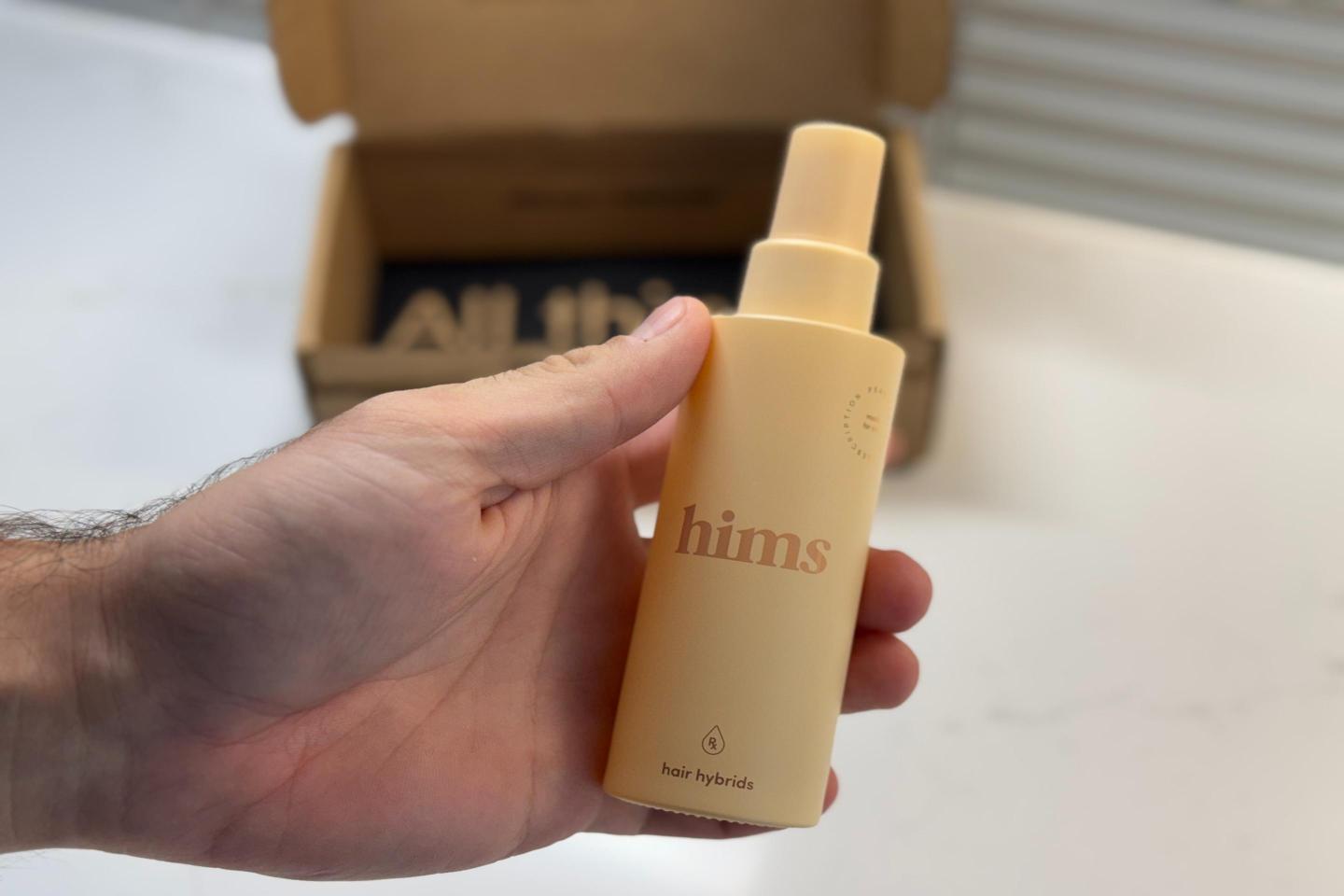
Taylor tested Hims Topical Finasteride and Minoxidil solution once daily at night for about nine months. He found the product very easy to work into his nightly routine, applying it once before bed and letting it dry for about 30 minutes before lying down. He shared that “the product is slow to dry and felt slightly moisturizing or oily,” but once it set, “it felt a little hard on my hair like hair spray but wasn’t clumpy or noticeable,” and he appreciated that “there isn’t much of a smell to it and it is extremely easy to use overall.”
We also conducted a focus group where one of the respondents, a 33-year-old man named Byron, has been using the Minoxidil solution for six months. He actually enjoys the sensation of it on his head, and how it’s become part of his morning routine. “It gives me a little kick,” he said. “And that’s before I have my coffee or energy drink.”
Both men reported a clear improvement in shedding, thickness, and coverage over time. After four months, Byron’s barber—who he sees every two weeks—commented that his hair and beard were coming in a lot fuller.
Taylor rated his shedding, thickness, and new growth all as 4 out of 5, said his “overall scalp” showed improvement, and felt confident he first saw noticeable changes around weeks five through eight.
By the end of the test, Taylor rated his final results a 4 out of 5 and said, “I now have a fuller scalp of hair overall and my hairline in the front is regrowing back to what it used to be.”
What Testers Think Could Be Improved
Taylor’s critiques are more about practicality than performance. He noted a bit of an emotional hurdle of the early shed, writing that he “was slightly concerned at month one with the fallout” before understanding it as part of the process, and his experience underscores how helpful clearer upfront education about this phase could be.
Price and effort may be where some users hesitate. At $150 for a three‑month supply (about $50 per month), Taylor framed the cost against surgical options: “This product would need to be used for 10 years consistently to equal roughly the cost of a transplant.” For someone on the fence about surgery, he said “this product is a great alternative with amazing results,” even if “there is more effort with using this product.”
Learn more in our full Hims Hair Loss review.
Specs
- Type: Topical
- Active Ingredients: Minoxidil
- Prescription Required: No
Best Hair Loss Product Bundle: Happy Head TopicalRx Solution + SuperCapsule
Happy Head
| Fortune score | 4/5 |
at Happy Head
- Our thoughts: An intensive, dermatologist-designed option
- Main ingredients: Dutasteride, up to 8% minoxidil, retinoic acid, and hydrocortisone solution paired with a capsule that includes dutasteride, minoxidil, and vitamin D3
- Who it’s for: Best for those who have not seen enough results with basic topical minoxidil alone and want maximum-strength, customized therapy with dermatologist oversight
- What makes it different: Comes with free tele-dermatology consults, ongoing formula tweaks, and flexible subscription options
Pros
- Powerful combination of topical and oral DHT blockers plus minoxidil for maximal regrowth potential
- Customizable formulas and dermatologist follow-up to adjust strength and ingredients over time
- Convenient bundled approach that covers both scalp-targeted and systemic treatment in a single program
Cons
- Prescription-only and limited to specific age and gender groups, so it’s not suitable for everyone
- Higher monthly cost than most standalone topicals or single medications
- Increased potential for side effects from potent oral and topical actives
Happy Head TopicalRx Solution + SuperCapsule is our pick for the best hair loss product bundle because it delivers one of the most comprehensive prescription regimens available in a single, coordinated package. The combination of high-strength topical dutasteride–minoxidil with an oral capsule that also includes a DHT blocker, oral minoxidil, and vitamin D3 tackles hair loss locally and systemically, which can be especially appealing for people who have not seen desired results using simpler regimens.
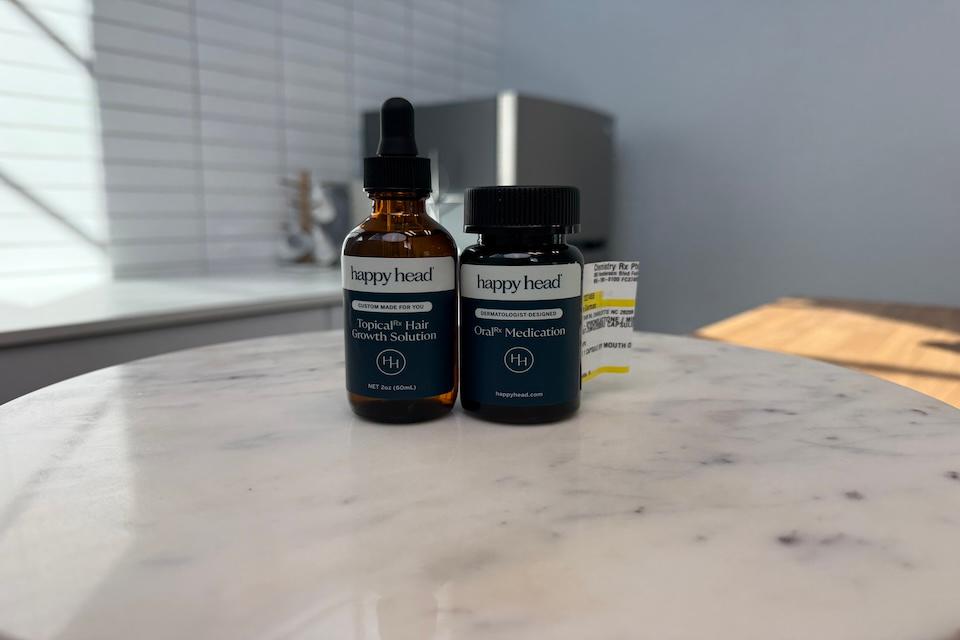
Our Tester’s Thoughts on Happy Head TopicalRx Solution + SuperCapsule
Riley and Kate are both testing Happy Head’s bundle. Kate has just ordered and started the process, while Riley has received the topical solution and capsules. The questionnaire took Kate about 10 minutes and was straightforward, she said. “It was super quick and easy to complete the assessment. I didn’t need to upload any photos and I was given multiple places to write in responses to explain my why,” Kate said. “I liked that there was a section of questions about my hair loss, goals, and my hair type. The other part was a short health screening about my medical history, medications, and more.”
Kate was recommended two products because she had no preference between a topical or oral prescription. Specific formulas were suggested based on her questionnaire answers. She was given the option to do one or both of the products, and chose the bundle. Kate loved that she could choose to do as little or as much treatment as you feel comfortable with.
When Riley received the bundle for testing, she first opened the oral medication first. “I was surprised that they also included two samples of thickening shampoo and conditioner,” she said. “The pills come as clear capsules filled with white powder, about the size of an average Tylenol pill. The smell was not pleasing—the pills have an extremely pungent scent that is almost sour. Fortunately, the pills have no noticeable taste,” she said, rating the swallowability a 4 out of 5.
Riley’s topical solution came in a brown bottle with a Happy Head blue label and a dropper. The solution has a strong alcohol scent to it.
It should also be said that the Happy Head bundle can be used in conjunction with other products from the brand. Irving, a 45-year-old man in one of our hair loss focus groups, started off using minoxidil when he noticed that his hair was thinning in photographs. He then started weaving in Happy Head Thickening Shampoo to his daily grooming regimen, and now just relies on that.
“It seems like it’s been working,” he said, noting that he’s been using it for six months and started noticing results after one month. “Even if it’s a placebo effect, it’s been good for me. And it’s easy to just incorporate it into my normal shower routine.”
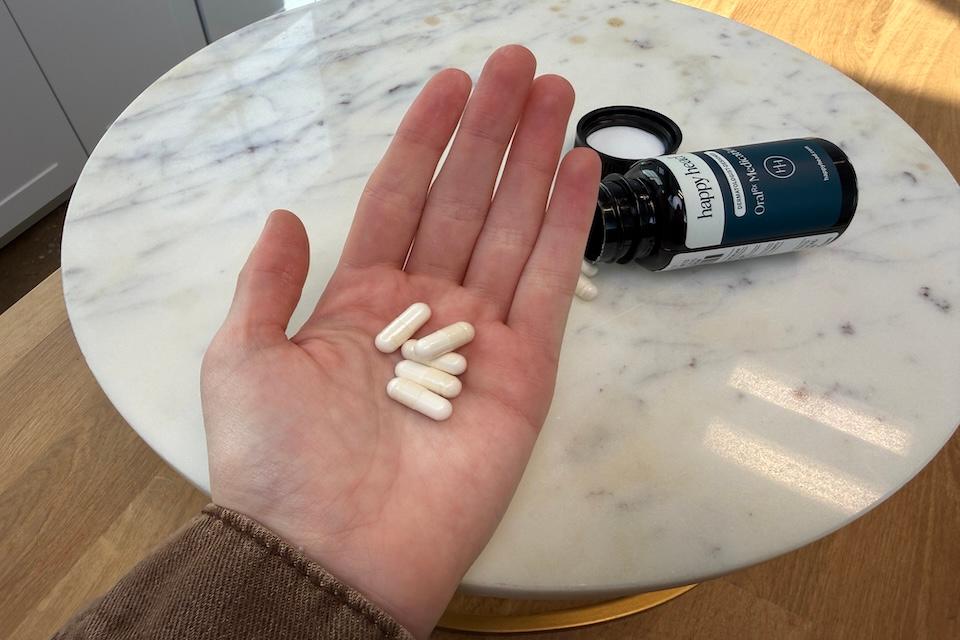
What Testers Think Could Be Improved
“The topical solution left behind a slightly greasy residue—kind of like how your skin feels after putting on lotion,” Riley explained.
Specs
- Type: Topical + oral
- Active Ingredients: Finasteride and minoxidil
- Prescription Required: Yes
Best Hair Loss Treatment for Women: Hers Minoxidil Solution
Hers
| Fortune score | 4/5 |
at Hers
- Our thoughts: A simple, evidence-backed first-line treatment that fits easily into most hair-care routines and is widely accessible
- Main ingredients: Minoxidil 2% (solution) or 5% (foam)
- Who it’s for: Women with mild to moderate female pattern hair loss or general thinning at the top of the scalp
- What makes it different: Integrated into the Hers platform, so women can pair minoxidil with other hair-loss options and telehealth support if desired
Pros
- FDA-approved strengths of minoxidil with data supporting regrowth in women
- Multiple formats (solution and foam) to match hair type and styling preferences
- Widely available online and at major retailers without an in-person prescription
Cons
- Must be used continuously for months and kept up indefinitely to maintain results
- Can cause scalp irritation, itching, or unwanted facial hair in some users
- May be less effective for advanced or non-hormonal hair loss
Hers Minoxidil Solution is our pick for the best hair loss treatment for women because it combines strong clinical backing with formats for women’s patterns of thinning and daily routines. The 2% solution and 5% foam formulations are FDA-approved for female pattern hair loss, showing improvements in hair density and regrowth when used consistently over several months. Since it is widely available online and in stores, women can start treatment quickly.
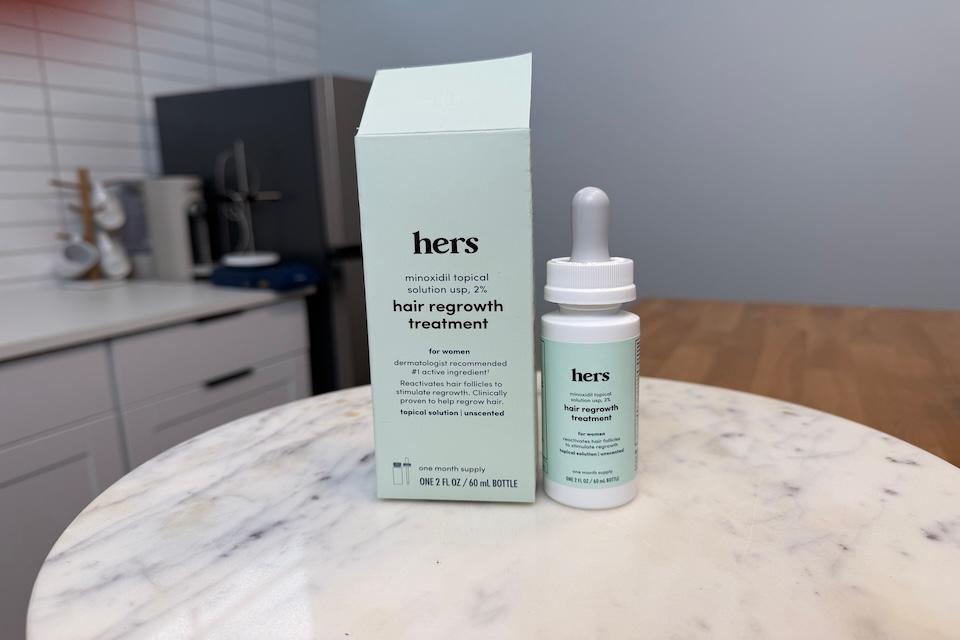
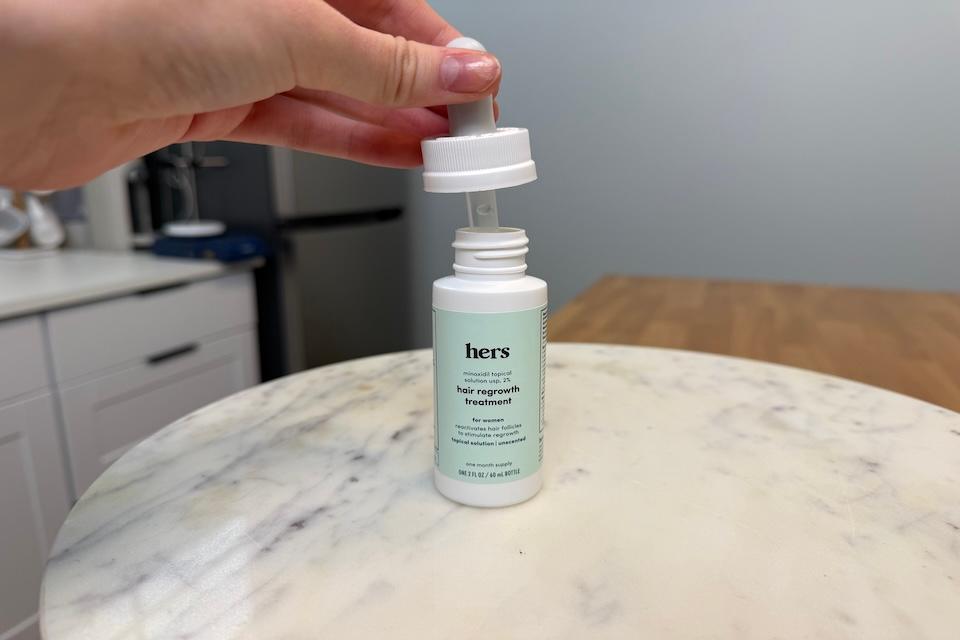
Our Tester’s Thoughts on Hers Minoxidil Solution
Kate is our tester for Hers minoxidil solution and shared her experience with getting started. She first took a short assessment that took less than five minutes, and Kate said that the questions were brief. “During the assessment, I was asked a ton of relevant questions like heath history, goals of treatment, and previous hair loss experience. It walked me through why these questions were relevant and gave more information about the science behind it.”
After going through the process, Kate noted that Hers provided an in-depth explanation of what product they were offering and why, which felt very personalized. She felt that Hers gave her all the information she needed to feel confident in making a choice.
“The website has a ton of information about all their different hair loss treatments. After going through the assessment for a prescription, I learned that I could get an OTC product instead. I also received safety information,” Kate said. Our team is monitoring Kate’s long-term results and will update this page in the coming months with progress and results.
In addition to Kate, we conducted a focus group about hair loss, which included a 40-year-old woman named Aimee who had seen positive results from using Hers Minoxidil Solution. She initially sought it out after noticing a bald patch on her head about an inch and a half in diameter.
“I would say about two months after using the Minoxidil, I started noticing some baby hairs coming in,” she said. “In the six- to nine-month range, the patch was completely darkened and covered.” Aimee ultimately stopped using Minoxidil once her hair had grown back, as she wanted to see if she could maintain it on her own. But she said she’d be open to using it again in the future if she experiences further alopecia.
What Testers Think Could Be Improved
Kate just began using the product and doesn’t have any negative experiences to report thus far in the process. We plan to add updates as she continues using Hers Women’s Minoxidil 2% Topical Solution, as this is a product that requires long-term testing.
Learn more in our full Hers Hair Growth review.
Specs
- Type: Topical
- Active Ingredients: Minoxidil
- Prescription Required: No
Best Hair Loss Supplement: Nutrafol Women’s & Men’s Hair Growth Nutraceutical
Nutrafol
| Fortune score | 4/5 |
at Nutrafol
- Our thoughts: A well-researched option that goes beyond basic biotin by targeting stress, hormones, and nutrition
- Main ingredients: A blend of sensoril ashwagandha, saw palmetto, hydrolyzed marine collagen, tocotrienol complex (vitamin E), curcumin, and hyaluronic acid, plus amino acids, biotin, and supporting vitamins and minerals
- What makes it different: Offers tailored lines that adjust ingredients for life stage and hormonal context
Pros
- Clinically studied with published data showing improved hair growth, thickness, and less shedding in 3–6 months
- Multi-target formula addressing stress, hormones, inflammation, and nutrition, not just basic vitamin gaps
- Drug-free capsules that can be combined with topicals like minoxidil or in-office treatments
Cons
- Requires taking four capsules daily and consistent use for several months before full results
- More expensive than many standard hair vitamins
- Not ideal for people avoiding marine ingredients or specific botanicals like saw palmetto or ashwagandha
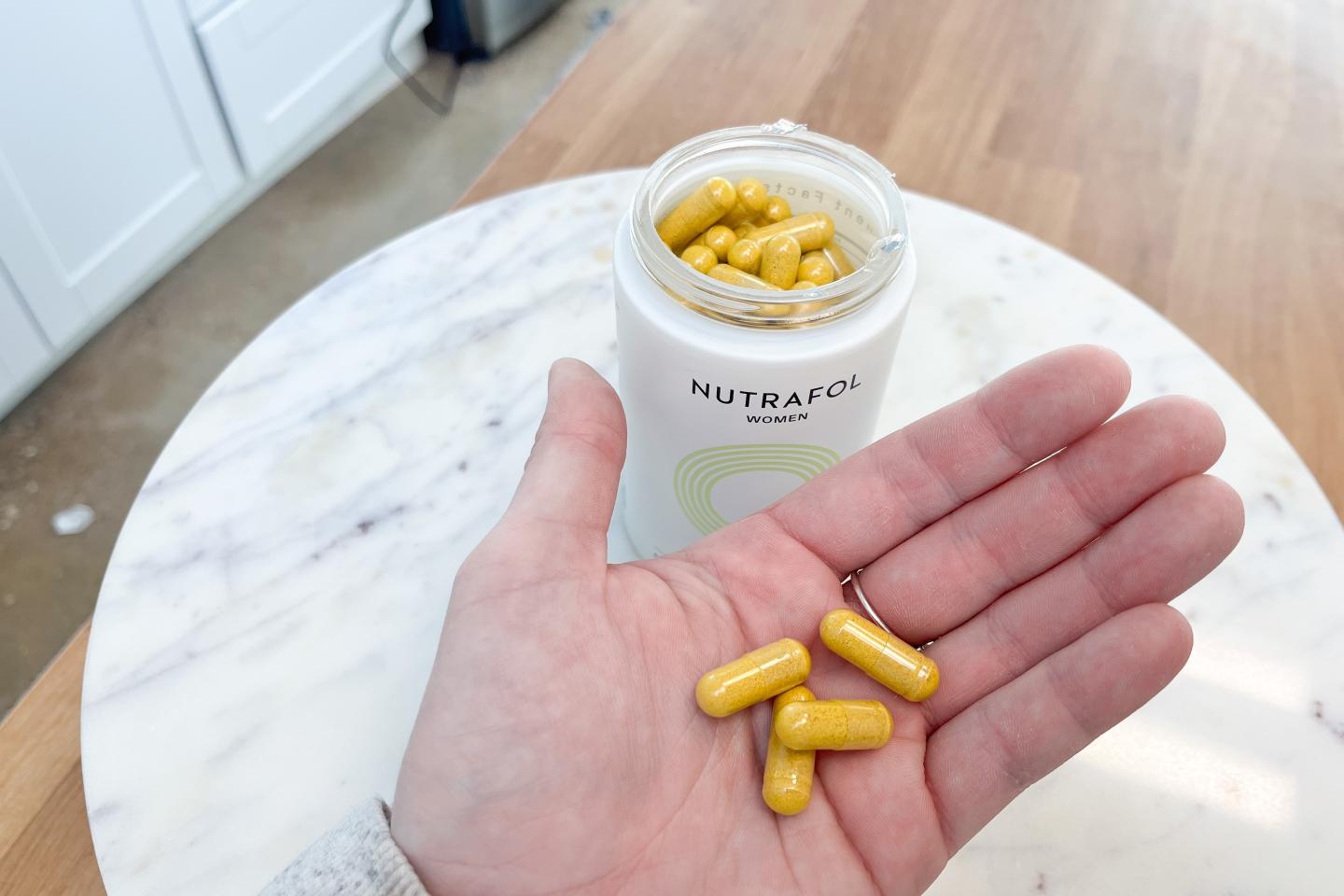
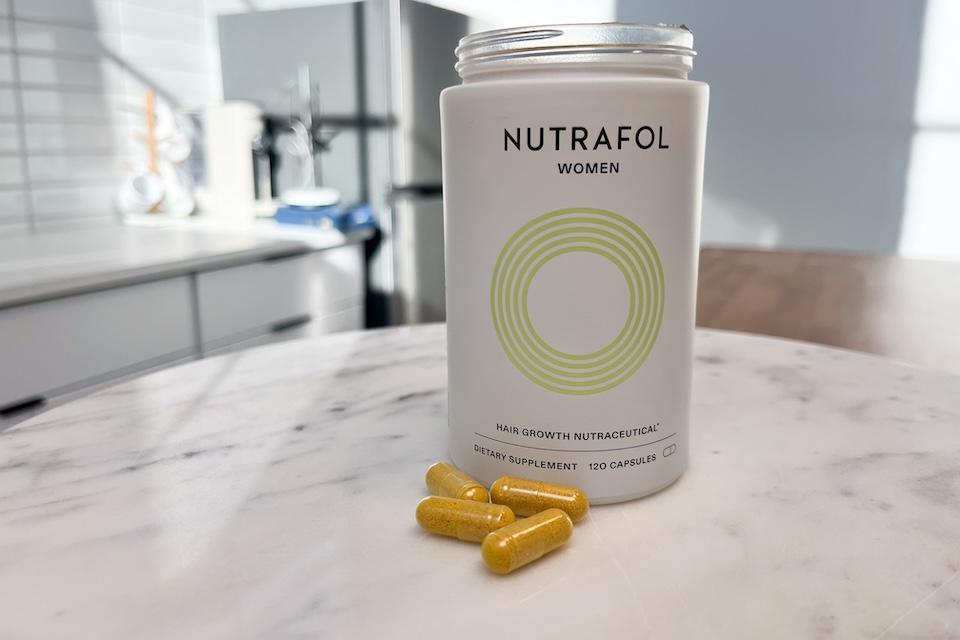
Nutrafol Women’s and Men’s Hair Growth Nutraceutical was chosen as our pick for the best hair loss supplement because it pairs a robust ingredient list with clinical data that shows real improvements in hair growth, thickness, and shedding. Instead of relying on a single vitamin, it combines botanicals like ashwagandha, saw palmetto, marine collagen, and tocotrienols with amino acids and micronutrients to address stress, hormones, and scalp environment, making it a strong complementary base to go along with topicals.
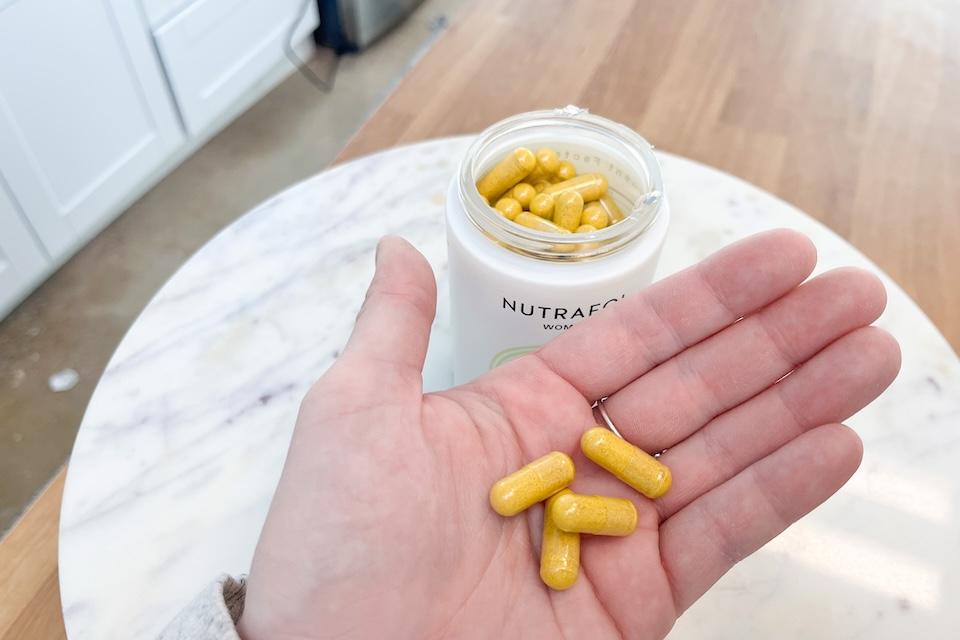
Our Tester’s Thoughts on Nutrafol Women’s & Men’s Hair Growth Nutraceutical
We recently conducted a focus group on hair loss. One of the respondents, Marin, started taking the Women’s Hair Growth Nutraceutical when she experienced hair loss following the birth of her first child.
“I have a noticeable part and very dark hair, so the loss was very obvious,” she said. “After two to three months of consistent use, I started to notice less shedding when I was brushing my hair. And then in photos, I could tell my part was getting fuller and closer together.”
For our male respondent, we spoke with a 39-year-old man named Dante who has been using the Men’s Hair Growth Nutraceutical for upwards of six months.
“My mom’s dad died at 90 with the biggest, most luscious head of hair you had ever seen,” Dante said. “So when I got into my late 30s and I started seeing that I was tending more towards my dad’s side of family—where the men all have gone bald pretty young—that’s when I decided to do something. I figured, if I’m not going to be able to reverse this, I might as well keep what I have now.”
While Dante started off with a Minoxidil solution, he found the Nutrafol supplements to be more effective, and now uses them in conjunction with Hims Thickening Shampoo. He also likes that ingesting the capsules doesn’t take as much time as applying a topical. He plans to keep taking Nutrafol for the foreseeable future.
“I’ve gotten a good response from, like, my barber,” Dante said. “The baldness hasn’t just stopped—he said my hair is actually looking a little bit thicker now.”
What Testers Think Could Be Improved
The only negative side effect that Marin experienced was that her skin began to break out, so she eventually switched over to a topical solution. That said, not every woman will experience acne because of Nutrafol, but it is a possible side effect.
Learn more in our full Nutrafol review.
Specs
- Type: Oral
- Active Ingredients: Multi-ingredient supplement with botanicals like ashwagandha, saw palmetto, marine collagen, and more
- Prescription Required: No
Best Topical Hair Loss Treatment: One Skin OS-01 Hair Scalp Serum
One Skin OS-01 Hair Scalp Serum
| Fortune score | 4/5 |
at One Skin
- Our thoughts: We love the lightweight, non-greasy, fragrance-free application
- Main ingredients: Proprietary OS-01 peptide
- Who it’s for: Men who want healthier, thicker-looking hair without having to take pills or prescription medications
- What makes it different: One Skin OS-01 Hair Scalp Serum can be used with other hair loss treatments, including Minoxidil, to improve results
Pros
- Clinical data shows increases in hair density, thickness, and overall hair health in approximately 80 percent of cases
- Lightweight, non-greasy, and fragrance-free
- Can be used in combination with other hair loss treatments
Cons
- Results may take between 3 and 6 months
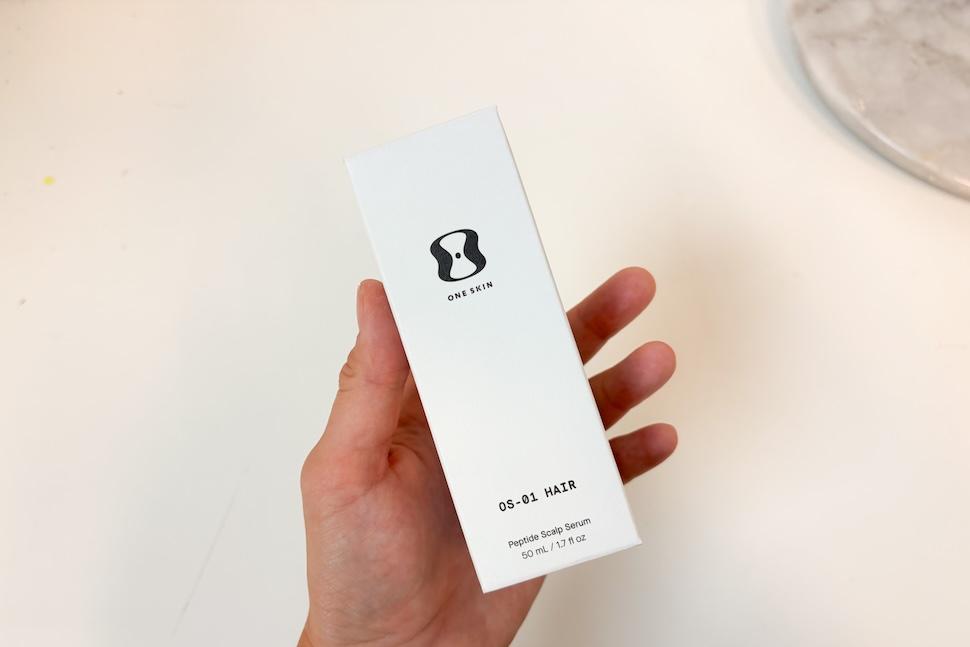
One Skin OS-01 Hair Scalp Serum is our pick for the best topical hair loss treatment because it’s lightweight, non-greasy, and clinically effective. The brand’s proprietary OS-01 peptide targets the key driver of age-related thinning, and nourishes the scalp for improved overall hair health. It also can be used in conjunction with other hair loss treatments, including Minoxidil, making it an indispensable addition to anyone’s hair loss treatment arsenal.
Our Tester’s Thoughts on One Skin OS-01 Hair Scalp Serum
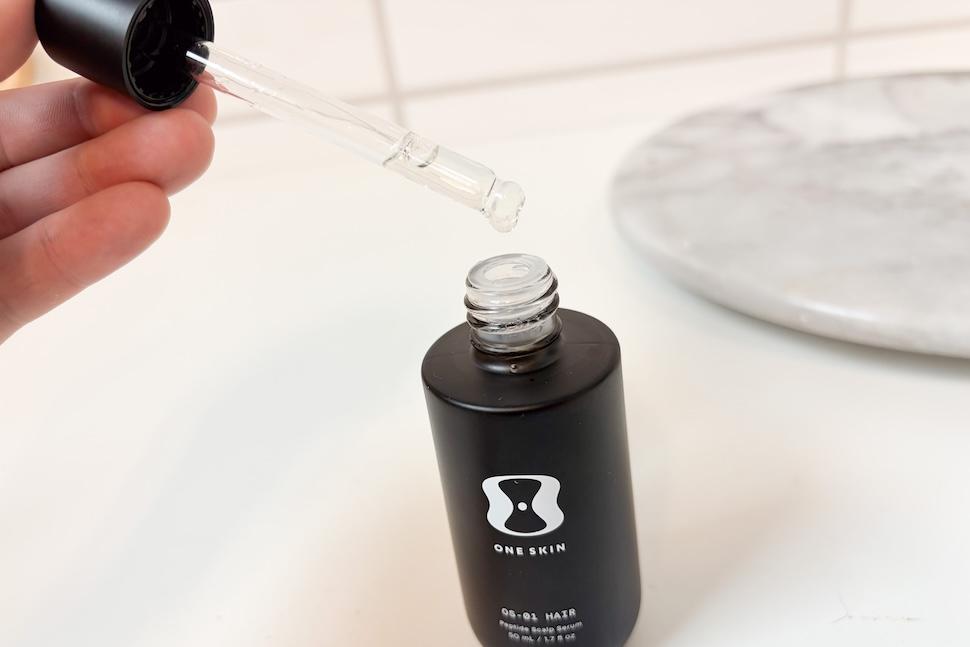
Mindy tested this product and was immediately taken with the polished packaging. “The product comes in a sleek, black glass bottle,” she said. “The font they use and their logo, along with the black bottle, give this product a luxurious feel.”
With water as the first ingredient, Mindy found the serum lightweight, non-greasy, and easy to apply, earning the product 5 out of 5 stars in the category. “It’s light like water—not oily at all,” she said. “I liked the light texture because my hair tends to get weighed down by products very easily. I found it worked best when applied to wet hair, but it was okay in dry hair too.”
Mindy also appreciated that the formula is fragrance-free, so there were no off-putting odors emanating from her hair or scalp after use. Considering the clean ingredients and Mindy’s experience, which was positive overall, One Skin OS-01 Hair Scalp Serum is a great product whether you use it as your exclusive hair loss treatment or in combination with another product.
What Testers Think Could Be Improved
The packaging advises to use the serum once or twice a day, but Mindy said her hair didn’t feel as “fresh” or “light” after the second application. Personally, she would only choose to use One Skin OS-01 Hair Scalp Serum once daily, but your results may vary.
Specs
- Type: Topical
- Active Ingredients: Proprietary OS-01 peptide
- Prescription Required: No
Best Hair Loss Spray: Ro Mane Spray
Ro Mane Spray
| Fortune score | 3.8/5 |
at Ro
- Our thoughts: The spray is in a format that’s quick to apply and easy to stick with
- Main ingredients: Minoxidil, Finasteride, and Tretinoin
- Who it’s for: Folks looking for a simple spray-on treatment that can be layered with other haircare and styling products
- What makes it different: It covers large areas of the scalp without weighing your hair down, so it’s not a heavy topical
Pros
- Easy spray application to cover the scalp evenly
- Can be used alongside other haircare products
- Focuses on scalp health, which is key for longterm hair growth
Cons
- Requires continued daily use to see benefits
- May not be strong enough to manage more extensive hair loss
- May work better when paired with a prescription or oral option
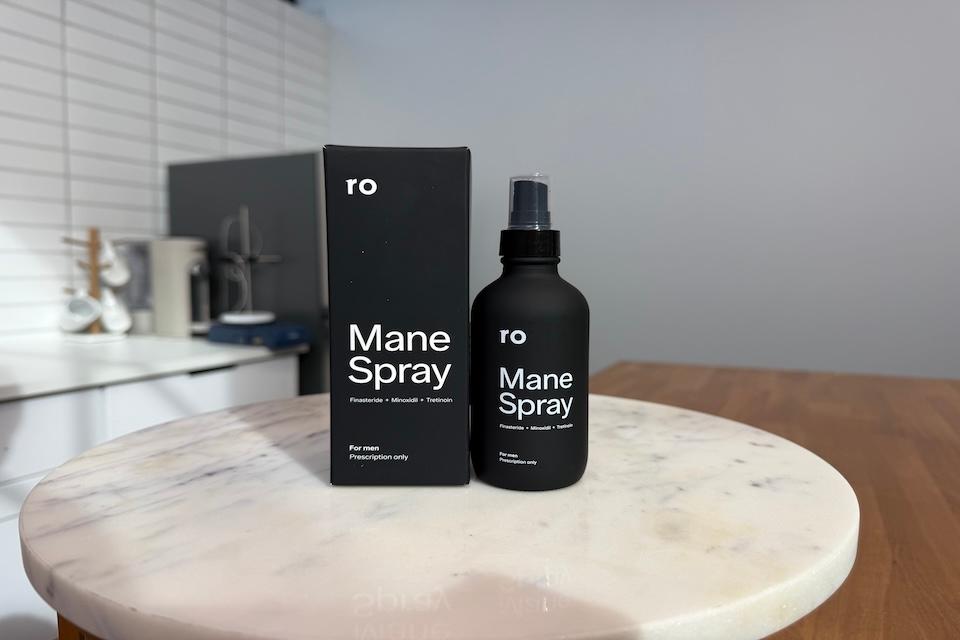
Ro Mane Spray is our pick for the best hair loss spray because it has a combination of convenience and potency by layering minoxidil, finasteride, and tretinoin in one targeted topical. For those who are ready to move beyond basic over-the-counter options but prefer not to take daily pills, this spray provides a prescription-strength, multi-pronged approach delivered via telehealth, making it easier to stay consistent and adjust treatment as needed over time.
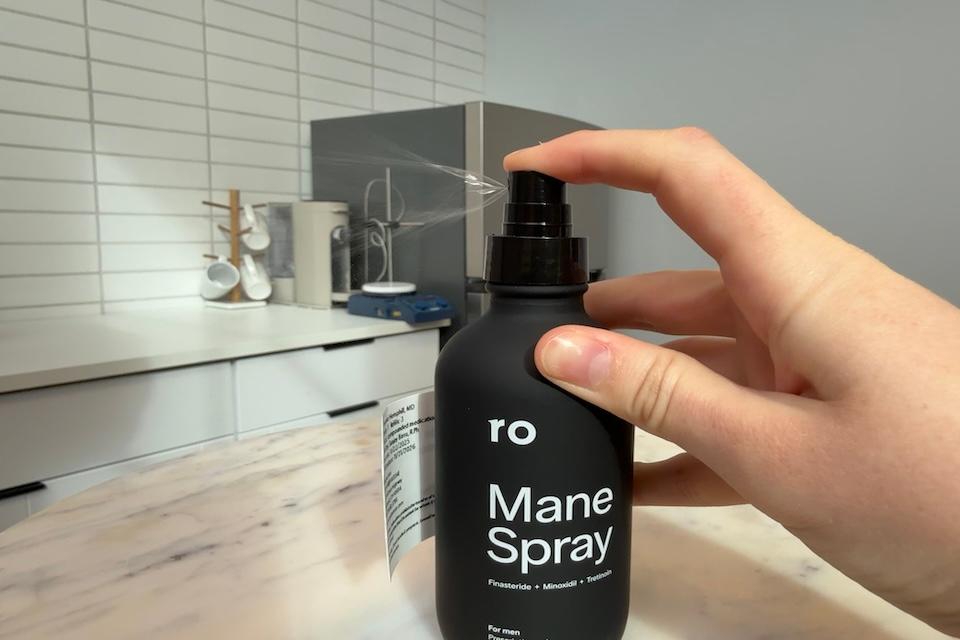
Our Tester’s Thoughts on Ro Mane Spray
Riley tested Ro’s Mane Spray, sharing her experience both with ordering and her initial test of the product. The initial assessment took him about 15 minutes to complete. “The questionnaire was thorough and hit all the essentials. I appreciated that it asked about my general health goals and even included questions about how visible my hair thinning is to others,” she said.
After taking the assessment, Riley was given the choice between an oral option and a spray. “I went with the spray because it seemed the easiest to use, though I did appreciate being able to look through a couple of different treatment formats,” she said, rating the ease of use as 5 out of 5.
After receiving the spray, Riley provided some feedback. “The first thing I notice is the quality of the bottle. It has a bit of weight to it and comes in a beautiful matte black. The spray is less of a mist and more of a single-stream squirt of liquid,” she said. “When applying it to my skin, I noticed that it was pretty oily and did leave a slight residue on my skin as I was rubbing it in. It smells nearly unscented, except for a slight rubbing alcohol scent. It’s not flowery or perfume-y.”
What Testers Think Could Be Improved
Riley just began using the product and doesn’t have any negative experiences to report thus far. We plan to add updates as she continues using it, as this is a product that requires long-term testing.
Specs
- Type: Topical
- Active Ingredients: Minoxidil, finasteride, tretinoin
- Prescription Required: Yes
Best Hair Loss Capsules: Strut Dutasteride Hair Combo Capsule
Strut
| Fortune score | 4/5 |
at Strut
- Our thoughts: A strong pick for folks who want a capsule-focused approach
- Main ingredients: Dutasteride, minoxidil, and hair-supportive nutrients
- Who it’s for: Best for those who have not achieved desired results with milder treatments
- What makes it different: Telehealth support includes an online evaluation, custom dosing, refills, and optional pairing with topical formulas or StrutVite for a full program
Pros
- High-efficacy DHT-blocking with dutasteride
- Once-daily capsule that also delivers minoxidil and key nutrients
- Can be combined with topical treatments for an aggressive treatment strategy guided by a clinician
Cons
- Prescription-only and off-label for hair loss, requiring medical evaluation and ongoing monitoring.
- Risk of systemic side effects from dutasteride and oral minoxidil, including sexual, cardiovascular, or other adverse effects
- May be more intensive than needed for mild thinning
Strut Dutasteride Hair Combo Capsule is our pick for the best hair loss capsules because it combines strong DHT reduction, proven growth stimulation, and targeted micronutrient support into a single, clinically guided oral regimen. For managing pattern hair loss who are ready to move beyond basic supplements and standard finasteride, this combo offers a convenient, once-daily capsule option that can be paired with topicals and adjusted via telehealth.
Our Tester’s Thoughts on Strut Dutasteride Hair Combo Capsule
Riley is testing Strut’s hair combo capsule, and has both gone through the ordering process and received the pills. The initial questionnaire took her about 15 minutes–she was surprised at how in-depth the intake was. “It covered everything from my overall health goals, relevant medical history, allergies, and how noticeable my hair loss is to other people. It felt comprehensive without being confusing,” she said.
“The checkout was fast and uncomplicated,” Riley said, rating the process a 5 out of 5. “You can pick a treatment length—30, 90, or 150 days, which is helpful. I chose the 90-day option since that’s around the time you can typically start seeing results. The system didn’t suggest a particular product for me; I had to choose it on my own.”
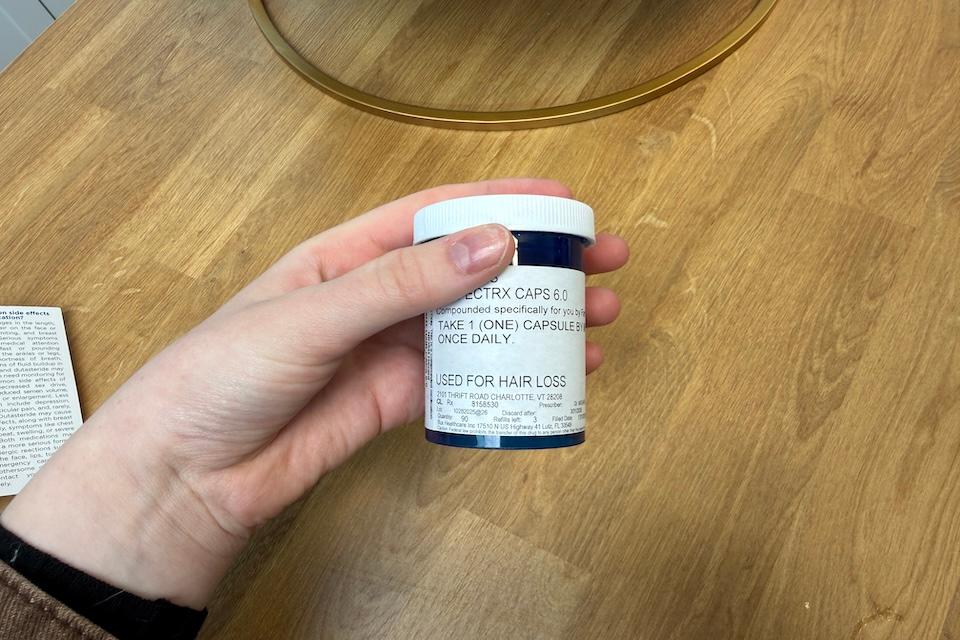
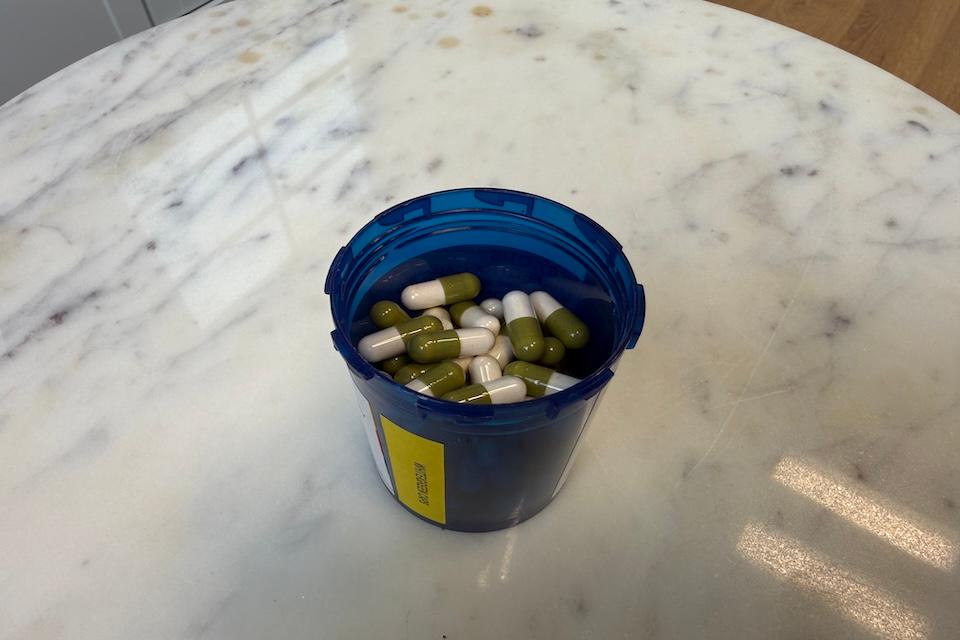
“The hair growth oral compound comes in a blue prescription bottle with a child-safety screw cap. Instructions are included, saying to take one pill by mouth daily,” she noted. “The pill itself is an oblong shape, about the size of a Tylenol,” Riley said, rating the swallowability a 4 out of 5.
The pills are extremely lightweight and have no taste in her experience, either. Overall, Riley said that using this product was as easy as popping an ibuprofen, rating the ease of use a 5 out of 5. “It should be easy to integrate into your normal daily routine.”
What Testers Think Could Be Improved
Riley just began using the product and doesn’t have any negative experiences to report thus far. We plan to add updates as she continues using it, as this is a product that requires long-term testing.
Specs
- Type: Oral
- Active Ingredients: Oral dutasteride capsules with biotin, plus StrutVite multivitamin with saw palmetto and more
- Prescription Required: Yes
How We Tested and Selected the Best Hair Loss Treatments
Choosing a hair loss treatment can feel overwhelming, so this guide focuses on options that balance evidence, accessibility, and real-world usability. Our team is currently running long-term, several-month testing on these picks and will update our content as more data comes in from testers over time.
Treatment Form
Hair loss treatments come in many forms, and no single format works best for everyone. To reflect that, products were selected across a range of forms—capsules, topical serums and solutions, sprays, and oral supplements—so readers can find an option that fits their lifestyle and routine. Different people find different formats more or less convenient, and including multiple forms helps ensure there is at least one product that feels realistic to stick with over the long haul.
Formula
Formulation was a major priority in our selection process. The focus was on products that use clinically backed or widely studied ingredients for hair loss—such as minoxidil, finasteride or dutasteride, and targeted nutraceutical blends—rather than unproven remedies. When ingredients are supported by peer-reviewed data or are standard of care in dermatology, it increases confidence that consistent use can make a meaningful difference, especially when paired with realistic expectations and medical guidance.
“Platforms like Hims, Ro, Happy Head, and Nutrafol can absolutely be helpful starting points, especially for people with early-stage hair loss, straightforward androgenetic hair loss, or people who may not otherwise seek treatment at all,” says Christine McMillian, board certified trichologist and master cosmetologist at Scalp Garden. “I think they’ve done a great job normalizing conversations around hair loss and making care more accessible. For some people, even taking that first step is huge.”
“Where I think people need to be careful is assuming all hair loss fits neatly into a subscription box. Hair loss is more like a symptom than a diagnosis. Two people can walk in with identical thinning and have completely different root causes underneath. One may need iron support, another may have an inflammatory scalp condition, thyroid dysfunction, hormone shifts, rapid weight loss, autoimmune activity, medication-related shedding, or chronic stress dysregulation. In those cases, a generalized approach may help temporarily, or sometimes not at all, because the underlying driver is still active,” says McMillian.
Accessibility and Safety
Because many effective hair loss medications are prescription-only, accessibility and safety were considered together. Preference went to products that can be accessed through virtual care, allowing readers to complete an online evaluation and, when appropriate, receive a prescription without needing to visit a doctor’s office in person.
At the same time, products that require photo uploads, questionnaires, or a consult with a licensed clinician were prioritized, since this screening helps reduce the risk of someone using a formula that is wrong for their type of hair loss, health history, or reproductive status.
Ease of Use
Long-term consistency is very important with hair loss treatments, so ease of use was another key factor. Products with straightforward instructions, simple dosing schedules, and user-friendly application methods rose to the top, such as once-daily capsules, easy-to-target sprays, or droppers. We aimed to avoid overly complicated routines so folks can realistically maintain treatment for the months and years to get meaningful results.
Results
Hair growth is a slow process, and no treatment can be fully judged in a few weeks. At this stage, there are no final long-term outcome data from our group of testers, but long-term, several-month testing is currently underway for all highlighted products. As real-world results from testers accumulate—both positive and negative feedback—we’ll update our content accordingly so that the information provided reflects ongoing performance.
“I always tell clients that online platforms can be a tool, but they shouldn’t replace curiosity about why the hair changed in the first place,” says McMillian. “The earlier someone gets individualized eyes on the situation, especially if the shedding is sudden, patchy, painful, inflammatory, or progressing quickly, the better chance we have of protecting long-term density.”
Value
We assessed overall value of hair loss products by looking at multiple factors (such as: form, formula, accessibility, safety, ease of use, and early results) against the cost of the product or bundle.
Benefits of Hair Loss Treatment
Treating hair loss is not purely cosmetic; it can have meaningful quality-of-life benefits as well. Here are some benefits:
- Improved self-confidence and comfort in social or professional situations
- Slowing or stabilizing ongoing thinning, preserving existing hair longer
- Potentially increasing hair density and coverage over time with consistent use
- Opportunity to uncover and manage underlying issues (such as hormonal or nutritional factors) that may impact overall health
- More control over styling options and appearance
“One of the biggest benefits of treatment is that people stop feeling helpless,” says McMillian. “Hair loss can quietly impact confidence, identity, dating, career presence, and mental health long before anyone else notices a visible change. The earlier someone addresses hair loss, the better the odds of preserving what they still have. Most people wait until they can ‘see scalp,’ but biologically, the process often started long before that,” she said.
Other Types of Hair Loss Treatments
If you’re looking for other ways to treat your hair loss, there is some research behind a few other options. Here’s the science behind them:
- Scalp massage: A very small 2016 study of 9 men found that scalp massage improved hair thickness after 24 weeks of daily, four-minute massages.
- Hair transplant: A 2020 study of 112 people who had undergone follicular unit transfer (FUT) four years previously found that only 8.92% of subjects had retained the same density of transplanted hairs, and the rest (91.08%) had various grades of reduction in the density of transplanted hairs.
- Low-level laser therapy (LLLT): A 2021 review of 15 studies on this type of therapy, which involves stimulating cells, found that when LLLT is combined with topical minoxidil solution and oral finasteride, it may act synergistically to enhance hair regrowth. LLLT is also used as an adjunctive therapy in hair transplant surgery, as it may also reduce post-operative healing time and increase graft survival.
How to Find the Best Hair Loss Treatment for You
Finding the best hair loss treatment is highly personal and depends on lifestyle, medical history, and comfort level with different medications. Here’s the framework that may help you to narrow down your options.
Your Form Preferences
Some people would rather take a pill than apply a liquid, while others strongly prefer to avoid systemic medications and stick with topicals or supplements. Start by thinking about which forms you are realistically willing to use every day: capsules, foams, dropper solutions, sprays, or gummies. Choosing a format that fits into your routine makes it far more likely you will use the product consistently enough to see results.
Your Type of Hair Loss
Hair loss can be caused by genetics, hormones, stress, nutritional deficiencies, autoimmune conditions, and more. Because of this, speaking with a dermatologist or hair-loss specialist is highly recommended before starting a hair loss regimen, especially if shedding is sudden, patchy, or accompanied by other symptoms. A healthcare professional can help identify the likely cause of your hair loss and guide you toward treatments that are best matched to your biology and health history.
Hair loss is rarely ‘just a hair problem,’” says McMillan. “Hair is often the smoke alarm, not the fire. Hormones, inflammation, nutrient deficiencies, stress, medications, scalp health, and metabolic changes can all show up through the hair first.”
According to McMillian, natural treatments aren’t always the most effective. While some supplements can help certain people, “throwing biotin at every case of hair loss is kind of like putting fertilizer on a plant with root rot.” In other words, you need to know the cause of your hair issues first.
“Different hair loss patterns can tell very different stories. Diffuse shedding after stress or illness looks different than widening parts from androgen sensitivity, patchy autoimmune loss, or thinning tied to perimenopause and menopause,” shared McMillan.
Formula
People also differ in allergies, sensitivities, and comfort with certain drugs. It is important to review ingredient lists carefully and explain any allergies, chronic conditions, and medications to a clinician so they can rule out formulas that might trigger reactions or interact with your current regimen. This step is especially critical with prescription DHT blockers, oral minoxidil, and multi-ingredient supplements, which can carry some risks.
We suggest avoiding hair loss treatments that make “instant cure” or “guaranteed regrowth” claims, especially if they lack clinical data, third-party reviews, or clear ingredient lists. It’s also important to check the product ingredients list for hidden or undisclosed drug ingredients, or “proprietary blends” that do not specify dosages, which make it harder to evaluate safety and drug interactions.
Cost
Most hair loss treatments need to be used indefinitely to maintain benefits, which means cost is not a one-time consideration. When comparing options, factor in the monthly price, shipping or visit fees, and whether higher-cost prescription bundles or supplements are sustainable for your budget over years, not just months. Choosing a treatment that you can comfortably afford long-term is better than starting a premium option and stopping early because it becomes too expensive.
Frequently Asked Questions
Which natural treatments work best for hair loss?
There are a number of natural treatments that have been studied and possibly help reduce hair loss, including rosemary oil, saw palmetto, tea tree oil, pumpkin, and more. More studies are needed, however.
What are the most successful hair loss treatments?
The most successful hair loss treatments tend to be those with strong clinical backing and consistent use, such as minoxidil (topical or oral), finasteride or dutasteride (oral or topical, when appropriate), and in some cases combination regimens that add supplements or in-office procedures. As an aside, we’ll note that you should keep any minoxidil products away from your pets, as the medication can be highly toxic to dogs, cats, and other animals even in small amounts.
How long does it take for hair to grow back?
Not every hair loss treatment is guaranteed to work for every person, but if it does, you’ll likely start seeing subtle yet noticeable growth within 3 to 6 months. More significant growth usually takes place between 6 and 12 months, or beyond.
What vitamin is lacking if your hair is falling out?
Hair shedding can be linked to low levels of nutrients such as iron, vitamin D, biotin, zinc, or folate, but there is no single vitamin deficiency that explains every case. Blood work and a medical evaluation are the safest way to identify whether a deficiency is contributing to hair loss.
How to know if I should try a hair loss treatment?
It’s worth considering treatment if you notice persistent shedding, visible thinning, or widening parts over several months rather than brief, stress-related shedding that resolves on its own. Before starting anything, especially prescription medications, check in with your doctor or other healthcare professional to confirm the likely cause of your hair loss and to choose an option that matches your health history, comfort level, and long-term budget.