
• Home
  • Latest
  • Fortune 500
  • Finance
  • Tech
  • Leadership
  • Lifestyle
  • Rankings
  • Multimedia
  • For Subscribers

Trendingnow

1

‘This, I’m sorry to say, is just the opening chapter’: Top cyber expert warns of a ‘vulnpocalypse’ after 4 major U.S. systems broke in 6 days

2

The Trump White House is starting to admit that your bank account and airline tickets are under attack from rogue AI

3

Washington convinces 4 AI chatbots to plan terror attacks as flawed patches across the internet breaks banks and airlines
EconomyInflation

Unless you’re building a data center or have a side hustle, you’re significantly worse off than last year, according to the Fed

Eleanor Pringle
By
Eleanor Pringle
Eleanor Pringle
Senior Reporter, Economics and Markets
Down Arrow Button Icon
Eleanor Pringle
By
Eleanor Pringle
Eleanor Pringle
Senior Reporter, Economics and Markets
Down Arrow Button Icon
November 19, 2026, 8:40 AM ET
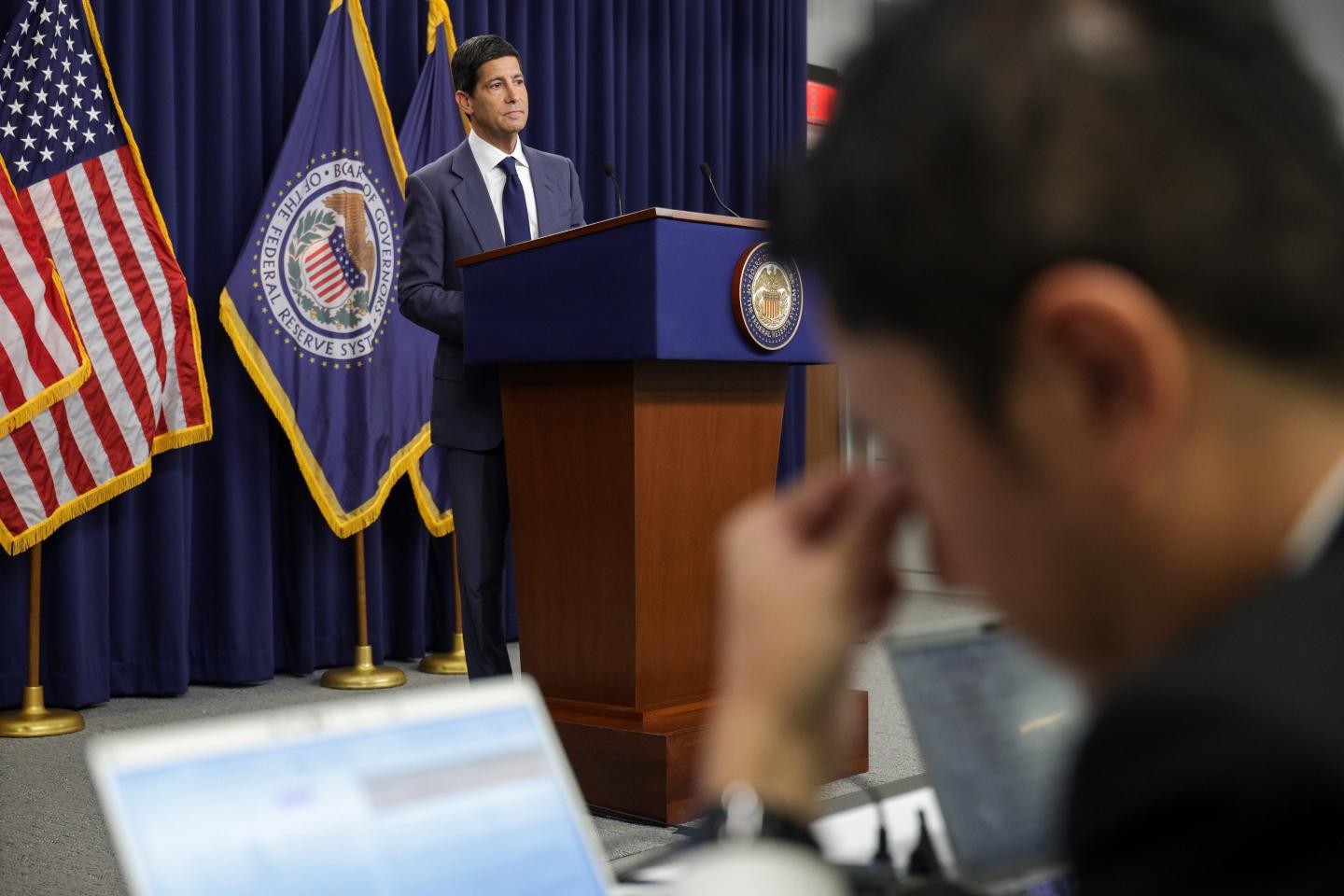
Federal Reserve Chair Kevin Warsh answers questions as he delivers remarks during a news conference following the Federal Open Market Committee meetings at Federal Reserve Headquarters on October 28, 2026 in Washington, DC.
Federal Reserve Chair Kevin Warsh delivers remarks at a news conference following Federal Open Market Committee meetings, Oct. 28, 2026, in Washington, D.C. Alex Wong—Getty Images
Google source logo
Add Fortune on Google for similar content.

Visit a grocery store or gas station, and you’ll notice prices across the U.S. keep climbing. On top of that, the Federal Reserve’s latest minutes suggest that unless you’re in two very niche groups of consumers, you’re probably markedly worse off in terms of income in 2026 compared with last year.

By its very nature, inflation erodes spending power as prices rise. But in a balanced economy, when inflation is at its target of 2%, those increases are offset by income growth, so consumers can still afford goods and services without seeking additional income or eating into their savings.

But in 2026, inflation has been well above the 2% target. The latest inflation readings from the Bureau of Labor Statistics came in at 3.7% over the past 12 months, through September 2026. However, in addition to prices rising above the central bank’s 2% target, Fed minutes from the latest Federal Open Market Committee (FOMC) meeting showed wage growth for most industries lagged well behind price increases.

Recommended Video

The affordability conundrum facing households is therefore twofold: Not only are prices rising quicker than consumers can reasonably expect, but any increases to their income are coming in well short of the new demands on their purse strings.

The Fed minutes from the meeting ended Oct. 28 read that most participants “judged that aggregate nominal wage growth remained moderate and was broadly consistent with the committee’s 2% inflation objective.”

Some sectors are posting wage growth, the minutes noted: Many members “observed that shortages of skilled workers needed for data center construction and related industries had contributed to sizable wage premiums in those industries, while a few noted that reduced labor supply in industries reliant on immigrant workers could add to sectoral wage pressures, although these developments did not appear to be having a material effect on aggregate wage measures.”

These factors are potentially good news for the Fed because they suggest the U.S. is not on the cusp of an inflationary wage-price spiral—making it easier for the FOMC to bring inflation back to its mandated 2% target. A wage-price spiral refers to a feedback loop in which higher labor costs push up production and consumer demand, leading workers to demand higher incomes again to offset the increased cost of living.

However, while it’s one less headache for the Fed, incomes lagging inflation by nearly 2% means consumers already stretched are being spread even thinner.

“Fed members acknowledged that wage growth is consistent with their inflation target—but inflation is not consistent with their target,” noted UBS chief economist Paul Donovan to clients this morning. “This is a subtle way of saying that wages are falling behind inflation.”

But in addition to the industries benefiting from the AI infrastructure boom, Donovan points out that the Fed’s notes convey that “consumer resilience continues to depend on lowering savings rates and engaging in side hustles. It implies labor cost pressures are not an inflation driver.”

The rates problem

The Fed has a few weeks and a handful of data releases before its next rate-setting meeting in December. However, the meeting notes state that the economy is “stable and close to maximum employment” while inflation is ahead of target; this suggests tensions in the Fed’s mandate may call for a rate hike.

Interest rate traders assign a 91% probability of a 25 basis point hike at the December meeting, per CME’s FedWatch. Fed Governor Christopher Waller has gone so far as to call for a 50 basis point increase, saying the central bank needs to “shock people.”

Higher borrowing rates and tighter financial conditions would put further pressure on consumers and the wider economy, a worry for Donovan. He noted that inflationary concerns “focus on oil prices (which the Fed cannot influence) and perhaps AI-related demand (largely beyond the Fed’s reach). The only way to offset those would be to create near-recessionary conditions in the parts of the economy that respond to Fed action.”

Fortune Daily breaks the traditional barrier between audience and newsroom. The show transforms Fortune’s trusted reporting into actionable, conversational, and entertaining insights for an emerging class of business leaders. Watch here.
About the Author
Eleanor Pringle
By Eleanor PringleSenior Reporter, Economics and Markets
LinkedIn icon

Eleanor Pringle is an award-winning senior reporter at Fortune covering news, the economy, and personal finance. Eleanor previously worked as a business correspondent and news editor in regional news in the U.K. She completed her journalism training with the Press Association after earning a degree from the University of East Anglia.

See full bioRight Arrow Button Icon
Google source logo
Add Fortune on Google for similar content.

Latest in Economy


Most Popular

Fortune Secondary Logo
Rankings
  • 100 Best Companies
  • Fortune 500
  • Global 500
  • Fortune 500 Europe
  • Most Powerful Women
  • World's Most Admired Companies
  • See All Rankings
  • Lists Calendar
Sections
  • Finance
  • Fortune Crypto
  • Features
  • Leadership
  • Health
  • Commentary
  • Success
  • Retail
  • Mpw
  • Tech
  • Lifestyle
  • CEO Initiative
  • Asia
  • Politics
  • Conferences
  • Europe
  • Newsletters
  • Personal Finance
  • Environment
  • Magazine
  • Education
Customer Support
  • Frequently Asked Questions
  • Customer Service Portal
  • Privacy Policy
  • Terms Of Use
  • Single Issues For Purchase
  • International Print
Commercial Services
  • Advertising
  • Fortune Brand Studio
  • Fortune Analytics
  • Fortune Conferences
  • Business Development
  • Group Subscriptions
About Us
  • About Us
  • Press Center
  • Work At Fortune
  • Terms And Conditions
  • Site Map
  • About Us
  • Press Center
  • Work At Fortune
  • Terms And Conditions
  • Site Map
  • Facebook icon
  • Twitter icon
  • LinkedIn icon
  • Instagram icon
  • TikTok icon
  • YouTube icon

    Recommended For You

    © 2026 Fortune Media IP Limited. All Rights Reserved. Use of this site constitutes acceptance of our Terms of Use and Privacy Policy | CA Notice at Collection and Privacy Notice | Do Not Sell/Share My Personal Information
    FORTUNE is a trademark of Fortune Media IP Limited, registered in the U.S. and other countries. FORTUNE may receive compensation for some links to products and services on this website. Offers may be subject to change without notice.