There are a lot of new CEOs coming into the market right now. Challenger, Gray & Christmas counted 1,337 CEO exits in the first nine months of this year, including 111 in September. On September 1, John Ternus took over at Apple, with Tim Cook staying on as executive chairman.
When someone takes over a new leadership role, they’re getting a ton of advice. Even the good advice is often too much. “This is what worked really well for us.” “This has been a problem this whole time.” It comes from staff members and even the former CEO.
It’s from the experience and knowledge of all these other people, which is fantastic. But the problem I see is it’s an overdose. You start to lose touch with your own instincts, your own gut. And when you must make the tough decisions your gut already knows, you hesitate.
Keeping the circle tight
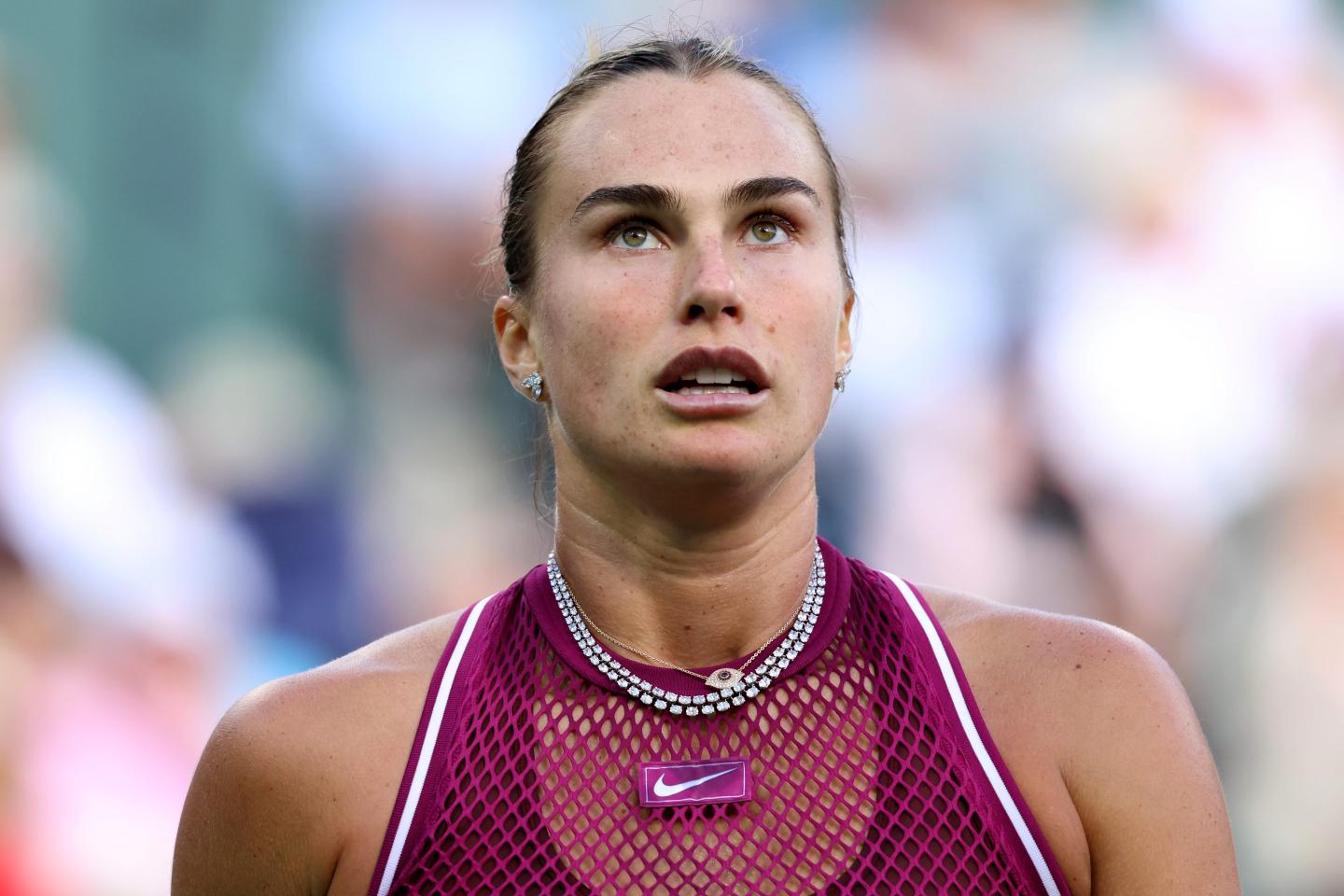
For the past eight years, I have coached Aryna Sabalenka, a multiple Grand Slam champion who has spent more than 100 weeks at world No. 1. She was just named the most marketable athlete in the world, out of all sports. You can imagine how many people are approaching us these days.
Anton Dubrov is her tennis coach. I am her performance coach. A big part of our job is filtering. Whether we’re speaking with specialists, agents or Aryna directly, we’re constantly filtering what’s getting through and who has the access.
In 2022, her serve was falling apart. She finished that year with 428 double faults, more than anyone else on the tour. In San Jose, she lost the same way, frustrated and crying, talking about how we’d done everything. I remember telling her, “We have done everything except the one thing you’re most afraid of”: addressing her serve. What started as a technical issue had become a massive mental barrier.
So we brought in a specialist, a biomechanist. This guy was amazing. The challenge is that when you bring in someone who’s highly specialized, they can find 20 different things to fix. That’s when advice becomes noise and interference.
He wanted to address the rhythm and timing of her acceleration and where she produced it. Her foot placement, her rotation, where and when she loaded her legs, her toss, her general movement quality. Then he wanted to get into her forehand too. All valid points, and way too much at once.
There’s another thing you have to manage. When someone is given an opportunity like that, it’s natural for them to want to find problems they can fix, or to show how much they know. That’s a common human response, and it adds to the noise.
Nothing in a serve works in isolation. So Anton and I sat down with him and worked out which one or two things would influence everything else. We picked two. The first was her left arm, and the direction it was driving down after her toss. The second was the motion of her right arm and the way her right wrist turned over through contact. Improve those two, and much of the rest would self-correct. Everything else on his list, we held back.
Then we decided who would deliver it, and when. He coached her only at specific practices, and only at specific moments within those practices, with Anton always right there with him. Some weeks he traveled with us, same setup. The rest of the time, Anton delivered the message, with me alongside as an outside eye. Anton and I drove the when, the where and the what.
My job was making sure she had the right amount of coaching and enough time to make it her own, and doing the movement training so she could physically do the work. She is the one performing, so it has to match her personality and her style. She can’t just copy and paste someone else’s ideas.
Aryna heard one clear, consistent message, no matter who was delivering it. That built trust that we were on the right track. If we had allowed him to come in and just give tons of advice, she would have started overanalyzing, lost touch with herself and stopped acting. It would have gotten worse.
Instead, a few months later, she won her first Grand Slam at the Australian Open, and she has been consistently dominating the tour ever since.
Where leaders get lost
I see a lot of CEOs run into the same thing. They’re getting a ton of amazing advice, and they lose themselves in all this information. The noise starts to become interference.
The person bringing you advice brings their nerves and their history along with it. Earlier in Aryna’s career, people on the team brought a lot of anxiety into this space. My job was to stand with Anton and step in between her and that noise. Sometimes it meant asking people to leave the team, or at least leave that room. For a new CEO, that urgency can come from your board, or from old team members still emotionally attached to the old plans.
All this advice can also become a hiding place. More meetings, another deck. Leaders feel like they’re being responsible, but their gut knows there are decisions they’re hiding from.
Loyalty starts with you
When I was 13, I was homeless. One of the places that helped me get off the streets and become the person I am today was a dojo, a martial arts school stuck between an adult bookstore and a pawnshop.
The sensei, Jan Sunderlin, used to tell me something I didn’t fully grasp until recent years: “Through loyalty you gain trust. With trust comes freedom. To maintain that freedom, remain loyal.”
I see loyalty as having many layers, and the first layer is loyalty to yourself, to your own code and your gut. That’s what got you this job in the first place. When you have that in place, people around you feel that stability way before you must go out and prove it. This is where real trust comes from. And that trust buys you the freedom to lead the way you need to lead.
Of course the person who got you there needs to grow into the person who keeps you there. But if you let every piece of advice in, it’s going to dilute your code. And when pressure hits, you will hesitate and make decisions that aren’t truly yours.
Write it down before the advice starts
Before your first big meeting, take a piece of paper and write down who you are. What are the values you hold, even if it’s going to cost you? Write down the one or two things you want to achieve your quarter, then your first year.
Then write down whose voice you’re going to trust to filter the advice coming from all angles, the way Anton and I do for Aryna. That might be a chief of staff, a COO or one board member. If the former CEO is still in the building, agree early on how their advice will reach you.
Every time you get a piece of advice, hold it up against that page and ask yourself: Does this make me more aligned with who I am at my best, or is this advice going to direct me to become someone I’m not?
Early days with Aryna’s team, Anton and I used to share hotel rooms and look for the cheapest flights. There was nobody lining up to give her advice on anything. Now everybody is coming knocking on the door, and the job has not changed. It’s still to protect the person who must perform.
Now that’s your job, but the person you’re protecting is you.
We don’t rise to the occasion. We fall back to the level of our code.
In your first 90 days, make sure that code is still yours.
The opinions expressed in Fortune.com commentary pieces are solely the views of their authors and do not necessarily reflect the opinions and beliefs of Fortune.