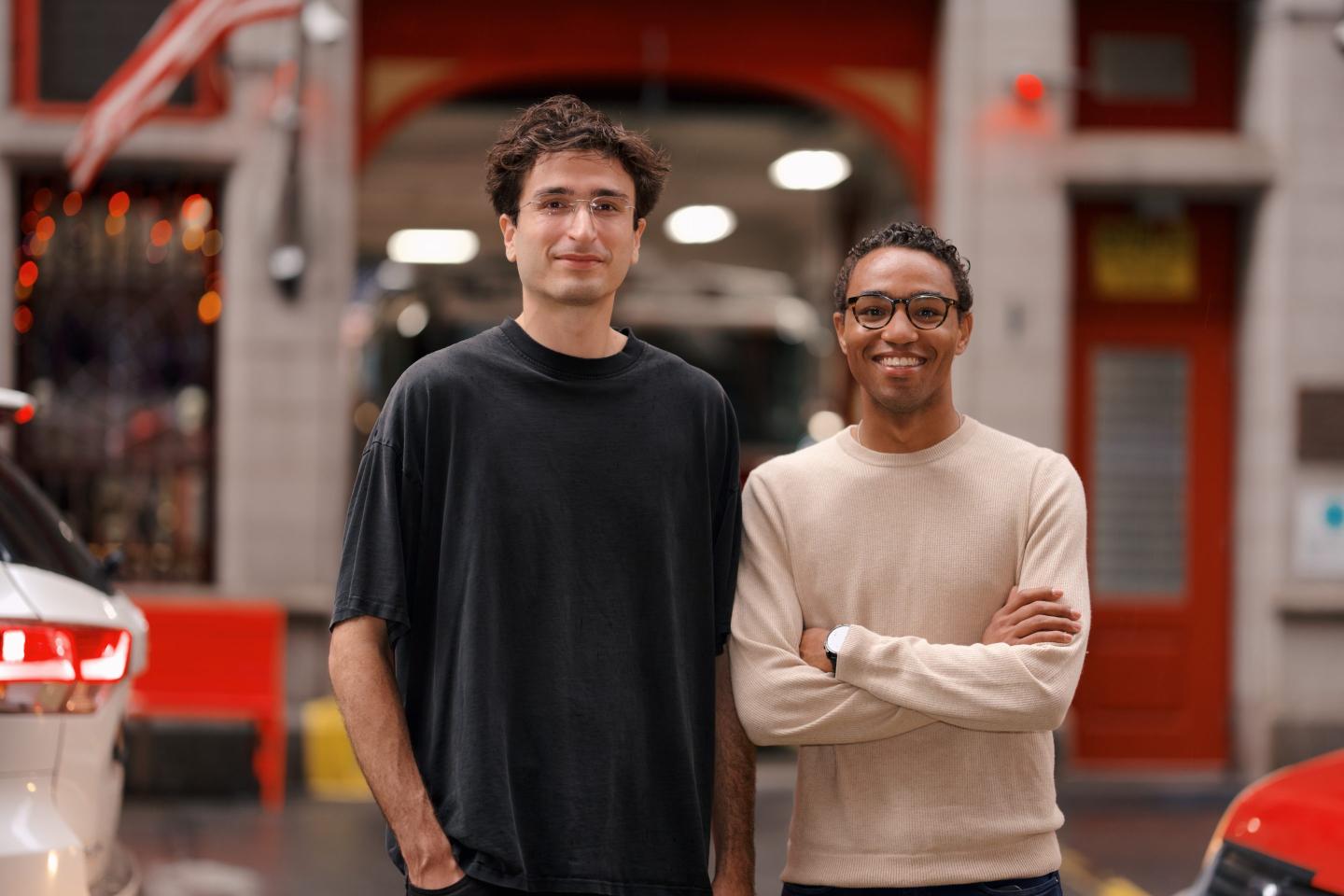
Martin Hunt joined the volunteer fire service at 15 in his corner of northern Delaware, just outside Philadelphia. Along with fighting fires, he eventually took on a less glamorous part of keeping a department running: selling its old trucks.
It was a lot harder than it sounds. A department that buys a new engine often needs to sell the one it replaced to help pay for it. However, finding a buyer meant cold-calling departments across the country or sending the truck to a local auction, where a vehicle that another town could use might unfortunately go for scrap.
Last year, the very same engine that carried Hunt to his first fire went up for sale. His hometown department’s board hoped to get $30,000. Instead, it sold within days for $125,000, Hunt said, on the online marketplace he had built with his cofounder, Alaz Sengul.
Their company, Garage, is building a nationwide marketplace for the trucks that keep communities running. It connects departments ready to sell with buyers who can’t afford new equipment or wait years for it to arrive, because a truck one town has replaced can still have a long working life somewhere else.
Now the 27-year-old former firefighter, who later worked in private equity at Goldman Sachs, has raised $41 million to grow it. The Series B, led by Invus Opportunities, values the startup at $225 million and brings its total funding to $60 million, the company told Fortune.
From cold calls to a company
By 2023, Hunt was a private equity investor at Goldman Sachs when a friend from his old fire department reached out. The friend had taken over Hunt’s equipment duties and wanted to know how Hunt had managed to make it look so easy.
“I told him it wasn’t easy. I just didn’t complain a ton,” Hunt said.
Not much had changed since Hunt did the job nearly a decade earlier. Departments still leaned on auctions and word of mouth, and new trucks had only gotten harder to come by. Instead, Hunt said new truck can cost millions of dollars and take years to arrive.
The call got Hunt and Sengul, whom he met through a mutual friend at Columbia University, thinking about whether those sales could move online. Sengul had worked as a software engineer at Twitter (now X) and later at the AI note-taking startup Mem, while Hunt knew firsthand what the departments they hoped to serve were up against.
So they quit their jobs with no funding and no product, living off their savings as they built Garage. After joining Y Combinator’s winter 2024 batch, they moved to San Francisco and launched the marketplace early that year.
Amazon, not Craigslist
Garage doesn’t own the trucks, and there’s no lot full of fire engines waiting for buyers. Vehicles stay with their sellers until someone buys them, then go straight to their new home, which is often a long drive away. More than 90% of transactions cross state lines, Hunt said, and the average piece of equipment travels 1,400 miles.
Moving an 80,000-pound truck across the country takes more than a “buy now” button. Garage uses AI tools that appraise equipment and coordinate freight, and buyers anywhere in the lower 48 states can punch in a ZIP code for an instant delivery quote. The company also offers financing and optional warranties.
Hunt compares it to adding a T-shirt to your Amazon cart: buyers know the price, the shipping cost, and when it will show up. The goal, he said, is “an experience that feels a lot more like an Amazon than a Craigslist,” even when the item in the cart weighs tens of thousands of pounds and costs hundreds of thousands of dollars.
Still, a fire truck isn’t a T-shirt. Buyers can trade inspection reports with sellers and book video walkarounds, but buying anything used carries risk. “At the end of the day, they’re buying a used trash truck or a used fire truck, and so things do go wrong,” Hunt said.
Garage says it serves more than 1,000 communities across all 50 states and Canada. Hunt said equipment sales through the platform top $100 million on an annualized basis. The company makes money by charging sellers a 10% success fee on buy-now purchases and buyers a 10% premium at auction. Garage did not disclose its revenue.
What towns get back
For sellers, a bigger pool of buyers can mean real money. South Charleston, West Virginia, budgeted a few hundred thousand dollars from surplus sales in 2025 and instead brought in $1.2 million through Garage, Hunt said. The windfall helped pay for replacement equipment and firefighter cancer screenings.
“An extra million dollars has a real impact on a community,” Hunt said in a statement to Fortune. “Those funds can be reinvested in schools, roads, and local employees without increasing the burden on taxpayers.”
Burlington, Vermont, had previously sold surplus fire equipment through local auctions, often with little to show for it, Fire Chief Michael LaChance said in a testimonial on Garage’s website.
“Basically, we’d take what we could get, which wasn’t much,” he said.
After using Garage, LaChance said, “We got about five times more for our equipment selling with Garage than we did on our own.” According to the company, the proceeds will help replace the department’s command vehicle.
The new funding will go toward hiring and expanding into public works and sanitation. Fire trucks, it turns out, aren’t the only rigs looking for a second life; private sanitation companies are already Garage’s fastest-growing customer segment, Hunt said.
Even in fire, where Garage calls itself the largest source of used trucks in the country, Hunt estimates the company works with about 1% of the market.
“Even in our largest categories, we have a long way to go,” Hunt said.