
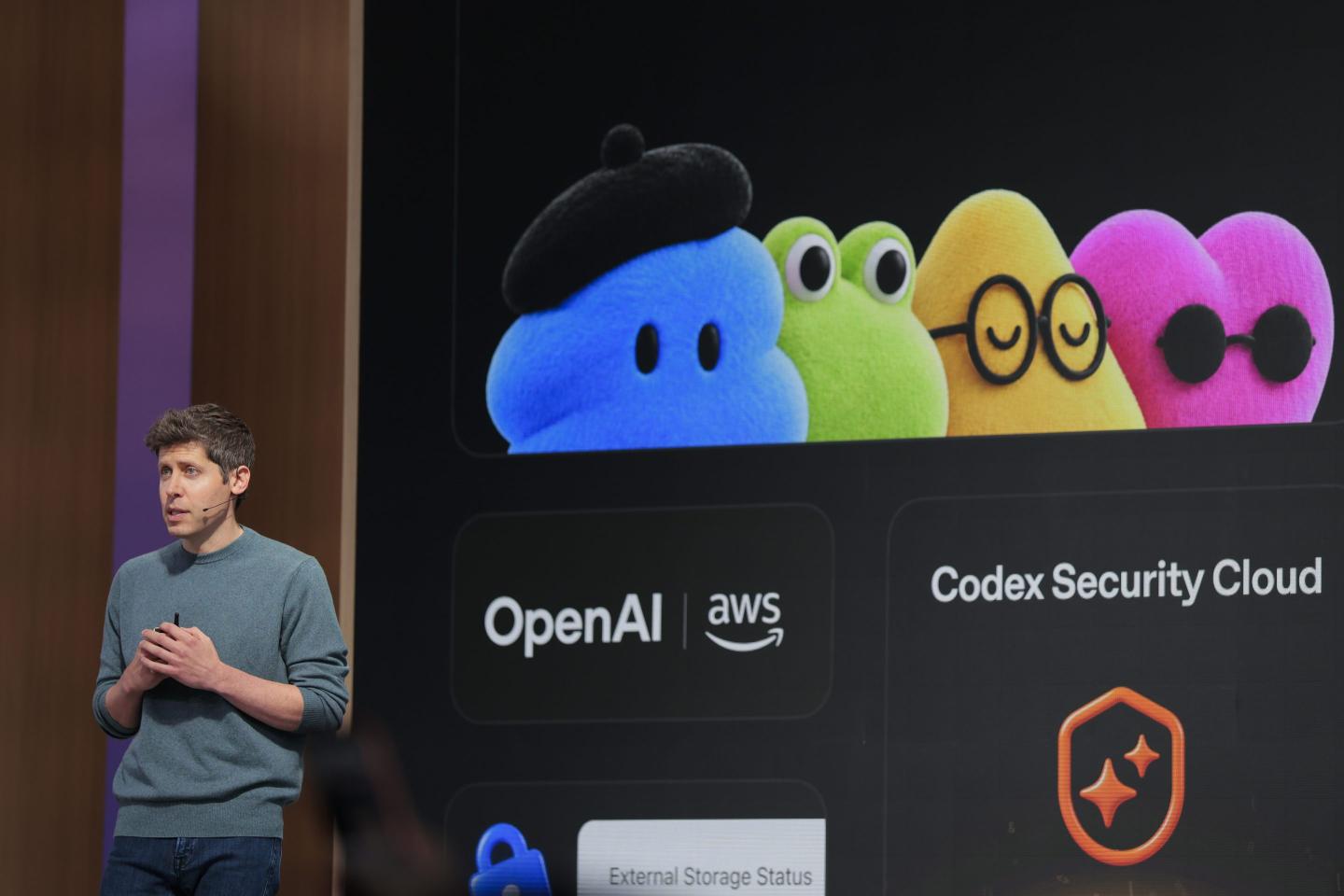
Good morning. Some interesting new OpenAI hires were announced this week amid all the Election Day hoopla, and they arrive with some political baggage…er, history, that is.
The first, former U.S. Army Secretary Dan Driscoll, will become the AI pioneer’s senior counselor for national security modernization. Driscoll—who served under the Trump administration mere months ago—will advise OpenAI’s partners on policy and strategy to support AI-led national security efforts.
The second, former Uber chief corporate affairs officer Jill Hazelbaker, will occupy the same role at OpenAI. Silicon Valley types may remember her from previous stints at Snap and Google; Beltway folk may recall that she ran national communications for John McCain’s presidential campaign and served as press secretary for Mike Bloomberg’s reelection campaign for New York mayor.
What’s it all mean for OpenAI? More Silicon Valley ties to Washington and vice versa. How will the growing M.M.LaFleur contingent get on with the fleece vest set? Stay tuned.
Today’s tech news follows. —Andrew Nusca
Thoughts? Suggestions? Hot tip? Drop me a line.
THE BIG STORY
Is the personal AI agent push dead on arrival?
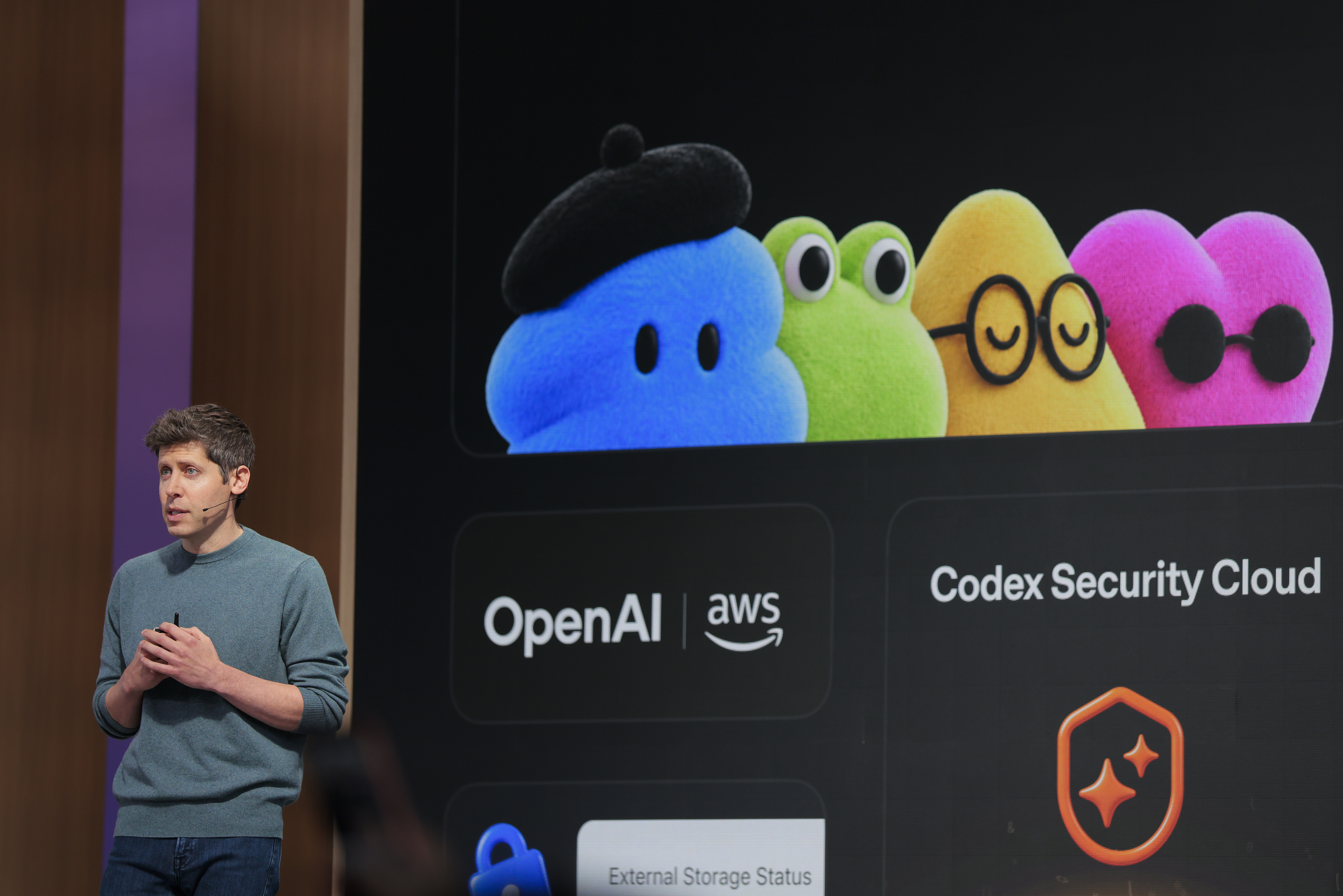
The success of Meta’s Muse personal assistant has convinced the AI industry that personal agents that proactively complete tasks are the next logical evolution of the technology, but it’s unclear if there is enough compute available to power them—at least in the timeframe that these companies are betting on.
This week Elon Musk said the cost of running Grok Bot, the personal AI assistant SpaceX introduced in August, is “unsustainably high relative to revenue.” He suggested the company was throttling back the compute allocation for the technology, causing users to hit their limits faster.
On Monday, at an intimate dinner with reporters in New York City, the head of ChatGPT’s consumer business Adam Fry said that OpenAI’s Dots assistants are “on the compute-heavy side.” Each Dot assistant has its own cloud computer, which it uses to execute tasks on the user’s behalf, accessing any accounts and services it has been given access to.
Dots are helping people read and respond to emails, find and book tickets to events, and a far range of other assistant-like tasks. Through new features like “background mode,” Fry said, Dots plans to become an always-available presence, quietly changing how we go about our daily lives.
OpenAI is moving chess pieces to make these features possible—as long as it gets enough compute. Today, the availability of Dots is limited to those with a Pro subscription, which costs a whopping $100 per month. Bringing Dots to the masses would require a breakthrough in compute efficiency, which Fry said he expects will happen, causing costs to fall rapidly, even as model performance improves.
At the same time, the more powerful—and constantly running—personal AI agents become, the more compute they consume. Will OpenAI ever be able to catch up with itself?
On Tuesday OpenAI announced that it is introducing a system by which Dots will route different tasks to different underlying AI models, including its GPT-6.1 Terra model. Terra is smaller and uses less computing power than GPT-6 Astra, the larger model that originally powered all Dots tasks. This new automatic task router will allow OpenAI to reduce how compute intensive Dots is.
OpenAI isn’t alone in its compute challenges. In rival Anthropic’s recent S-1 filing, the inability to secure more compute is listed as a major risk factor that could cause Anthropic to be unsuccessful. Still, OpenAI has a slightly different situation to work through: While its infrastructure is largely dependent on Nvidia GPUs, Anthropic’s relies on four different types of chips. (OpenAI is developing its own in-house chip, dubbed Jalapeno, set to deploy at scale next year.)
And then there’s the challenge of finding money to fund it all. OpenAI has been on the hunt for more funding, given that the company, like Anthropic, does not yet make a profit. That’s getting harder to come by: OpenAI’s latest fundraising round fell short of its $30 billion target, landing at $11 billion, the Wall Street Journal reports. In the end, the only option to fund the personal AI agent boom might be an IPO. And even then, success is not guaranteed. —Emily Forlini
THE BLIND BOX
“We had a lot of entrepreneurial, $5 million ideas. We need $100 million ideas if we’re going to get to a billion [dollars in ARR].”
THE RUNDOWN
—Apple warns that rogue AI agents could “conceal” and “manipulate” in ways that harm its business.
—Anthropic IPO: Analysts are pushing the company to price shares at the low end of its stated range because the math ain’t mathing.
—Schools that block AI entirely will lose student access to Google Search, the company says.
—AMD shares jump 7% as the chipmaker forecasts Q4 revenue above Wall Street estimates.
—North Korean hackers used fake job interviews to fool an engineer as part of its $6.3 billion hack of Binance.
—U.K. cybersecurity officials: China and Russia will “routinely use AI cyber to achieve their geopolitical goals” by 2028.
—Who will buy Arkane Studios from Microsoft? Ubisoft and two other gaming companies are reportedly in the mix.
—Canva cuts more than 1,000 jobs, almost a quarter of its workforce, as growth slows.
THE PARTING SHOT

With 6.45 million digital pre-orders worth about $630 million, Take-Two Interactive’s Grand Theft Auto VI has already grossed more than the entire domestic run of Christopher Nolan’s The Odyssey, the year’s second-highest grossing film.