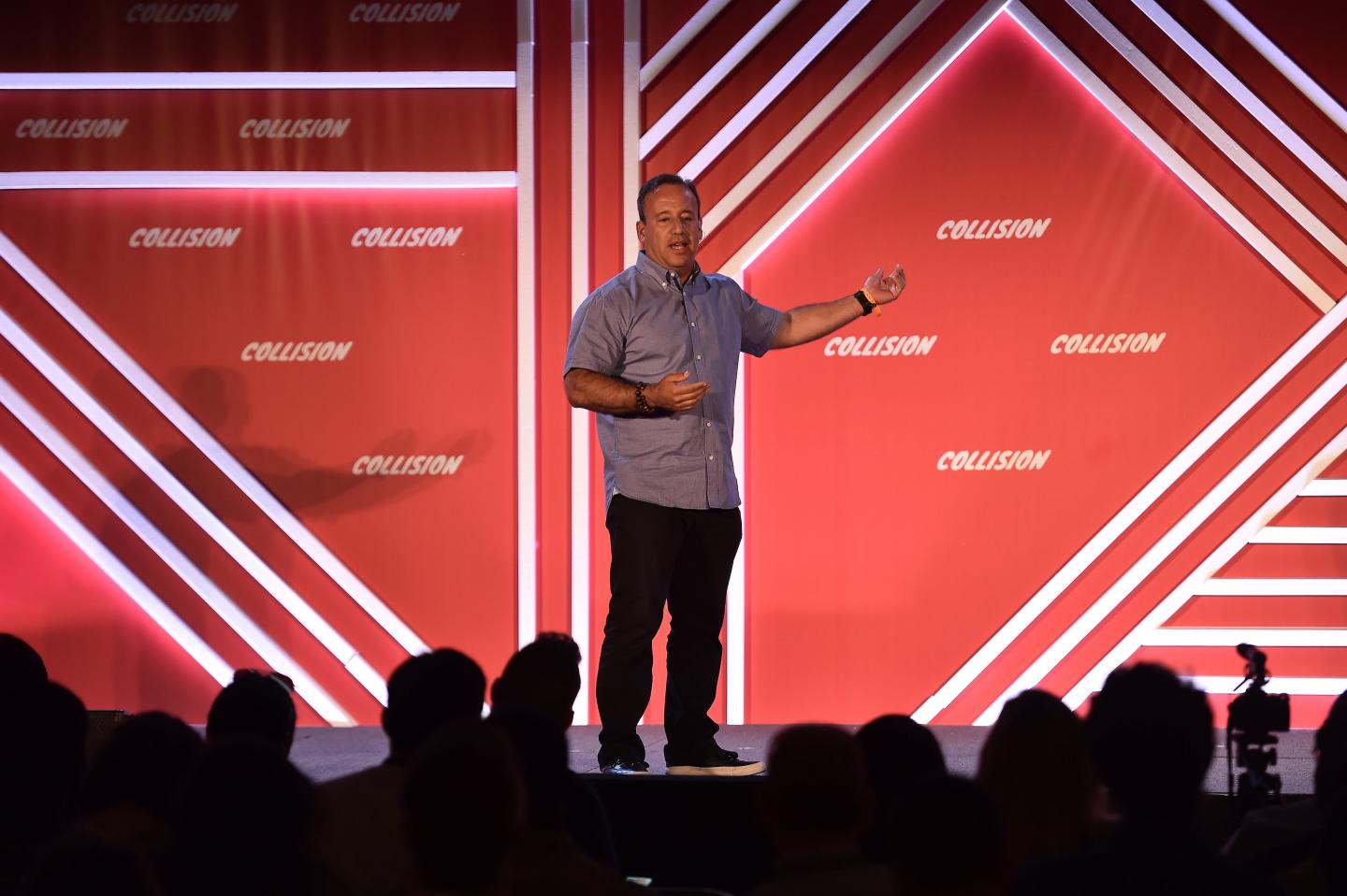
College sports have long been big business, but the game has changed fast for the athletes on the field. They have been turned into paid players and brand spokespeople without the guidance and support they need to succeed, according to David Meltzer, an author, entrepreneur, and podcast host who has worked both sides of the negotiating table. He was CEO of Leigh Steinberg Sports & Entertainment, the agency that inspired the film Jerry Maguire. He also cofounded Sports 1 Marketing with Hall of Fame quarterback Warren Moon.
Meltzer sat down with Fortune for a wide-ranging conversation about the state of college athletics and name, image, and likeness (NIL) deals.
Why NIL is still the Wild West
College athletes have been allowed to earn money from their name, image, and likeness since July 2021. They can sell those rights to brands, collectives, donors, and their own followers, and since the House v. NCAA settlement took effect in 2025, they can also be paid directly by their schools. Yet the marketplace remains opaque, even as it has ballooned. NIL platform Opendorse now estimates that athletes will be paid $4.5 billion in the 2026–27 academic year, counting both revenue sharing and third-party deals.
Meltzer’s short answer for why NIL still struggles is that it lacks a framework and trustworthy advocates. He told Fortune that in the early days of NIL, three large universities approached him about serving as general manager of their collectives. Collectives are the groups that pool money from alumni, boosters, and local businesses to fund NIL payments. He turned all three down because there was so little regulation, transparency, or protection for students.
He says those problems remain unresolved. “(NIL) is the Wild, Wild West. There are so many variables—the collectives and agents that are uncertified and parents who are involved in a younger child’s life, they’re often high schoolers going into college (and) a lot of parents are the problem today because they actually are negotiating and keeping the money.”
Meltzer said he understands why some parents feel that way after years of sacrifice and big bills for private lessons, clinics, and travel sports. Whatever their motivation, he said, families need more support from schools. “The most difficult mistake is athletes trusting their parents, who definitely don’t know what they don’t know…I would concentrate on parent education. That’s the only constant that is going to start creating some sort of framework to protect and promote the best interests of the student athlete.”
An advocate before an agent
Meltzer said he doesn’t have all the answers, but he proposed a free-market fix. Before hiring an agent, athletes should hire an advocate, paid out of future NIL or sponsorship revenue. The role would work like a patient advocate in health care, who helps people understand their options and choose the best care and resources available.
“They could hire an advocate who has experience helping choose the right agent, facilitate all the different marketing PR, branding, all the opportunities because those relationships with the brands are essential,” he said. “Advocates are the facilitator and aggregator of the right people and can explain everything and not allow anybody to manipulate one part of the equation.”
Law schools step in
Some universities are already stepping up. Law schools from coast to coast now offer free help to athletes, especially those with smaller deals or on lower-profile teams outside football and basketball. Brooklyn Law School launched a Sports Law Clinic this year that offers free legal services to athletes. UC Berkeley Law’s Berkeley NIL Initiative helps Cal athletes, particularly those in non-revenue sports, review and negotiate their own contracts.
Meltzer thinks colleges should take an even bigger role. In his view, schools should either regulate agents directly or do it through their collectives. “Each university could accept certain agents to represent different players or they could have each school, in order for a player to accept NIL (payments), they would have to go through a (NIL) orientation.”
Agent oversight in college sports is far weaker than in the pros. Agents who represent professional athletes are certified by players’ unions under collective bargaining agreements. College athletes aren’t considered university employees and don’t have a union, so their agents answer only to a patchwork of state laws that vary widely in scope and enforcement. The Federal Trade Commission has begun asking schools about agents’ compliance with federal law.
Congress and the Big Ten move toward guardrails
Signs suggest more regulation is coming. On Oct. 28, the Big Ten approved a rule capping how much its 18 schools can be involved in athlete pay at about $49 million per school. That total includes up to $27.5 million in school-arranged third-party NIL deals plus direct revenue sharing. The conference said the cap approximates the economic framework of the Protect College Sports Act, which the Senate passed 77–22 on Sept. 28.
The bipartisan bill, led by Sens. Ted Cruz (R-Texas) and Maria Cantwell (D-Wash.), would set national rules for NIL deals, athlete pay, and recruiting. It would also limit athletes’ ability to transfer freely, rein in predatory agents, and require schools to maintain women’s and Olympic sports. Its fate in the House is uncertain, and the chamber isn’t scheduled to return from recess until Nov. 9.
Meltzer is skeptical the bill will fix college sports. “They don’t know enough about (college sports). Even if they did, there’s too much unknown today. The impact that’s going to have is going to be very minimal, if anything passes. Nonetheless, I’m a big fan of creating policy that doesn’t work to (eventually) get the policy that does.”
‘Show me who you associate with’
Meltzer’s latest book, Don’t Do Business with Dicks: How to Ditch Toxicity and Align Yourself with Positive Influences, published in February, is about working with the right people and putting yourself in the right place to find opportunity. The title is meant to grab attention. Meltzer says the real lesson, for student athletes, his own kids, and anyone else, is in the subtitle.
“Show me who you associate with: partners, friends, business people and I’ll show you your future. Make sure you surround yourself with the right people and the right ideas.”
Read more of Fortune’s college sports coverage: