
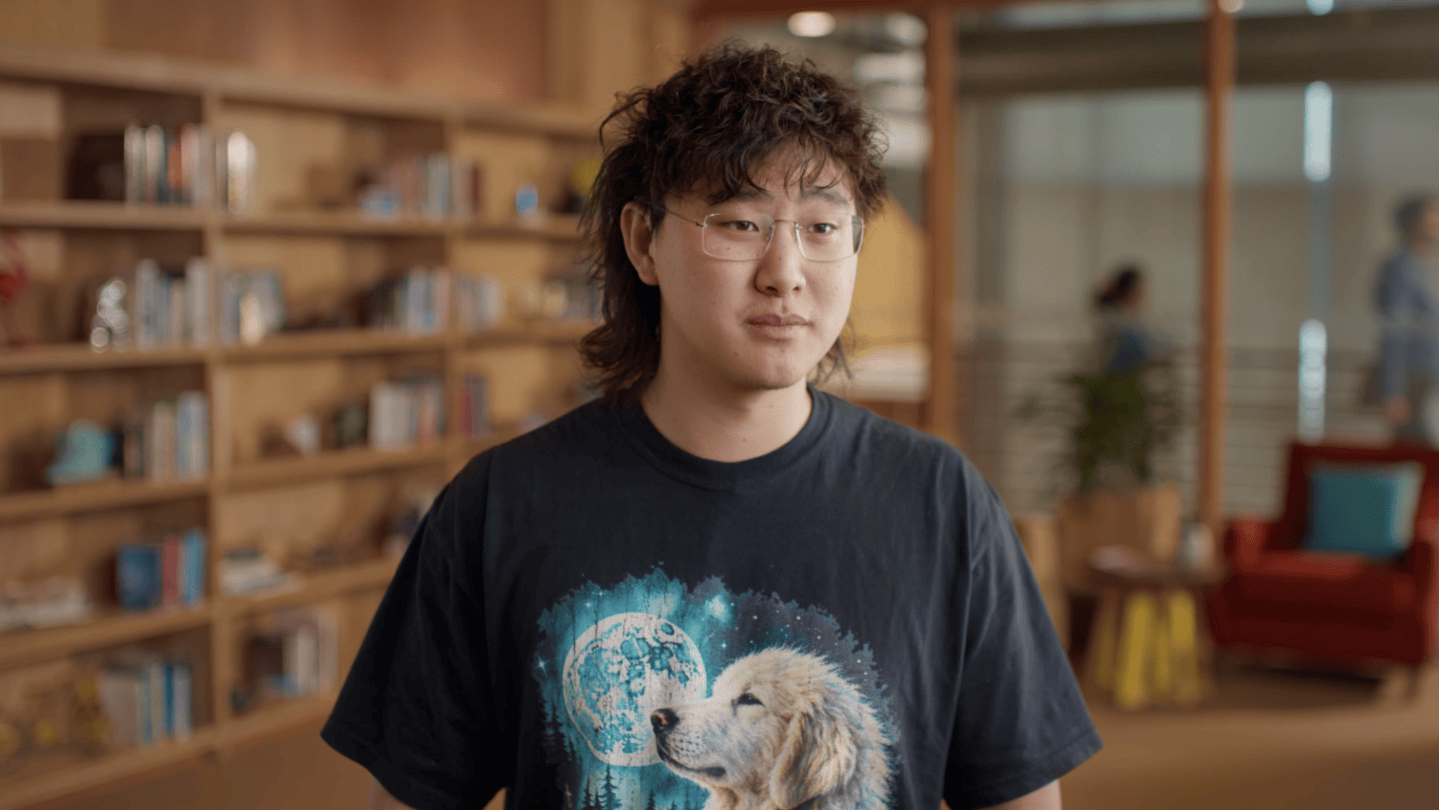
Good morning. I’m on the ground in drizzly Las Vegas today for Workday Rising, the HR software company’s annual customer conference.
In tribute to our new Fortune Future 120 list, which we published last week, I moderated a spirited panel discussion about what it takes for companies to generate growth from within—the technology, the talent, and yes, the techniques—in our so-called Age of Intelligence.
What knowledge did Workday CIO Rani Johnson, Samsara CIO Stephen Franchetti, and BCG managing director Ketil Gjerstad drop on our audience of top IT execs about embracing AI in the enterprise?
As always, a haiku:
Make it safe to say:
Let a thousand flowers bloom
Then mow most right down.
Today’s tech news follows. —Andrew Nusca
Thoughts? Suggestions? Hot tip? Drop me a line.
THE BIG STORY
Meta introduces Muse Wonder, its answer for agentic frontier AI
There have been two running questions for ever-pivoting Facebook parent Meta about its turbulent AI efforts.
First: Will the 2025 revamp of its Superintelligence Labs group result in more competitive AI output?
Second: Will its $145 billion capex spending spree pay off?
Meta spent much of this year trying to tackle the first question. The company first captured everyone’s attention with the April launch of its Muse Spark family of LLMs, then last month with the launch of its personal AI agent Muse.
On Monday, the company doubled down with the launch of Muse Wonder and Muse Wonder Full, which it calls its frontier models for agents.
Now hang on, you’ll say: Isn’t Muse Spark supposed to be agentic? It is—but Meta’s new Muse Wonder duo is bigger, smarter, and by extension slower than its sparky sibling.
That’s what frontier AI models are all about, and that’s why Muse Wonder was trained at Meta's gigawatt-scale Prometheus data center. (And yes, it will power some experiences inside the Muse agent, as well as develop future specialized AI models.)
In a blog post detailing various benchmarks, Meta says its new models can hang with frontier peers like OpenAI’s GPT-6 Astra as well as Anthropic’s Claude Fable 5.1 and Opus 5.5.
The company also touts two new capabilities of the models: Active Memory, which it describes as the ability to carry context across conversations, and Active Focus, which it describes as a kind of resilience when initial approaches don’t achieve the task at hand.
And what of that pesky second question about ROI? Unlike peers, Meta has predominantly dedicated its AI efforts to working within its consumer-focused platform ecosystem. While its agents are unlikely to process your department’s expense reports or redline corporate contracts—chances are high your employer prefers an enterprise-ready alternative—they are more than happy to navigate your insurance claim, understand your apartment lease, or build you a mobile app for your small business.
All of that helps Meta diversify its revenue away from the digital advertising that currently accounts for upwards of 98% of Meta’s $201 billion in annual revenue.
It will take an awful lot of Muse subscribers to move that needle, but it’s not impossible. Deutsche Bank analyst Benjamin Black mused only last week that Meta’s personal AI agent could conceivably represent up to 8% of Meta's revenue by 2030, or about $36 billion in sales. Is it enough to offset all those AI engineers’ salaries? Not a chance. But no one knows better than Meta that the status quo won’t cut it. —Andrew Nusca
THE BLIND BOX
“We do see this as an opportunity that extends for quite some time.”
THE RUNDOWN
—Microsoft reveals homegrown silicon. The third generation of its AI chip, the two-nanometer Maia 300, is intended to be the company’s “primary AI inference system.”
—Cyberattacks led French supermarket refrigeration systems to heat to 50°C for hours.
—Google’s new Fitbit Edge fitness tracker: Replaces Charge 6, ships Oct. 27, costs $180.
—Bumble may go private at a $1 billion valuation, sending shares skyrocketing.
—Microsoft Science’s outgoing prez plans to join…the Mercedes F1 team?
—Epic delays the release of an upcoming Disney game and reportedly tells developers to use AI to finish it.
—Elon Musk contributed more than $276 million to Republican Party interests since July.
—Corporate crypto buying: “Put the word out there that we back up.”
THE PARTING SHOT
What’s the big thing stopping AI?
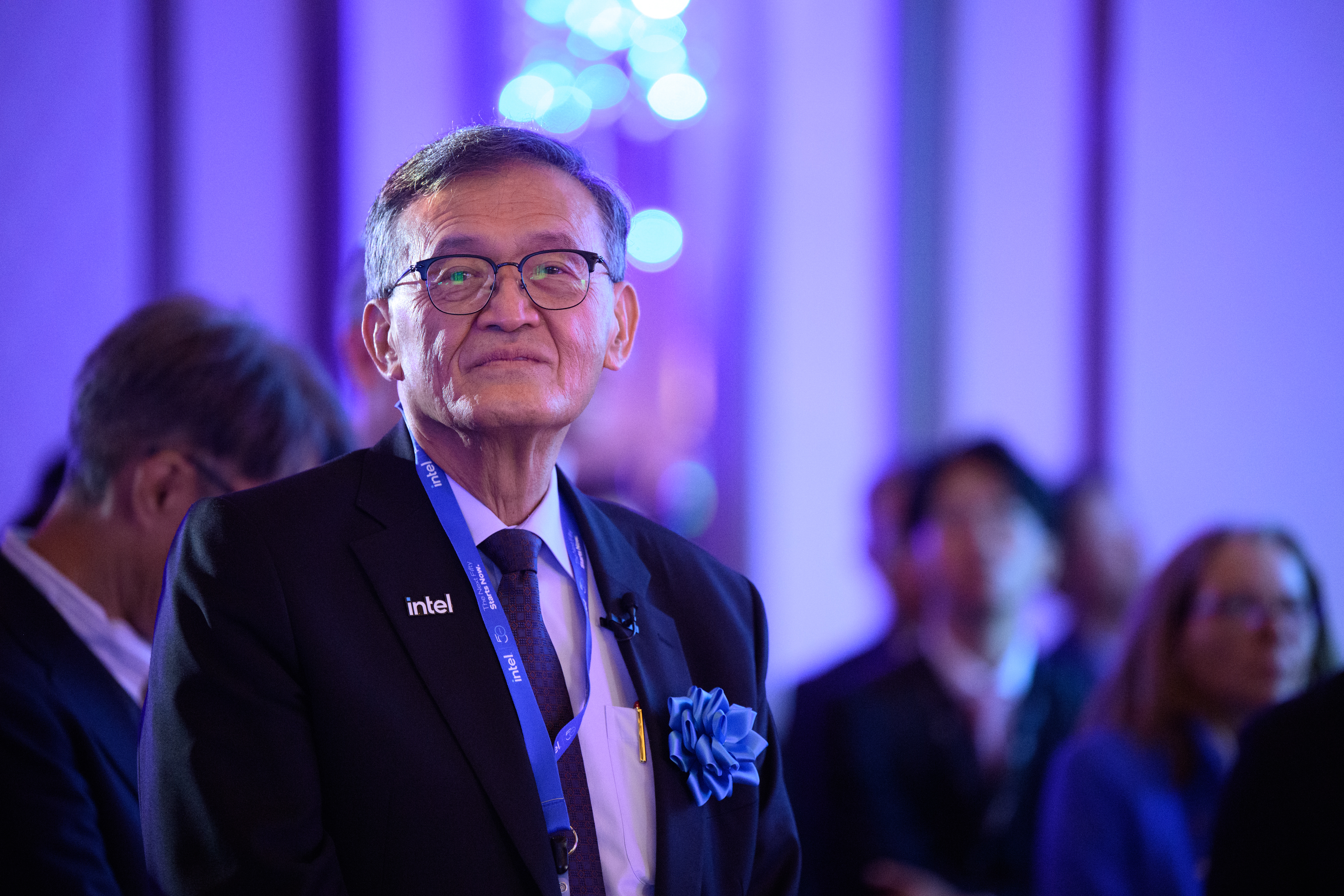
According to Broadcom CEO Hock Tan and Intel CEO Lip-Bu Tan (no relation), who spoke in Singapore yesterday, it’s not the availability of memory chips, or evolving regulations, or even the recent habit of autonomous agents crashing everyone’s parties—it’s cold, hard money.
“The biggest constraint is capital,” Broadcom’s chief said.
Intel’s chief agreed: “If there’s any challenge in the front, it’s capital and the cost of capital, and then the other part is in the longer run, people want to see the ROI.”