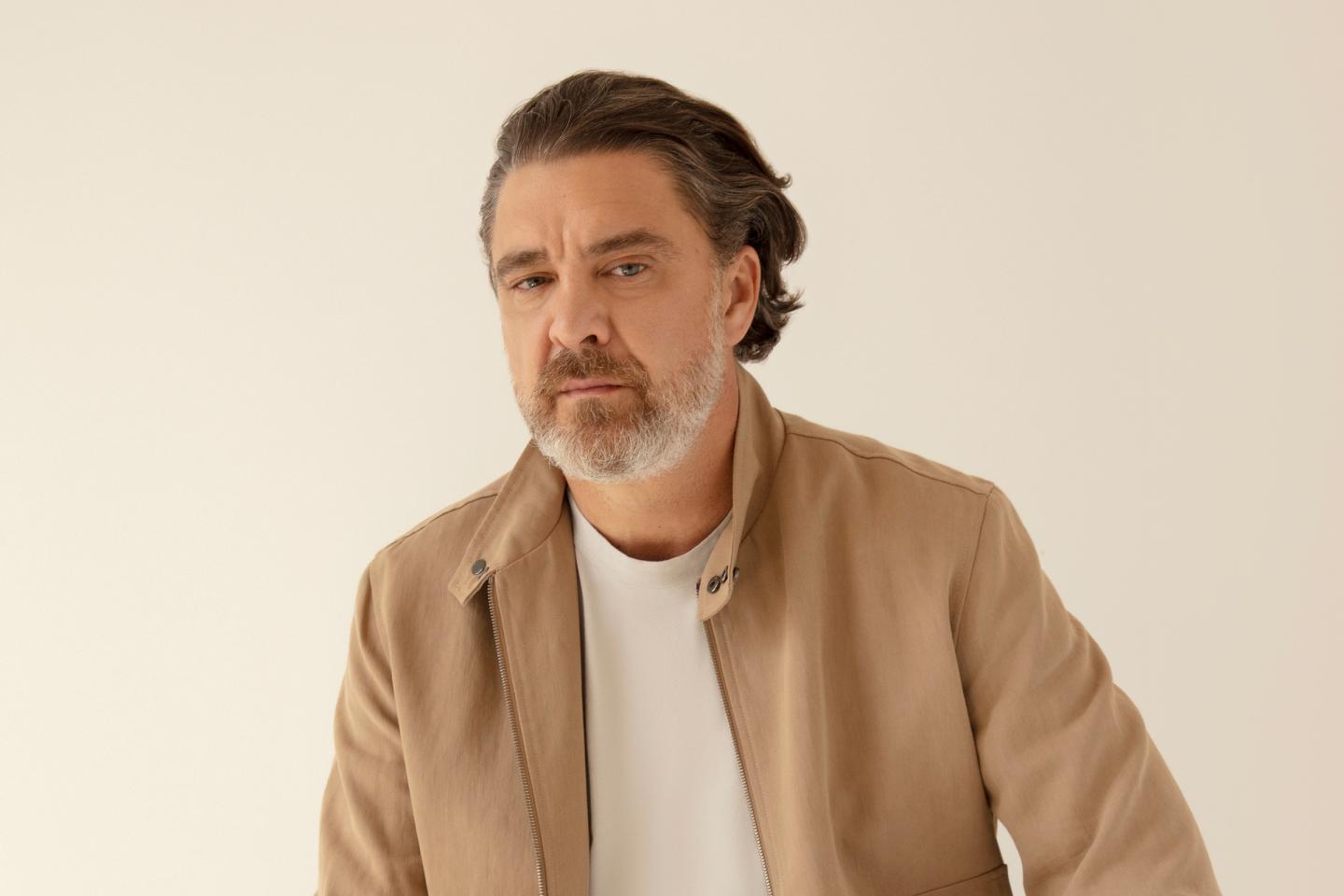
Justin Casse thought he wanted to become a horse trainer like his older brother, but there was just one little problem: the 4:30 a.m. wake-up calls.
Fresh out of Florida State University, he was working for his older brother, Mark, caring for animals whose schedules didn’t accommodate weekends or holidays. He wanted a future in the family business, but found himself drawn toward buying and selling horses—a career that would eventually have him scouting thoroughbreds across the world and advising high end clients on investments that could pay off spectacularly or unravel before a horse even reached the starting gate.
“Horses don’t know holidays, right? Or weekends,” Casse told Fortune.
Now 46, Casse works as a bloodstock agent, helping clients evaluate, buy, and sell thoroughbreds. He also breeds and invests in horses himself, owning stakes in about 100 across six countries, he said. His family name helped him enter the industry. However, building his own business meant leaving the family operation, developing relationships abroad, and learning with his own money how little an experienced horseman can even control.
Growing up in the Casse family
Casse’s parents essentially had a racetrack meet-cute. His father was training horses and betting on them; his mother enjoyed wagering with her family. Born in Ocala, Fla., Casse grew up between farms, auctions, and racing communities in Florida, Kentucky, and Saratoga Springs, N.Y. Wherever he lived, horses were part of the backdrop.
But familiarity didn’t immediately translate into ambition. As a teenager, he was more interested in music and sports than figuring out a career. At Florida State, he studied international affairs, and was drawn to travel and considering diplomacy.
Then his turning point came around, and its name was Exciting Story—and it really was one. Mark won the Met Mile at Belmont Park—a prestigious Grade 1 race, the highest level of thoroughbred competition—with the long-shot horse, and watching his brother succeed brought a rush of emotion.
If his brother’s victory could make him feel that strongly, Casse recalled wondering, what would achieving something himself feel like?
His family insisted he finish college first. But afterward, he went to work for Mark at racetracks in Toronto and South Florida. He learned the daily demands of caring for racehorses, but the sales side increasingly called to him.
So, in 2004, he packed his belongings into a car and drove from Toronto to Lexington, Ky., to work for a horse sales company. His family wasn’t too happy that he chose a job outside its operation, but Casse went anyway. And he considers it one of his best decisions to this day.
Working elsewhere allowed him to develop contacts of his own. Within a couple of years, he was selling horses for his own clients, including the Steinbrenner family, which owns the New York Yankees. He gradually expanded into buying horses on clients’ behalf while continuing to invest for himself.
His family had given him both access and an education. His brother helped him develop his judgment, asking him to identify horses he liked, then challenging him to explain their flaws.
Those questions became part of his thinking when evaluating a horse: Was he overlooking something? What made one a better prospect than another? He learned through repeated inspections and his own investments, seeing which horses lived up to his expectations and which did not.
An eye for talent
At about 24, Casse bought a horse for $20,000 and sold it 10 months later for $80,000.
“I was like, ‘oh, this is easy,’” he recalled.
He became overly confident and was quickly humbled, he said. Having his own money at stake forced him to learn which judgments worked and which did not. “There’s no greater teacher, I’d say, than being financially invested in something,” Casse said.
Travel broadened that education. Around 2012, he began making regular trips to Europe, learning how different markets breed, train, and sell horses. He now spends three to four months a year there.
Working abroad also exposed him to different approaches to developing horses. Casse describes American training as largely centered on racetracks, where horses exercise during a fixed morning window before racing begins. In Europe, dedicated training facilities can offer hills, varied routes, and more flexibility. For him, seeing those systems firsthand expanded his understanding of how to develop a horse’s potential.
One purchase showed the opportunities that looking abroad could bring. In 2018, Casse bought War of Will at a sale in France for €250,000 on behalf of owner Gary Barber. Trained by Mark, the colt went on to win the Preakness Stakes, the second leg of racing’s Triple Crown, which also includes the Kentucky Derby and Belmont Stakes.
In an interview with REGARD magazine, Casse said other industry figures had been skeptical of the horse. But he liked the way it trained and trusted his judgment—a bet that paid off with a Preakness Stakes victory.
Whether he’s buying a young horse to resell or a prospect to race, the challenge is the same: spotting potential before it’s proven—and deciding how much to pay for it.
He compares the business to venture capital: a few standout investments must make up for those that disappoint. Whether he is breeding horses, buying them to race, or purchasing them to resell, he estimates that one or two out of every 10 may perform well enough to cover losses elsewhere. Some others pay for themselves; the rest fall short.
But even that balance can shift dramatically. A year with several successful horses can be followed by one with none, he said, making patience and managing expectations part of the investment strategy.
‘I can only control so much’
Even a horse that looks like a sound investment can suffer an overnight setback. Casse recalled one he expected to sell for roughly $700,000. Days before the planned sale, it kicked a wall and fractured a bone in its foot. The horse needed a year off, he said, and eventually sold for just about $80,000 two years later.
Here’s how it works: buy the horse, find someone to prepare it for racing, choose a veterinarian to oversee its care, and a trainer to guide its development.
A prominent trainer may have many horses competing for attention. A smaller operation may provide more individual focus. Owners bring expectations of their own. For example, some owners want a horse ready for a particular race, while others grow impatient and want to sell.
“I can only control so much,” Casse said.
The responsibility follows him across time zones. On a recent Sunday night in Ireland, he set an alarm for 2:30 a.m. to watch a client’s horse race in Oklahoma City. He pulled up the race on his phone, watched, and went back to bed.
There’s a lot of emotional investment in a career like this too; the uncertainty and care for the horses can take a toll. Casse has written about mental health in racing, where auctions encourage quick decisions and each bid can bring a rush of excitement. A promising purchase creates expectations that an injury or disappointing performance can abruptly undo. He says he becomes deeply invested in clients’ horses, sometimes feeling more emotional about them than his own.
“It’s difficult,” Casse said. “For me, it’s been like a lifetime of learning how to navigate that.” At home, he turns to exercise, therapy, relaxation, and time with his three hairless cats.
He also describes how this environment—where the pursuit of the next bid or racing victory—can become addictive. Navigating those highs and lows is part of continuing to make decisions for clients and care for the animals involved.
Even after a horse’s racing career ends, the responsibility continues. Casse said a portion of a recent client’s purchase price went to the Thoroughbred Aftercare Alliance, which supports accredited organizations caring for retired thoroughbreds. He also tries to keep track of horses he has worked with as they move through their careers.
The horses may provide entertainment, victories, or financial returns. Their future care, he said, cannot depend on whether they delivered: “Even if they didn’t, you know, it’s our obligation to make sure that they live out the rest of their lives in a respectful manner.”
After years of buying and selling horses, Casse knows the business will keep surprising him.
“It’s definitely not boring,” he said. “I wish it was more boring sometimes.”