
When I moved to Vermont in 2020, clearing snow off my deck was the only thing that stood between it and collapse. For two winters, I spent more than five hours a week shoveling. I was cold and sore I and eventually threw out my back. There’s a fine line between building character and building a relationship with your chiropractor.
Finally, I bought a snowblower. Those hour-long shoveling sessions shrank to fifteen minutes.
The real win was that the reclaimed time didn’t vanish into scrolling. I reinvested those four extra hours each week into systems that mattered, some days building revenue for my business and other days practicing my photography hobby. One small tool upgrade set off a cascade of improvements across multiple areas of my life.
I began to wonder what other tools could buy back time. I looked beyond snowblowers—first to other physical gear, then to software—and realized this was about far more than gadgets. It was a philosophy I’d call Practical Materialism: investing in tools that make a material difference in the quality of your life.
A tool is any physical or digital product that makes a system more effective. With limited energy and money, you want the biggest return on every investment.
I’ve distilled this philosophy into three core principles.
The first rule: Buy your time back
Some purchases in life are force multipliers: small upgrades that create outsize improvements in how we live.
An air fryer, a key finder, or a robotic vacuum are a few examples of physical products that give you time back. The point is to consider what a purchase allows you to do with the hours you reclaim.
In my case, the snowblower replaced a recurring chore that was consuming more than five hours every week. The purchase mattered because I used the time it saved for things that mattered to me.
That’s a useful question to ask before buying a tool: What will it make easier, and what will I do with the time it gives me?
The second rule: Consider the lifetime utility of the tool
We spend one-third of our lives in bed. A quality mattress is one of the best purchases you can make. Calculating cost per use helps clarify spending choices that might seem extravagant at first.
Items like a great mattress, high-speed internet, or an ergonomic chair seem pricey up front. But when you spread the cost over their lifetime, they can represent much better value than the sticker price suggests.
Here’s what that looks like in real numbers: A $1,000 mattress that lasts ten years and is used every night costs approximately $0.27 per night. Based on eight hours of sleep, that’s about three cents per hour. Two people sharing? Cut that number in half.
About three cents per hour for better sleep? Sign me up.
The secret is to focus on long-term possessions. Here’s an easy rule of thumb called the 1,000-Hour Test. If you’ll use something for more than one thousand hours, it’s usually worth buying. Two hours a day gets you there in under eighteen months. Eight hours a day? Just four months. Pillows, walking shoes, and a quality work bag all make the cut.
The test shifts your attention from the price alone to the amount of use you’ll get from the purchase.
Cost per use has two levers: Use it more often or lower the up-front cost. When making a big purchase like a laptop, appliance, or camera, ask: “Is this the best price you can give me if I buy it today?”
It’s a ten-second question that can uncover unadvertised discounts or offers you wouldn’t otherwise know to ask about.
Utility means more than quantity of use; it includes the quality of the experience. Sometimes the joy of using something beautiful or well crafted adds its own form of value.
I have a mechanical watch that I love to wind each morning. For me, there’s genuine utility in that daily ritual, in appreciating the craftsmanship, in how it makes me feel when I put it on.
For someone else, it might be a perfectly balanced kitchen knife, a leather journal that feels amazing to write in, or a coffee mug that makes the morning feel calm.
The key is being honest about what brings you genuine joy versus what you think will impress others.
The third rule: Don’t maximize, satisfice
We all know that person: the aspiring author who spends months researching the best note-taking app instead of writing a single page. The golfer who spends more time looking at clubs than practicing at the driving range. The painter who shops for supplies for weeks without ever putting brush to canvas.
Research can quickly become procrastination if we’re not careful.
Worse yet, too many options can make the final purchase less satisfying. Psychologist Barry Schwartz calls this the paradox of choice: Some choice is good, but too much breeds decision paralysis and buyer’s remorse.
How do you beat the paradox of choice and enjoy what you buy? The answer is satisficing, a concept from economist Herbert A. Simon. Instead of chasing perfection, you choose something “good enough” and move on.
Beyond a certain point, extra research only erodes your time and peace of mind. Choose your constraints, or you’ll be constrained by choice.
Here is a four-step plan to satisfice when upgrading your tools:
- Limit your options. Keep your choices below six.
- Set time limits. Allocate a specific amount of time for researching and deciding. Small choices, like a new kitchen pan, might take thirty minutes. Bigger decisions, like a new laptop, could take an afternoon. When the time is up, decide. Otherwise, you risk becoming penny-wise and hour-foolish.
- Use the three-star review hack. Skip the glowing five stars and angry one stars. The most balanced insights live in the three-star reviews. They’re honest about both pros and cons.
- Make a simple scorecard. Write down what matters most to you—price and specific features—then rate each option from one to three on those factors. The highest total score wins. Don’t overthink it—this isn’t a NASA mission.
A purchase can cost you money, but the search for it can cost you time, too. Consider both before deciding what represents the best value.
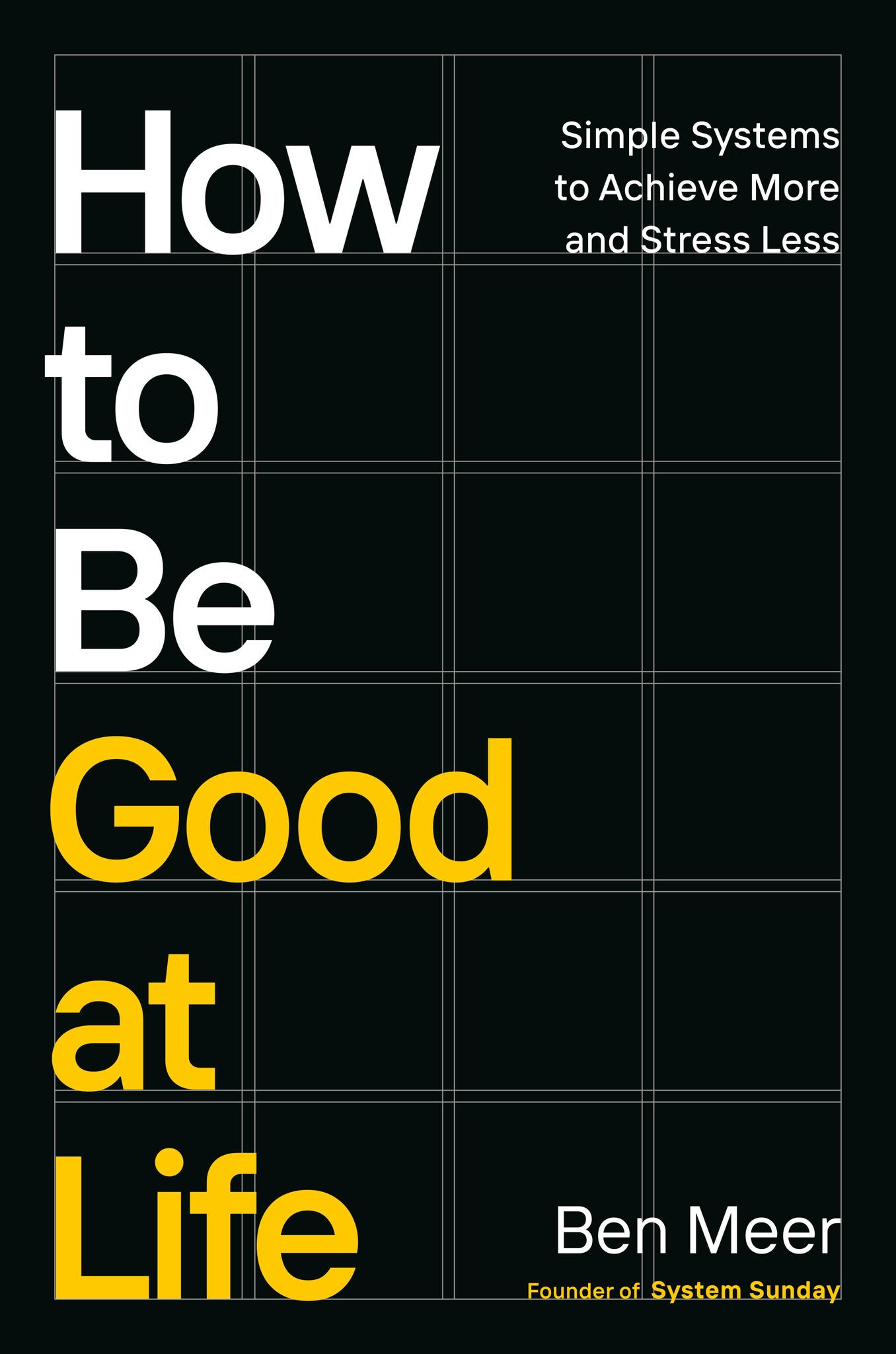
Adapted excerpt from How to Be Good At Life: Simple Systems to Achieve More and Stress Less by Ben Meer, published on October 6, 2026, by Avery, an imprint of Penguin Publishing Group, a division of Penguin Random House, LLC. Copyright © 2026 by Ben Meer.
The opinions expressed in Fortune.com commentary pieces are solely the views of their authors and do not necessarily reflect the opinions and beliefs of Fortune.