This May marked 25 years since Apple opened its first two retail stores, in McLean, Virginia, and Glendale, California. As I describe in my book, Shop Different, I knew bringing Apple into retail was the right idea, but I never imagined how well it would work. Lately, I’ve been thinking about what made the stores work as well as they did. The answer, I think, starts four years before they existed.
When Steve Jobs released the “Think Different” campaign in 1997, he said it reflected Apple’s core value: that people with passion—the “crazy ones,” as the ad called them—could change the world for the better. Nearly three decades after its release, this campaign is more applicable than ever. In the age of AI, the gap between thinking and doing has never been smaller; those with passion have never been more capable of acting on it.
Still, an empowered workforce—or, dare I say it, society—isn’t necessarily one doing meaningful work. People need more than the ability to act; they need a reason to act.
My experience at Apple, it turns out, revealed a good one.
Most people remember the “Think Different” campaign. What most people forget is the context.
When Steve returned to Apple in 1997, the company was near bankruptcy. He needed a way to remind Apple who it was—and remind the world that the company was still alive. “Think Different” was it. Less than a year later, Steve unveiled the iMac. And while the device sold well, it mostly reached customers Apple already had. Steve hired me for a simple reason: to go after everyone else.
This would require thinking different.
My job was to help Apple connect with customers, and doing this would mean engaging them. My preferred way to engage anyone was to serve, so instead of focusing on selling, I proposed we focus on service: loving customers. Love, as I explained it to Steve, was an act of securing someone’s good and willing their success. He liked the idea, but asked me to use a different word. So, I did. “Love customers” became “enrich lives.”
Still, regardless of the word we used, the north star of loving customers guided every decision we made. We located in malls because you couldn’t love someone unless you went where they were. We hired employees who loved technology and loved people so that what we needed them to do was what they already did. Perhaps most importantly, we gave those employees steps of service: approach customers with a warm welcome, probe to understand needs, present a solution, listen for unresolved concerns, and end with a fond farewell. The journey, as Steve always said, was the reward. Specialists and Geniuses found meaning not in being told what it meant to enrich a life, but in taking the steps to figure it out.
This was different from anything any store had done before. It also points to a different interpretation of Steve’s famous line: that we hire smart people not to tell them what to do, but so they can tell us what to do. This is true, but it isn’t the full story. We hire smart people to get different perspectives on what can be done. One of those perspectives came, in 2004, from my Minnesota store leader, Duke Zurek. Customers in his store had been worrying about getting started with their computers, so Duke’s team set them up. Conversations about this later led to Personal Setup—an initiative that ran in all three hundred stores, covered dozens of products, and enriched millions of lives. Different thinking, in other words, came from choosing an aspirational north star—and encouraging employees to tell us what came of following it.
Conversations about how to enrich lives fueled Apple Retail. They revealed the work needed to better serve customers. We didn’t always succeed, to be clear; there were plenty of moments when we fell short of enriching a life, and plenty more when our steps of service didn’t lead to anything. But that was okay—after all, the journey was the reward. Our north star could never be reached, and our steps of service didn’t guarantee a destination. This was precisely why they led to new ideas. Innovation in Apple Retail revealed itself along a journey with no map, and no end: the ongoing conversation about how to enrich lives.
So, perhaps the true lesson of “Think Different” is that what you choose to follow shapes the steps you take, and that the steps you take shape what you see. What this also suggests is that the “crazy ones” didn’t start by seeing a world to change. Maybe they first saw a journey to take—and only later, the world they’d changed.
The opinions expressed in Fortune.com commentary pieces are solely the views of their authors and do not necessarily reflect the opinions and beliefs of Fortune.
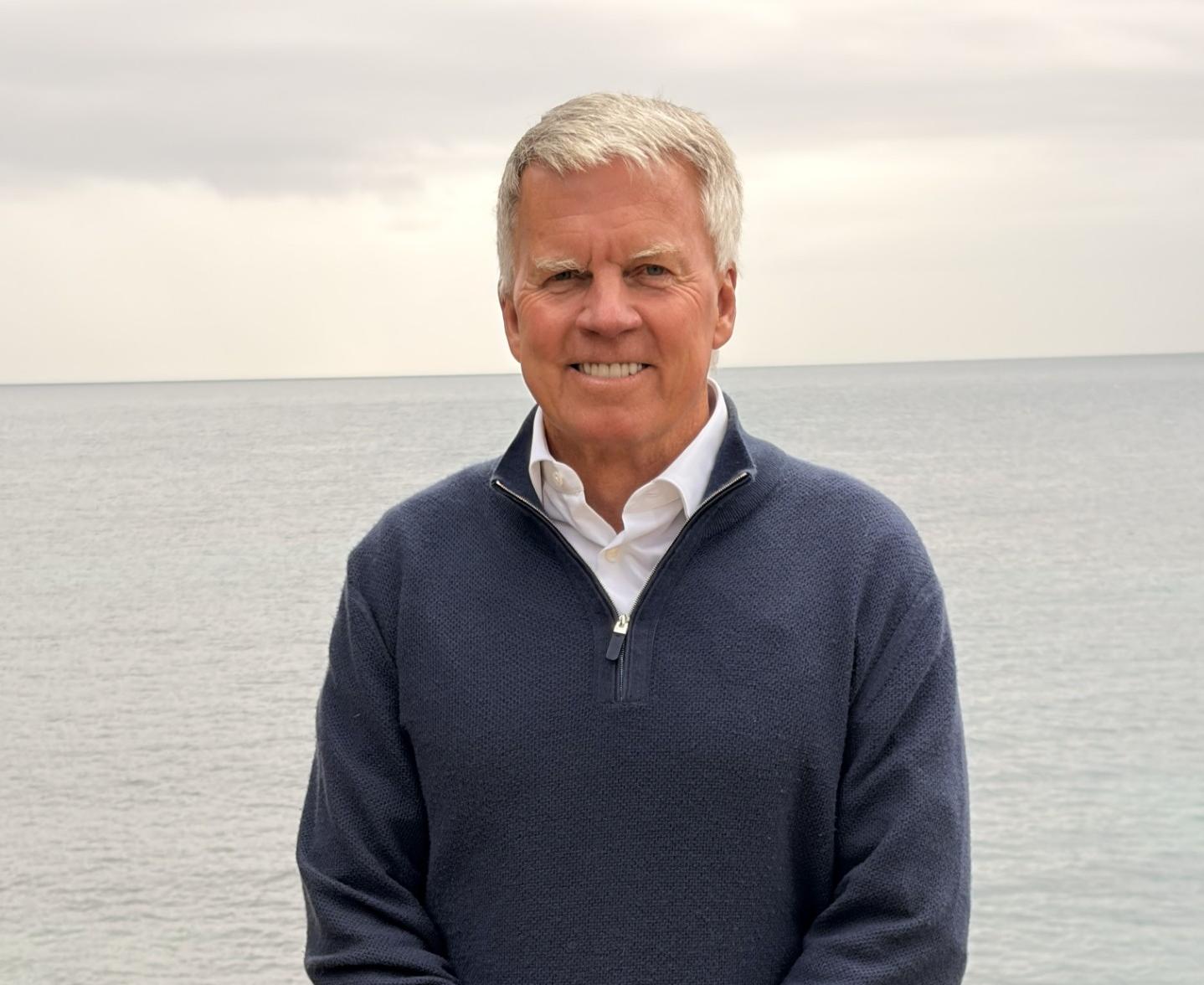
Ron Johnson is the creator of the Apple Store and the author of Shop Different: How Retail Revealed Apple’s Genius (Harper Business).