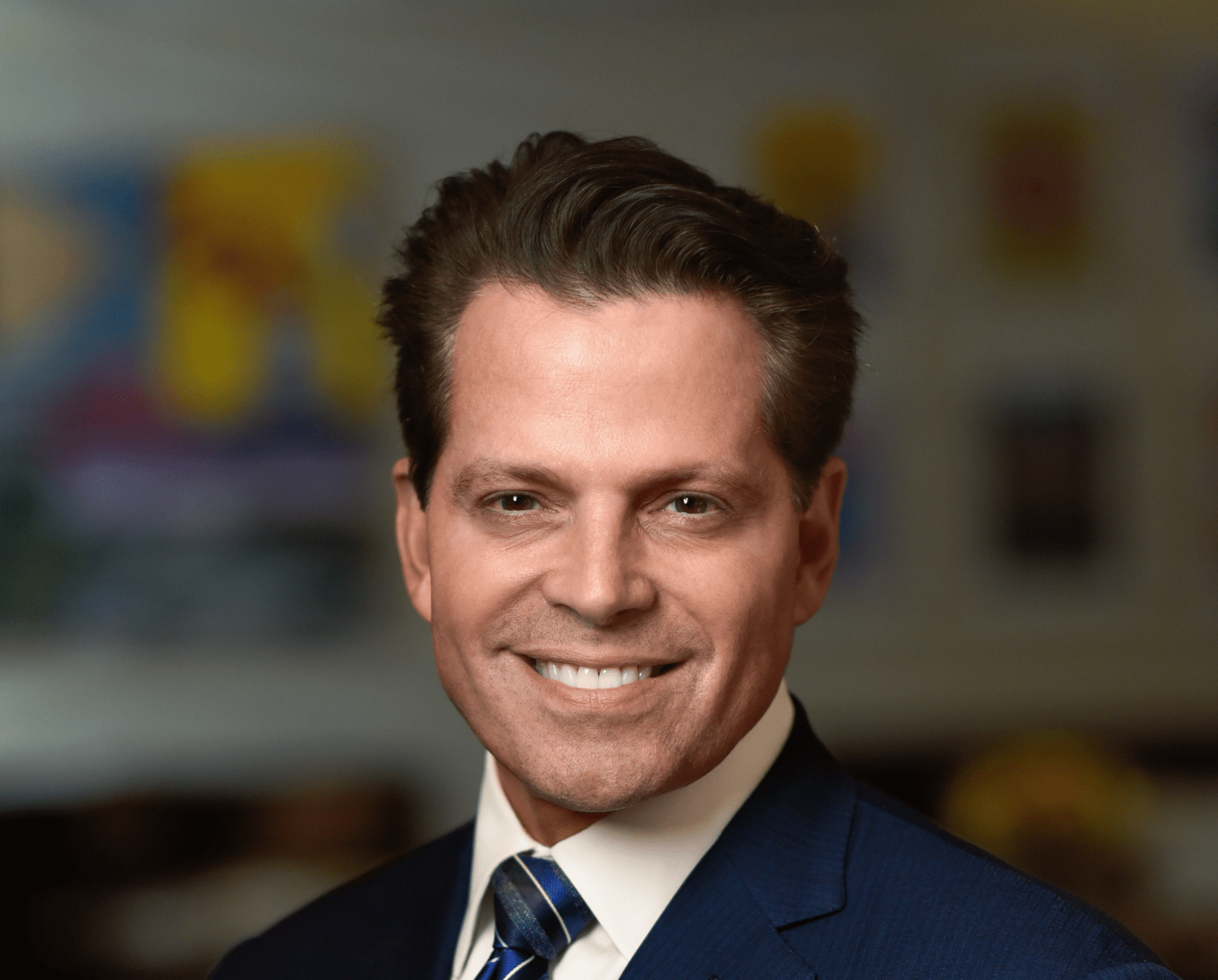
November 1999: The heights of Manhattan finance. I’m a 35-year-old self-important Master of the Universe in a Wall Street-style trading room, personal stock rising fast, ego inflating faster.
Also November 1999: The Convention and Trade Center, Seattle, Washington. The Ministerial Conference of the World Trade Organization (WTO) gets underway.
The issue I’m facing in Manhattan is allocating capital to maximize return on equity. The issue the WTO is facing in Seattle is admitting China to the community of nations—135 of them, in 1999—that negotiate agreements to enable the trade of goods around the world.
The goal of those agreements is the mutual benefit of member nations, but China has never been part of the WTO process and never gotten the benefits. Cut off for many decades from the prosperous, post–World War II free world by a long period of communist rule, which opposed all forms of liberal capitalism, China now wants in, wants to export Chinese goods around the world. The United States, the world’s big buyer, is a target market.
Though post-communist, China is still an authoritarian state. It doesn’t have free markets. In ’99, it’s only starting to move away, slowly, from setting prices more or less by decree. It has maybe 700 million workers. They don’t have unions; labor regulations supposedly made to protect workers are poorly enforced. Ten years earlier, Chinese leaders had crushed the pro-democracy protests at Tiananmen Square in Beijing with brutal force.
But President Bill Clinton, all-in on the trade and economic doctrine known as globalization, has already signed the North American Free Trade Agreement (NAFTA), changing our trade and manufacturing relationship with Mexico and others. Clinton is backing China’s play at the WTO Conference in Seattle.
The underlying idea—though the globalists don’t put it quite this way—is to give China special access to our markets. The overarching idea is that, with the fall of the Soviet Union and the end of the Cold War, we’ve arrived at what the scholar Francis Fukuyama called the “end of history.”
In this line of thought, the long struggle between authoritarianism and liberal democracy is finally over.
In other words: We won. Capitalism and liberal democracy are the future. An authoritarian state like China, wooed by the benefits of liberal markets, will want to become less authoritarian, less of a threat to us. More like us, in fact. In 1999, US leadership has bought into this end-of-history idea. And so have I. From my perch at the heights of New York finance, I watch with surprise—OK, with disdain—as, outside the Washington State Convention and Trade Center, something strange starts to happen.
What am I thinking, sitting there in my office?
These protesters don’t get it. They’re naive, I determine. Alarmist. I’m all about allocating capital to maximize return on equity because that’s what capitalists do. Why shouldn’t trade barriers come down? Why shouldn’t markets be freed up, with goods and investment money flowing across borders? Globalization is the obvious wave of the future.
As I said, it’s 1999. I’m operating in end-of-history mode. Western values and free trade are the only believable wave of the future. Dovetailing with that mode, I’m doing very well professionally.
In other words, I’m smug. Arrogant. And wrong.
Here’s what I see now. We’re at a terrible crisis point in this country. The American republic is at risk of literally being torn apart. We’ve lost our empathy for one another. It’s a big country, but we used to have a feeling of unity across very different geographical areas.
We’ve lost that, and the anger caused by the breakup has made us vulnerable to actually losing our system of government. I’m not being dramatic. This is a genuine emergency. The second Trump administration has dedicated itself to replacing the rule of law—stable, predictable, based on precedent, and serving ever since our founding as the bedrock of republican government (note the small r) in the United States—with their own kind of rule, rule by whim, personal gain, and negative emotions, what the founders called arbi-trary government. Their means is to dismantle—blowtorch—all of the public systems that came into play almost a century ago, have deep roots in our earlier history, and allowed the country to win World War II and foster a postwar world that, while imperfect, allowed more and more ordinary Americans to have realistic aspirations and achieve genuine prosperity for themselves and their children. That aspiration was known as the American Dream. It helped lift not just the United States but the whole postwar Western world into a period of unprecedented stability and prosperity.
The story I’m telling is not really about slamming Trump and his many willing enablers. He and they didn’t come out of nowhere—not by a long shot.
What brought us to this terrible point? Answering that question also calls for the Money Point of View of History. The concept may sound strange, but we just can’t understand what’s gone on throughout the whole history of the country—or any country, really—and especially what’s gone wrong here, without accepting the centrality of money and commerce to the aspirations and even the principles of the United States
I know many liberal Democrats who assume that Trump came to power only because his voters are racist, sexist, and homophobic, etc. And sure, those qualities exist in this country, obviously. But they’re not what really brought us to this point.
If we’re going to move forward, pull our country out of this emergency and begin rebuilding the conditions that gave us the American Dream, we have to get a clear understanding of what’s really happened—throughout our history, but especially in the past 30 years, when bipartisan policies around international trade, the American worker, and democratic government created the conditions that enabled Trump and the Trumpist emergency. Both Democrats
and Republicans have actively weakened the systems that our aspirations have always depended on. It’s not just Trump and his people who have to be stopped. A whole catastrophic tendency has to be reversed.
In 1999, I was wrong. The Seattle protesters were right. Not just correct—prophetic.
Unlike the bipartisan political leadership, the Seattle protesters saw what was going to emerge from the new free-trade policies, especially with China. They saw the damage those policies would inflict on American workers, the damage that’s become, in the end, damage to our entire political system.
The problem is that the globalists made a huge, overarching error. It’s a very simple one. They stopped looking out for American workers. That huge and simple error triggered a cascade of disasters, which led, over time, to our current national crisis.
Excerpted from ALL THE WRONG MOVES: How Three Catastrophic Decisions Led to the Rise of Trump by Anthony Scaramucci. Published by Henry Holt and Company. Copyright © 2026 by Anthony Scaramucci. All rights reserved.