
Good morning. It was a big day for chip stocks yesterday, most of which closed way up on optimism that Muse, Meta’s sparkling new personal AI agent, will sell more semiconductors.
Intel closed up 12%. AMD ended the day up 10%, sending its market cap over the $1 trillion mark for the first time. Even Arm, which merely licenses chip designs to others, was up an eye-popping 17% as SoftBank’s Masa Son was heard cackling in the distance. (OK, I made up that last part.)
And yes, Meta shares were up more than 11%, too.
Why such optimism? Because while Meta’s AI efforts have felt perpetually behind frontier firms like Anthropic and OpenAI, the lock-in effect of its actual network (3.6 billion daily active users!) matters a lot.
Like bigger rival Google, Meta has much to gain if it delivers a capable chatbot within its existing sphere of influence. Early reviews suggest it has, from booking meetings to filling out forms to searching for recommendations, which is bad news for anyone who offers those things and exists outside the Meta-verse (if I may).
More news follows. Have a productive day. —Andrew Nusca
Thoughts? Suggestions? Hot tip? Drop me a line.
THE BIG STORY
Amazon and Meta exchange agentic fire
Things are getting testy between Amazon and its tech peers as more of them develop AI agents that want to use Amazon services on behalf of their humans.
Makes sense—except that kind of thing is a violation of Amazon’s terms of service, for reasons of competition, merchant consent, and security.
Amazon on Monday said it blocked Meta’s new Muse personal AI agent, which the Facebook parent launched two weeks ago, after trying to get Meta to voluntarily exclude the Amazon retail storefront from its shopping activity.
As GeekWire concisely puts it: “The problem, Amazon says, is that it never agreed to any of it. Meta didn’t tell Amazon that Muse would access its store, the agent doesn’t identify itself when it browses, and it appears to capture and store customer credentials, which the company says could create privacy and security risks.” Oops.
If you try to use Muse to shop on Amazon, by the way, you receive the following message: “Continued access by an unauthorized AI agent violates Amazon’s Conditions of Use, to which our customers have agreed.”
On Muse launch day earlier this month, Meta said that the AI agent “has no visibility into people’s passwords or payment methods” and that shared credentials “go into secure storage, so Muse can use them without seeing them.” But that’s cold comfort to Amazon.
It’s hardly Amazon’s first rodeo in this regard. On similar grounds, the megaretailer sued Perplexity over its Comet browser (result: complicated) and blocked similar agents from Google and OpenAI.
And I would be remiss not to mention that Amazon has its own such agent (Alexa for Shopping, which launched in May), which stays inside its own store and an agentic shopping feature (Buy for Me) which trawls external websites, whether their owners consent to it or not.
The legally important difference? Vendors can email the largest company in the U.S. by revenue to opt out. —AN
THE BLIND BOX
“One measure of a CEO is what they leave behind, and he handed off a company flush with cash, stable in its business, and equipped with a well-regarded successor.”
THE RUNDOWN
—Fresh Googlebook hardware arrives. Devices from Acer, Asus, Dell, HP, and Lenovo starting at $899 and on sale next month.
—The EU fines Google €403 million for location data privacy violations.
—SpaceXAI launches Grok 4.7, which it says is “twice as fast at half the price” of other AI models adept at coding and knowledge work.
—Nscale's $103 billion in total contract value? Microsoft and Anthropic account for 85% of it.
—California enacts seven data center laws requiring disclosures for electricity use, water consumption, land use, and workforce needs, among other things.
—SoftBank's SB Energy reportedly delays its IPO as public backlash against data centers grows and investor interest cools.
—The U.S. proposes a “notification mechanism” for high-risk AI incidents.
—Is China investing too much in AI without commensurate job growth? Economists think so.
THE PARTING SHOT
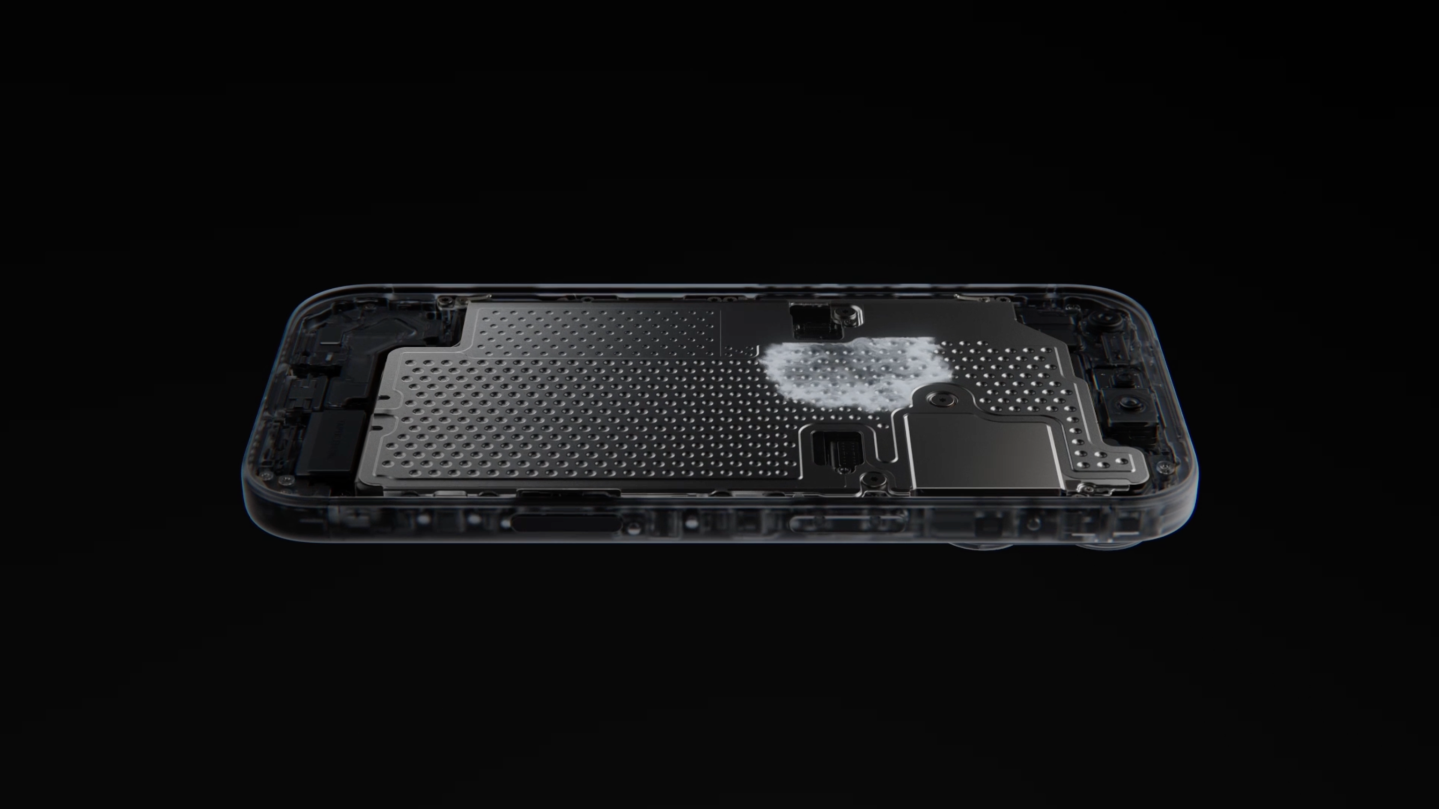
Why is the new iPhone 18 Pro less susceptible to the overheating observed in preceding devices?
Because its A20 system-on-a-chip sits outside a “logic board sandwich” within, allowing the chip to more easily cool, according to iFixit, which took apart all the devices in question.
As Apple itself notes, the so-called chip packaging inside the new devices removes “the memory from the thermal path of the chip” and allows the chip “to attach directly to a next-generation vapor chamber” that absorbs the chip’s thermal energy. Cool. —AN