Mere months after a federal judge knocked down a six-figure price tag on H-1B visas, the Trump administration is taking another stab at it, proposing a $103,265 surcharge for companies looking to hire foreign workers.
On Tuesday, the Department of Homeland Security proposed charging employers the extra amount on top of existing filing costs. In its proposal, the department even estimated that the six-figure upcharge would force 11,051 small businesses (76% of the small entities it analyzed) to experience a “significant economic impact” as a result of the fee. The proposal will need to go through a 30-day public comment period, but if enacted, the fee would dramatically change the economics of a visa program that is widely used by tech companies, consulting firms, and startups. It also runs the risk of potentially giving the largest companies another advantage over smaller competitors.
While DHS argues the fee is meant to encourage companies to hire more Americans over foreign workers, research on H-1B visa restrictions indicates the opposite, according to Britta Glennon, an assistant professor at the University of Pennsylvania’s Wharton School whose research focuses on immigration and the economy.
“When multinational companies can’t access H-1B visas, they actually become much more likely to open a foreign affiliate abroad or expand hiring of their foreign affiliates,” Glennon told Fortune. “In other words, they offshore jobs.”
Big companies have options—startups don’t
Glennon told Fortune large companies like Amazon and Microsoft can opt to hire workers in countries like Canada, India, or China if bringing them to the U.S. becomes difficult. The companies can even build offices in Vancouver or Toronto partly as an alternative pipeline for foreign talent.
But startups face a different problem. Glennon pointed to research finding startups that lose out on sought-after H-1B workers are less likely to patent and less likely to reach a successful acquisition or IPO, while their multinational counterparts “have ways of getting around this.”
“Small companies have fewer options, and so basically what we see for them is that it just hits their profitability and their success because, especially for startups, talent is such a huge part of whether they are able to succeed,” Glennon explained.
Second and different attempt to charge six figures for foreign talent
The Trump administration tried to instate a similar fee last year.
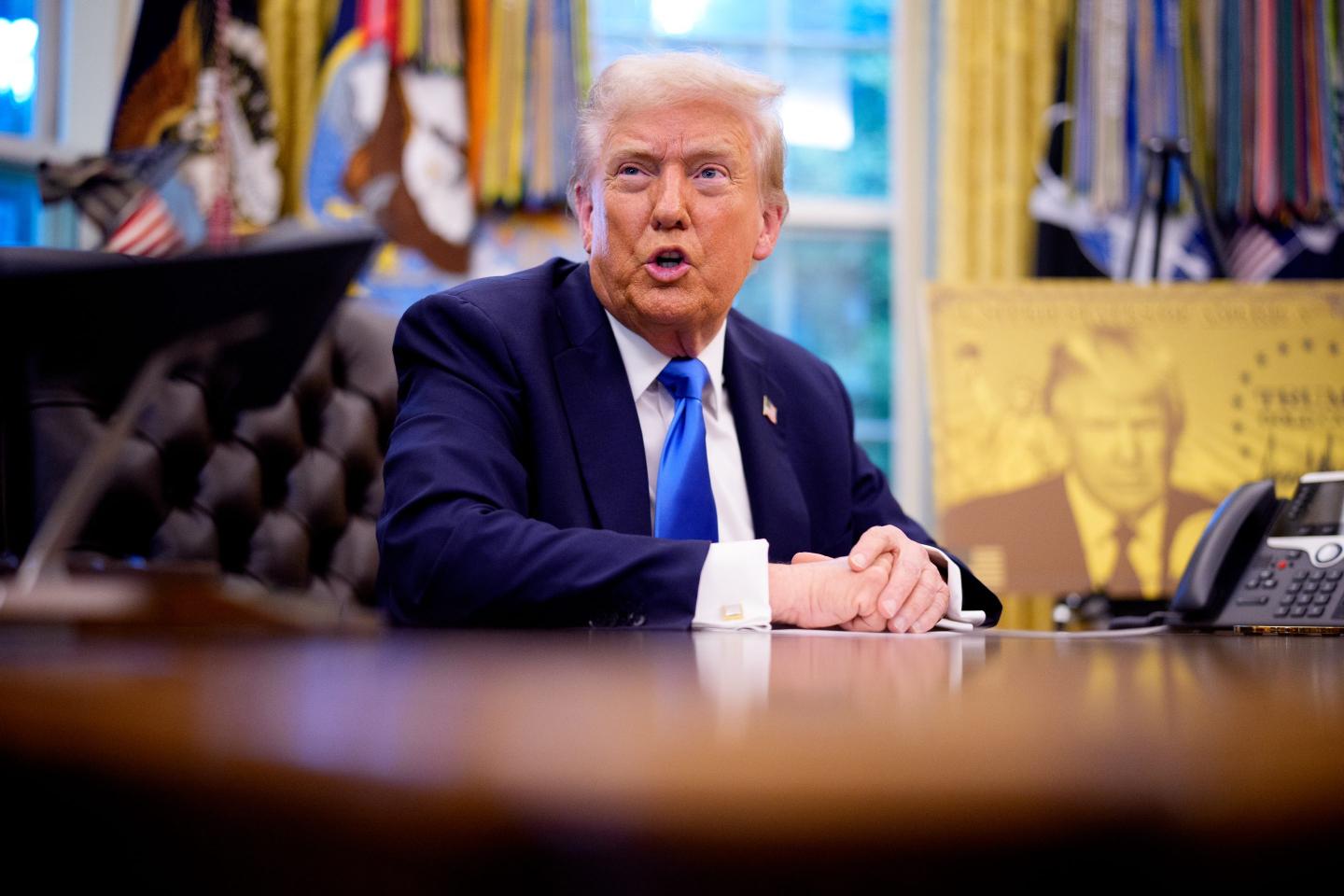
President Donald Trump issued a proclamation in September 2025 requiring a $100,000 payment for certain H-1B workers, but it was vacated by U.S. District Judge Leo Sorokin in June. The administration appealed the decision, but the First Circuit last month declined to keep the payment in place while that appeal proceeds.
This time, DHS is using its fee-setting authority and moving through the traditional notice-and-comment rulemaking process, a distinction that immigration attorney Elizabeth Ricci told Fortune gives the $103,265 fee policy “a better chance of surviving the litigation everyone expects.”
The fee is meant to pay back the government for immigration-related expenses. DHS says the government spends about $8.8 billion a year on immigration-related costs. Divide that by the 85,000 H-1B visas available each year, and that comes out to roughly $103,265, the proposed price tag. Over 10 years, the rule would cost employers $74.9 billion.
“The proposed H‑1B fee is intended to recover the costs incurred across the federal government to adjudicate, vet, and support lawful immigration programs that otherwise must be funded by taxpayers,” Zach Kahler, a spokesperson for DHS’s U.S. Citizenship and Immigration Services, told Fortune in a statement.
But even if all goes to plan, there would be fewer H-1B petitions, meaning the federal government won’t see that money come in, Ricci told Fortune. The agency’s math “contradicts itself” by counting on employers paying the fee while “arguing the fee’s virtue is that fewer will sponsor,” explaining that if the fee prevents employers from hiring foreign talent, the $8.8 billion won’t materialize, and if employers hire anyway, the fee would not have been a successful deterrent.
“Either way, the country loses talent and jobs,” Ricci said.
The talent pipeline could change
DHS argues that demand could remain high enough to fill all 85,000 H-1B slots in the cap even with the extra charge.
Glennon said that may be possible at first because the program has historically been heavily oversubscribed. But the workers receiving visas could look very different.
“There’s not going to be any entry level” workers, she predicted. Instead, sponsorship would increasingly favor advanced-career workers and “really big companies that can afford it,” producing what she called a “big compositional shift” that will hurt small companies and startups.
It could also trickle down to universities, discouraging international students from coming to the U.S. even though universities are exempt from the 85,000 cap. If students no longer believe an H‑1B is realistically available at the end of this path, doing a U.S. degree becomes much less appealing.
“That has big implications for universities, of course, but it actually has big implications for firms too, because that’s been a pipeline that they’ve been very reliant on,” Glennon said.