

On his way to Fortune’s Brainstorm Tech conference this week, Booking.com’s CEO Glenn Fogel faced an all-too-familiar travel blunder.
Fogel had flown from New York to Denver and was set toward Aspen, only to board his connecting flight, push back from the gate, sit on the tarmac, and then be taxied back to the gate. Ryan Serhant, the celebrity real estate broker and CEO of brokerage Serhant who shared the stage with Fogel and Term Sheet editor Allie Garfinkle on Tuesday, had gone through the same ordeal on a separate flight that same day.
But as Fogel sat on the tarmac, he thought about the type of travel assistant he wanted to build for the future using AI. The assistant he wants, he told the audience at Brainstorm Tech, would have intervened hours before his debacle, warning him the weather in Denver looked bad and would’ve had a menu of backup options waiting for him. That could’ve looked like offering a four-hour drive, a car service, or shuttle to Aspen, the CEO of the $125 billion travel company said.
“We believe the probability of you getting to Aspen on the flight is low, so we suggest you take that,” he imagined the AI travel agent saying. A single “yes” would trigger the rest of the process: rebook the trip, refund the canceled leg, order the rental car—all automatically.
“What you want is that assistant in the pocket, or a travel agent in the pocket,” Fogel said, adding it should be one capable of “solving all of your problems as they are happening and thinking ahead of you.” The goal, he said, is to act “not after it’s happened, but before it happens.”
Fogel is already set on making AI a top priority at Booking.com. He has repeatedly flagged generative AI as a top priority for the travel giant, telling investors earlier this year the company is focused on “advancing our use of Generative AI to enhance the value we deliver to both travelers and partners.”
At Brainstorm Tech, Fogel also stressed that his company’s vision is about owning the entire trip-booking process, not just selling flights and hotels. He called this more of a focus on “destination” than “travel,” or a relationship that begins the moment someone starts thinking about a getaway and runs through getting back home.
Fogel is also careful to show that there are still many AI misuse cases, noting a rising tide of AI-generated “slop”—fake listings, fabricated reviews, and convincing photos of villas that don’t exist.
“Just because it reads well doesn’t mean it’s truthful,” Fogel said, advising sticking with reputable brands to avoid fraud.
“You still cannot just be out of the loop,” he added. “You still have to maintain your own vigilance.”
Trust is one thing AI doesn’t have
That example of fraud is just one instance of the theme central to the panel: Trust is one thing AI still can’t manufacture.
Serhant, who launched his namesake brokerage in 2020 and now stars in Netflix’s Owning Manhattan, argued human accountability is exactly what makes an agent worth the commission in high-stakes deals.
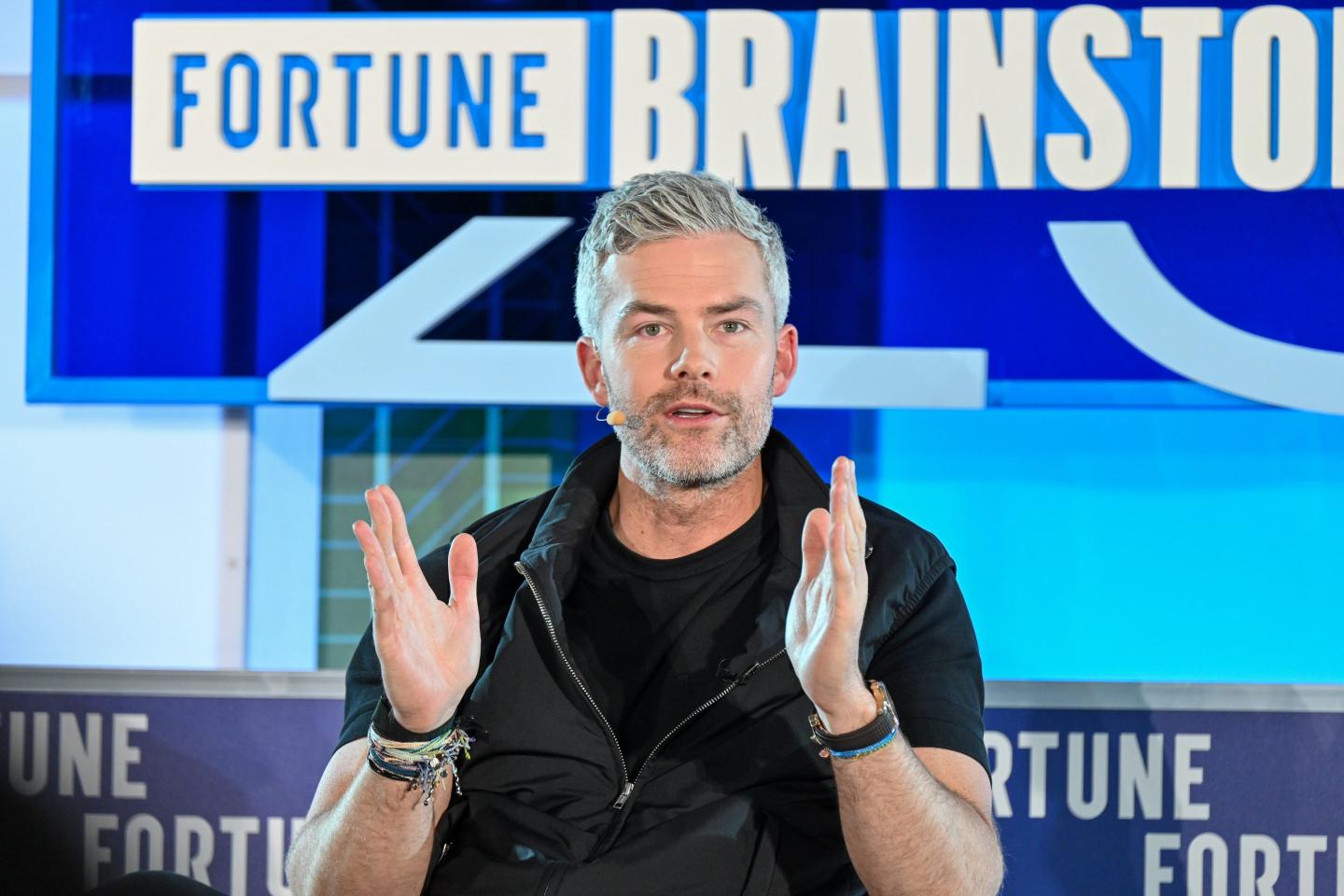
“I have a fiduciary to our clients,” he said, noting a client can sue a broker in a way they simply can’t sue a chatbot. He recalled a wealthy buyer who told him AI “will be able to democratize almost everything but trust.”
Serhant gave one of his own case studies of a $50 million Manhattan penthouse deal that almost collapsed after the buyer asked ChatGPT whether the price was too high. The chatbot said yes.
When word got back to the the seller asked ChatGPT whether $50 million was too low—and it agreed it was. Serhant said he eventually salvaged the deal using off-market data that large language models don’t have access to.
“[LLMs] know the history of the internet,” he said. “They don’t know the path forward.”