Good morning. With all the recent hubbub about OpenAI, I’ve repeatedly seen a particular piece of misinformation about its CEO Sam Altman: how much equity he has in the turbocharged AI company.
Wanna take a guess at Sam’s stake in OpenAI? I’ll spare you the ChatGPT prompt: It’s zero.
While Altman is surely the consummate capitalist—see: his multibillion-dollar net worth and his many timely investments in startups with names like Airbnb, Stripe, and Uber—his arrangement with OpenAI is a $76,000 salary and a “for love of the game” narrative.
You know, like MJ in his prime. Today’s tech news below. —Andrew Nusca
Want to send thoughts or suggestions to Fortune Tech? Drop a line here.
Meta takes the wraps off Muse Spark
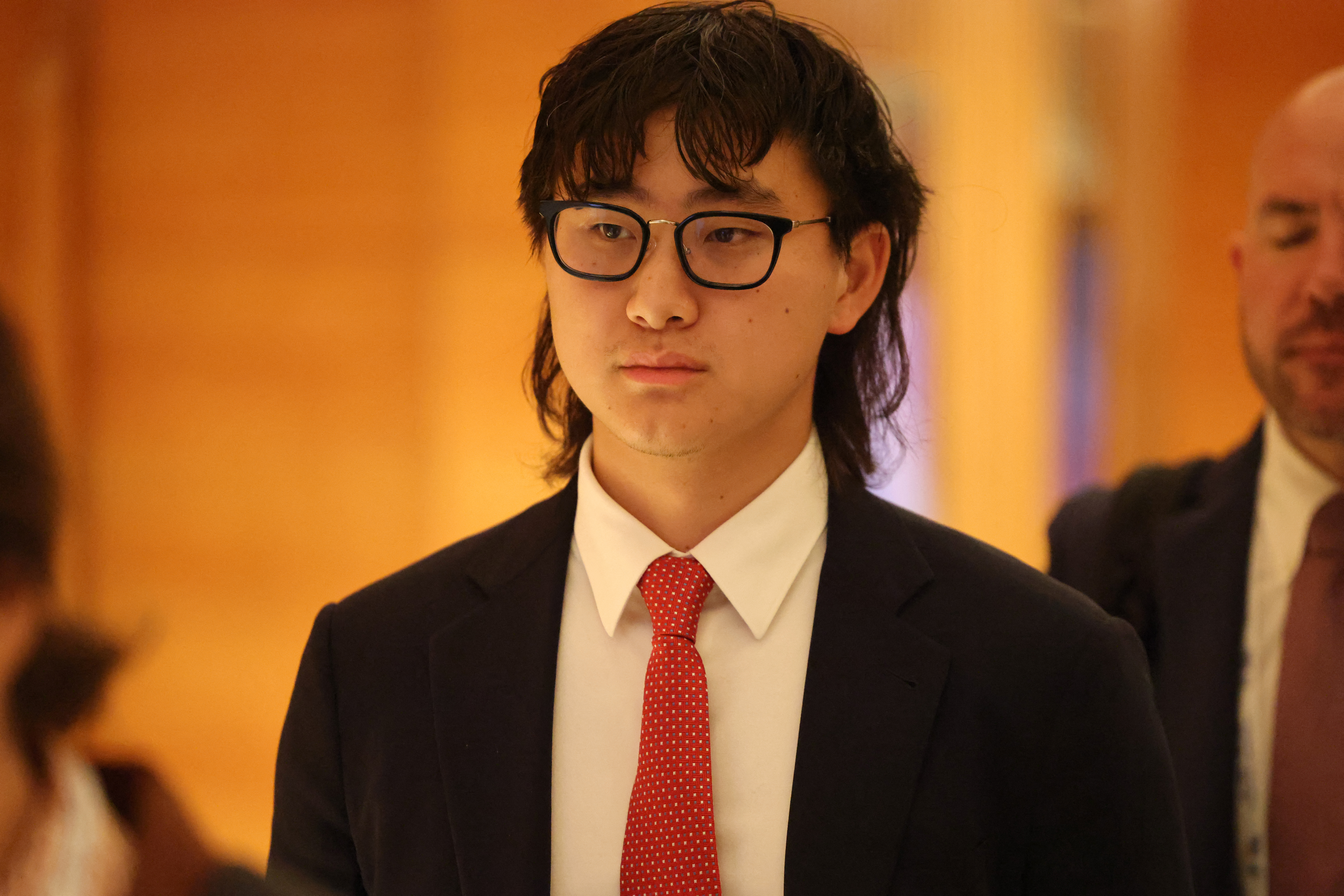
The company formerly known as Facebook officially introduced the first AI model from the Alexandr Wang era. It’s called Muse Spark.
The model promises, in that grand tech industry tradition, results that are smarter, better, faster, and stronger than what came before. Muse Spark is “purpose-built” for Meta’s suite of social media services—a pragmatic note in a symphony of research-driven AI models.
Investors, for some time skeptical of Meta’s eye-watering AI investments, were impressed. Meta shares were up almost 7% to $612, and further still in after-hours trading.
As such, the news is less about what Muse Spark can do (in short: better understand what you see and hear and say, accomplish more complex tasks using agents) and more about what it will improve.
The model is already at work with Meta AI and set to expand to WhatsApp, Instagram, Facebook, Messenger, and even Meta’s AI glasses “in the coming weeks.” Translation: More engagement and more relevant ad targeting for a company that gets about 97% of its annual revenue from advertisements.
Incremental revenue? For spring? Groundbreaking. —AN
Court declines to intervene in Anthropic-Pentagon spat
Fast-growing AI company Anthropic was in the U.S. military’s good graces until it refused to remove key safeguards in its Claude chatbot—only to be blacklisted as a “supply chain risk” last month.
The designation, which all but bars Anthropic’s AI from use by the U.S. military complex, felt rather political for a software provider who was once the government’s preferred choice. So Anthropic asked the courts to put a stop to it.
On Wednesday, that request was denied. The U.S. Court of Appeals for the District of Columbia Circuit declined to pause Anthropic’s supply chain risk designation.
It’s not a final ruling, and the case is far from over. Anthropic maintains the government’s retaliation was unlawful; meanwhile, the military argues that it’s the decider. Somewhere, Sam Altman is smiling. —AN
Greece moves to ban social media for kids under 15
First, Australia did it. Then Spain. France started talking about it. Denmark, Indonesia, and Malaysia did, too.
The latest hammer to fall? The birthplace of democracy.
Prime Minister Kyriakos Mitsotakis said this week that Greece will move to ban social media (but not messaging) access for children under age 15 beginning January 1, 2027.
He also called for European Union-wide action on the issue.
The Greek legislation hasn’t yet passed—that’s planned for summer—but there has been little opposition thus far to the effort, which did not specifically name any tech corporations.
Greece is just the latest nation to acknowledge that this social media stuff really can be harmful to developing brains. Today, that view is widely held, though opinions vary on what to do about it.
Some tech firms argue that outright bans simply push children to shadow accounts that can’t be as easily regulated and monitored. Parents and politicians say that’s a convenient excuse.
Whatever your take, the devil will be in the details. Stay tuned. —AN
More tech
—Who is Satoshi Nakamoto? A new investigation points to Blockstream CEO Adam Back (who denies it).
—OpenAI IPO: Yes, retail investors, there’s room for you!
—Deere settles $99 million antitrust lawsuit. American farmers said their right to repair equipment they owned was infringed upon.
—Hacker claims to breach China supercomputer. Stolen data for sale? It's a bold strategy, Cotton, let's see if it pays off for 'em.
—Advanced chip packaging: So hot right now.
—Alibaba Cloud CTO steps down. Jingren Zhou will become chief AI architect; Feifei Li replaces him in his old role.
—GoPro cuts 23% of workforce. Nearly 150 pink slips as the once-promising action camera company struggles to turn a profit.
—Arm CEO Rene Haas may be tasked with running SoftBank’s international biz.