Good morning. And happy birthday to philanthropist MacKenzie Scott, one of the most impactful spenders of tech profits I’ve ever seen. (You can’t take it with you, as they say.)
Oh, and HBD to me, too. Skip the cake—I want only an iPhone that doesn’t reload its icons when I unlock it.
Today’s OpenAI news (ahem), and everything else, below. —Andrew Nusca
P.S. You are joining me at Fortune Brainstorm Tech in Aspen this June, right? Right?
Want to send thoughts or suggestions to Fortune Tech? Drop a line here.
OpenAI imagines a society with, you guessed it, super AI
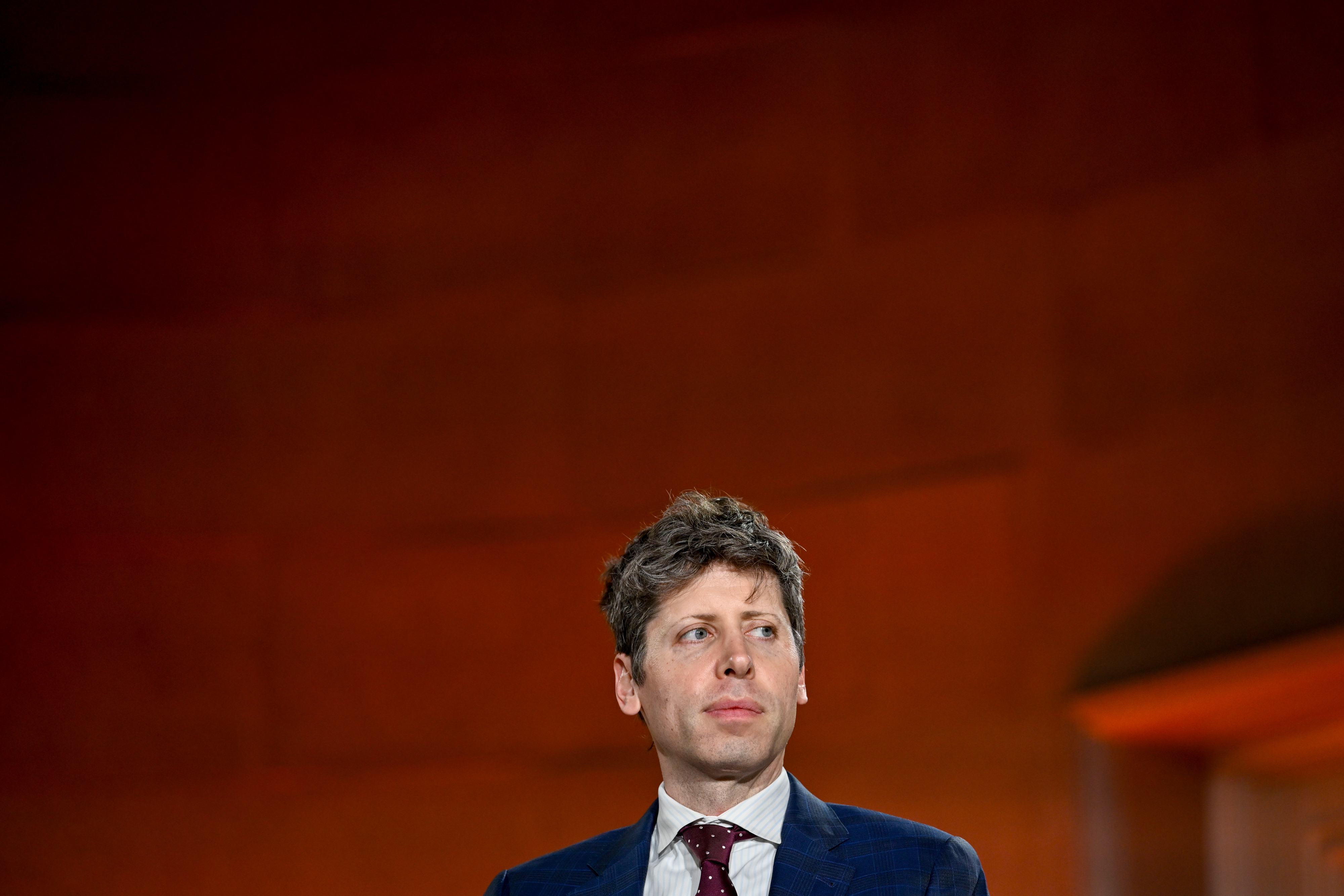
How should the world function with the existence of so-called superintelligence? The most valuable intelligence purveyor on the planet has some thoughts.
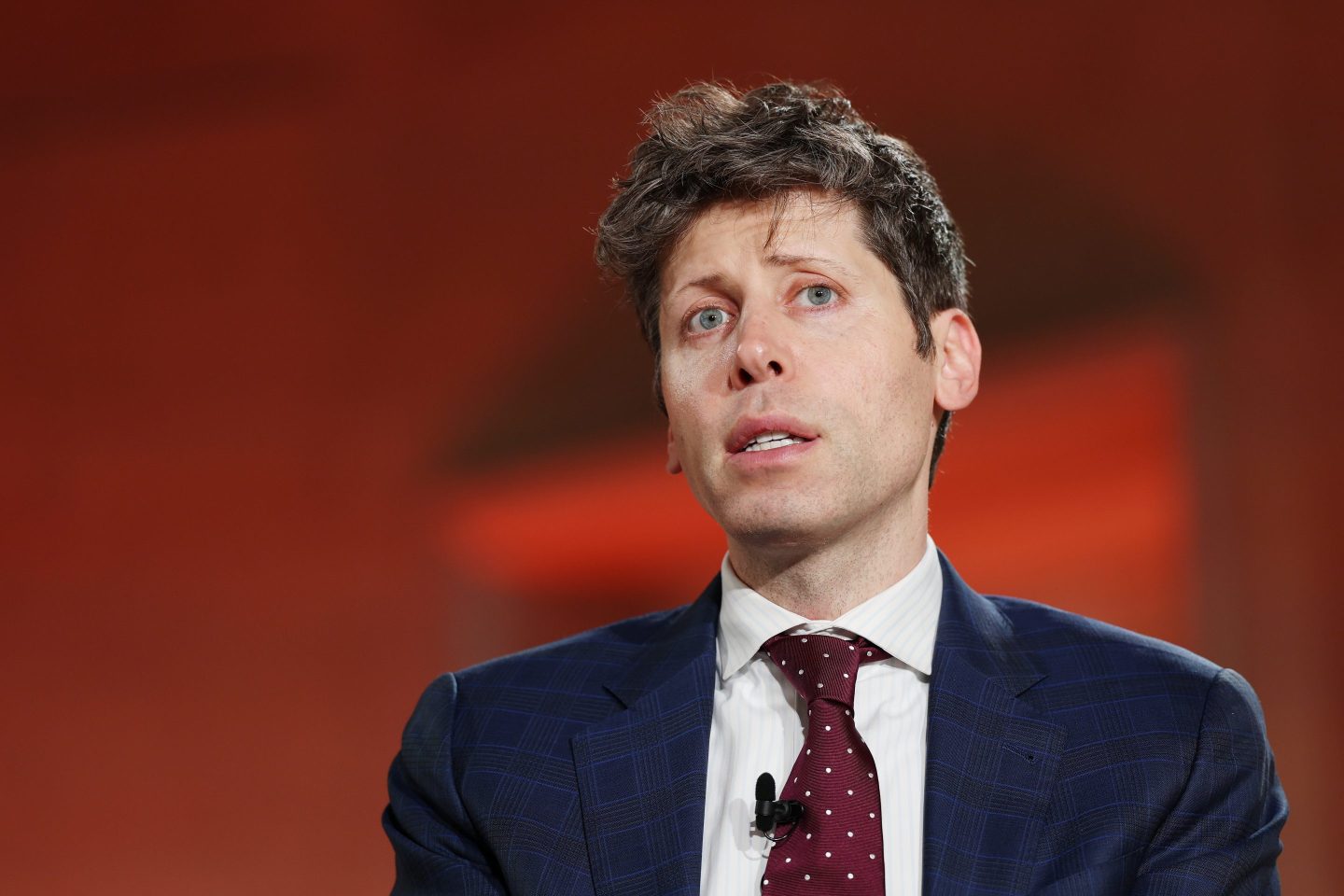
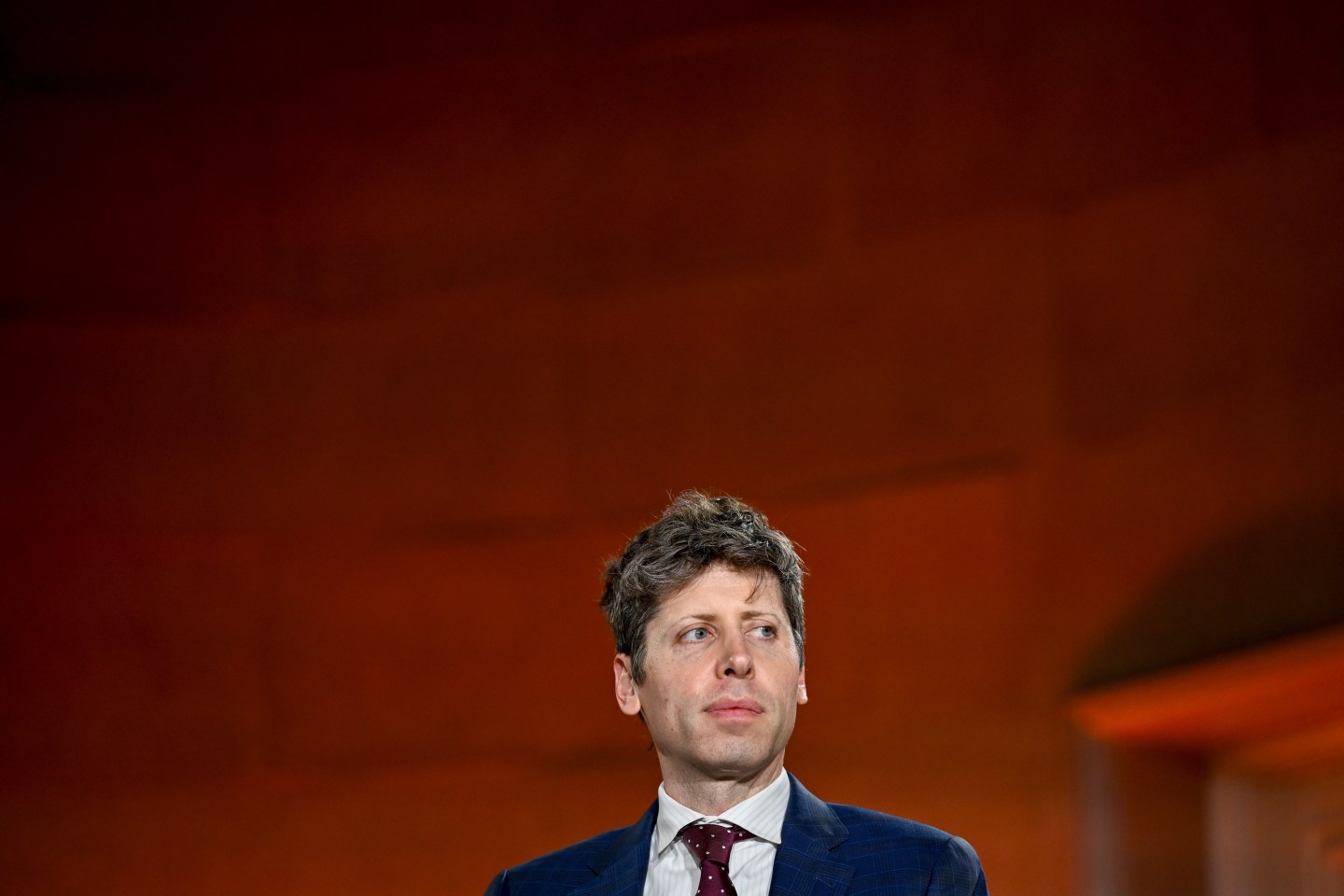
OpenAI on Monday shared a shortlist of policy proposals that it believes are necessary to ensure that “advanced AI benefits everyone” and not just CEO Sam Altman’s accountant.
“We offer them … as a starting point for discussion that we invite others to build on, refine, challenge, or choose among through the democratic process,” the company wrote.
Among the proposals? Higher taxes on capital gains and lower taxes on wages (to support “workforce transitions”), a public wealth fund (to give citizens “a stake in AI-driven economic growth”), reinforced social safety nets (to address “the realities people will face during the transition”), and portable workplace benefits that aren’t tied to a single employer.
Socialism? Capitalism? Altmanism? I’ll let you decide. —AN
Netflix launches a gaming app for kids
Move over, YouTube Kids, there’s a new sheriff in town.
Netflix has launched a new, free, ad-less gaming app called Playground that’s designed for children up to age 8.
Parents will be able to find all the Peppa Pig, StoryBots, Sesame Street, et cetera games they’d like to hear over and over until bedtime.
Netflix meanwhile adds another node to its quietly expanding empire of kids’ content. (It’s the second-most watched genre on the service, in no small part thanks to CoComelon.)
Why would Netflix be keen for the attention of kids who can’t be monetized? Because the company has its eyes on families as a way to juice its subscription revenue.
A hit kids’ show means parents are less likely to churn and more willing to put that app on every device…at which point they’ll watch Virgin River, WWE Raw, and whatever else tickles their streaming fancy. —AN
Meta’s first AI models under Alexandr Wang are upon us
It was only a matter of time, and to channel Misery Mozzery himself: How soon is now?
Meta is preparing to release the first new AI models developed under chief AI officer Alexandr Wang, according to a new Axios report, “with plans to eventually offer versions of those models via an open source license.”
There’s a lot riding on the new AI. Will Meta’s new models be competitive? Its Llama 4 family underwhelmed and felt like a developmental dead end. And: Will they represent a strategic shift in terms of open vs. closed source? For a long time Meta allowed other entities to modify its frontier models; that approach seemed unlikely to continue after Wang took the AI reins almost one year ago.
I asked Meta AI what’s at stake with the next models and it wouldn’t answer. Google’s Gemini was more than happy to, though: “A multi-billion dollar ‘show-me’ moment that will determine if the company can transition from a social media giant into a dominant industrial AI powerhouse.” Couldn’t have said it better myself. —AN
More tech
—Social media is a cesspool of slop, Nate Silver observes.
—Binance’s rebuilt compliance operation is bleeding staff.
—Japan embraces robots to shore up a labor shortage.
—Tech’s hottest job? Cybercrime negotiator.
—Staggering inference costs are a shared feature of both OpenAI and Anthropic ahead of their IPOs.
—Kalshi’s prediction markets can’t be regulated by a U.S. state, a federal appeals court rules.
—Russia looks to Africa for payments market growth as Western sanctions take their toll.