
• Home
  • Latest
  • Fortune 500
  • Finance
  • Tech
  • Leadership
  • Lifestyle
  • Rankings
  • Multimedia

Trendingnow

1

Markets tumble worldwide as Fed resets expectations: $400 billion wiped off SpaceX stock

2

After forcing workers back to the office, Goldman Sachs and JPMorgan Chase are now letting their staff work remotely—but only for the World Cup

3

Former U.S. Secret Service agent says bringing your authentic self to work stifles teamwork: 'You don’t get high performers, you get sloppiness'

1

Markets tumble worldwide as Fed resets expectations: $400 billion wiped off SpaceX stock

2

After forcing workers back to the office, Goldman Sachs and JPMorgan Chase are now letting their staff work remotely—but only for the World Cup

3

Former U.S. Secret Service agent says bringing your authentic self to work stifles teamwork: 'You don’t get high performers, you get sloppiness'
CybersecurityMeta

Your Instagram DMs are no longer encrypted: Meta is reversing course on privacy and removing end-to-end encryption from Instagra

Catherina Gioino
By
Catherina Gioino
Catherina Gioino
News Editor
Down Arrow Button Icon
Catherina Gioino
By
Catherina Gioino
Catherina Gioino
News Editor
Down Arrow Button Icon
March 17, 2026, 8:30 AM ET
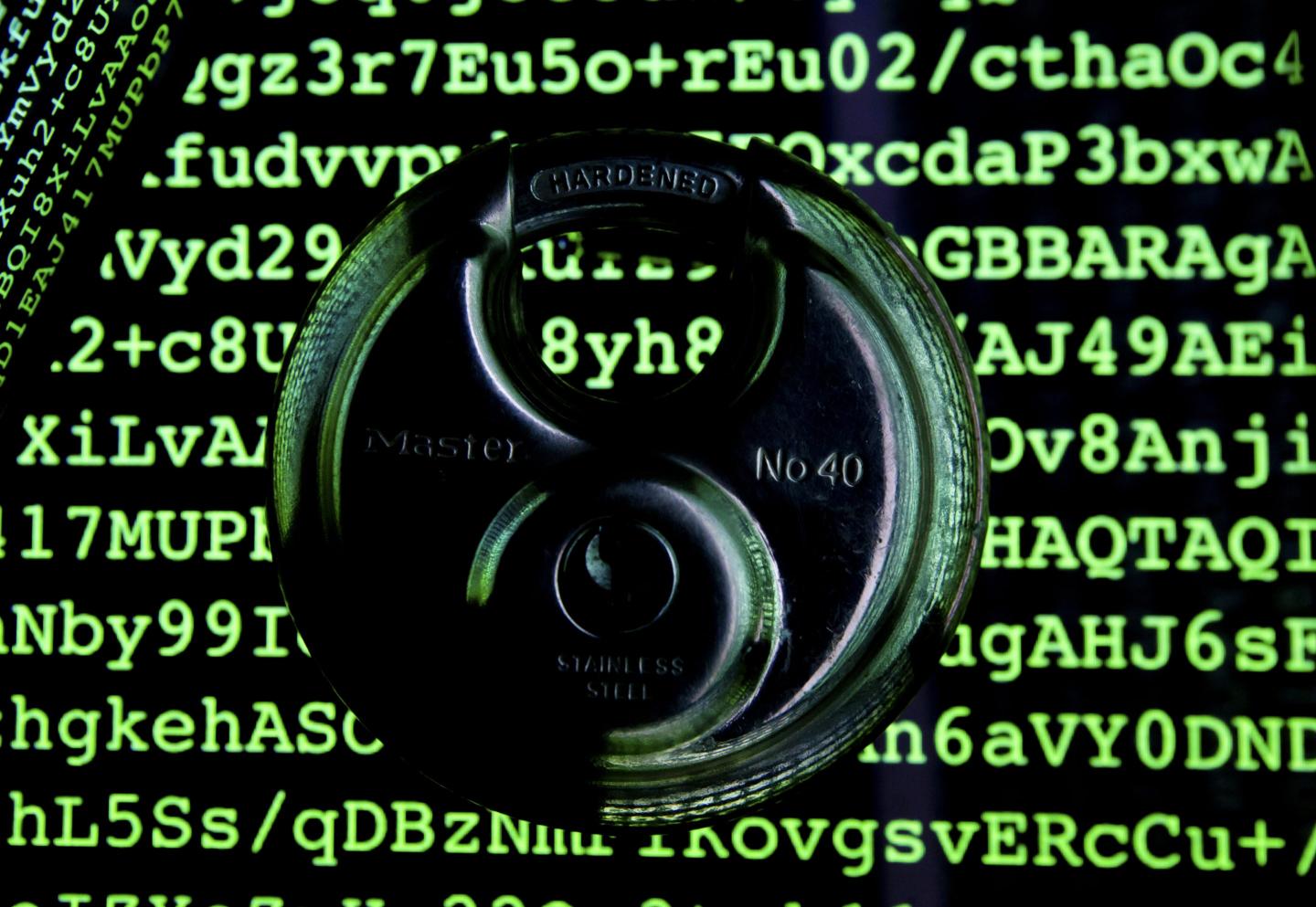
matrix style green screen of text behind a physical deadbolt
TikTok and Instagram will not end-to-end encrypt messages on their platforms. Dünzlullstein bild via Getty Images
Add Fortune on Google for similar content.

On May 8, Instagram will be able to read your DMs again. Meta is ending support for end-to-end encrypted direct messages — reversing a feature it introduced just two years ago — and reopening the door to automated content scanning, AI-powered moderation, and easier compliance with law enforcement requests. TikTok, meanwhile, confirmed it never offered the protection at all. Together, the moves signal that the era of unconditional privacy promises on social media is over.

Recommended Video

In the span of two weeks, two of the world’s largest social media platforms have signaled they are done treating privacy as an unconditional promise. Together, the moves mark a decisive reckoning with what private messaging on social media actually costs—and who pays the price.

A TikTok spokesperson told Fortune that the company’s approach to messaging has not changed. “Direct messages on TikTok are secured using industry-standard encryption in transit and at rest,” the spokesperson said, comparing the technology to what Gmail uses. “People’s messages are private and protected. Access to message content is strictly limited, subject to internal authorization controls, and only available to trained personnel with a demonstrated need to review the information as part of safety investigations, legal compliance, or other limited circumstances.” In other words: not end-to-end encrypted, but far from an open book.

The distinction matters. The TikTok spokesperson said the design is deliberate—and that the lack of end-to-end encryption is itself a safety feature. “Messaging on TikTok is not end-to-end encrypted,” they said. “This helps make our platform undesirable for those who would attempt to share illegal material.” Meta had not yet responded to requests for comments.

When Instagram’s encryption sunsets in two months, Meta will regain the technical ability to scan and act on the content of users’ DMs. Right now, under the opt-in encrypted system, even Meta’s own servers cannot see message content. That changes May 8, reopening the door to automated content moderation, AI-powered scam detection, and easier compliance with law enforcement requests.

End-to-end encryption isn’t keeping people safe

Brian Long, CEO and co-founder of Adaptive Security, a firm that trains organizations to defend against AI-powered attacks, including deepfakes and voice cloning, says the calculus both companies are making reflects a necessary course correction. “It’s a challenging place, because on the one side, I think a lot of these companies have leaned into privacy,” Long told Fortune. “But on the other hand, it’s also led bad actors to do anything from run scams in the background to attack consumers. What they’re recognizing is that as great as it sounds for everything to be encrypted, it’s giving a lot of runway to bad actors.”

The regulatory pressure is accelerating that shift. The Take It Down Act, signed into law last year, requires platforms to remove non-consensual intimate imagery—including AI-generated deepfakes—within 48 hours of a valid request, with enforcement beginning May 19, just eleven days after Instagram’s encryption cutoff. Long said that end-to-end encryption had made that kind of compliance nearly impossible. “If it’s all encrypted and they can’t see the messages, it gets harder for them to actually police those actions,” he said. “They’re going to be accountable under the law.”

Beyond legal deadlines, Long argues that internal safety teams and not law enforcement are the first and most important line of defense, and encryption had effectively neutralized them. “The safety team can jump in and flag messages to the consumer before they fall for a scam,” he said. “When everything is protected by encryption, the safety team really can’t do anything. A lot of this stuff should be handled by the company before it hits law enforcement. Otherwise, law enforcement would just be completely overwhelmed.”

Last year, over a million seniors fell victim to fraud, costing them more than $81 billion in estimated losses, according to an FTC report. AI-powered attacks, from deepfakes, voice cloning, and year-long romance scams, are growing at an estimated 17 times year over year. “The scale of the attacks, especially on alternate messaging channels, is something we’re hearing consistently from customers,” Long said. “Those channels where you had encryption historically were particularly ripe for this issue.”

For privacy advocates, lifting encryption is still a serious concession, and one that opens user data to platform surveillance alongside the safety benefits. But for scam prevention professionals, it’s the right call. “I think companies are recognizing there are some potential serious downsides to privacy,” Long said. “At the end of the day, this correction is probably needed in order to stop more of the bad actors. And if privacy is the biggest priority, there are applications available that people can go use.”

Subscribe to Fortune Gulf Brief. Every Tuesday, this new newsletter delivers clear-eyed, authoritative intelligence on the deals, decisions, policies, and power shifts shaping one of the world’s most consequential regions, written for the people who need to act on it. Sign up here.
About the Author
Catherina Gioino
By Catherina GioinoNews Editor
Instagram iconLinkedIn iconTwitter icon

Catherina covers markets, the economy, energy, tech, and AI.

See full bioRight Arrow Button Icon
Add Fortune on Google for similar content.

Latest in Cybersecurity

Finance
Lorem ipsum dolor sit amet, consectetur adipiscing elit, sed do eiusmod tempor incididunt ut labore et dolore magna aliqua. Ut enim ad minim veniam
By Fortune Editors
October 20, 2025
Finance
Lorem ipsum dolor sit amet, consectetur adipiscing elit, sed do eiusmod tempor incididunt ut labore et dolore magna aliqua. Ut enim ad minim veniam
By Fortune Editors
October 20, 2025
Finance
Lorem ipsum dolor sit amet, consectetur adipiscing elit, sed do eiusmod tempor incididunt ut labore et dolore magna aliqua. Ut enim ad minim veniam
By Fortune Editors
October 20, 2025
Finance
Lorem ipsum dolor sit amet, consectetur adipiscing elit, sed do eiusmod tempor incididunt ut labore et dolore magna aliqua. Ut enim ad minim veniam
By Fortune Editors
October 20, 2025
Finance
Lorem ipsum dolor sit amet, consectetur adipiscing elit, sed do eiusmod tempor incididunt ut labore et dolore magna aliqua. Ut enim ad minim veniam
By Fortune Editors
October 20, 2025
Finance
Lorem ipsum dolor sit amet, consectetur adipiscing elit, sed do eiusmod tempor incididunt ut labore et dolore magna aliqua. Ut enim ad minim veniam
By Fortune Editors
October 20, 2025

Most Popular

Finance
Lorem ipsum dolor sit amet, consectetur adipiscing elit, sed do eiusmod tempor incididunt ut labore et dolore magna aliqua. Ut enim ad minim veniam
By Fortune Editors
October 20, 2025
Finance
Lorem ipsum dolor sit amet, consectetur adipiscing elit, sed do eiusmod tempor incididunt ut labore et dolore magna aliqua. Ut enim ad minim veniam
By Fortune Editors
October 20, 2025
Finance
Lorem ipsum dolor sit amet, consectetur adipiscing elit, sed do eiusmod tempor incididunt ut labore et dolore magna aliqua. Ut enim ad minim veniam
By Fortune Editors
October 20, 2025
Finance
Lorem ipsum dolor sit amet, consectetur adipiscing elit, sed do eiusmod tempor incididunt ut labore et dolore magna aliqua. Ut enim ad minim veniam
By Fortune Editors
October 20, 2025
Finance
Lorem ipsum dolor sit amet, consectetur adipiscing elit, sed do eiusmod tempor incididunt ut labore et dolore magna aliqua. Ut enim ad minim veniam
By Fortune Editors
October 20, 2025
Finance
Lorem ipsum dolor sit amet, consectetur adipiscing elit, sed do eiusmod tempor incididunt ut labore et dolore magna aliqua. Ut enim ad minim veniam
By Fortune Editors
October 20, 2025
Fortune Secondary Logo
Rankings
  • 100 Best Companies
  • Fortune 500
  • Global 500
  • Fortune 500 Europe
  • Most Powerful Women
  • World's Most Admired Companies
  • See All Rankings
  • Lists Calendar
Sections
  • Finance
  • Fortune Crypto
  • Features
  • Leadership
  • Health
  • Commentary
  • Success
  • Retail
  • Mpw
  • Tech
  • Lifestyle
  • CEO Initiative
  • Asia
  • Politics
  • Conferences
  • Europe
  • Newsletters
  • Personal Finance
  • Environment
  • Magazine
  • Education
Customer Support
  • Frequently Asked Questions
  • Customer Service Portal
  • Privacy Policy
  • Terms Of Use
  • Single Issues For Purchase
  • International Print
Commercial Services
  • Advertising
  • Fortune Brand Studio
  • Fortune Analytics
  • Fortune Conferences
  • Business Development
  • Group Subscriptions
About Us
  • About Us
  • Press Center
  • Work At Fortune
  • Terms And Conditions
  • Site Map
  • About Us
  • Press Center
  • Work At Fortune
  • Terms And Conditions
  • Site Map
  • Facebook icon
  • Twitter icon
  • LinkedIn icon
  • Instagram icon
  • Pinterest icon

Latest in Cybersecurity

Google DeepMind CEO Demis Hassabis (left) stands on a spiral staircase next to Google DeepMind researcher John Jumper.
NewslettersEye on AI
Defections from Google DeepMind prompt questions about Alphabet’s efforts to stay at the forefront of AI
By Jeremy KahnJune 23, 2026
7 hours ago
Cursor’s 25-year-old CEO turned a Discord server into a talent pipeline to build his $60 billion SpaceX-backed AI company
AIHiring
Cursor’s 25-year-old CEO turned a Discord server into a talent pipeline to build his $60 billion SpaceX-backed AI company
By Sydney LakeJune 23, 2026
9 hours ago
ravi
CommentaryAI agents
Yale School of Management: surveillance pricing is just the beginning. AI agents will be the real test of corporate trust
By Ravi Dhar and Jon IwataJune 23, 2026
14 hours ago
SpaceX’s drop-off sees Elon Musk’s net worth fall $240 billion—roughly the same value as computing giant IBM
InvestingElon Musk
SpaceX’s drop-off sees Elon Musk’s net worth fall $240 billion—roughly the same value as computing giant IBM
By Eleanor PringleJune 23, 2026
14 hours ago
d
EnvironmentConsumer electronics
Almost 4 in 10 Americans have a ‘junk drawer’ full of their old electronics. It’s because of a very specific anxiety
By Eric Williams, Payam Saeedi, Stacey Watson and The ConversationJune 21, 2026
2 days ago
zak
CybersecuritySocial Media
The U.K. just banned social media for kids under 16. The founder of ‘safe TikTok’ says the U.S. is next
By Nick LichtenbergJune 21, 2026
2 days ago

Most Popular

Markets tumble worldwide as Fed resets expectations: $400 billion wiped off SpaceX stock
Banking
Markets tumble worldwide as Fed resets expectations: $400 billion wiped off SpaceX stock
By Jim EdwardsJune 23, 2026
15 hours ago
After forcing workers back to the office, Goldman Sachs and JPMorgan Chase are now letting their staff work remotely—but only for the World Cup
Success
After forcing workers back to the office, Goldman Sachs and JPMorgan Chase are now letting their staff work remotely—but only for the World Cup
By Orianna Rosa RoyleJune 23, 2026
13 hours ago
Former U.S. Secret Service agent says bringing your authentic self to work stifles teamwork: 'You don’t get high performers, you get sloppiness'
Success
Former U.S. Secret Service agent says bringing your authentic self to work stifles teamwork: 'You don’t get high performers, you get sloppiness'
By Sydney LakeJune 21, 2026
3 days ago
Current price of oil as of June 22, 2026
Personal Finance
Current price of oil as of June 22, 2026
By Joseph HostetlerJune 22, 2026
2 days ago
Meet the 2 men putting New York's $300 billion pension fund in play for the first time in 20 years
Investing
Meet the 2 men putting New York's $300 billion pension fund in play for the first time in 20 years
By Nick LichtenbergJune 22, 2026
1 day ago
By 7 a.m., Bank of America’s CEO has already read 5 newspapers, his email inbox, and hit the gym—he says if you’re late to meetings, you’re ‘selfish’
Success
By 7 a.m., Bank of America’s CEO has already read 5 newspapers, his email inbox, and hit the gym—he says if you’re late to meetings, you’re ‘selfish’
By Preston ForeJune 22, 2026
1 day ago

© 2026 Fortune Media IP Limited. All Rights Reserved. Use of this site constitutes acceptance of our Terms of Use and Privacy Policy | CA Notice at Collection and Privacy Notice | Do Not Sell/Share My Personal Information
FORTUNE is a trademark of Fortune Media IP Limited, registered in the U.S. and other countries. FORTUNE may receive compensation for some links to products and services on this website. Offers may be subject to change without notice.