• Home
  • Latest
  • Fortune 500
  • Finance
  • Tech
  • Leadership
  • Lifestyle
  • Rankings
  • Multimedia
EnergyMiddle East

The war in Iran has caused the biggest oil supply disruption in history, energy watchdog says, and a swift end to the conflict might not change that

By
Tristan Bove
Tristan Bove
Contributing Reporter
Down Arrow Button Icon
By
Tristan Bove
Tristan Bove
Contributing Reporter
Down Arrow Button Icon
March 13, 2026, 12:18 PM ET
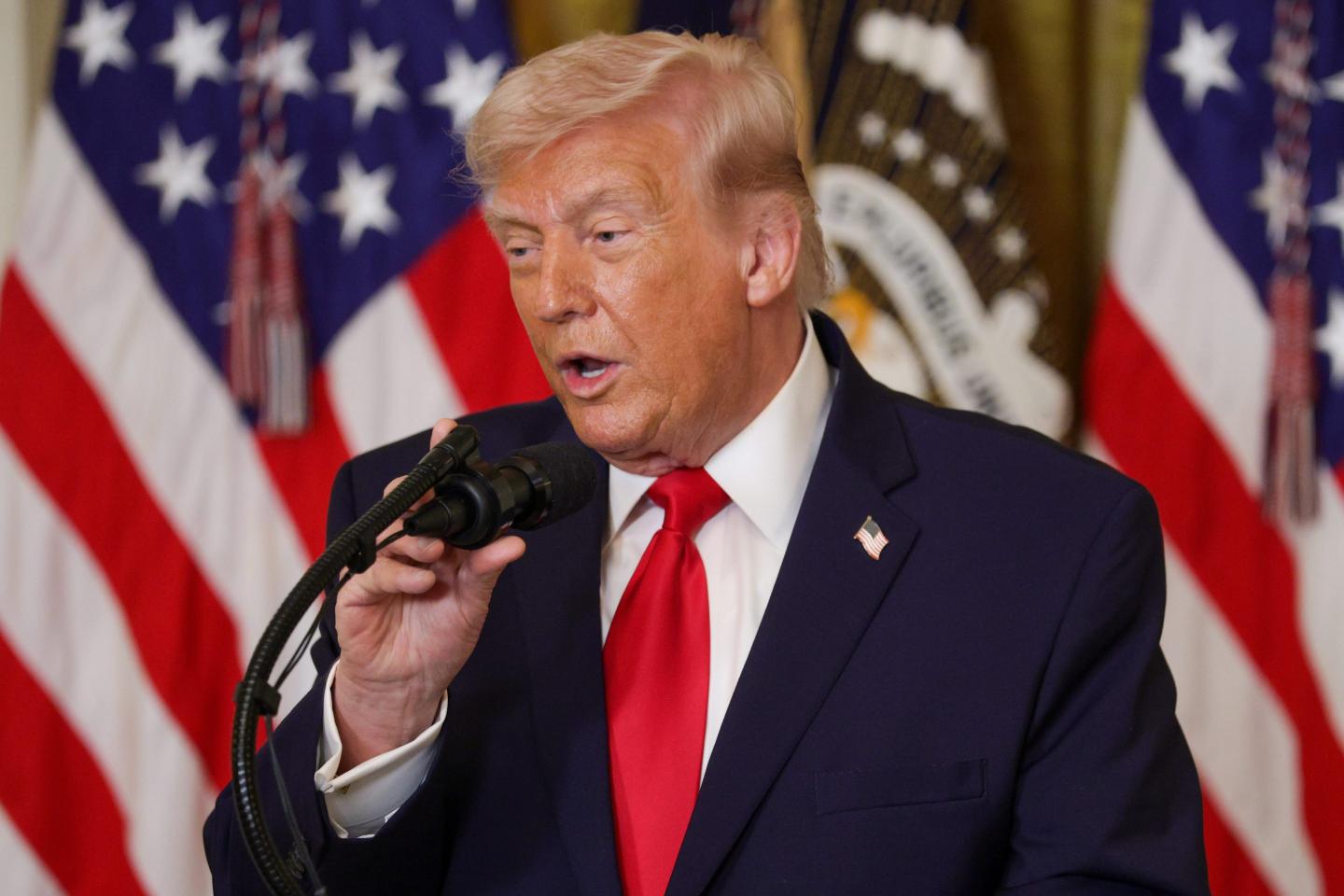
President Donald Trump
President Donald Trump's bet on a swift end to the war in the Middle East might not mean much for the energy crisis.Alex Wong/Getty Images

The global energy crunch stemming from the conflict in Iran is getting more severe by the day, and regardless of how long the interruption to global supply lasts, this crisis is one for the record books. 

Recommended Video

The U.S. and Israel’s sweeping military campaign in Iran now involves a dozen other nations in the Middle and Near East, many of which are also oil and gas producers. By shutting down the Strait of Hormuz that links the Persian Gulf to global markets, the war has effectively erased the 20 million barrels of petroleum that used to traverse the waterway each day, according to a report released Thursday by the International Energy Agency. 

Now, only “a trickle” is passing through, the IEA said, and the implications for global oil markets are historic.

“The war in the Middle East is creating the largest supply disruption in the history of the global oil market,” the agency wrote in its report.

And the chaos isn’t just in trade, the IEA warned. Iranian attacks have targeted crucial energy infrastructure in the Gulf, and countries have been forced to slash production, a market distortion that could ripple long after tankers can safely cross the Strait of Hormuz again.

Stranded supply

On a normal day, 20% of the world’s traded petroleum passes through the strait. Since the war broke out, rising insurance costs and Iranian threats have wiped pretty much all of that off the market. The IEA predicted global oil supply will plunge by 8 million barrels a day this month. For context, that’s more or less the U.S.’s entire daily oil import volume.

The strait’s closure, and conflicting statements from the Trump administration as to the war’s expected duration, has sent oil prices on a whiplash ride. Brent crude, a global benchmark, went from around $70 a barrel before the war almost to $120 on Monday, then moderated after Trump proclaimed the conflict was nearing its end. It now sits at around $100, as Iran’s newly installed supreme leader, Mojtaba Khamenei, pledged on Thursday to keep the strait closed. 

Soaring oil prices have already led to rising gasoline costs around the world, including in the U.S., where average regular fuel prices are now $3.63 a gallon, up from $2.94 a month ago. Due to high costs, the IEA predicts global oil demand in March and April will fall by an average of 1 million barrels per day.

The costs will likely rise the longer the war goes on, the IEA said. Because of limited storage capacity, several oil-producing Middle Eastern countries—including Saudi Arabia, Kuwait, Iraq, and the United Arab Emirates—have had to cut back operations since the war began. These closures will subtract around 10 million barrels a day from global oil production, according to the IEA.

“In the absence of a rapid resumption of shipping flows, supply losses are set to increase,” the agency wrote in its report.

This week, the IEA mediated a coordinated petroleum release from strategic oil reserves across its 32 member countries. Around 400 million barrels of oil will flow into markets, around one third of readily available reserves and the largest release in history.

A radically reshaped energy market

But the injection of emergency oil reserves might not do much to temper volatility if the strait remains closed. The IEA report referred to the release as a “stop-gap measure,” and analysts have said it will only keep markets in check for a few weeks. Transportation by pipelines and tankers can also be an issue, risking more bottlenecks and higher prices. Much more impactful, the IEA said, would be a rapid reopening of the strait and protection of the Gulf’s energy infrastructure.

Those facilities—including extraction sites, refineries, and the terminals used to liquify natural gas ahead of export—have been targeted in repeated Iranian strikes. The Ras Laffan gas facility in Qatar, responsible for around one fifth of global liquified natural gas supply, shut down last week after drone attacks. But even after operations can resume, it will take at least two weeks for the site to return to full capacity. Speaking to the Financial Times last week, Qatar’s energy minister said even after the conflict is over, it could take “weeks to months” for the country’s export volumes to return to pre-war levels.

It’s a similar story for oil infrastructure, as analysts have warned that petroleum extraction and storage facilities are not designed to lie idle, and that the longer producers are forced to stash oil away rather than load it onto tankers, the longer it will take to return to normal operations.

Gulf facilities are now increasingly resorting to shut-ins, manually shutting valves to slow down the flow of petroleum. Over time, such pauses can cause corrosion and structural damage that needs to be repaired before operations can fully resume. 

“Shut-ins don’t just happen and then you turn a switch and everything’s back together. You have to get production back online, and that can be pretty time-consuming,” Richard Nephew, a researcher at Columbia University’s Center on Global Energy Policy, said this week during a panel organized by the Washington Institute for Near East Policy.

Economists such as Mohamed El-Erian and Paul Krugman have warned that the war could lead to slower growth and higher inflation in the U.S., and the energy crunch’s effect might only get worse the longer Middle Eastern oil is in short supply.

Already, China has severely tightened export restrictions on oil in a bid to protect its consumers from higher prices. It raises the risk of a protectionist wave similar to the one that followed Russia’s invasion of Ukraine in 2022, which pushed up energy prices and curtailed economic growth, particularly for poorer countries.

Despite the defiance of Iran’s regime, Trump has insisted the war will conclude in short order. If he is right, addressing the disruption it caused could be an even bigger challenge.

Subscribe to Fortune Gulf Brief. Every Tuesday, this new newsletter will deliver clear-eyed, authoritative intelligence on the deals, decisions, policies, and power shifts shaping one of the world’s most consequential regions, written for the people who need to act on it. Sign up here.
About the Author
By Tristan BoveContributing Reporter
LinkedIn iconTwitter icon
See full bioRight Arrow Button Icon

Latest in Energy

Finance
Lorem ipsum dolor sit amet, consectetur adipiscing elit, sed do eiusmod tempor incididunt ut labore et dolore magna aliqua. Ut enim ad minim veniam
By Fortune Editors
October 20, 2025
Finance
Lorem ipsum dolor sit amet, consectetur adipiscing elit, sed do eiusmod tempor incididunt ut labore et dolore magna aliqua. Ut enim ad minim veniam
By Fortune Editors
October 20, 2025
Finance
Lorem ipsum dolor sit amet, consectetur adipiscing elit, sed do eiusmod tempor incididunt ut labore et dolore magna aliqua. Ut enim ad minim veniam
By Fortune Editors
October 20, 2025
Finance
Lorem ipsum dolor sit amet, consectetur adipiscing elit, sed do eiusmod tempor incididunt ut labore et dolore magna aliqua. Ut enim ad minim veniam
By Fortune Editors
October 20, 2025
Finance
Lorem ipsum dolor sit amet, consectetur adipiscing elit, sed do eiusmod tempor incididunt ut labore et dolore magna aliqua. Ut enim ad minim veniam
By Fortune Editors
October 20, 2025
Finance
Lorem ipsum dolor sit amet, consectetur adipiscing elit, sed do eiusmod tempor incididunt ut labore et dolore magna aliqua. Ut enim ad minim veniam
By Fortune Editors
October 20, 2025

Most Popular

Finance
Lorem ipsum dolor sit amet, consectetur adipiscing elit, sed do eiusmod tempor incididunt ut labore et dolore magna aliqua. Ut enim ad minim veniam
By Fortune Editors
October 20, 2025
Finance
Lorem ipsum dolor sit amet, consectetur adipiscing elit, sed do eiusmod tempor incididunt ut labore et dolore magna aliqua. Ut enim ad minim veniam
By Fortune Editors
October 20, 2025
Finance
Lorem ipsum dolor sit amet, consectetur adipiscing elit, sed do eiusmod tempor incididunt ut labore et dolore magna aliqua. Ut enim ad minim veniam
By Fortune Editors
October 20, 2025
Finance
Lorem ipsum dolor sit amet, consectetur adipiscing elit, sed do eiusmod tempor incididunt ut labore et dolore magna aliqua. Ut enim ad minim veniam
By Fortune Editors
October 20, 2025
Finance
Lorem ipsum dolor sit amet, consectetur adipiscing elit, sed do eiusmod tempor incididunt ut labore et dolore magna aliqua. Ut enim ad minim veniam
By Fortune Editors
October 20, 2025
Finance
Lorem ipsum dolor sit amet, consectetur adipiscing elit, sed do eiusmod tempor incididunt ut labore et dolore magna aliqua. Ut enim ad minim veniam
By Fortune Editors
October 20, 2025
Fortune Secondary Logo
Rankings
  • 100 Best Companies
  • Fortune 500
  • Global 500
  • Fortune 500 Europe
  • Most Powerful Women
  • World's Most Admired Companies
  • See All Rankings
  • Lists Calendar
Sections
  • Finance
  • Fortune Crypto
  • Features
  • Leadership
  • Health
  • Commentary
  • Success
  • Retail
  • Mpw
  • Tech
  • Lifestyle
  • CEO Initiative
  • Asia
  • Politics
  • Conferences
  • Europe
  • Newsletters
  • Personal Finance
  • Environment
  • Magazine
  • Education
Customer Support
  • Frequently Asked Questions
  • Customer Service Portal
  • Privacy Policy
  • Terms Of Use
  • Single Issues For Purchase
  • International Print
Commercial Services
  • Advertising
  • Fortune Brand Studio
  • Fortune Analytics
  • Fortune Conferences
  • Business Development
  • Group Subscriptions
About Us
  • About Us
  • Press Center
  • Work At Fortune
  • Terms And Conditions
  • Site Map
  • About Us
  • Press Center
  • Work At Fortune
  • Terms And Conditions
  • Site Map
  • Facebook icon
  • Twitter icon
  • LinkedIn icon
  • Instagram icon
  • Pinterest icon

Latest in Energy

Motorbikes drive past a billboard with graphic showing the late Iranian Supreme Leader Ayatollah Ali Khamenei
PoliticsIran
Iran is setting up an agency to tax ships passing through Hormuz even as it negotiates a peace deal
By Adam Schreck, David McHugh, Russ Bynum and The Associated PressMay 7, 2026
2 hours ago
amanda
Commentarybatteries
Why energy storage is moving beyond the capex debate
By Amanda SimonianMay 7, 2026
9 hours ago
Current price of oil as of May 7, 2026
Personal FinanceOil
Current price of oil as of May 7, 2026
By Joseph HostetlerMay 7, 2026
9 hours ago
Wall Street has decided the war is already over as stocks rally globally on peace talk progress
PoliticsMarkets
Wall Street has decided the war is already over as stocks rally globally on peace talk progress
By Jim EdwardsMay 7, 2026
12 hours ago
A boat in the strait of hormuz.
EnergyShipping
Cargo ship crews face attacks waiting the Gulf as Trump pauses two-day-old project to ‘guide’ ships
By Mae Anderson, David McHugh and The Associated PressMay 6, 2026
1 day ago
high gas prices on display, $6.79 per gallon
Economygas prices
Iran War is hitting low-income Americans the hardest at the gas pump, New York Fed says
By Christopher Rugaber and The Associated PressMay 6, 2026
1 day ago

Most Popular

A Michigan farm town voted down plans for a giant OpenAI-Oracle data center. Weeks later, construction began
Magazine
A Michigan farm town voted down plans for a giant OpenAI-Oracle data center. Weeks later, construction began
By Sharon GoldmanMay 6, 2026
2 days ago
U.S. Treasury will have to borrow $2 trillion this year just to continue functioning—more than $166 billion every month
Economy
U.S. Treasury will have to borrow $2 trillion this year just to continue functioning—more than $166 billion every month
By Eleanor PringleMay 7, 2026
11 hours ago
Tokyo is throwing out its strict office dress code and asking workers to wear shorts amid the war in Iran energy crisis
Success
Tokyo is throwing out its strict office dress code and asking workers to wear shorts amid the war in Iran energy crisis
By Emma BurleighMay 5, 2026
2 days ago
Mark Zuckerberg once gave a Facebook engineer startup advice at 2 a.m. while 'hanging out with all the interns'—she quit and raised millions after
Success
Mark Zuckerberg once gave a Facebook engineer startup advice at 2 a.m. while 'hanging out with all the interns'—she quit and raised millions after
By Orianna Rosa RoyleMay 6, 2026
1 day ago
AI could solve America's $39 trillion debt crisis—but only if Washington abandons displaced workers, Yale Budget Lab warns
Economy
AI could solve America's $39 trillion debt crisis—but only if Washington abandons displaced workers, Yale Budget Lab warns
By Jake AngeloMay 6, 2026
1 day ago
The IRS may owe COVID-era refunds to tens of millions of taxpayers. Here’s who could qualify
Personal Finance
The IRS may owe COVID-era refunds to tens of millions of taxpayers. Here’s who could qualify
By Sydney LakeMay 6, 2026
1 day ago

© 2026 Fortune Media IP Limited. All Rights Reserved. Use of this site constitutes acceptance of our Terms of Use and Privacy Policy | CA Notice at Collection and Privacy Notice | Do Not Sell/Share My Personal Information
FORTUNE is a trademark of Fortune Media IP Limited, registered in the U.S. and other countries. FORTUNE may receive compensation for some links to products and services on this website. Offers may be subject to change without notice.