• Home
  • Latest
  • Fortune 500
  • Finance
  • Tech
  • Leadership
  • Lifestyle
  • Rankings
  • Multimedia
EnergyIran

Oil and gas shutdowns in Iraq and Kuwait widen the Iran war’s impact on energy prices, while the U.S. lines up insurance and naval escorts in response

Jordan Blum
By
Jordan Blum
Jordan Blum
Editor, Energy
Down Arrow Button Icon
Jordan Blum
By
Jordan Blum
Jordan Blum
Editor, Energy
Down Arrow Button Icon
March 7, 2026, 2:58 AM ET
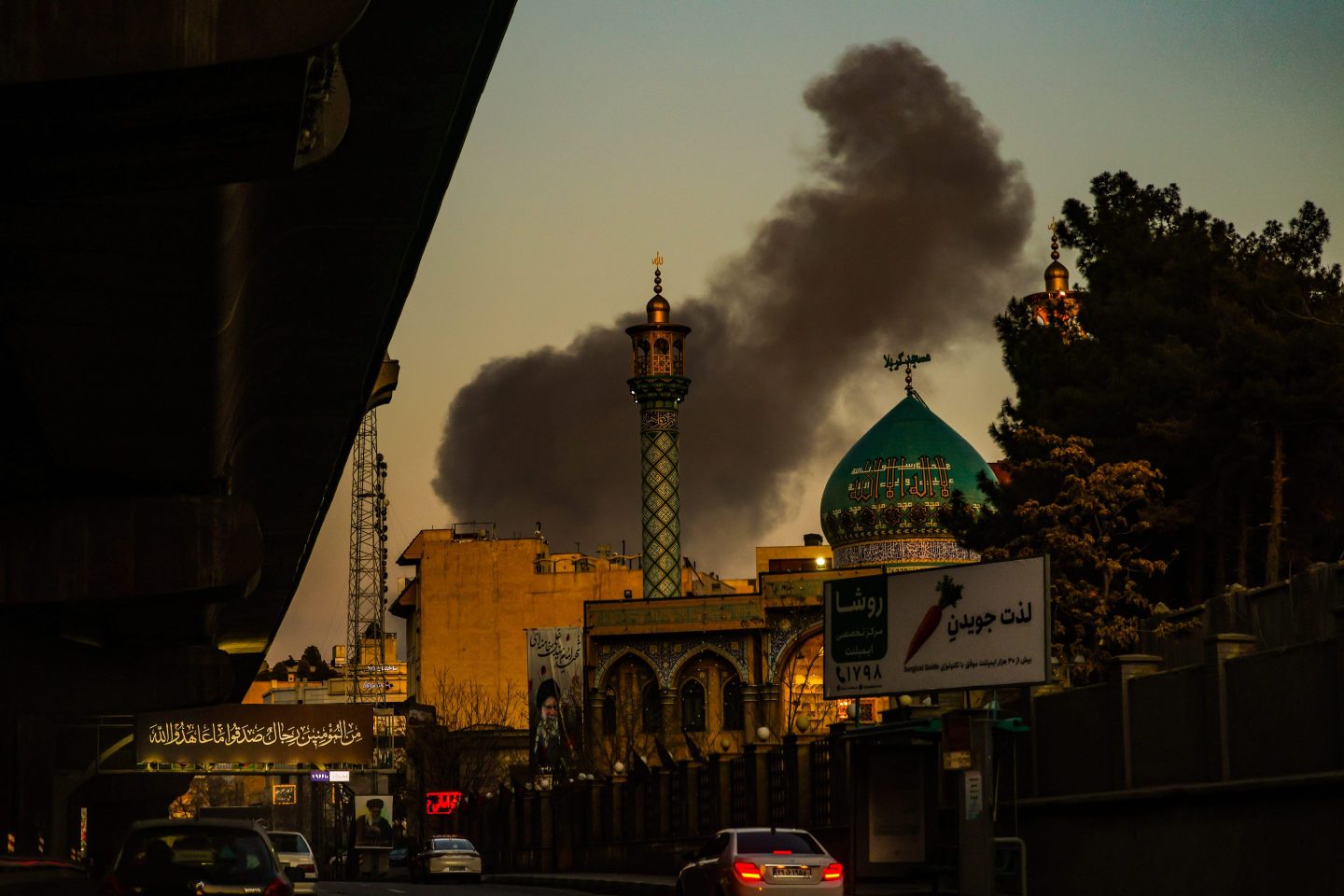
An explosion in Tehran.
A general view of Tehran, with smoke visible in the distance, after explosions were reported in the city on March 06, 2026 in Tehran, Iran. Photo by Contributor—Getty Images)

The cycle started this week with Qatar ceasing most of its liquefied natural gas output. Then Iraq and Kuwait began shutting down production from their oilfields. The United Arab Emirates and Saudi Arabia may soon follow suit.

Recommended Video

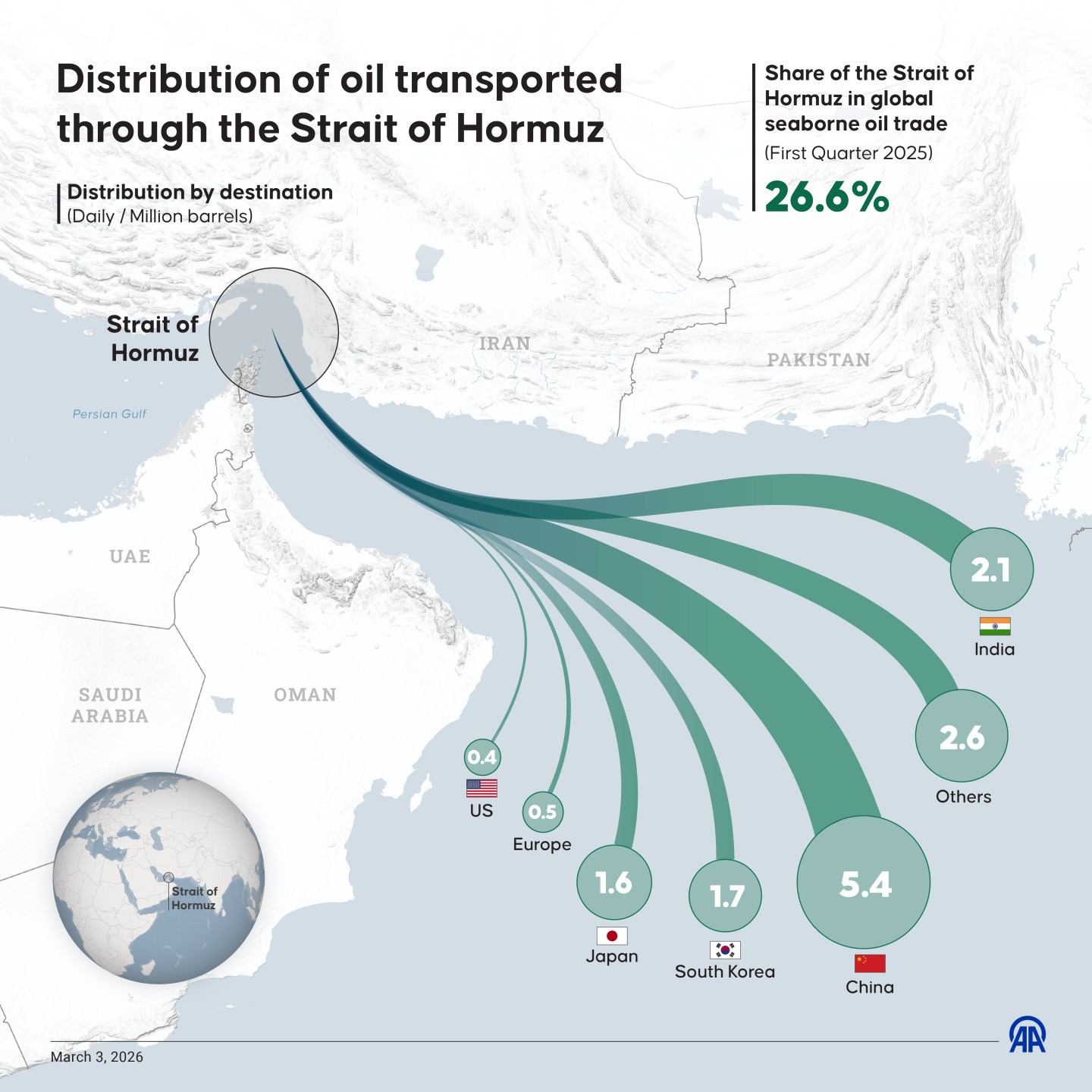
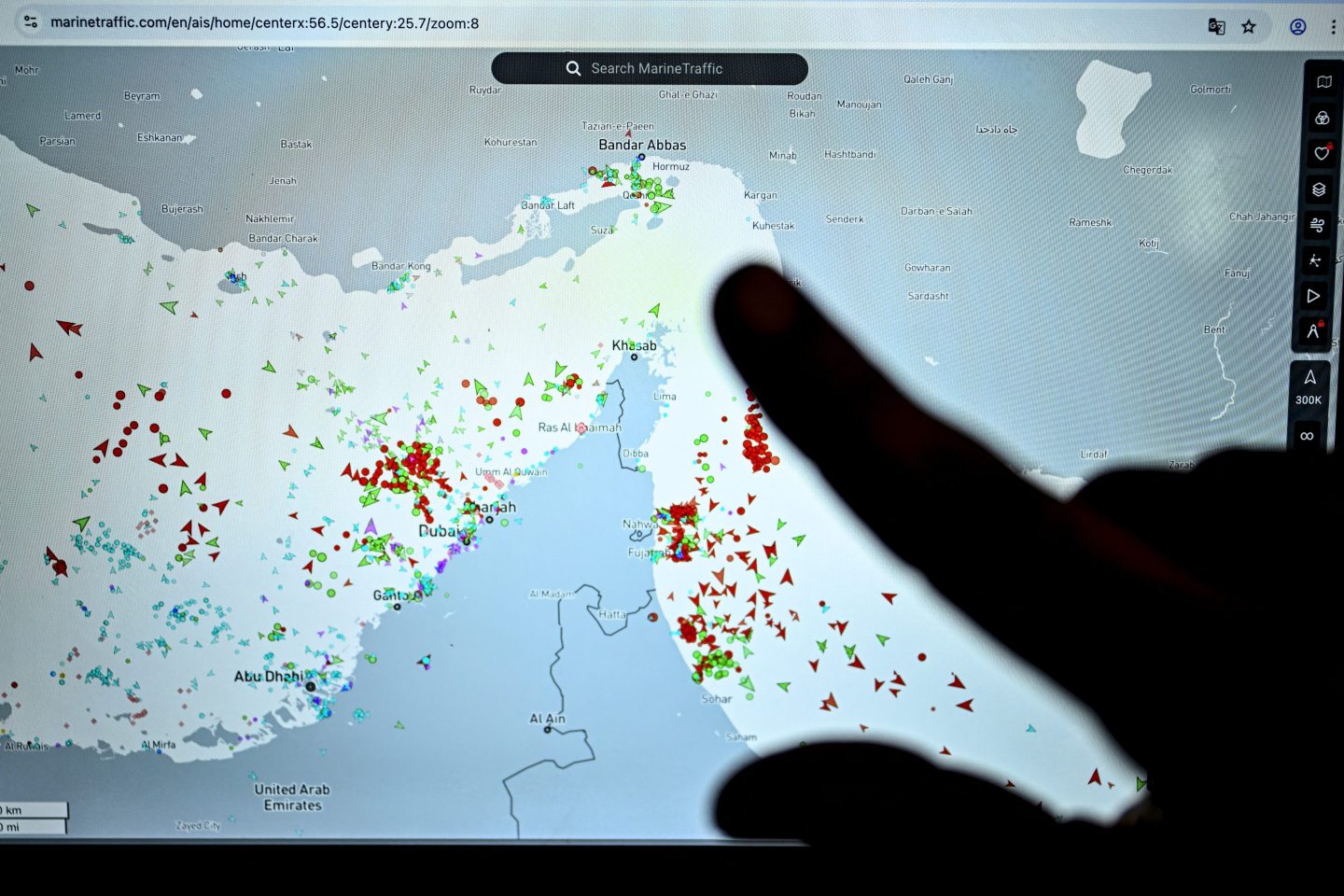
It’s not because these oil and gas fields are under military threat (though some of them may be). The problem is the effective closure of the Strait of Hormuz because of the war in Iran. The tightening of that chokepoint gives many of the Gulf energy producers few export outlets for their barrels. That sets off a chain reaction—with domestic storage filling up and then forcing the shuttering of production.

That shuttering, in turn, could create long-term trouble. Oil and gas wells don’t operate like light switches. The shutdown process can trigger equipment failures and geological breakdowns and, even in best-case scenarios, it can take several weeks to resume the full flows of hydrocarbons.

The “silent killer” of global energy isn’t just the war; it’s the irreversible physical decay that happens the moment oil production stops, explained Sid Misra, petroleum engineering professor at Texas A&M University. The oil can be trapped in the subsurface as returning water rushes to fill the pore space.

“This oil is not just paused; it is physically locked away from ever being produced through the wellbore,” Misra stated. “Even when the conflict ends, that production capacity may be gone forever, permanently reducing global supply and raising the long-term floor price of energy.”

The good news for global oil markets is that Middle Eastern nations in OPEC are more adept at adjusting production flows than anywhere else in the world, said Pavel Molchanov, energy analyst at Raymond James.

“In the Middle East, there’s a long history of oilfields modulating production up and down. It’s just that normally it happens for a different reason,” Molchanov told Fortune. “It will differ from field to field, but it’s days or weeks [to return production]. It’s not months.”

Insurance from Uncle Sam

In the background, the U.S. is working to resolve another issue that has spooked the energy markets: insurance prices on regional oil shipments, which have soared since the Iran conflict broke out. The U.S. government is preparing to offer subsidized insurance with third parties to cover the treks of oil tankers and more, while preparing potential naval escorts for the tankers at a to-be-determined time.

The U.S. International Development Finance Corporation (DFC) said March 6 it will initially focus on offering cargo, hull and machinery coverage for maritime reinsurance, including war risk, in the Persian Gulf region. The emphasis is on working with preferred American insurance partners. DFC said it is coordinating with the U.S. Treasury and U.S. Central Command on the “next steps in the implementation of this plan.”

“Working alongside CENTCOM, DFC coverage will offer a level of security no other policy can provide. We are confident that our reinsurance plan will get oil, gasoline, LNG, jet fuel, and fertilizer through the Strait of Hormuz and flowing again to the world,” said DFC CEO Ben Black in a statement.

In the meantime, the U.S. oil benchmark had spiked above $90 per barrel as of Friday—up almost 60% since the beginning of the year, and nearing its highest levels since Russia invaded Ukraine in 2022. Fuel prices worldwide, including gasoline, diesel, and jet fuel, are surging by the day. The U.S. average for a gallon of regular unleaded gasoline is up more than 60 cents from January lows and rising. The effects are even more dramatic on Asian and European economies that are more heavily dependent on OPEC oil and Qatari natural gas.

While Iran’s Revolutionary Guard maintains it has “complete control” over the Strait of Hormuz, oil prices further spiked March 6 when President Donald Trump demanded nothing less than “unconditional surrender” from Iran.

“Iran has no advantage, and the United States Military is ensuring that their dismal situation only gets worse,” White House spokeswoman Anna Kelly told Fortune in a statement. “Their navy is totally demolished, and their ballistic missiles and production facilities are being destroyed. As President Trump said, he has ordered DFC to provide political risk insurance and guarantees for financial security of all maritime trade, and our Navy will begin escorting tankers through the Strait of Hormuz if necessary.”
Getty Images

Pursuing all options

The top oil exporter in the world, Saudi Arabia, began sending more crude oil shipments through the Red Sea, but those are modest volumes that cannot begin to be offset by the traffic through the Strait of Hormuz.

An S&P Global Ratings report noted that 89% of Saudi Arabia’s energy exports flow through the Strait of Hormuz. Iran, Kuwait, and Qatar ship 100% through the strait, while Iraq exports 97% through it. The UAE has a bit more flexibility, shipping only 66% through the strait because of alternatives utilizing Abu Dhabi pipelines.

On March 5, an Iranian drone targeted an oil tanker near the Iraqi port of Khor al Zubair, and another tanker reported an explosion while anchored off Kuwait. While large energy infrastructure has been targeted relatively seldomly, an Iranian missile strike also hit the only oil refinery in Bahrain, and Saudi Arabia’s largest refinery remains closed for now after sustaining reportedly modest damage.

The worst-case scenario is if Iran places explosive mines throughout the strait, which would take months to remove, or if Iran and its Gulf neighbors begin broadly targeting each other’s energy-producing infrastructure, Molchanov said.

“They need to have an economy after the war ends. It would be a lose-lose for both sides,” Molchanov said. “But repairing a pipeline that’s been destroyed, or a refinery or an export terminal can take months, potentially over a year depending on how much damage.”

The positive backstop, he said, is the U.S. and most major countries have emergency stockpiles of oil to tide them over in the meantime, if necessary. In contrast, during the Arab oil embargo in the 1970s led to long lines of cars at gas pumps that remain vivid memories for many.

There is more risk of a natural gas shortage in some of the Asian and European economies that depend on Qatari gas, Molchanov said, because most of those countries don’t have extensive natural gas reserves.

Kathleen Brooks, research director for the XTB brokerage house, reiterated that energy prices should remain elevated even when and if military deescalation takes hold.

“We think that energy prices will maintain a risk premium even if the fighting stops, as oil and gas infrastructure in the Gulf remains out of action, which could take weeks or months to repair,” Brooks said in a note. “If the war continues to escalate over the weekend, we think that markets will continue to sell off, especially after the rapid increase in oil prices today.”
Join us at the Fortune Workplace Innovation Summit May 19–20, 2026, in Atlanta. The next era of workplace innovation is here—and the old playbook is being rewritten. At this exclusive, high-energy event, the world’s most innovative leaders will convene to explore how AI, humanity, and strategy converge to redefine, again, the future of work. Register now.
About the Author
Jordan Blum
By Jordan BlumEditor, Energy

Jordan Blum is the Energy editor at Fortune, overseeing coverage of a growing global energy sector for oil and gas, transition businesses, renewables, and critical minerals.

See full bioRight Arrow Button Icon

Latest in Energy

Finance
Lorem ipsum dolor sit amet, consectetur adipiscing elit, sed do eiusmod tempor incididunt ut labore et dolore magna aliqua. Ut enim ad minim veniam
By Fortune Editors
October 20, 2025
Finance
Lorem ipsum dolor sit amet, consectetur adipiscing elit, sed do eiusmod tempor incididunt ut labore et dolore magna aliqua. Ut enim ad minim veniam
By Fortune Editors
October 20, 2025
Finance
Lorem ipsum dolor sit amet, consectetur adipiscing elit, sed do eiusmod tempor incididunt ut labore et dolore magna aliqua. Ut enim ad minim veniam
By Fortune Editors
October 20, 2025
Finance
Lorem ipsum dolor sit amet, consectetur adipiscing elit, sed do eiusmod tempor incididunt ut labore et dolore magna aliqua. Ut enim ad minim veniam
By Fortune Editors
October 20, 2025
Finance
Lorem ipsum dolor sit amet, consectetur adipiscing elit, sed do eiusmod tempor incididunt ut labore et dolore magna aliqua. Ut enim ad minim veniam
By Fortune Editors
October 20, 2025
Finance
Lorem ipsum dolor sit amet, consectetur adipiscing elit, sed do eiusmod tempor incididunt ut labore et dolore magna aliqua. Ut enim ad minim veniam
By Fortune Editors
October 20, 2025

Most Popular

Finance
Lorem ipsum dolor sit amet, consectetur adipiscing elit, sed do eiusmod tempor incididunt ut labore et dolore magna aliqua. Ut enim ad minim veniam
By Fortune Editors
October 20, 2025
Finance
Lorem ipsum dolor sit amet, consectetur adipiscing elit, sed do eiusmod tempor incididunt ut labore et dolore magna aliqua. Ut enim ad minim veniam
By Fortune Editors
October 20, 2025
Finance
Lorem ipsum dolor sit amet, consectetur adipiscing elit, sed do eiusmod tempor incididunt ut labore et dolore magna aliqua. Ut enim ad minim veniam
By Fortune Editors
October 20, 2025
Finance
Lorem ipsum dolor sit amet, consectetur adipiscing elit, sed do eiusmod tempor incididunt ut labore et dolore magna aliqua. Ut enim ad minim veniam
By Fortune Editors
October 20, 2025
Finance
Lorem ipsum dolor sit amet, consectetur adipiscing elit, sed do eiusmod tempor incididunt ut labore et dolore magna aliqua. Ut enim ad minim veniam
By Fortune Editors
October 20, 2025
Finance
Lorem ipsum dolor sit amet, consectetur adipiscing elit, sed do eiusmod tempor incididunt ut labore et dolore magna aliqua. Ut enim ad minim veniam
By Fortune Editors
October 20, 2025
Fortune Secondary Logo
Rankings
  • 100 Best Companies
  • Fortune 500
  • Global 500
  • Fortune 500 Europe
  • Most Powerful Women
  • Future 50
  • World’s Most Admired Companies
  • See All Rankings
Sections
  • Finance
  • Fortune Crypto
  • Features
  • Leadership
  • Health
  • Commentary
  • Success
  • Retail
  • Mpw
  • Tech
  • Lifestyle
  • CEO Initiative
  • Asia
  • Politics
  • Conferences
  • Europe
  • Newsletters
  • Personal Finance
  • Environment
  • Magazine
  • Education
Customer Support
  • Frequently Asked Questions
  • Customer Service Portal
  • Privacy Policy
  • Terms Of Use
  • Single Issues For Purchase
  • International Print
Commercial Services
  • Advertising
  • Fortune Brand Studio
  • Fortune Analytics
  • Fortune Conferences
  • Business Development
  • Group Subscriptions
About Us
  • About Us
  • Editorial Calendar
  • Press Center
  • Work At Fortune
  • Diversity And Inclusion
  • Terms And Conditions
  • Site Map
Fortune Secondary Logo
  • About Us
  • Editorial Calendar
  • Press Center
  • Work At Fortune
  • Diversity And Inclusion
  • Terms And Conditions
  • Site Map
  • Facebook icon
  • Twitter icon
  • LinkedIn icon
  • Instagram icon
  • Pinterest icon

Latest in Energy

An explosion in Tehran.
EnergyIran
Oil and gas shutdowns in Iraq and Kuwait widen the Iran war’s impact on energy prices, while the U.S. lines up insurance and naval escorts in response
By Jordan BlumMarch 7, 2026
3 hours ago
Saad Sherida al-Kaabi, Qatar's Energy Minister
EnergyGlobal Economy
Iran conflict could ‘bring down the economies of the world,’ warns one of the Middle East’s biggest energy exporters
By Tristan BoveMarch 6, 2026
16 hours ago
iran
CommentaryOil
Bypassing Hormuz: how technology, not territory, will win the new energy war
By Siddharth MisraMarch 6, 2026
19 hours ago
UN
Middle EastRare Earth Metal
Critical minerals demand snowballed to $2.5 trillion last year and could triple by 2030, UN projects
By Edith M. Lederer and The Associated PressMarch 6, 2026
20 hours ago
heat
Environmentclimate change
The last 3 years were the hottest ever recorded. Here’s why we may look back at them as some of the coolest we remember
By Michael Wysession and The ConversationMarch 6, 2026
24 hours ago
hormuz
CommentaryOil
Hung up on Hormuz: the old-world order of oil was just shattered by the closing of Iran’s key global chokepoint
By Siddharth MisraMarch 6, 2026
1 day ago

Most Popular

placeholder alt text
Economy
The Treasury may need to borrow an extra $1.6 trillion to cover the hole left by tariff ruling and pay a further $400 billion in debt interest
By Eleanor PringleMarch 6, 2026
23 hours ago
placeholder alt text
AI
Anthropic just mapped out which jobs AI could potentially replace. A 'Great Recession for white-collar workers' is absolutely possible
By Jake AngeloMarch 6, 2026
18 hours ago
placeholder alt text
Politics
Iran is turning out to be a more effective enemy than many thought, and U.S. allies are losing their patience with the war
By Jim EdwardsMarch 6, 2026
23 hours ago
placeholder alt text
Success
Chinese billionaire who has fathered more than 100 children hopes to have dozens of U.S.-born boys to one day take over his business
By Emma BurleighMarch 5, 2026
2 days ago
placeholder alt text
Middle East
The Iran conflict will be the ’straw that breaks the camel’s back’ for the U.S. economy if it goes on much longer, Nobel laureate Paul Krugman warns
By Tristan BoveMarch 6, 2026
1 day ago
placeholder alt text
AI
Shark Tank's Kevin O'Leary says if he were 25 today, he'd chase these two booming opportunities in the world of AI
By Marco Quiroz-GutierrezMarch 6, 2026
19 hours ago

© 2026 Fortune Media IP Limited. All Rights Reserved. Use of this site constitutes acceptance of our Terms of Use and Privacy Policy | CA Notice at Collection and Privacy Notice | Do Not Sell/Share My Personal Information
FORTUNE is a trademark of Fortune Media IP Limited, registered in the U.S. and other countries. FORTUNE may receive compensation for some links to products and services on this website. Offers may be subject to change without notice.