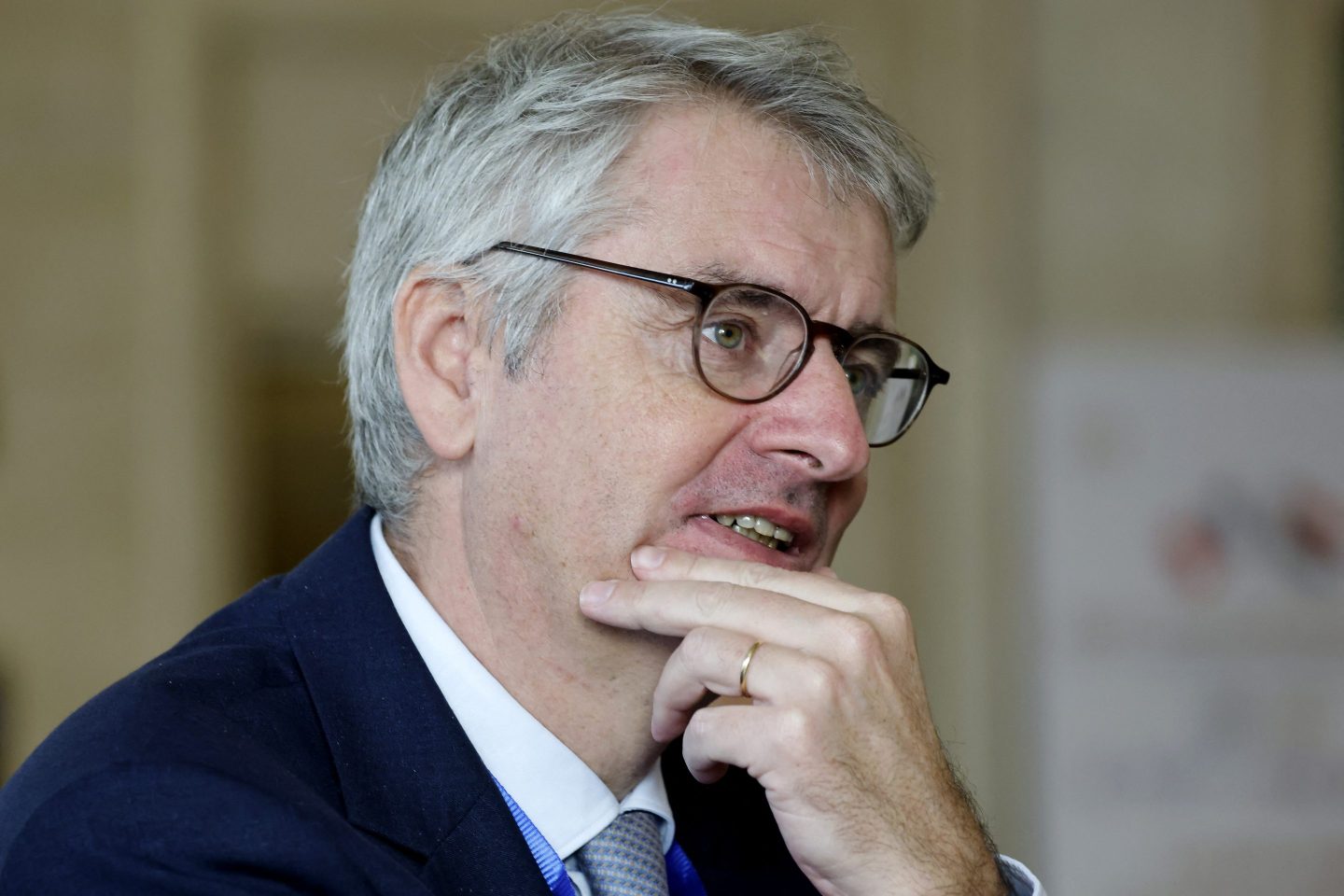
When private equity titan Leon Black needed help with creative tax and wealth strategies, he turned to Jeffrey Epstein. But when Black needed help with Epstein, he turned to a powerful Wall Street attorney and fixer, Brad Karp.
The largest release yet of Justice Department records on Epstein reveal that Karp, the chairman of elite law firm Paul Weiss, was often in near orbit as Black paid the convicted sex offender $158 million for financial advice over the years — with Karp sometimes helping set the amounts. In a twist, he and Epstein also formed what they both called a “friendship” — musing in messages, arranging to attend a Woody Allen film premier and meeting up, including for dinner at Epstein’s Manhattan home.
Those old ties — now exposed — just came to an abrupt head, with Karp resigning from the perch he held atop one of New York’s biggest law firms since 2008.
“Recent reporting has created a distraction and has placed a focus on me that is not in the best interests of the firm,” Karp said in a statement late Wednesday. Paul Weiss said he will continue serving clients at the firm.
Epstein files now show how the pedophile and the powerhouse attorney worked as allies while reshaping the management of Black’s wealth. At times, Epstein characterized the billionaire’s office as sloppy and amateurish, exposing him to taxes and reputational risks while making sensitive payments. (Later, in 2021, Black publicly admitted he had tried to cover up a “consensual affair” with a Russian model by paying her “substantial” sums.)
“He MUST be more careful,” Epstein wrote to Karp in late 2017, urging him to explain risks to Black and complaining that the billionaire needed to “re do his office with top line professionals.”
“I understand. Can’t wait. :),” Karp responded.
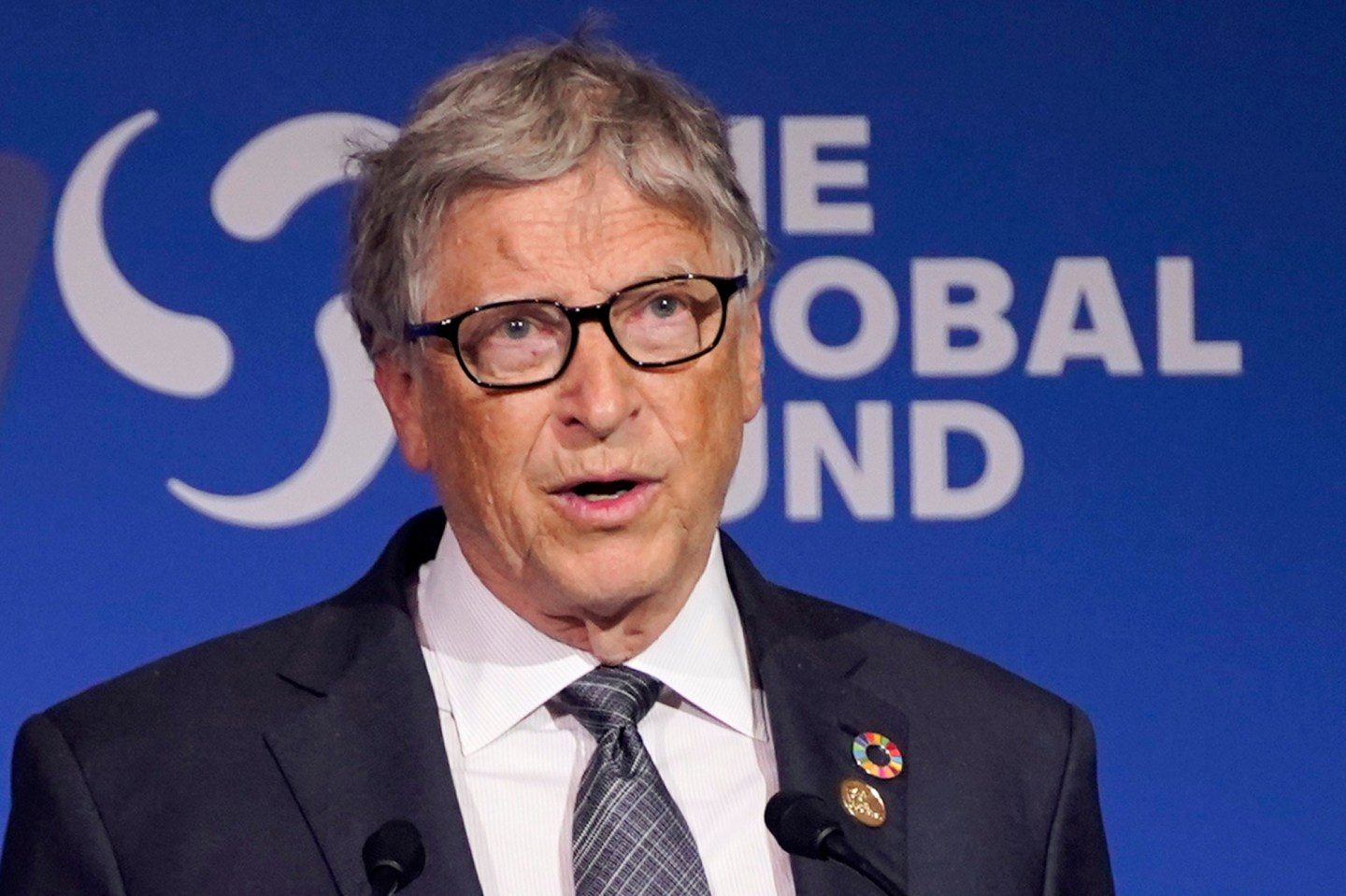
Over the years, Epstein also extolled Karp’s prowess to contacts across business, politics and academia. To Microsoft Corp. founder Bill Gates, it was “call Brad Karp.” To Donald Trump’s one-time adviser Steve Bannon, it was “I think you should meet Brad Karp.” To former Treasury Secretary and Harvard University professor Larry Summers, it was “Brad would be a good person for you.”
On Wall Street, Karp needed no introduction. He’s known throughout its corridors of power, sometimes guiding the likes of Citigroup Inc. through legal issues. As the files became public, he abruptly dropped out of an industry conference this week where he was scheduled to speak on “leadership in uncertain times.”
Before federal authorities charged Epstein in 2019 with sex trafficking of minors, the files show he and Karp veered between professional conversations and camaraderie.
But throughout, the documents make clear that Karp worked for Black, the co-founder of Apollo Global Management Inc.
A representative for Black didn’t immediately respond to a request for comment. Paul Weiss has said it was retained by Black to negotiate a series of fee disputes with Epstein. “The firm was adverse to Epstein,” the firm said. “And at no point did Paul Weiss or Brad Karp ever represent him.”
In statements to the media, the firm also has said Karp “had a small number of social interactions by email” with Epstein, which he regrets.
‘Appreciate Our Friendship’
Black’s hiring of Epstein for estate planning and tax advice has been publicly known for years, contributing to his exit as Apollo’s chief executive officer in early 2021. At various points, the files show, Karp stepped into that work to deal with Epstein.
One of the earliest available messages referencing Karp is from 2014 and doesn’t mention Black. In it, Epstein’s assistant told her boss that Karp wanted to bring his daughter along to an Allen film screening that Epstein was inviting people to. (Two years later, Karp asked Epstein for help getting his son work on an Allen movie.)
Sometimes the messages got feisty, with Epstein lecturing Karp over a fee. “your job, is to get leon to a place that =AO he pays for what he received. NO discusion or movement,” Epstein wrote in January 2016.
“I understand and will have that =onversation,” Karp responded.
The next year, on a message discussing a “big transaction,” Epstein wrote, “I trust you 100 percent.”
“I really appreciate you always being straight with me,” Karp wrote on another message chain with Epstein that December. “I appreciate our friendship.”
In 2018, Epstein confided in Karp that he had spoken off the record to someone from the New York Times working on a story about Elon Musk. “ny times all over me re elon musk,” Epstein wrote. “i feel sorry for him.”
Karp responded: “Seriously? And so do I. I=’s not good.”
Epstein sometimes sent Karp links to articles about famous men accused of sexual misconduct. In mid-2017, after a woman was accused by prosecutors of trying to blackmail former New York Governor Eliot Spitzer, Epstein wrote Karp that he hadn’t really followed the “extortion girl issue,” and asked whether he did. Karp responded “not really.”
In early 2019, a team of defense lawyers submitted a letter to the editor of the New York Times. They took issue with how it had characterized Epstein’s 2008 prosecution agreement, which was facing mounting public criticism for going easy on him by letting him plead guilty to just two state charges. A few days before the letter’s publication, Karp offered to review it.
“I would love to see and comment on a draft,” he wrote Epstein. (The lawyer would later say that it “looked strong.”)
Epstein acknowledged his “judgment and friendship.”
Also that year, several prominent men were named in misdemeanor arrest warrants from a Florida prostitution sting targeting massage parlors. Epstein told Karp he knew someone in the state who could offer legal expertise.
Another Wall Street veteran “just called and needs immediate help,” Karp wrote back. “His name is about to be released as well. Who’s the best lawyer you can think of to help. He’s got about 30 mins before his name is released.”
“They’re talking right now,” Epstein wrote minutes later.
“Thanks so much,” Karp responded.