• Home
  • Latest
  • Fortune 500
  • Finance
  • Tech
  • Leadership
  • Lifestyle
  • Rankings
  • Multimedia

Trendingnow

1

MacKenzie Scott alone accounted for one-third of America's $19.2 billion in megagifts last year

2

Now worth $200 million, Sarah Jessica Parker credits being ‘one of eight kids that struggled financially’ for her hunger, ambition, and work ethic

3

Amazon's record Prime Day masks a darker truth: Americans are spending more and getting less

1

MacKenzie Scott alone accounted for one-third of America's $19.2 billion in megagifts last year

2

Now worth $200 million, Sarah Jessica Parker credits being ‘one of eight kids that struggled financially’ for her hunger, ambition, and work ethic

3

Amazon's record Prime Day masks a darker truth: Americans are spending more and getting less
CommentaryIPOs

Privatizing Fannie Mae and Freddie Mac the wrong way risks a second Great Recession

By
Wesley Yin
Wesley Yin
Down Arrow Button Icon
By
Wesley Yin
Wesley Yin
Down Arrow Button Icon
December 30, 2025, 9:05 AM ET
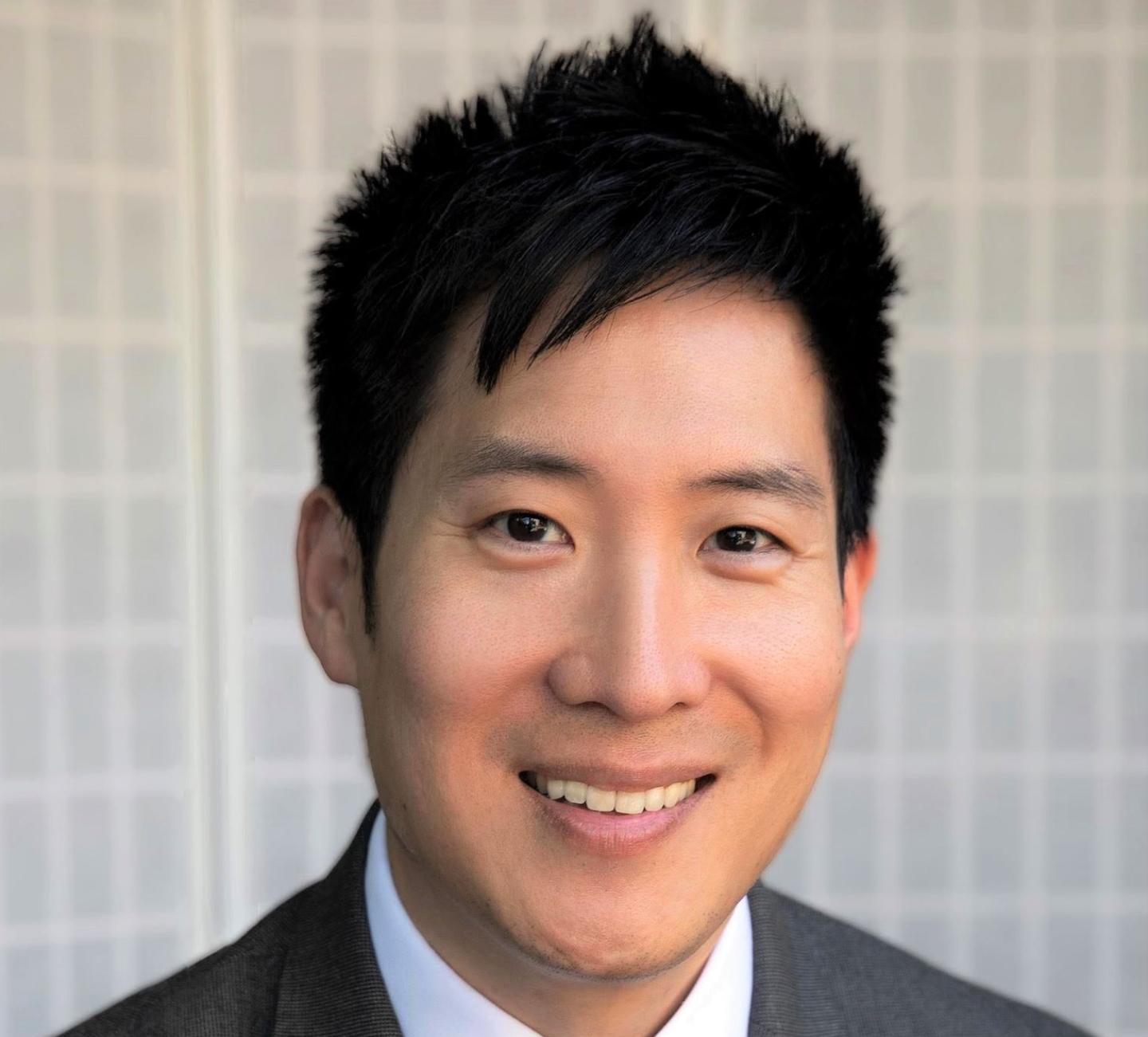
Wesley Yin is a Professor of economics at UCLA in the Luskin School of Public Affairs and Anderson School of Management
Wesley Yin is a Professor of economics at UCLA in the Luskin School of Public Affairs and Anderson School of Management.courtesy of UCLA
Add Fortune on Google for similar content.

America’s homebuyers are facing mounting challenges. Too few homes are being built, construction costs are rising, and insurance is becoming more unaffordable as climate risks grow. Rather than addressing permitting barriers, inflationary tariffs on building materials, or climate resilience, the Trump Administration has focused its housing agenda on privatizing Fannie Mae and Freddie Mac. 

Recommended Video

Fannie Mae and Freddie Mac are government-sponsored enterprises that play a central role in America’s housing market. They buy qualifying mortgages from lenders, bundle them into mortgage-backed securities, and sell them to investors. This frees main street lenders to make new loans, keeping credit flowing and rates lower for homebuyers.

But excessive risk-taking by these enterprises helped bring about the 2008 crash and Great Recession, leading them to be placed under federal conservatorship. This arrangement kept the enterprises solvent, transferred governance to the Federal Housing Finance Agency, and set operational guardrails to safeguard the stability of the housing market.

Now, the Trump Administration aims to reprivatize Fannie Mae and Freddie Mac, indicating that an IPO could occur by the second quarter of 2026, yet providing few policy details. This lack of transparency raises concerns that a hasty insider-driven IPO and exit from conservatorship will erode the safeguards that have kept the housing market stable, exacerbate systemic risks, and primarily enrich shareholders. Such a move would align with the Administration’s agenda of rolling back other financial regulations and oversight. 

Pressure from shareholders to privatize and jockeying among investment banks to lead the IPO only heighten concerns that privatization will benefit wealthy investors over the public. Indeed, a recent proposal by Fannie Mae and Freddie Mac’s largest common shareholder would lower capital requirements and write-down the government’s senior preferred shares to raise share prices, while pushing a stock sale before the conservatorship is resolved—which may constrain policymakers in shaping post-conservatorship mission and governance in shareholders’ favor.

The Trump Administration says privatization will spur innovation and improve housing affordability. But if hastily done and without strong safeguards, it would do the opposite: raise borrowing costs for everyday Americans and encourage the type of risk-taking that fueled the Great Recession. 

There is no urgency to re-privatize Fannie Mae and Freddie Mac—they have been operating successfully under conservatorship since 2008. And any eventual release from conservatorship should be deliberate, transparent, and grounded in the public’s interest. Numerous design features would need to be resolved, but two components are essential: a government backstop for bad times and strong operational guardrails for good times. Together, these “twin pillars” can achieve systemic stability and support mortgage affordability. 

These “twin pillars” are tied directly to how the U.S. housing market operates. Investors readily buy Fannie Mae and Freddie Mac’s mortgage-backed securities because they are guaranteed to receive payments, much like an insurance policy. To guarantee that they can make those payments to investors, even when there are defaults on the underlying mortgages, these enterprises in turn charge lenders a guarantee fee, which is mostly passed on to borrowers. And if reserves prove insufficient during a major economic downturn, markets assume the U.S. government will bailout the enterprises, which are widely seen as “too big to fail.” 

But this same government backstop—vital especially in downturns—also encourages excessive risk-taking. Pre-recession, this implicit backstop allowed Fannie Mae and Freddie Mac to borrow cheaply, hold onto their mortgage-backed securities instead of selling them, and profit on spreads between homebuyer payments and their own low borrowing costs. That profit motive fueled risky behavior: loosened loan standards, large discretionary holding of securities, and thin reserves. When the 2008 crisis hit, they quickly ran out of money, triggering the government bailout and conservatorship central to the current privatization debate. 

Reviving these profit opportunities is a key motivation behind re-privatization efforts. To safeguard against excessive risk-taking and tax payer bailouts, conservatives have long advocated eliminating the government guarantee of a bailout. If that were to happen, Fannie Mae and Freddie Mac would need to charge higher guarantee fees that fully reflect default risks. In theory, any excessively risky actions by these enterprises would result in higher guarantee fees, making their loans less attractive—market discipline in action. 

But privatization in this way is dangerous. 

For one, this “no pillars” privatization would raise borrowing costs because guarantee fees are passed onto borrowers. Daniel Hornung and Ben Sampson at Stanford estimate that typical borrowers could pay up to $2,000 more per year, even in stable economic conditions. The hike in costs would hit credit-worthy lower-income borrowers the hardest. 

Second, during a financial crisis, risk-averse investors would pull back funding when it’s needed most. Because housing is deeply tied to the broader economy, a housing credit crunch can spread and deepen a recession. In such times, government backing of mortgages bolsters investor confidence and stabilizes the housing market. That backstop was crucial in 2008, when it helped stabilize the housing market and the broader economy. In fact, the guarantee is so important to systemic stability that investors may not see its removal as credible. 

Third, privatization with a government backstop—even if implicit—risks recreating the conditions that fueled the Great Recession. Any for-profit company that can borrow unlimited amounts of near risk-free debt would do so over time because it would maximize profits. As mentioned earlier, there are already proposals to weaken reserve guardrails to boost profitability when re-privatized. 

This is why privatization without strong safeguards doesn’t work. A government backstop is essential, but as long as investors expect one, the enterprises will still enjoy below-market borrowing costs and the same incentives for excessive risk-taking. Without sufficient guardrails and oversight, excessive risk taking is not an if but when. These are market failures that cannot be solved by market forces alone.

To be sure, there have been thoughtful proposals that make shareholders absorb losses before taxpayers, which could help curb risky behavior. But investors often ignore long-term risks during good times, and systemic risks only become clear when it’s too late—a lesson of the Great Recession. That’s why strong oversight and strict guardrails on capital reserves, discretionary investments, executive pay, and broader mission are still essential. Afterall, these are the very features that have made the conservatorship work. 

Taken together, the “twin pillars” of a government backstop and strong oversight and guardrails ensure liquidity and stability. And the resulting funding advantage enables the enterprises to sustain their affordable housing goals. Their below-market borrowing costs effectively subsidize all the loans they guarantee. But by pricing higher-income loans closer to market rates, they generate profits that help expand mortgage access and lower costs for lower-income homebuyers—strengthening economic resilience. These outcomes are possible not in spite of guardrails on profit-taking, but because of them. 

While many other issues would also need to be resolved to end the conservatorships, these pillars must be the foundation. Without them, the risks of a second Great Recession are impossible to ignore.

The opinions expressed in Fortune.com commentary pieces are solely the views of their authors and do not necessarily reflect the opinions and beliefs of Fortune.

About the Author
By Wesley Yin
See full bioRight Arrow Button Icon
Add Fortune on Google for similar content.

Latest in Commentary

Finance
Lorem ipsum dolor sit amet, consectetur adipiscing elit, sed do eiusmod tempor incididunt ut labore et dolore magna aliqua. Ut enim ad minim veniam
By Fortune Editors
October 20, 2025
Finance
Lorem ipsum dolor sit amet, consectetur adipiscing elit, sed do eiusmod tempor incididunt ut labore et dolore magna aliqua. Ut enim ad minim veniam
By Fortune Editors
October 20, 2025
Finance
Lorem ipsum dolor sit amet, consectetur adipiscing elit, sed do eiusmod tempor incididunt ut labore et dolore magna aliqua. Ut enim ad minim veniam
By Fortune Editors
October 20, 2025
Finance
Lorem ipsum dolor sit amet, consectetur adipiscing elit, sed do eiusmod tempor incididunt ut labore et dolore magna aliqua. Ut enim ad minim veniam
By Fortune Editors
October 20, 2025
Finance
Lorem ipsum dolor sit amet, consectetur adipiscing elit, sed do eiusmod tempor incididunt ut labore et dolore magna aliqua. Ut enim ad minim veniam
By Fortune Editors
October 20, 2025
Finance
Lorem ipsum dolor sit amet, consectetur adipiscing elit, sed do eiusmod tempor incididunt ut labore et dolore magna aliqua. Ut enim ad minim veniam
By Fortune Editors
October 20, 2025

Most Popular

Finance
Lorem ipsum dolor sit amet, consectetur adipiscing elit, sed do eiusmod tempor incididunt ut labore et dolore magna aliqua. Ut enim ad minim veniam
By Fortune Editors
October 20, 2025
Finance
Lorem ipsum dolor sit amet, consectetur adipiscing elit, sed do eiusmod tempor incididunt ut labore et dolore magna aliqua. Ut enim ad minim veniam
By Fortune Editors
October 20, 2025
Finance
Lorem ipsum dolor sit amet, consectetur adipiscing elit, sed do eiusmod tempor incididunt ut labore et dolore magna aliqua. Ut enim ad minim veniam
By Fortune Editors
October 20, 2025
Finance
Lorem ipsum dolor sit amet, consectetur adipiscing elit, sed do eiusmod tempor incididunt ut labore et dolore magna aliqua. Ut enim ad minim veniam
By Fortune Editors
October 20, 2025
Finance
Lorem ipsum dolor sit amet, consectetur adipiscing elit, sed do eiusmod tempor incididunt ut labore et dolore magna aliqua. Ut enim ad minim veniam
By Fortune Editors
October 20, 2025
Finance
Lorem ipsum dolor sit amet, consectetur adipiscing elit, sed do eiusmod tempor incididunt ut labore et dolore magna aliqua. Ut enim ad minim veniam
By Fortune Editors
October 20, 2025
Fortune Secondary Logo
Rankings
  • 100 Best Companies
  • Fortune 500
  • Global 500
  • Fortune 500 Europe
  • Most Powerful Women
  • World's Most Admired Companies
  • See All Rankings
  • Lists Calendar
Sections
  • Finance
  • Fortune Crypto
  • Features
  • Leadership
  • Health
  • Commentary
  • Success
  • Retail
  • Mpw
  • Tech
  • Lifestyle
  • CEO Initiative
  • Asia
  • Politics
  • Conferences
  • Europe
  • Newsletters
  • Personal Finance
  • Environment
  • Magazine
  • Education
Customer Support
  • Frequently Asked Questions
  • Customer Service Portal
  • Privacy Policy
  • Terms Of Use
  • Single Issues For Purchase
  • International Print
Commercial Services
  • Advertising
  • Fortune Brand Studio
  • Fortune Analytics
  • Fortune Conferences
  • Business Development
  • Group Subscriptions
About Us
  • About Us
  • Press Center
  • Work At Fortune
  • Terms And Conditions
  • Site Map
  • About Us
  • Press Center
  • Work At Fortune
  • Terms And Conditions
  • Site Map
  • Facebook icon
  • Twitter icon
  • LinkedIn icon
  • Instagram icon
  • Pinterest icon
Wesley Yin is a Professor of economics at UCLA in the Luskin School of Public Affairs and Anderson School of Management. His research focuses on public finance, health care, and consumer finance, and has been covered by the New York Times, Washington Post, New Yorker, Bloomberg, The Atlantic, and other news outlets. Yin served in the Biden Administration as Chief Economist in the Office of Management and Budget, and in the Obama Administration as Acting Assistant Secretary for Economic Policy in the Department of the Treasury.

Latest in Commentary

nido
Commentary250 Years of Innovation
As an immigrant turned entrepreneur and college president, here is why I celebrate our nation as it turns 250
By Nido R. QubeinJune 25, 2026
10 hours ago
Asia’s defense boom is rewiring the global arms supply chain
Commentaryarms, weapons, and defense
Asia’s defense boom is rewiring the global arms supply chain
By Chris OberoiJune 24, 2026
1 day ago
steve
Commentary250 Years of Innovation
Steve Case: America was built by entrepreneurs. Here’s how we keep that edge for the next 250 years
By Steve CaseJune 24, 2026
1 day ago
t
CommentaryWhite House
Trump mistakes the bully pulpit for bullying leadership — history’s villains were never heroes
By Jeffrey Sonnenfeld and Steven TianJune 24, 2026
1 day ago
mg
CommentaryHealth
The ‘tech neck’ time bomb: why 43 million young Americans could cripple U.S. health care within a generation
By Michael GerlingJune 24, 2026
1 day ago
sb
Commentaryclimate change
The climate policy triangle: why leaders can no longer choose between growth, security and sustainability
By Sebastian BuckupJune 23, 2026
2 days ago

Most Popular

MacKenzie Scott alone accounted for one-third of America's $19.2 billion in megagifts last year
Success
MacKenzie Scott alone accounted for one-third of America's $19.2 billion in megagifts last year
By Sydney LakeJune 25, 2026
15 hours ago
Now worth $200 million, Sarah Jessica Parker credits being ‘one of eight kids that struggled financially’ for her hunger, ambition, and work ethic
Success
Now worth $200 million, Sarah Jessica Parker credits being ‘one of eight kids that struggled financially’ for her hunger, ambition, and work ethic
By Orianna Rosa RoyleJune 24, 2026
2 days ago
Amazon's record Prime Day masks a darker truth: Americans are spending more and getting less
Retail
Amazon's record Prime Day masks a darker truth: Americans are spending more and getting less
By Nick LichtenbergJune 24, 2026
1 day ago
Ray Dalio just finished a 10-day trip to China. He says global leaders know America ‘doesn’t have what it takes to fight to maintain its empire’
Asia
Ray Dalio just finished a 10-day trip to China. He says global leaders know America ‘doesn’t have what it takes to fight to maintain its empire’
By Nick LichtenbergJune 24, 2026
1 day ago
After forcing workers back to the office, Goldman Sachs and JPMorgan Chase are now letting their staff work remotely—but only for the World Cup
Success
After forcing workers back to the office, Goldman Sachs and JPMorgan Chase are now letting their staff work remotely—but only for the World Cup
By Orianna Rosa RoyleJune 23, 2026
2 days ago
Ikea’s billionaire founder was so frugal that he bought clothes from flea markets and took free salt and pepper from restaurants
Success
Ikea’s billionaire founder was so frugal that he bought clothes from flea markets and took free salt and pepper from restaurants
By Orianna Rosa RoyleJune 25, 2026
15 hours ago

© 2026 Fortune Media IP Limited. All Rights Reserved. Use of this site constitutes acceptance of our Terms of Use and Privacy Policy | CA Notice at Collection and Privacy Notice | Do Not Sell/Share My Personal Information
FORTUNE is a trademark of Fortune Media IP Limited, registered in the U.S. and other countries. FORTUNE may receive compensation for some links to products and services on this website. Offers may be subject to change without notice.