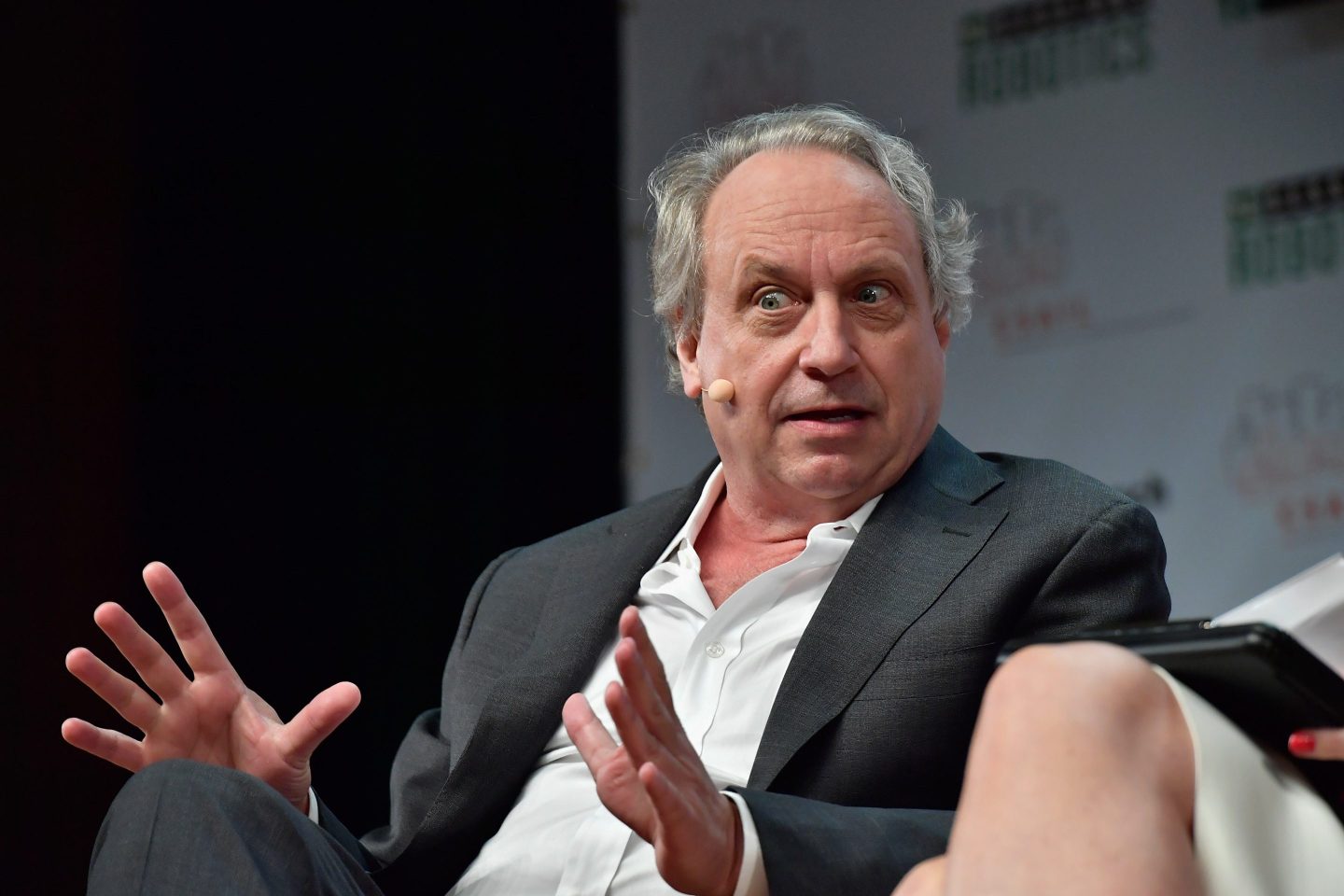
While investors are busy pouring billions of dollars into humanoid robots, an MIT roboticist who has been making robots for three decades claims they are wasting their money.
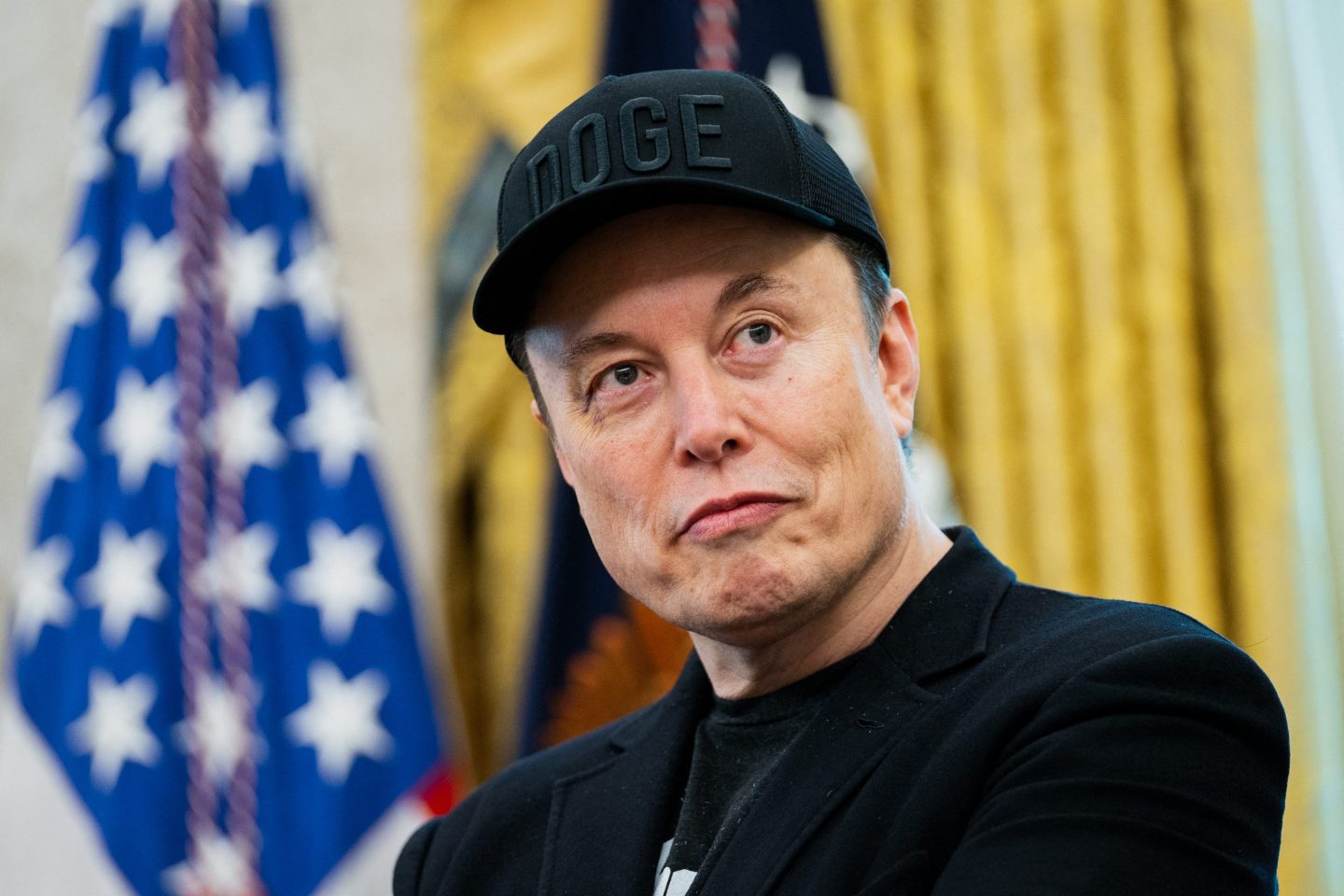
Rodney Brooks, the cofounder of Roomba vacuum creator iRobot, said the idea of humanoid robots as catchall assistants, the future Elon Musk envisions, is “pure fantasy thinking,” in part because robots are coordination-challenged.
“Today’s humanoid robots will not learn how to be dexterous despite the hundreds of millions, or perhaps many billions of dollars, being donated by VCs and major tech companies to pay for their training,” said Brooks in a blog post.
The sensation of touch is one of the most complex systems in the human body. The human hand contains 17,000 low-threshold mechanoreceptors for picking up light touches, which become denser toward the end of the fingertips. The receptors in your hands respond to myriad stimuli-like pressures—vibrations in sync with 15 different families of neurons. All of this adds up to a complex mechanism that humans want to replicate in robots.
While AI has been trained on large amounts of speech-recognition and image-processing data, “we do not have such a tradition for touch data,” Brooks said, adding he takes issue with the way both Musk’s Tesla and AI-robotics company Figure are training their humanoid robots, with videos of humans performing tasks, assuming this will result in vastly improved dexterity.
“If the big tech companies and the VCs throwing their money at large-scale humanoid training spent only 20% as much but gave it all to university researchers I tend to think they would get closer to their goals more quickly,” Brooks said.
To be sure, Brooks’ former company iRobot filed for bankruptcy this week after its value plummeted from around $3.56 billion in 2021 to about $140 million this year. The company will be acquired by its main Chinese manufacturer and lender, although it has said the restructuring will not affect its existing products.
Musk, for his part, has said Tesla will start selling its Optimus robots in 2026, and the company claims Optimus is already performing tasks in Tesla factories autonomously. Meanwhile, Figure achieved a $39 billion post-money valuation in September after its latest fundraise. But in Brooks’ eyes, all this investment adds up to a highly expensive training regime for humanoid robots who will not look exactly like us.
Brooks claims successful robots in 15 years will look nothing like humans—and will sport wheels, multiple arms, and possibly five-fingered hands, though they will still be called “humanoid robots.” But as for today’s efforts, they will largely be relegated to the history books.
“A lot of money will have disappeared, spent on trying to squeeze performance, any performance, from today’s humanoid robots. But those robots will be long gone and mostly conveniently forgotten,” he said.
A version of this story originally published on Fortune.com on Sept. 29, 2025.
More on robotics:
- Skepticism over the future of humanoid robots persists in Silicon Valley as China builds its momentum
- Elon Musk says AI and robots will make work optional and money irrelevant
- While there are plenty of videos of robots doing backflips, some automatons still struggle with basic tasks like climbing stairs