• Home
  • Latest
  • Fortune 500
  • Finance
  • Tech
  • Leadership
  • Lifestyle
  • Rankings
  • Multimedia

Trendingnow

1

Jeff Bezos wants the bottom half of earners to pay zero income tax—he says nurses making just $75K should save $12K a year

2

Indeed chief economist says we’re entering an era of ‘great mismatch’ thanks to a generational imbalance of workers

3

Apple’s Steve Wozniak says he cofounded the tech giant after 5 rejections from HP—not to ‘make money.’ For years, his paycheck was just $50

1

Jeff Bezos wants the bottom half of earners to pay zero income tax—he says nurses making just $75K should save $12K a year

2

Indeed chief economist says we’re entering an era of ‘great mismatch’ thanks to a generational imbalance of workers

3

Apple’s Steve Wozniak says he cofounded the tech giant after 5 rejections from HP—not to ‘make money.’ For years, his paycheck was just $50
C-SuiteRestructuring

Why most corporate turnarounds fail before they begin

By
David Podolsky
David Podolsky
Down Arrow Button Icon
By
David Podolsky
David Podolsky
Down Arrow Button Icon
November 19, 2025, 9:13 AM ET
David Podolsky
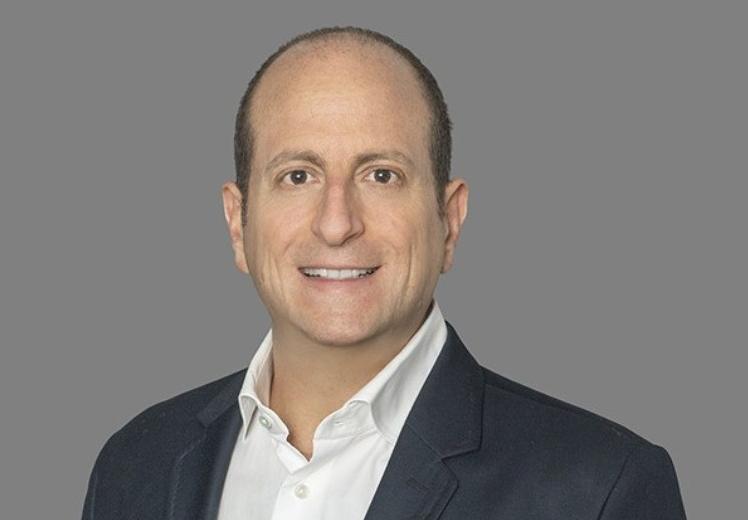
David Podolsky of Alvarez & Marsal.courtesy of Alvarez & Marsal

Most corporate turnarounds fail before they start — not because of market conditions or flawed tactics, but because senior leadership fails to initiate the turnaround in the first place. Overcoming the psychological barriers that prevent change is the first impediment leaders have to overcome.

Recommended Video

Facing the fear of turnaround

Corporate turnarounds used to be a rare occurrence, impacting companies that allowed themselves to fall behind over many years. Alternatively, a single, major disruption created a clarion call that motivated leaders to take drastic measures to turn the company’s fortunes around. 

But today, the velocity of disruption has increased. Innovation is relentless, with information flowing faster, and tech becoming increasingly intelligent; companies have to contend in an environment that’s shifting under their feet.

So instead of a clarion call urging them to change, executives are hearing a series of low-grade alarms, constantly sounding and impossible to ever fully escape. Amid the noise of the market, poor performance becomes easy to write off as an excusable side effect of uncontrollable variables (“Performance was down because of tariffs” or “Profit targets were missed because of market cycles”).

The truth is that, whether consciously or not, leaders avoid turnarounds because they’re afraid of upending the status quo. More than a performance issue for company leadership, turnarounds have become a psychological one; you can’t lose a race you never started, and you can’t fail a turnaround that never happened. 

“Turnaround” is taboo amongst some leadership teams: declaring the need for a turnaround starts the clock on executives and puts a target on their backs. It’s a bold declaration (and admission) that things are off track. And in today’s executive leadership landscape, that can be scary; executive turnover is at an all-time high, and activist investors have become increasingly capable at exerting change. 

When marginal gains fall short, leaders must step forward and embody “the art of the possible.” But the spotlight is harsh, and the weight of expectation, too often, unbearable.

The result: timid, low-aspiration “pseudo-turnarounds” that fail to achieve the necessary scale of improvement. 

Overcoming the turnaround psych-out

Just like any recovery, the first step for hesitant leaders is to admit their company has a problem or an aspiration, and acknowledge to themselves that a turnaround could help their company — if only they were brave enough to pursue it. 

This effect was visible in airlines, an industry hard hit by the pandemic. Some airlines recognized the crisis quickly, moving from denial to acceptance within a month or two, and taking bold steps to cut costs and preserve cash. Others lingered in denial for four, six, even nine months, taking only limited measures — like negotiating short-term payment delays with suppliers instead of fully avoiding payments or reducing rates.

Acknowledging that a turnaround is necessary can be assisted by a simple mental exercise that reframes the risks associated with taking action. Often, executives overestimate the dangers they face in making change, while ignoring the opportunity cost of inaction. 

By honestly distinguishing real risks from perceived ones, the benefits of taking action — even if it fails — become clearer. A company that attempts a 20% cost reduction and falls short is, at minimum, no worse off than before. 

From there, overcoming psychological barriers is no longer an individual task but a collective duty, requiring active participation from the Board and the C-suite alike. Success rests on unity and the adoption of shared behaviors—turning attention toward opportunity rather than culpability through a mix of psychological tricks and communication retoolings. In practice, that may look like: 

  • Define the turnaround sequence to maximize benefits, reduce risks: Objectively turnarounds imply risk, but with the right approach and sequencing the benefit/risk equation can become quite attractive.  Achieve known and ‘easily’ attainable upside early on; diversify risk; avoid ‘betting’ the company on one initiative; postpone critical risks until the organization is appropriately prepared; simplify so attention is directed to a handful of key imperatives. Mergers, though not turnarounds in themselves, often entail drastic change and clearly illustrate how sequencing actions can reduce risk.  In one case, two well-known power-tool manufacturers in the home-improvement sector chose to merge and first capture SG&A and operational synergies, where customer and brand risk was minimal. They completed this phase in two years, then deliberately delayed product and brand integration for two more years, allowing time for careful customer, product, and brand groundwork to precede higher-risk moves.
  • Change the language and tone to make change palatable. “Turnaround” can feel fraught with connotations of instability.. A simple, positive rebrand — calling it a “renewal” or “embracing the future” — shifts the narrative to one of opportunity and optimism.
  • Overinvest in Board alignment. Aligning on goals, challenges, and achievements builds trust and prevents blame when targets fall short. All Board members and C-Suite leaders must sit on the same side of the table.  Clear, frequent communication turns even partial wins into progress rather than failure. Experienced CEOs often spend months aligning with the Board before announcing a program to management, with the crucial task being to secure the support and engagement of the most dissenting Board members.
  • Frame executing a turnaround as a “team sport”: The most successful turnarounds require a change of behaviors at all levels, from the Board, to leaders, to middle-management, and the front-line. Engage the organization broadly.  Develop a common narrative, known milestones, and clear, simple targets. Create transparency of actions and consequences across departments to address interdependencies.  Aim for collective outcomes, not siloed ones.
  • Accept some uncertainty. Leaders don’t have all the answers at the outset, but fostering a culture that accepts uncertainty gives them the freedom to explore opportunities. Regularly reinforcing desired behaviors — rewarding innovation, admitting mistakes, recalibrating assumptions — creates a culture where teams can adapt and solve on the go, and gives leaders more flexibility when it comes to taking on the more complex challenges.

These practices create a culture that not only helps to improve the effectiveness of turnarounds but also helps companies more readily respond to a rapidly evolving landscape. 

Rather than being a frightening prospect for companies, turnarounds and change become a palatable and ongoing reality of business, one that motivates and unifies rather than divides, so companies can not only start the race — they can win it. 

The greatest barrier to a turnaround isn’t the market — its mindset. The moment leaders find the courage to confront reality and start the race, they’ve already done the hardest part. Because in business, as in life, momentum begins the moment you dare to begin.

The opinions expressed in Fortune.com commentary pieces are solely the views of their authors and do not necessarily reflect the opinions and beliefs of Fortune.

Subscribe to Fortune Gulf Brief. Every Tuesday, this new newsletter will deliver clear-eyed, authoritative intelligence on the deals, decisions, policies, and power shifts shaping one of the world’s most consequential regions, written for the people who need to act on it. Sign up here.
About the Author
By David Podolsky
See full bioRight Arrow Button Icon

Latest in C-Suite

Finance
Lorem ipsum dolor sit amet, consectetur adipiscing elit, sed do eiusmod tempor incididunt ut labore et dolore magna aliqua. Ut enim ad minim veniam
By Fortune Editors
October 20, 2025
Finance
Lorem ipsum dolor sit amet, consectetur adipiscing elit, sed do eiusmod tempor incididunt ut labore et dolore magna aliqua. Ut enim ad minim veniam
By Fortune Editors
October 20, 2025
Finance
Lorem ipsum dolor sit amet, consectetur adipiscing elit, sed do eiusmod tempor incididunt ut labore et dolore magna aliqua. Ut enim ad minim veniam
By Fortune Editors
October 20, 2025
Finance
Lorem ipsum dolor sit amet, consectetur adipiscing elit, sed do eiusmod tempor incididunt ut labore et dolore magna aliqua. Ut enim ad minim veniam
By Fortune Editors
October 20, 2025
Finance
Lorem ipsum dolor sit amet, consectetur adipiscing elit, sed do eiusmod tempor incididunt ut labore et dolore magna aliqua. Ut enim ad minim veniam
By Fortune Editors
October 20, 2025
Finance
Lorem ipsum dolor sit amet, consectetur adipiscing elit, sed do eiusmod tempor incididunt ut labore et dolore magna aliqua. Ut enim ad minim veniam
By Fortune Editors
October 20, 2025

Most Popular

Finance
Lorem ipsum dolor sit amet, consectetur adipiscing elit, sed do eiusmod tempor incididunt ut labore et dolore magna aliqua. Ut enim ad minim veniam
By Fortune Editors
October 20, 2025
Finance
Lorem ipsum dolor sit amet, consectetur adipiscing elit, sed do eiusmod tempor incididunt ut labore et dolore magna aliqua. Ut enim ad minim veniam
By Fortune Editors
October 20, 2025
Finance
Lorem ipsum dolor sit amet, consectetur adipiscing elit, sed do eiusmod tempor incididunt ut labore et dolore magna aliqua. Ut enim ad minim veniam
By Fortune Editors
October 20, 2025
Finance
Lorem ipsum dolor sit amet, consectetur adipiscing elit, sed do eiusmod tempor incididunt ut labore et dolore magna aliqua. Ut enim ad minim veniam
By Fortune Editors
October 20, 2025
Finance
Lorem ipsum dolor sit amet, consectetur adipiscing elit, sed do eiusmod tempor incididunt ut labore et dolore magna aliqua. Ut enim ad minim veniam
By Fortune Editors
October 20, 2025
Finance
Lorem ipsum dolor sit amet, consectetur adipiscing elit, sed do eiusmod tempor incididunt ut labore et dolore magna aliqua. Ut enim ad minim veniam
By Fortune Editors
October 20, 2025
Fortune Secondary Logo
Rankings
  • 100 Best Companies
  • Fortune 500
  • Global 500
  • Fortune 500 Europe
  • Most Powerful Women
  • World's Most Admired Companies
  • See All Rankings
  • Lists Calendar
Sections
  • Finance
  • Fortune Crypto
  • Features
  • Leadership
  • Health
  • Commentary
  • Success
  • Retail
  • Mpw
  • Tech
  • Lifestyle
  • CEO Initiative
  • Asia
  • Politics
  • Conferences
  • Europe
  • Newsletters
  • Personal Finance
  • Environment
  • Magazine
  • Education
Customer Support
  • Frequently Asked Questions
  • Customer Service Portal
  • Privacy Policy
  • Terms Of Use
  • Single Issues For Purchase
  • International Print
Commercial Services
  • Advertising
  • Fortune Brand Studio
  • Fortune Analytics
  • Fortune Conferences
  • Business Development
  • Group Subscriptions
About Us
  • About Us
  • Press Center
  • Work At Fortune
  • Terms And Conditions
  • Site Map
  • About Us
  • Press Center
  • Work At Fortune
  • Terms And Conditions
  • Site Map
  • Facebook icon
  • Twitter icon
  • LinkedIn icon
  • Instagram icon
  • Pinterest icon

Latest in C-Suite

Is a college degree still worth it? Here are 3 things it can teach you that AI can’t do
Future of WorkColleges and Universities
Is a college degree still worth it? Here are 3 things it can teach you that AI can’t do
By Jake AngeloMay 23, 2026
10 hours ago
She grew Salesforce’s team by 600% in South Asia. Meet one of India’s most powerful women
NewslettersMPW Daily
She grew Salesforce’s team by 600% in South Asia. Meet one of India’s most powerful women
By Angelica AngMay 22, 2026
1 day ago
A year in the life at HP: What matters to its sustainability lead in May 2026? 
EuropeHP
A year in the life at HP: What matters to its sustainability lead in May 2026? 
By Francesca CassidyMay 22, 2026
2 days ago
cox
CommentarySuccession
McKinsey studied 200 family business successions. The biggest problem wasn’t the heir — it was the outgoing CEO
By Acha Leke and Chaitali MukherjeeMay 22, 2026
2 days ago
matthew prince
AILayoffs
Cloudflare posted record revenue, then cut 20% of its workforce. CEO Matthew Prince says AI has made an entire category of workers obsolete
By Jake AngeloMay 21, 2026
2 days ago
Meta laid off 10% of its workforce as Mark Zuckerberg warns that in the AI race ‘success isn’t a given’
AILayoffs
Meta laid off 10% of its workforce as Mark Zuckerberg warns that in the AI race ‘success isn’t a given’
By Marco Quiroz-GutierrezMay 21, 2026
2 days ago

Most Popular

Jeff Bezos wants the bottom half of earners to pay zero income tax—he says nurses making just $75K should save $12K a year
Success
Jeff Bezos wants the bottom half of earners to pay zero income tax—he says nurses making just $75K should save $12K a year
By Preston ForeMay 21, 2026
2 days ago
Indeed chief economist says we’re entering an era of ‘great mismatch’ thanks to a generational imbalance of workers
Success
Indeed chief economist says we’re entering an era of ‘great mismatch’ thanks to a generational imbalance of workers
By Emma BurleighMay 22, 2026
1 day ago
Apple’s Steve Wozniak says he cofounded the tech giant after 5 rejections from HP—not to ‘make money.’ For years, his paycheck was just $50
Success
Apple’s Steve Wozniak says he cofounded the tech giant after 5 rejections from HP—not to ‘make money.’ For years, his paycheck was just $50
By Preston ForeMay 22, 2026
1 day ago
Microsoft reports are exposing AI's real cost problem: Using the tech is more expensive than paying human employees
AI
Microsoft reports are exposing AI's real cost problem: Using the tech is more expensive than paying human employees
By Jake AngeloMay 22, 2026
1 day ago
Bolt CEO says he let go of his entire HR team for creating problems that didn’t exist: ‘Those problems disappeared when I let them go’ 
Workplace Culture
Bolt CEO says he let go of his entire HR team for creating problems that didn’t exist: ‘Those problems disappeared when I let them go’ 
By Preston ForeMay 19, 2026
4 days ago
Current price of oil as of May 22, 2026
Personal Finance
Current price of oil as of May 22, 2026
By Joseph HostetlerMay 22, 2026
1 day ago

© 2026 Fortune Media IP Limited. All Rights Reserved. Use of this site constitutes acceptance of our Terms of Use and Privacy Policy | CA Notice at Collection and Privacy Notice | Do Not Sell/Share My Personal Information
FORTUNE is a trademark of Fortune Media IP Limited, registered in the U.S. and other countries. FORTUNE may receive compensation for some links to products and services on this website. Offers may be subject to change without notice.