• Home
  • Latest
  • Fortune 500
  • Finance
  • Tech
  • Leadership
  • Lifestyle
  • Rankings
  • Multimedia

Trendingnow

1

MacKenzie Scott alone accounted for one-third of America's $19.2 billion in megagifts last year

2

Now worth $200 million, Sarah Jessica Parker credits being ‘one of eight kids that struggled financially’ for her hunger, ambition, and work ethic

3

Philanthropy leader at Warren Buffett and Bill Gates’ Giving Pledge says children of billionaires are pushing them to give their wealth away faster

1

MacKenzie Scott alone accounted for one-third of America's $19.2 billion in megagifts last year

2

Now worth $200 million, Sarah Jessica Parker credits being ‘one of eight kids that struggled financially’ for her hunger, ambition, and work ethic

3

Philanthropy leader at Warren Buffett and Bill Gates’ Giving Pledge says children of billionaires are pushing them to give their wealth away faster
CommentaryAI

a16z partner Martin Casado: Base AI policy on evidence, not existential angst

By
Martin Casado
Martin Casado
Down Arrow Button Icon
By
Martin Casado
Martin Casado
Down Arrow Button Icon
December 14, 2024, 6:00 AM ET

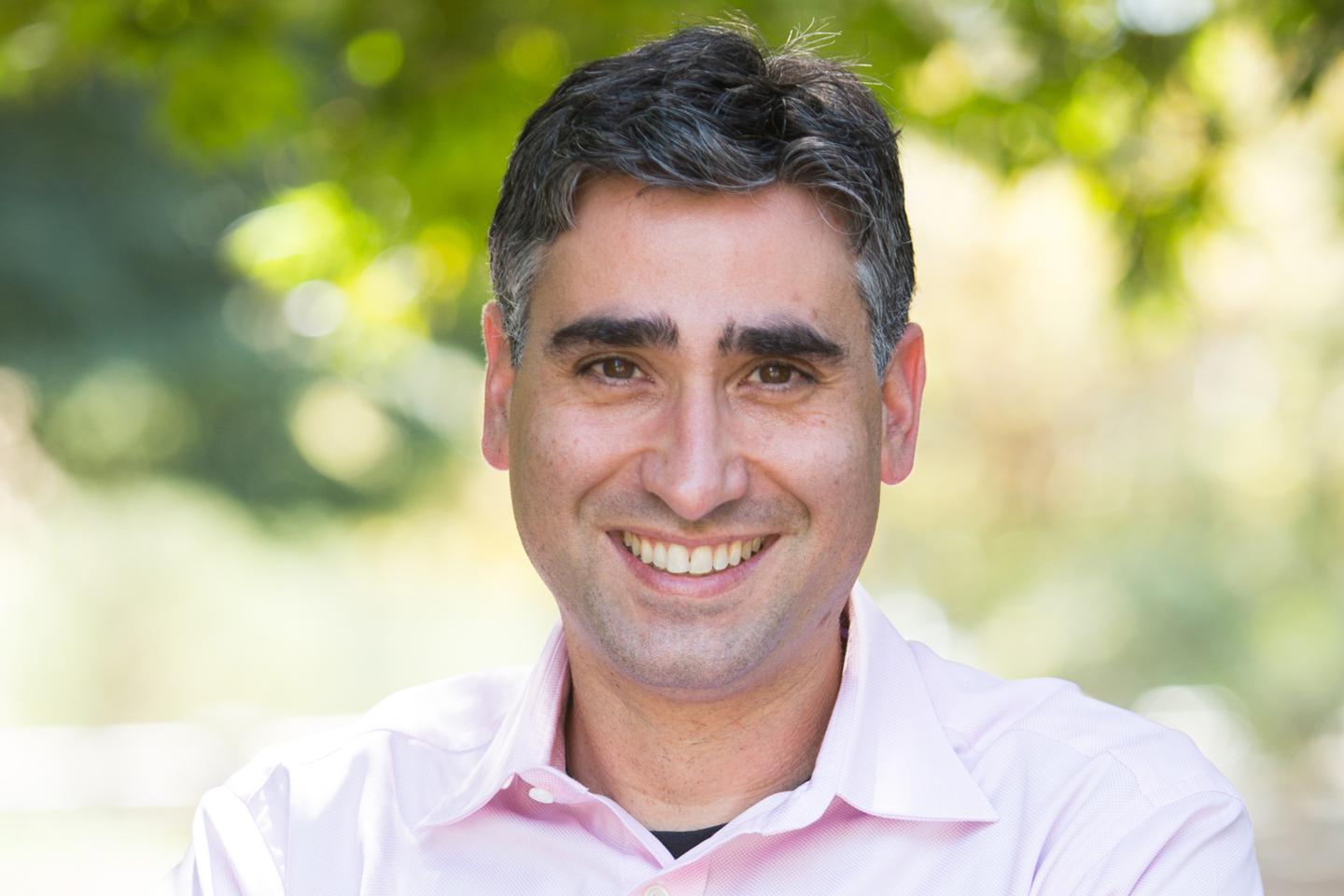
Martin Casado is a general partner at VC firm Andreessen Horowitz (aka a16z).

Martin Casado.
Martin Casado.Courtesy of a16z
Add Fortune on Google for similar content.

The AI policy discourse has picked up significantly this year. Although advocates for common-sense AI regulation breathed a sigh of relief when California Governor Gavin Newsom vetoed his state’s controversial SB 1047 in September, there are still hundreds of AI-focused bills circulating through U.S. statehouses, and it’s unclear how the federal government will approach AI regulation in the months and years to come.

What is clear, though, is that we need a better, simpler, and, ultimately, reasonable way of thinking about this very important issue. However, it’s hard to discern what a reasonable policy position would be when there are so many extreme viewpoints and general confusion.

Part of the problem is that the discourse has become a free-for-all proxy battle for airing everybody’s anxieties about artificial intelligence and tech more broadly. Even narrowly focused AI policy initiatives quickly become (virtual) shouting matches among well-funded organizations concerned with existential risk, industry groups concerned with AI’s impact on jobs and copyright, and policymakers trying to remedy the perception that they missed their window to effectively regulate social media. This can drown out legitimate concerns over AI policy overreach enabling regulatory capture and negatively affecting America’s economy, innovative spirit, and global competitiveness.

But despite all the hubbub and competing interests, there actually is a reasonable policy position the United States can take: to focus on marginal risk and apply our regulatory energy there. It’s a simple approach that has already been proposed by a number of the top AI academics in the industry. And it’s worth understanding.

Avoiding spurious AI regulations

Marginal risk refers to a new class of risk, introduced by a new technology, that requires a paradigmatic shift in policy to handle it. We saw this with the internet where, early on, new forms of computer threats (like internet worms) emerged. On the national security front, we had to shift our posture to deal with vulnerability asymmetry, where being more reliant on computer systems made us more vulnerable than other nations.

Critically, focusing on marginal risks avoids spurious regulation, improving security by focusing on the right issues instead of wasting our efforts in ineffective policy.

More broadly focused policies and tactics for governing information systems have been shaped over decades, with each new epoch raising concerns to which the industry needs to respond. And every computer system built now and going forward is already subject to those policies. Overall, this policy work—such as the work of the Internet Crimes Against Children Task Force, or extending lawful intercept to compute systems—has improved the regulatory landscape for coping with new technologies. Efforts to limit access to enabling hardware, such as putting export restrictions on computer chips, have had limited but likely positive outcomes for the United States.

Still, other policies have failed in every attempt to employ them—and might even weaken security. These include approaches such as attempting to regulate math or adding backdoors to phones or cryptography. Absent a material change in marginal risk, these types of approaches will fail with AI, too.

AI policy based on reality

When it comes to regulating AI, we should draw from these learnings, not ignore them. We should only depart from the existing regulatory regime, and carve new ground, once we understand the marginal risks of AI relative to existing computer systems. Thus far, however, the discussion of marginal risks with AI is still very much based on research questions and hypotheticals. This is not just my perspective—it has been clearly stated by a highly respected collection of organized experts on the matter.

Focusing on evidence-based policy (i.e., real, thorough research on marginal risk) is particularly important because the litany of concerns with AI has been quite divorced from reality. For example, many decried OpenAI’s GPT-2 model as too dangerous to release, and yet we now have multiple models—many times more powerful—that have been in production for years with minimal effects on the threat landscape. Just recently, there was rampant fear-mongering that deepfakes were going to skew the U.S. presidential election, but we haven’t seen a single meaningful example of that having happened.

On the contrary, AI appears to be tremendously safe. In fact, we now have cars that drive safer than humans, computer systems that diagnose better than doctors, and countless advances in areas ranging from creative endeavors to biotechnology—all because of AI. In the end, we might conclude the best policy for human welfare is to invest aggressively in AI rather than to encumber it.

So, until we’ve established a reasonable understanding of its marginal risk, let’s be sure to recognize the tremendous potential for AI to have a positive impact on the world—a promise upon which, to some degree, it is already delivering.

The opinions expressed in Fortune.com commentary pieces are solely the views of their authors and do not necessarily reflect the opinions and beliefs of Fortune.

Read more:

  • A16z’s Martin Casado says he doesn’t want to drive the AI regulation conversation anymore
  • OpenAI’s nightmare: What David Sacks as AI Czar (and Elon Musk as wingman) could mean for Sam Altman’s $157 billion startup
  • ‘The Godmother of AI’ says California’s well-intended AI bill will harm the U.S. ecosystem
  • Thomson Reuters CEO: With changes to U.S. policy likely, here’s what to expect for AI in business and government

About the Author
By Martin Casado
See full bioRight Arrow Button Icon
Add Fortune on Google for similar content.

Latest in Commentary

Finance
Lorem ipsum dolor sit amet, consectetur adipiscing elit, sed do eiusmod tempor incididunt ut labore et dolore magna aliqua. Ut enim ad minim veniam
By Fortune Editors
October 20, 2025
Finance
Lorem ipsum dolor sit amet, consectetur adipiscing elit, sed do eiusmod tempor incididunt ut labore et dolore magna aliqua. Ut enim ad minim veniam
By Fortune Editors
October 20, 2025
Finance
Lorem ipsum dolor sit amet, consectetur adipiscing elit, sed do eiusmod tempor incididunt ut labore et dolore magna aliqua. Ut enim ad minim veniam
By Fortune Editors
October 20, 2025
Finance
Lorem ipsum dolor sit amet, consectetur adipiscing elit, sed do eiusmod tempor incididunt ut labore et dolore magna aliqua. Ut enim ad minim veniam
By Fortune Editors
October 20, 2025
Finance
Lorem ipsum dolor sit amet, consectetur adipiscing elit, sed do eiusmod tempor incididunt ut labore et dolore magna aliqua. Ut enim ad minim veniam
By Fortune Editors
October 20, 2025
Finance
Lorem ipsum dolor sit amet, consectetur adipiscing elit, sed do eiusmod tempor incididunt ut labore et dolore magna aliqua. Ut enim ad minim veniam
By Fortune Editors
October 20, 2025

Most Popular

Finance
Lorem ipsum dolor sit amet, consectetur adipiscing elit, sed do eiusmod tempor incididunt ut labore et dolore magna aliqua. Ut enim ad minim veniam
By Fortune Editors
October 20, 2025
Finance
Lorem ipsum dolor sit amet, consectetur adipiscing elit, sed do eiusmod tempor incididunt ut labore et dolore magna aliqua. Ut enim ad minim veniam
By Fortune Editors
October 20, 2025
Finance
Lorem ipsum dolor sit amet, consectetur adipiscing elit, sed do eiusmod tempor incididunt ut labore et dolore magna aliqua. Ut enim ad minim veniam
By Fortune Editors
October 20, 2025
Finance
Lorem ipsum dolor sit amet, consectetur adipiscing elit, sed do eiusmod tempor incididunt ut labore et dolore magna aliqua. Ut enim ad minim veniam
By Fortune Editors
October 20, 2025
Finance
Lorem ipsum dolor sit amet, consectetur adipiscing elit, sed do eiusmod tempor incididunt ut labore et dolore magna aliqua. Ut enim ad minim veniam
By Fortune Editors
October 20, 2025
Finance
Lorem ipsum dolor sit amet, consectetur adipiscing elit, sed do eiusmod tempor incididunt ut labore et dolore magna aliqua. Ut enim ad minim veniam
By Fortune Editors
October 20, 2025
Fortune Secondary Logo
Rankings
  • 100 Best Companies
  • Fortune 500
  • Global 500
  • Fortune 500 Europe
  • Most Powerful Women
  • World's Most Admired Companies
  • See All Rankings
  • Lists Calendar
Sections
  • Finance
  • Fortune Crypto
  • Features
  • Leadership
  • Health
  • Commentary
  • Success
  • Retail
  • Mpw
  • Tech
  • Lifestyle
  • CEO Initiative
  • Asia
  • Politics
  • Conferences
  • Europe
  • Newsletters
  • Personal Finance
  • Environment
  • Magazine
  • Education
Customer Support
  • Frequently Asked Questions
  • Customer Service Portal
  • Privacy Policy
  • Terms Of Use
  • Single Issues For Purchase
  • International Print
Commercial Services
  • Advertising
  • Fortune Brand Studio
  • Fortune Analytics
  • Fortune Conferences
  • Business Development
  • Group Subscriptions
About Us
  • About Us
  • Press Center
  • Work At Fortune
  • Terms And Conditions
  • Site Map
  • About Us
  • Press Center
  • Work At Fortune
  • Terms And Conditions
  • Site Map
  • Facebook icon
  • Twitter icon
  • LinkedIn icon
  • Instagram icon
  • Pinterest icon

Latest in Commentary

dr
Commentarydisruption
The uncertainty paradox: believe it or not, today’s massive uncertainty creates the best conditions for disruptive growth
By James G. Naples, Wendy K. Smith and Scott D. AnthonyJune 27, 2026
4 hours ago
templet
Commentary250 Years of Innovation
This rural Maine factory made 100 million COVID swabs a month. Its CEO says manufacturing’s best days are ahead
By Timothy Templet and Virginia TempletJune 27, 2026
4 hours ago
jon
Commentaryphilanthropy
Shell Foundation CEO: climate tech works. Getting it to a billion people who need it is the hard part
By Jonathan BermanJune 26, 2026
1 day ago
mj
CommentarySuccession
Morgan Stanley on life after selling your business: a roadmap for entrepreneurs
By Mark JansenJune 26, 2026
1 day ago
nido
Commentary250 Years of Innovation
As an immigrant turned entrepreneur and college president, here is why I celebrate our nation as it turns 250
By Nido R. QubeinJune 25, 2026
2 days ago
Asia’s defense boom is rewiring the global arms supply chain
Commentaryarms, weapons, and defense
Asia’s defense boom is rewiring the global arms supply chain
By Chris OberoiJune 24, 2026
3 days ago

Most Popular

MacKenzie Scott alone accounted for one-third of America's $19.2 billion in megagifts last year
Success
MacKenzie Scott alone accounted for one-third of America's $19.2 billion in megagifts last year
By Sydney LakeJune 25, 2026
2 days ago
Now worth $200 million, Sarah Jessica Parker credits being ‘one of eight kids that struggled financially’ for her hunger, ambition, and work ethic
Success
Now worth $200 million, Sarah Jessica Parker credits being ‘one of eight kids that struggled financially’ for her hunger, ambition, and work ethic
By Orianna Rosa RoyleJune 24, 2026
3 days ago
Philanthropy leader at Warren Buffett and Bill Gates’ Giving Pledge says children of billionaires are pushing them to give their wealth away faster
Success
Philanthropy leader at Warren Buffett and Bill Gates’ Giving Pledge says children of billionaires are pushing them to give their wealth away faster
By Preston ForeJune 27, 2026
5 hours ago
Current price of oil as of June 26, 2026
Personal Finance
Current price of oil as of June 26, 2026
By Joseph HostetlerJune 26, 2026
1 day ago
Ray Dalio says the U.S. just had its 'Suez moment'—and history says what comes next could end an empire
Economy
Ray Dalio says the U.S. just had its 'Suez moment'—and history says what comes next could end an empire
By Nick LichtenbergJune 26, 2026
1 day ago
The bond market knows something about the $39 trillion national debt that Washington doesn’t
Economy
The bond market knows something about the $39 trillion national debt that Washington doesn’t
By Eva RoytburgJune 25, 2026
2 days ago

© 2026 Fortune Media IP Limited. All Rights Reserved. Use of this site constitutes acceptance of our Terms of Use and Privacy Policy | CA Notice at Collection and Privacy Notice | Do Not Sell/Share My Personal Information
FORTUNE is a trademark of Fortune Media IP Limited, registered in the U.S. and other countries. FORTUNE may receive compensation for some links to products and services on this website. Offers may be subject to change without notice.