• Home
  • Latest
  • Fortune 500
  • Finance
  • Tech
  • Leadership
  • Lifestyle
  • Rankings
  • Multimedia
CommentaryHealth

Super Bowl champion Robin Cole survived prostate cancer but lost loved ones to it. The stigma around treating it has to go, he says—especially among Black men

By
Robin Cole
Robin Cole
and
Alicia Zhou
Alicia Zhou
Down Arrow Button Icon
By
Robin Cole
Robin Cole
and
Alicia Zhou
Alicia Zhou
Down Arrow Button Icon
April 12, 2024, 10:08 AM ET
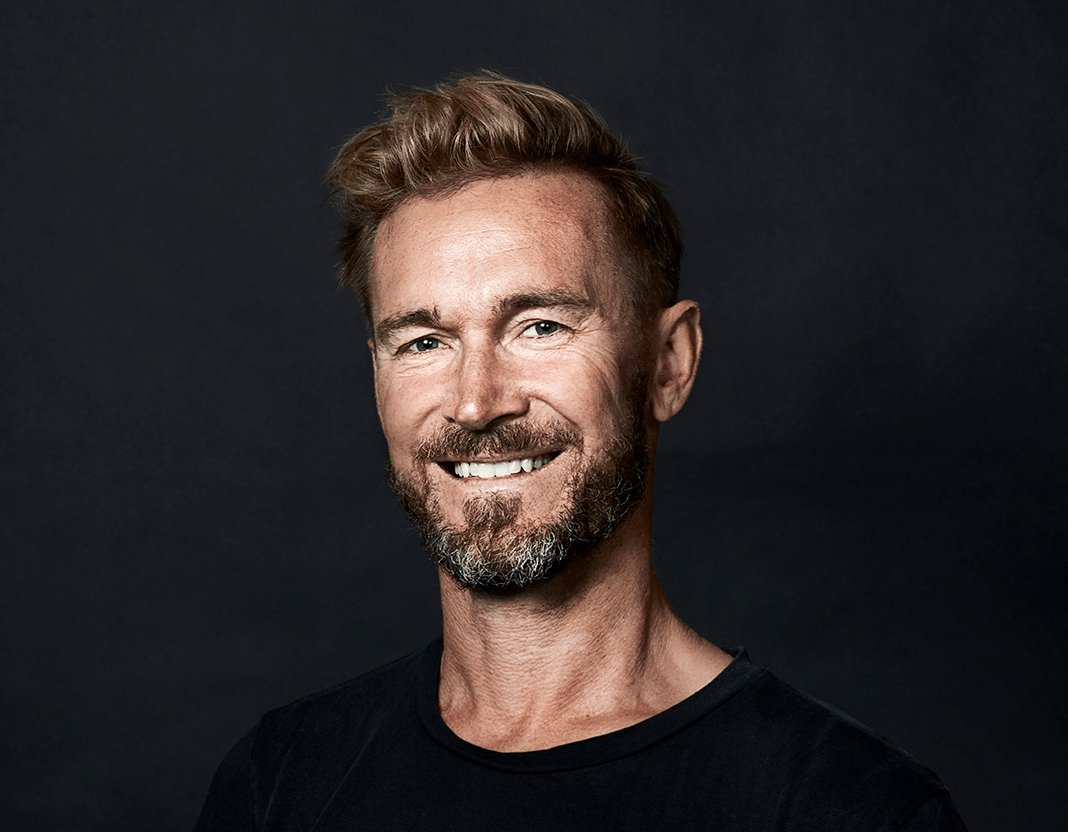
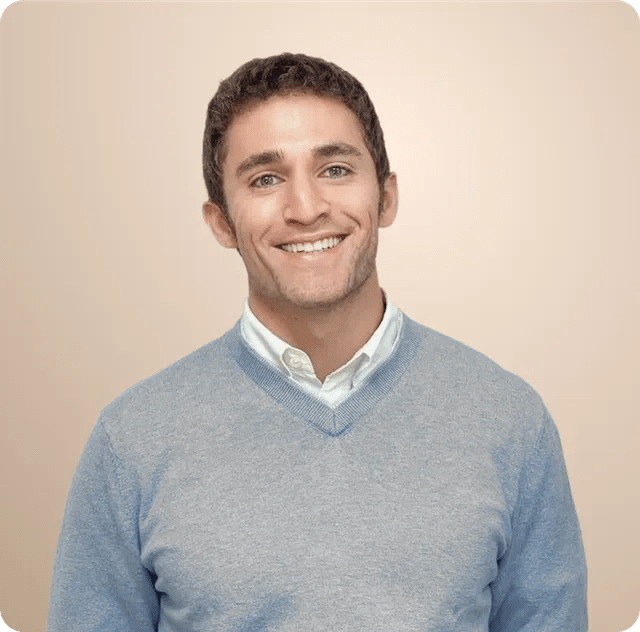
Robin Cole and Alicia Zhou.
Robin Cole and Alicia Zhou.color health

Defense Secretary Lloyd Austin recently made headlines for his prostate cancer battle—and his widely criticized decision to keep his diagnosis and treatment private. Casting judgments aside on his personal decisions, Austin’s situation brings up a larger issue in men’s health that hits Black men particularly hard. Men don’t talk about their health issues, especially when it concerns their prostates. Cancer adds a heavy layer of fear and stigma, and many skip routine screenings to avoid difficult conversations with their doctors and loved ones.

Addressing this issue means breaking down the stigma that surrounds prostate cancer prevention, diagnosis, and care. This starts by changing the way we talk about prostate cancer at home, with friends, and with health care professionals. The sooner we do that, the sooner we can achieve better health outcomes across the board—especially for people from marginalized communities.

Stigma, fear, and other barriers to prostate cancer care

Prostate cancer is a common but highly treatable disease. Thanks to national screening guidelines and advancements in preventive care, most prostate cancers are caught early, when the five-year survival rate is nearly 100 percent.

It’s also highly stigmatized. Prostate cancer affects a sexual organ and can lead to urinary or sexual health issues, topics that are widely viewed as taboo. Though blood tests known as prostate-specific antigen (PSA) tests are now the standard for screening, many men still associate prostate cancer exams with rectal exams. They avoid talking about prostate cancer or getting screened for fear of being perceived as weak or less masculine. In general, many men lack an understanding of prostate cancer or a community to talk about it with.

Even with the success we’ve seen in detecting prostate cancer early, screening rates remain low overall, and especially low for Black men. Disparities in prostate cancer care for Black men can be attributed to a number of systemic barriers, including a lack of health care resources in Black-majority communities, challenges relating to the cost of care, and a history of negative experiences with the health care system that leads to medical distrust.

These barriers and disparities, coupled with low screening rates, unfortunately, translate to worse prostate cancer outcomes for Black men, who are 70% more likely to get prostate cancer than white men, and twice as likely to die from it.

Robin Cole, a prostate cancer survivor himself thanks to early detection, has experienced this reality in his family. All eight of his brothers have had the disease, and two of them, as well as his father, have died from it.

Shifting the narrative on prostate cancer care

To protect against the impact of late-stage disease, we have to break down the stigma around prostate cancer and remove barriers to care. To do that, we must change the narrative on cancer prevention to one that instills confidence in the process rather than discomfort and fear.

When Robin played for the Pittsburgh Steelers, he received frequent health checks to optimize his athletic performance. Testing players’ health and fitness regularly helped the team map their strategy for upcoming games. The team’s medical staff wasn’t looking to diagnose problems among the athletes on a one-off basis, but rather to spot and mitigate any factors that could impact success on the field over time. Beyond professional sports, this fine-tuning approach to health applies perfectly to prostate cancer prevention.

Performed routinely, PSA tests are a simple way to track prostate health. Together with their doctors, men can use the results to understand the best course of treatment. In some cases, this could mean screening again every year or every other year. Or it could mean further tests to determine a prostate cancer diagnosis, active surveillance, or something else.

Cancer screening is about staying informed and knowing what to do next, not bracing for the worst. Bringing this mindset into the mainstream can encourage men to talk about and engage in preventive care, encouraging early detection and better outcomes. Beyond that, there’s more work to be done to ensure all people can access high quality care throughout their cancer journeys.

Charting a path to better prostate cancer outcomes

Health care needs to meet people where they are to make cancer screening and follow-up as easy and convenient as possible. This can look like community-based awareness programming, in which advocates go to churches, schools, or football games to start conversations about prostate cancer and the benefits of prevention and timely care. At-home PSA test kits also offer an option for men to screen for prostate cancer from the comfort and privacy of their own home.

Care navigation support will be another key piece of the puzzle to help people identify in-network providers, schedule appointments, and understand test results. Navigation programs can also help to hold people accountable and ensure they get screened according to national guidelines.

Nearly 300,000 men will be diagnosed with prostate cancer in 2024, most of them Black men. PSA testing and timely follow-up care will help catch the disease as early as possible. Talking openly about prostate cancer can play an equally important role in saving lives and helping men feel less alone in their care. By making prostate cancer care more accessible—both in popular culture and in health care delivery—we can help men stay on top of their health and make more accurate, timely care decisions with their doctors.

Robin Cole is founder of the Obediah Cole Foundation, a Super Bowl champion, and a prostate cancer survivor. Alicia Zhou, Ph.D., is the chief science officer at Color Health.

More must-read commentary published by Fortune:

  • Snowflake CEO: Hallucinations are the bane of AI-driven insights. Here’s what search can teach us about trustworthy responses
  • We analyzed 46 years of consumer sentiment data–and found that today’s ‘vibecession’ is just men starting to feel as bad about the economy as women historically have
  • 90% of homebuyers have historically opted to work with a real estate agent or broker. Here’s why that’s unlikely to change, according to the National Association of Realtors
  • Intel CEO: ‘Our goal is to have at least 50% of the world’s advanced semiconductors produced in the U.S. and Europe by the end of the decade’

The opinions expressed in Fortune.com commentary pieces are solely the views of their authors and do not necessarily reflect the opinions and beliefs of Fortune.

Join us at the Fortune Workplace Innovation Summit May 19–20, 2026, in Atlanta. The next era of workplace innovation is here—and the old playbook is being rewritten. At this exclusive, high-energy event, the world’s most innovative leaders will convene to explore how AI, humanity, and strategy converge to redefine, again, the future of work. Register now.
About the Authors
By Robin Cole
See full bioRight Arrow Button Icon
By Alicia Zhou
See full bioRight Arrow Button Icon

Latest in Commentary

Finance
Lorem ipsum dolor sit amet, consectetur adipiscing elit, sed do eiusmod tempor incididunt ut labore et dolore magna aliqua. Ut enim ad minim veniam
By Fortune Editors
October 20, 2025
Finance
Lorem ipsum dolor sit amet, consectetur adipiscing elit, sed do eiusmod tempor incididunt ut labore et dolore magna aliqua. Ut enim ad minim veniam
By Fortune Editors
October 20, 2025
Finance
Lorem ipsum dolor sit amet, consectetur adipiscing elit, sed do eiusmod tempor incididunt ut labore et dolore magna aliqua. Ut enim ad minim veniam
By Fortune Editors
October 20, 2025
Finance
Lorem ipsum dolor sit amet, consectetur adipiscing elit, sed do eiusmod tempor incididunt ut labore et dolore magna aliqua. Ut enim ad minim veniam
By Fortune Editors
October 20, 2025
Finance
Lorem ipsum dolor sit amet, consectetur adipiscing elit, sed do eiusmod tempor incididunt ut labore et dolore magna aliqua. Ut enim ad minim veniam
By Fortune Editors
October 20, 2025
Finance
Lorem ipsum dolor sit amet, consectetur adipiscing elit, sed do eiusmod tempor incididunt ut labore et dolore magna aliqua. Ut enim ad minim veniam
By Fortune Editors
October 20, 2025

Most Popular

Finance
Lorem ipsum dolor sit amet, consectetur adipiscing elit, sed do eiusmod tempor incididunt ut labore et dolore magna aliqua. Ut enim ad minim veniam
By Fortune Editors
October 20, 2025
Finance
Lorem ipsum dolor sit amet, consectetur adipiscing elit, sed do eiusmod tempor incididunt ut labore et dolore magna aliqua. Ut enim ad minim veniam
By Fortune Editors
October 20, 2025
Finance
Lorem ipsum dolor sit amet, consectetur adipiscing elit, sed do eiusmod tempor incididunt ut labore et dolore magna aliqua. Ut enim ad minim veniam
By Fortune Editors
October 20, 2025
Finance
Lorem ipsum dolor sit amet, consectetur adipiscing elit, sed do eiusmod tempor incididunt ut labore et dolore magna aliqua. Ut enim ad minim veniam
By Fortune Editors
October 20, 2025
Finance
Lorem ipsum dolor sit amet, consectetur adipiscing elit, sed do eiusmod tempor incididunt ut labore et dolore magna aliqua. Ut enim ad minim veniam
By Fortune Editors
October 20, 2025
Finance
Lorem ipsum dolor sit amet, consectetur adipiscing elit, sed do eiusmod tempor incididunt ut labore et dolore magna aliqua. Ut enim ad minim veniam
By Fortune Editors
October 20, 2025
Fortune Secondary Logo
Rankings
  • 100 Best Companies
  • Fortune 500
  • Global 500
  • Fortune 500 Europe
  • Most Powerful Women
  • Future 50
  • World’s Most Admired Companies
  • See All Rankings
Sections
  • Finance
  • Fortune Crypto
  • Features
  • Leadership
  • Health
  • Commentary
  • Success
  • Retail
  • Mpw
  • Tech
  • Lifestyle
  • CEO Initiative
  • Asia
  • Politics
  • Conferences
  • Europe
  • Newsletters
  • Personal Finance
  • Environment
  • Magazine
  • Education
Customer Support
  • Frequently Asked Questions
  • Customer Service Portal
  • Privacy Policy
  • Terms Of Use
  • Single Issues For Purchase
  • International Print
Commercial Services
  • Advertising
  • Fortune Brand Studio
  • Fortune Analytics
  • Fortune Conferences
  • Business Development
  • Group Subscriptions
About Us
  • About Us
  • Editorial Calendar
  • Press Center
  • Work At Fortune
  • Diversity And Inclusion
  • Terms And Conditions
  • Site Map
  • About Us
  • Editorial Calendar
  • Press Center
  • Work At Fortune
  • Diversity And Inclusion
  • Terms And Conditions
  • Site Map
  • Facebook icon
  • Twitter icon
  • LinkedIn icon
  • Instagram icon
  • Pinterest icon

Latest in Commentary

EuropeLetter from London
Rishi Sunak is giving advice to CEOs on AI. Here are his golden rules
By Kamal AhmedMarch 25, 2026
7 hours ago
retirement
CommentaryRetirement
Our retirement system gets a C-plus; policymakers have an opportunity to make it A grade
By Chris MahoneyMarch 25, 2026
14 hours ago
david-f
CommentaryVenture Capital
Europe has survived 3 energy shocks in 4 years. The only way out is to stop buying power from its enemies
By David FrykmanMarch 25, 2026
15 hours ago
fauci
CommentaryCOVID-19 vaccines
How COVID turned America against science — and what it will take to win it back
By David Blumenthal and James A. MoroneMarch 24, 2026
2 days ago
alex
Commentarydisruption
AI’s disruption is a choice, not a forecast
By Alex StephanyMarch 24, 2026
2 days ago
trump
Commentarynational debt
The Treasury just declared the U.S. insolvent. The media missed it
By Steve H. Hanke and David M. WalkerMarch 23, 2026
2 days ago

Most Popular

Magazine
The youngest-ever female CEO of a Fortune 500 company is fighting Trump's cuts to keep Medicaid strong
By Fortune EditorsMarch 24, 2026
2 days ago
Commentary
The Treasury just declared the U.S. insolvent. The media missed it
By Fortune EditorsMarch 23, 2026
2 days ago
Success
Palantir’s billionaire CEO says only two kinds of people will succeed in the AI era: trade workers — ‘or you’re neurodivergent’
By Fortune EditorsMarch 24, 2026
1 day ago
Energy
Nobel laureate Paul Krugman calls it 'treason': $580 million in suspicious oil futures traded minutes before Trump's Iran reversal
By Fortune EditorsMarch 24, 2026
1 day ago
Success
The job market is so bad that ‘reverse recruiters’ are charging $1,500 a month just to help people look for jobs
By Fortune EditorsMarch 25, 2026
16 hours ago
Success
JPMorgan has started monitoring the keystrokes, video calls, and meetings of its junior investment bankers—and they say it's for employee well-being
By Fortune EditorsMarch 24, 2026
1 day ago

© 2026 Fortune Media IP Limited. All Rights Reserved. Use of this site constitutes acceptance of our Terms of Use and Privacy Policy | CA Notice at Collection and Privacy Notice | Do Not Sell/Share My Personal Information
FORTUNE is a trademark of Fortune Media IP Limited, registered in the U.S. and other countries. FORTUNE may receive compensation for some links to products and services on this website. Offers may be subject to change without notice.