
• Home
  • Latest
  • Fortune 500
  • Finance
  • Tech
  • Leadership
  • Lifestyle
  • Rankings
  • Multimedia

Trendingnow

1

MacKenzie Scott alone accounted for one-third of America's $19.2 billion in megagifts last year

2

Now worth $200 million, Sarah Jessica Parker credits being ‘one of eight kids that struggled financially’ for her hunger, ambition, and work ethic

3

Ikea’s billionaire founder was so frugal that he bought clothes from flea markets and took free salt and pepper from restaurants

1

MacKenzie Scott alone accounted for one-third of America's $19.2 billion in megagifts last year

2

Now worth $200 million, Sarah Jessica Parker credits being ‘one of eight kids that struggled financially’ for her hunger, ambition, and work ethic

3

Ikea’s billionaire founder was so frugal that he bought clothes from flea markets and took free salt and pepper from restaurants
FinanceRecession

Thank ‘gangbuster’ corporate profits for keeping you employed and staving off the recession, top economist says

Paolo Confino
By
Paolo Confino
Paolo Confino
Reporter
Down Arrow Button Icon
Paolo Confino
By
Paolo Confino
Paolo Confino
Reporter
Down Arrow Button Icon
April 1, 2024, 3:49 PM ET
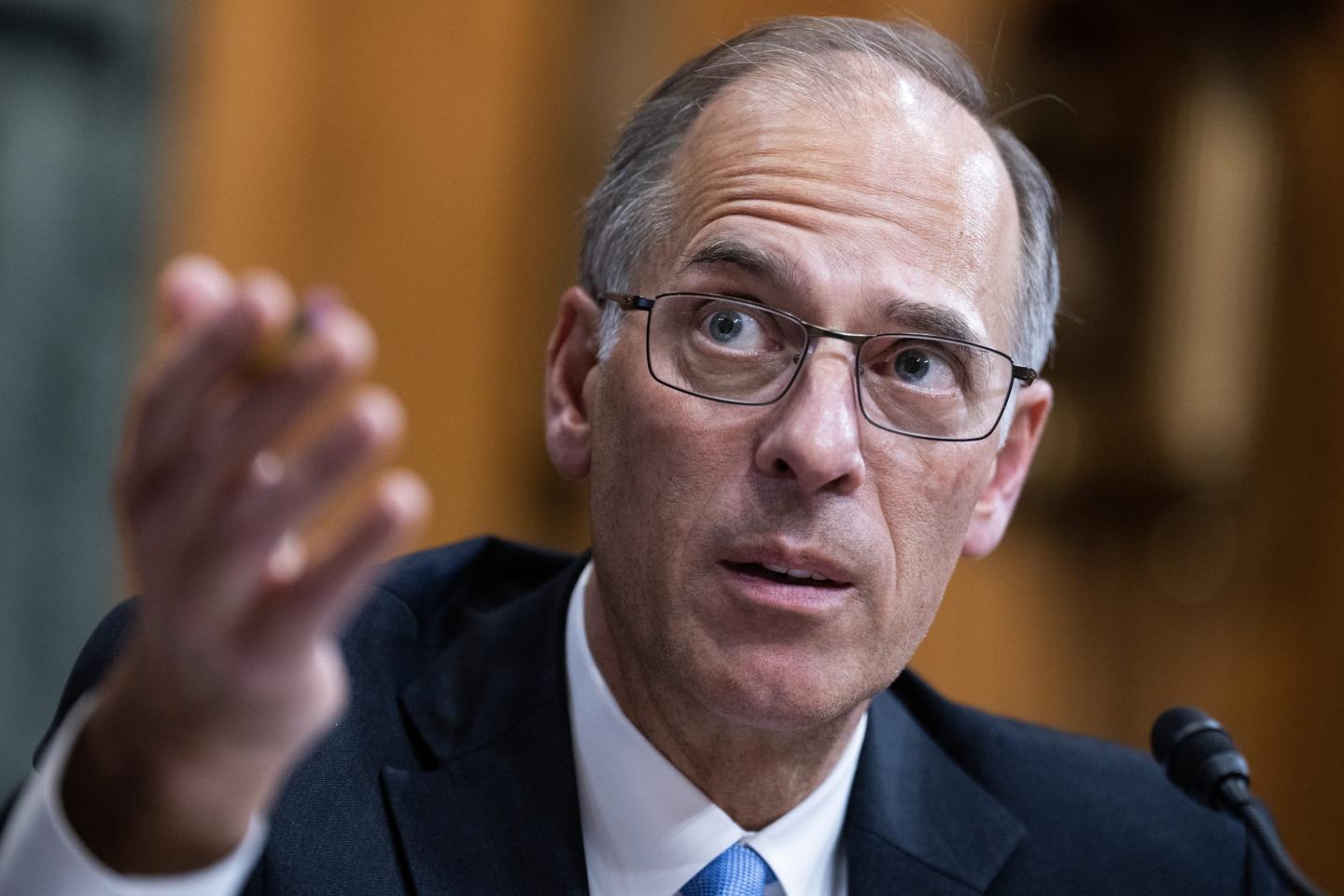
Moodys chief economist Mark Zandi
Mark Zandi, chief economist for Moody’s AnalyticsTom Williams—CQ–Roll Call/Getty Images
Add Fortune on Google for similar content.

Corporate profits hit record highs in the fourth quarter of last year. But corporations aren’t the only ones riding high: The supercharged bottom line of America’s biggest companies may have helped boost the entire country’s economy, keeping people employed, and averting a recession. 

Recommended Video

Overall, the U.S. economy has been rounding the corner on some of its pandemic-era slumps. Inflation is coming down, certainly compared with the highs in summer 2022; unemployment remains below 4%; and GDP is still growing at a healthy pace. In fact, the Commerce Department recently issued an upward revision of its fourth-quarter annualized GDP growth rate, bumping it up to 3.4% from 3.2%. 

That strength has made its way to the corporate world, too, where profits soared for America’s biggest companies. The last quarter was the most profitable of the year, and one of the best ever for corporate America. In the final quarter of 2023, corporate profits after taxes stood at $2.8 trillion, a $105 billion increase from the previous quarter, per the Commerce Department’s data. That means that corporate profits accounted for about 10% of the total quarterly GDP—slightly lower than in the first three quarters of the year where corporate profits accounted for between 10.3% and 10.5% of GDP.

Many consumer and worker advocates have taken these figures as a sign that corporate “greedflation” is contributing to Americans’ economic malaise and is (still) pushing up the cost of living. Frustrations about pricing at the grocery store and the gas pump have especially acute effects on people’s feelings about the economy, and even more so when the companies that make their food seem to be raking it in, as several reports have found. Over the past few years words like “greedflation” and “shrinkflation” have reappeared to denounce companies’ seemingly unstoppable march toward charging consumers more for smaller quantities.

But according to one top economist, that’s all backward. Corporate profits allowed companies to avoid massive layoffs and keep the economy afloat, says Moody’s Analytics chief economist, Mark Zandi.

Fat profit margins meant that companies weren’t under financial pressure and had the option to keep more of their workers on staff when lending conditions changed after the Fed started hiking interest rates, Zandi says. The fact that people remained gainfully employed and not on unemployment kept the economy afloat at what was otherwise a very precarious time. 

“The gangbuster gain in profits helps explain why businesses have been able and willing to hold the line on layoffs, which was key to avoiding recession,” Zandi wrote on X. 

When companies expect to have healthy bottom lines they’re less likely to feel as though a change is warranted. A profitable company thinks to itself: “If it ain’t broke don’t fix it,” Zandi told Fortune in a phone interview. “Only when they lose money, or expect to, does the pressure intensify to make changes like layoffs.” 

Zandi points out that layoffs are a prerequisite for a recession because they shake the confidence of all consumers. “It’s the layoffs that spook consumers and cause them to run into the bunker and stop spending,” he says. 

In the U.S., where consumer spending accounts for about two-thirds of the economy, keeping people feeling confident enough to spend is critical to keeping the economy chugging ahead. So far, it seems like that heavy spending has successfully staved off a recession. In recent months economists, Federal Reserve officials, and some of Wall Street’s major banks have all lowered the chances that the U.S. will fall into a recession. Much of the credit goes to the American consumer, who has remained resilient and, as Zandi would argue, employed. 

That’s not to say that some companies haven’t laid off employees—they have. Many household names such as Citigroup and big tech companies like Meta, Alphabet, and Microsoft cut thousands of workers at the start of this year. However, their layoffs said more about their own businesses than the broader economy, according to Zandi. Citi was far less profitable than its peers; and the tech companies “overdid it” when they “hired very aggressively during the teeth of the pandemic,” Zandi says. 

When well-known companies lay off workers, it can cause fears over the broader economy, despite the fact that they represent a small portion of the overall workforce. In fact, the latest employment numbers show continued growth in the number of people getting new jobs. Even though unemployment ticked up to 3.9% in February, the U.S. still added 275,000 new jobs, which beat estimates from Wall Street. And federal data that tracks applications for jobless aid indicates that, economy-wide, layoffs remain at very low levels.

Americans won’t stop spending

The ripple effects of American consumers’ hearty appetite for spending are felt across the economy, Zandi says. “It … helps explain the record stock market, and the resulting positive wealth effects,” he wrote on X. 

Consumer spending has delivered a solid start to 2024. In February, consumer spending jumped 0.8%, the largest monthly increase in over a year. However, analysts and observers are still keeping a close eye on spending trends, given some softer than expected reports. Especially worth watching are the spending habits of lower-income households, Zandi says. Many of them didn’t see their overall wealth increase when stock prices and home values soared, simply because they didn’t own either, and if times start to get tough they’ll be the first to cut back. “If they pull back then that may be the first indication that consumers more broadly are pulling back,” Zandi said. 

Despite their continued spending, consumers aren’t completely upbeat on the current economic moment. In February consumer optimism hit a two-year high, according to a report from McKinsey. Conversely, the same report found that 20% of consumers said they were pessimistic and felt pressure to save for a rainy day. 

Their confusion is understandable. Consumers are still in the strange position of paying higher prices for the most critical and conspicuous products they buy, despite all evidence that price hikes are slowing down. Gas prices are up 9% since December, and grocery prices outpaced overall inflation, staying high even while other types of goods decline in price. 

Zandi called out the seeming unfairness of companies asking consumers to pay higher prices while they themselves reaped hefty profits. “The fat margins should weigh on inflation as competition heats up,” Zandi said. “But the adage that ‘Prices rise like rockets and fall like feathers’ holds true. Policymakers should shine a bright light on businesses’ pricing practices and work to ensure markets are competitive.”

President Joe Biden himself has regularly called attention to some of the practices of consumer goods companies that have simultaneously raised prices and reduced the size of their products. He even issued a PSA before the Super Bowl where he was flanked by popular pantry staples like Oreos, Doritos, and Goldfish crackers, urging companies to stop the practice. “It’s a rip-off,” Biden said.

About the Author
Paolo Confino
By Paolo ConfinoReporter

Paolo Confino is a former reporter on Fortune’s global news desk where he covers each day’s most important stories.

See full bioRight Arrow Button Icon
Add Fortune on Google for similar content.

Latest in Finance

Finance
Lorem ipsum dolor sit amet, consectetur adipiscing elit, sed do eiusmod tempor incididunt ut labore et dolore magna aliqua. Ut enim ad minim veniam
By Fortune Editors
October 20, 2025
Finance
Lorem ipsum dolor sit amet, consectetur adipiscing elit, sed do eiusmod tempor incididunt ut labore et dolore magna aliqua. Ut enim ad minim veniam
By Fortune Editors
October 20, 2025
Finance
Lorem ipsum dolor sit amet, consectetur adipiscing elit, sed do eiusmod tempor incididunt ut labore et dolore magna aliqua. Ut enim ad minim veniam
By Fortune Editors
October 20, 2025
Finance
Lorem ipsum dolor sit amet, consectetur adipiscing elit, sed do eiusmod tempor incididunt ut labore et dolore magna aliqua. Ut enim ad minim veniam
By Fortune Editors
October 20, 2025
Finance
Lorem ipsum dolor sit amet, consectetur adipiscing elit, sed do eiusmod tempor incididunt ut labore et dolore magna aliqua. Ut enim ad minim veniam
By Fortune Editors
October 20, 2025
Finance
Lorem ipsum dolor sit amet, consectetur adipiscing elit, sed do eiusmod tempor incididunt ut labore et dolore magna aliqua. Ut enim ad minim veniam
By Fortune Editors
October 20, 2025

Most Popular

Finance
Lorem ipsum dolor sit amet, consectetur adipiscing elit, sed do eiusmod tempor incididunt ut labore et dolore magna aliqua. Ut enim ad minim veniam
By Fortune Editors
October 20, 2025
Finance
Lorem ipsum dolor sit amet, consectetur adipiscing elit, sed do eiusmod tempor incididunt ut labore et dolore magna aliqua. Ut enim ad minim veniam
By Fortune Editors
October 20, 2025
Finance
Lorem ipsum dolor sit amet, consectetur adipiscing elit, sed do eiusmod tempor incididunt ut labore et dolore magna aliqua. Ut enim ad minim veniam
By Fortune Editors
October 20, 2025
Finance
Lorem ipsum dolor sit amet, consectetur adipiscing elit, sed do eiusmod tempor incididunt ut labore et dolore magna aliqua. Ut enim ad minim veniam
By Fortune Editors
October 20, 2025
Finance
Lorem ipsum dolor sit amet, consectetur adipiscing elit, sed do eiusmod tempor incididunt ut labore et dolore magna aliqua. Ut enim ad minim veniam
By Fortune Editors
October 20, 2025
Finance
Lorem ipsum dolor sit amet, consectetur adipiscing elit, sed do eiusmod tempor incididunt ut labore et dolore magna aliqua. Ut enim ad minim veniam
By Fortune Editors
October 20, 2025
Fortune Secondary Logo
Rankings
  • 100 Best Companies
  • Fortune 500
  • Global 500
  • Fortune 500 Europe
  • Most Powerful Women
  • World's Most Admired Companies
  • See All Rankings
  • Lists Calendar
Sections
  • Finance
  • Fortune Crypto
  • Features
  • Leadership
  • Health
  • Commentary
  • Success
  • Retail
  • Mpw
  • Tech
  • Lifestyle
  • CEO Initiative
  • Asia
  • Politics
  • Conferences
  • Europe
  • Newsletters
  • Personal Finance
  • Environment
  • Magazine
  • Education
Customer Support
  • Frequently Asked Questions
  • Customer Service Portal
  • Privacy Policy
  • Terms Of Use
  • Single Issues For Purchase
  • International Print
Commercial Services
  • Advertising
  • Fortune Brand Studio
  • Fortune Analytics
  • Fortune Conferences
  • Business Development
  • Group Subscriptions
About Us
  • About Us
  • Press Center
  • Work At Fortune
  • Terms And Conditions
  • Site Map
  • About Us
  • Press Center
  • Work At Fortune
  • Terms And Conditions
  • Site Map
  • Facebook icon
  • Twitter icon
  • LinkedIn icon
  • Instagram icon
  • Pinterest icon

Latest in Finance

t
Real EstateHousing
Congress just passed the most significant housing bill in decades, so why won’t Trump sign it?
By Alex Veiga and The Associated PressJune 25, 2026
1 hour ago
The bond market knows something about the $39 trillion national debt that Washington doesn’t
EconomyDebt
The bond market knows something about the $39 trillion national debt that Washington doesn’t
By Eva RoytburgJune 25, 2026
2 hours ago
President Donald Trump speaking at a rally in Pennsylvania on June 23, 2026.
Economyoil and gas
Trump turns on Big Oil donors who spent nearly $100 million to get him elected—now he wants the DOJ to investigate them for price gouging
By Tristan BoveJune 25, 2026
3 hours ago
A man pumps his car with gas.
EconomyInflation
U.S. companies swallowed the oil shock. They’re not sure they can do it again
By Sasha RogelbergJune 25, 2026
4 hours ago
Private equity gets cut of two of Taylor Swift’s biggest pop hits through Max Martin’s catalog sale
Arts & Entertainmentprivate equity
Private equity gets cut of two of Taylor Swift’s biggest pop hits through Max Martin’s catalog sale
By Mia OsmonbekovJune 25, 2026
6 hours ago
stock
InvestingMarkets
How one chip stock reversed the global tech selloff, exposed AI’s ‘memory tax’ and made the case for an entire valuation regime change
By Nick LichtenbergJune 25, 2026
7 hours ago

Most Popular

MacKenzie Scott alone accounted for one-third of America's $19.2 billion in megagifts last year
Success
MacKenzie Scott alone accounted for one-third of America's $19.2 billion in megagifts last year
By Sydney LakeJune 25, 2026
16 hours ago
Now worth $200 million, Sarah Jessica Parker credits being ‘one of eight kids that struggled financially’ for her hunger, ambition, and work ethic
Success
Now worth $200 million, Sarah Jessica Parker credits being ‘one of eight kids that struggled financially’ for her hunger, ambition, and work ethic
By Orianna Rosa RoyleJune 24, 2026
2 days ago
Ikea’s billionaire founder was so frugal that he bought clothes from flea markets and took free salt and pepper from restaurants
Success
Ikea’s billionaire founder was so frugal that he bought clothes from flea markets and took free salt and pepper from restaurants
By Orianna Rosa RoyleJune 25, 2026
16 hours ago
Amazon's record Prime Day masks a darker truth: Americans are spending more and getting less
Retail
Amazon's record Prime Day masks a darker truth: Americans are spending more and getting less
By Nick LichtenbergJune 24, 2026
1 day ago
Ray Dalio just finished a 10-day trip to China. He says global leaders know America ‘doesn’t have what it takes to fight to maintain its empire’
Asia
Ray Dalio just finished a 10-day trip to China. He says global leaders know America ‘doesn’t have what it takes to fight to maintain its empire’
By Nick LichtenbergJune 24, 2026
1 day ago
After forcing workers back to the office, Goldman Sachs and JPMorgan Chase are now letting their staff work remotely—but only for the World Cup
Success
After forcing workers back to the office, Goldman Sachs and JPMorgan Chase are now letting their staff work remotely—but only for the World Cup
By Orianna Rosa RoyleJune 23, 2026
2 days ago

© 2026 Fortune Media IP Limited. All Rights Reserved. Use of this site constitutes acceptance of our Terms of Use and Privacy Policy | CA Notice at Collection and Privacy Notice | Do Not Sell/Share My Personal Information
FORTUNE is a trademark of Fortune Media IP Limited, registered in the U.S. and other countries. FORTUNE may receive compensation for some links to products and services on this website. Offers may be subject to change without notice.