• Home
  • Latest
  • Fortune 500
  • Finance
  • Tech
  • Leadership
  • Lifestyle
  • Rankings
  • Multimedia
Environmentendangered species

America spends $1.2 billion a year on endangered species, but almost half goes to just 2 kinds of fish

By
Matthew Brown
Matthew Brown
,
John Flesher
John Flesher
, and
The Associated Press
Down Arrow Button Icon
By
Matthew Brown
Matthew Brown
,
John Flesher
John Flesher
, and
The Associated Press
Down Arrow Button Icon
January 3, 2024, 12:43 PM ET
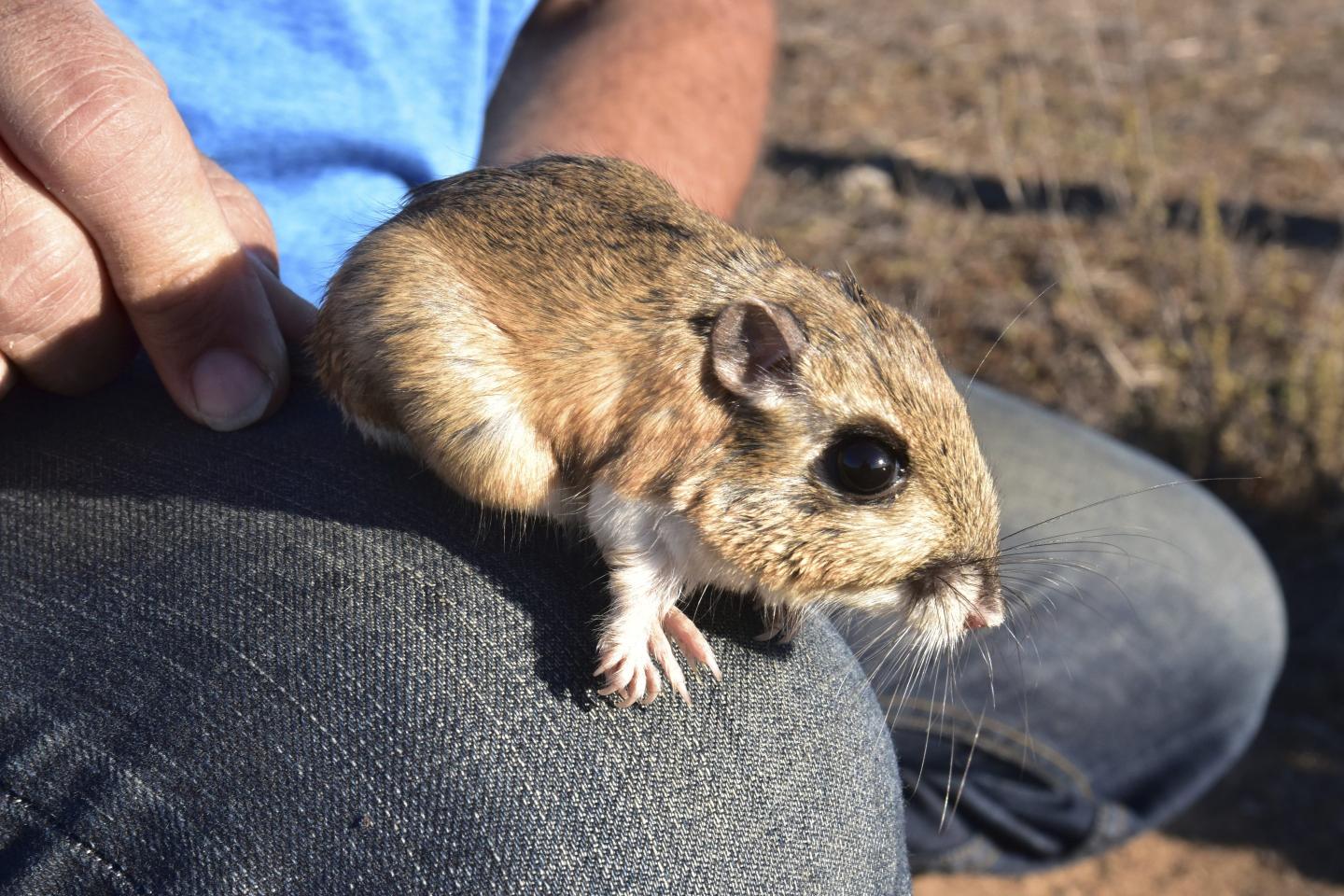
Stephens’ kangaroo rat
This image released by the U.S. Fish and Wildlife Service shows a Stephens’ kangaroo rat is seen on a person's knee as it’s held by the tail on Oct. 16, 2017. Joanna Gilkeso—USFWS via AP

Since passage of the Endangered Species Act 50 years ago, more than 1,700 plants, mammals, fish, insects and other species in the U.S. have been listed as threatened or endangered with extinction. Yet federal government data reveals striking disparities in how much money is allocated to save various biological kingdoms.

Of the roughly $1.2 billion a year spent on endangered and threatened species, about half goes toward recovery of just two types of fish: salmon and steelhead trout along the West Coast. Tens of millions of dollars go to other widely known animals including manatees, right whales, grizzly bears and spotted owls.

But the large sums directed toward a handful of species means others have gone neglected, in some cases for decades, as they teeter on potential extinction.

At the bottom of the spending list is the tiny Virginia fringed mountain snail, which had $100 spent on its behalf in 2020, according to the most recent data available. The underground-dwelling snail has been seen only once in the past 35 years, according to government records, yet it remains a step ahead of more than 200 imperiled plants, animals, fish and other creatures that had nothing spent on their behalf.

With climate change increasing threats to organisms around the planet and adding to the number that qualify for protection under the Endangered Species Act, government officials are struggling in many cases to execute recovery actions required under the law.

Some scientists even argue for spending less on costly efforts that may not work and putting the money toward species with less expensive recovery plans that have languished.

“For a tiny fraction of the budget going to spotted owls, we could save whole species of cacti that are less charismatic but have an order of magnitude smaller budget,” said Leah Gerber, a professor of conservation science at Arizona State University.

An Associated Press analysis of 2020 data found fish got 67% of the spending, the majority for several dozen salmon and steelhead populations in California, Oregon and Washington. Mammals were a distant second with 7% of spending and birds had about 5%. Insects received just 0.5% of the money and plants about 2%. Not included in those percentages is money divided among multiple species.

Species drawing no spending at all included stoneflies threatened by climate change in Montana’s Glacier National Park, the stocky California tiger salamander that has lost ground to development and flowering plants such as the scrub lupine around Orlando, Florida, where native habitat has been converted for theme parks.

Such spending inequities are longstanding and reflect a combination of biological realities and political pressures. Restoring salmon and steelhead populations is expensive because they are widespread and hemmed in by massive hydroelectric dams. They also have a broad political constituency with Native American tribes and commercial fishing interests that want fisheries restored.

Congress over decades has sent massive sums of money to agencies such as the Bonneville Power Administration that operate dams along rivers the fish once traveled up to spawn. The money pays for fish ladders around dams, habitat restoration projects, monitoring by scientists and other needs.

More than half the species protected under the Endangered Species Act are plants, but the entire plant kingdom was almost excluded from the landmark conservation law when it was adopted in 1973, according to the Congressional Record and Faith Campbell, who interviewed people involved in the bill’s passage for a 1988 study published in the Pace Environmental Law Review.

Plants initially were left out when the measure passed the Senate, with opposition led by influential Republican Sen. Ted Stevens of Alaska. They were added back at the 11th hour following a push by botanists from the Smithsonian Institution and Lee Talbot, a senior scientist at the White House Council on Environmental Quality, according to Campbell.

Botanists at the time proposed more than 2,500 plants as threatened with future extinction. However, most failed to get protections because federal officials failed to act prior to a Congressional deadline.

Today more than 900 trees, ferns, flowers and other flora are protected. Combined, they received about $26 million in 2020.

“In terms of numbers they’re catching up, but as far as money and attention they’re still not getting their share,” said Campbell, a longtime environmental advocate who now works at the Center for Invasive Species Prevention. “The threats are serious, they’re the same as the threats to animals. Yet they don’t have the political clout of, say, a couple dozen of the big animal species that attract favorable attention or get in people’s way.”

Most plants receive less money than recommended under their recovery plans, according to Gerber and others. Researchers say that has direct consequences: species tend to decline when allocated less funding than needed, while they have a higher chance of recovery when receiving enough money.

Gerber has suggested redirecting some money from species getting more than their recovery plans seek — the bull trout, the gopher tortoise and the Northern spotted owl among them — to those receiving little or none. Her ideas have stirred pushback from some conservationists.

Former U.S. Fish and Wildlife Service Director Jamie Rappaport Clark said debating how to allocate scarce resources for rescuing endangered species is a distraction.

“The issue is not where the money is spent,” said Clark, now president of Defenders of Wildlife. “The issue is that there isn’t nearly enough of it.”

Gerber said she doesn’t want to let anything go extinct but that a strategic approach is needed with the shortage of resources.

“Unfortunately, the clock is ticking,” she added. “We need to take action.”

Wildlife officials say they are trying to do just that with money for endangered species in the climate law signed last year by President Joe Biden.

It included $62.5 million officials said will allow them to hire biologists to craft recovery plans to guide future conservation work, initially for 32 species and for as many as 300 over coming years.

Among them are a colorful fish known as the candy darter that lives in rivers in the southeastern U.S., a flowering shrub from the Virgin Islands called marron bacora, the Panama City crayfish of Florida and the pocket-sized Stephens’ kangaroo rat in southern California.

The extra money is intended to provide some relief after the agency’s environmental review staff fell 20% over the past two decades, even while new species were listed, according to officials. Increased funding is especially important because more than half the agency’s existing recovery plans are more than two decades old, according to Lindsay Rosa, vice president for conservation research at Defenders of Wildlife.

Also in the law was $5.1 million for recovery projects that could benefit hundreds of species from four groups that officials said have historically been underfunded: Hawaii and Pacific island plants, butterflies and moths, freshwater mussels and desert fish in the southwestern U.S.

“Each of these species are part of this larger web of life,” Fish and Wildlife Service Director Martha Williams said in an interview. “They’re all important.”

___

Flesher reported from Traverse City, Michigan. Data journalist Nicky Forster contributed to this story from New York.

___

Associated Press climate and environmental coverage receives support from several private foundations. See more about AP’s climate initiative here. The AP is solely responsible for all content.

Subscribe to Fortune Gulf Brief. Every Tuesday, this new newsletter will deliver clear-eyed, authoritative intelligence on the deals, decisions, policies, and power shifts shaping one of the world’s most consequential regions, written for the people who need to act on it. Sign up here.
About the Authors
By Matthew Brown
See full bioRight Arrow Button Icon
By John Flesher
See full bioRight Arrow Button Icon
By The Associated Press
See full bioRight Arrow Button Icon

Latest in Environment

Finance
Lorem ipsum dolor sit amet, consectetur adipiscing elit, sed do eiusmod tempor incididunt ut labore et dolore magna aliqua. Ut enim ad minim veniam
By Fortune Editors
October 20, 2025
Finance
Lorem ipsum dolor sit amet, consectetur adipiscing elit, sed do eiusmod tempor incididunt ut labore et dolore magna aliqua. Ut enim ad minim veniam
By Fortune Editors
October 20, 2025
Finance
Lorem ipsum dolor sit amet, consectetur adipiscing elit, sed do eiusmod tempor incididunt ut labore et dolore magna aliqua. Ut enim ad minim veniam
By Fortune Editors
October 20, 2025
Finance
Lorem ipsum dolor sit amet, consectetur adipiscing elit, sed do eiusmod tempor incididunt ut labore et dolore magna aliqua. Ut enim ad minim veniam
By Fortune Editors
October 20, 2025
Finance
Lorem ipsum dolor sit amet, consectetur adipiscing elit, sed do eiusmod tempor incididunt ut labore et dolore magna aliqua. Ut enim ad minim veniam
By Fortune Editors
October 20, 2025
Finance
Lorem ipsum dolor sit amet, consectetur adipiscing elit, sed do eiusmod tempor incididunt ut labore et dolore magna aliqua. Ut enim ad minim veniam
By Fortune Editors
October 20, 2025

Most Popular

Finance
Lorem ipsum dolor sit amet, consectetur adipiscing elit, sed do eiusmod tempor incididunt ut labore et dolore magna aliqua. Ut enim ad minim veniam
By Fortune Editors
October 20, 2025
Finance
Lorem ipsum dolor sit amet, consectetur adipiscing elit, sed do eiusmod tempor incididunt ut labore et dolore magna aliqua. Ut enim ad minim veniam
By Fortune Editors
October 20, 2025
Finance
Lorem ipsum dolor sit amet, consectetur adipiscing elit, sed do eiusmod tempor incididunt ut labore et dolore magna aliqua. Ut enim ad minim veniam
By Fortune Editors
October 20, 2025
Finance
Lorem ipsum dolor sit amet, consectetur adipiscing elit, sed do eiusmod tempor incididunt ut labore et dolore magna aliqua. Ut enim ad minim veniam
By Fortune Editors
October 20, 2025
Finance
Lorem ipsum dolor sit amet, consectetur adipiscing elit, sed do eiusmod tempor incididunt ut labore et dolore magna aliqua. Ut enim ad minim veniam
By Fortune Editors
October 20, 2025
Finance
Lorem ipsum dolor sit amet, consectetur adipiscing elit, sed do eiusmod tempor incididunt ut labore et dolore magna aliqua. Ut enim ad minim veniam
By Fortune Editors
October 20, 2025
Fortune Secondary Logo
Rankings
  • 100 Best Companies
  • Fortune 500
  • Global 500
  • Fortune 500 Europe
  • Most Powerful Women
  • World's Most Admired Companies
  • See All Rankings
  • Lists Calendar
Sections
  • Finance
  • Fortune Crypto
  • Features
  • Leadership
  • Health
  • Commentary
  • Success
  • Retail
  • Mpw
  • Tech
  • Lifestyle
  • CEO Initiative
  • Asia
  • Politics
  • Conferences
  • Europe
  • Newsletters
  • Personal Finance
  • Environment
  • Magazine
  • Education
Customer Support
  • Frequently Asked Questions
  • Customer Service Portal
  • Privacy Policy
  • Terms Of Use
  • Single Issues For Purchase
  • International Print
Commercial Services
  • Advertising
  • Fortune Brand Studio
  • Fortune Analytics
  • Fortune Conferences
  • Business Development
  • Group Subscriptions
About Us
  • About Us
  • Press Center
  • Work At Fortune
  • Terms And Conditions
  • Site Map
  • About Us
  • Press Center
  • Work At Fortune
  • Terms And Conditions
  • Site Map
  • Facebook icon
  • Twitter icon
  • LinkedIn icon
  • Instagram icon
  • Pinterest icon

Latest in Environment

A large oil-exporting hub will be built in the deepwater Gulf of Mexico amid the Iran war—but only because Japan and the White House are paying for it
Energycrude oil
A large oil-exporting hub will be built in the deepwater Gulf of Mexico amid the Iran war—but only because Japan and the White House are paying for it
By Jordan BlumMay 8, 2026
21 hours ago
An almond farmer inspects a fruit on a tree.
North AmericaAgriculture
California farmers must destroy 420,000 peach trees after Del Monte closes its canneries and cancels more than $550 million in long-term contracts
By Sasha RogelbergMay 7, 2026
1 day ago
bears
EnvironmentAlaska
Judge allows Alaska wildlife agents to resume shooting bears from helicopters to protect recovering caribou herd
By Becky Bohrer and The Associated PressMay 7, 2026
2 days ago
Debris from the White House East Wing demolition was dumped at a nearby public golf course and contains toxic metals, National Park report finds
PoliticsWhite House
Debris from the White House East Wing demolition was dumped at a nearby public golf course and contains toxic metals, National Park report finds
By Sasha RogelbergMay 7, 2026
2 days ago
ben
CommentaryFood and drink
Magnum owns Ben & Jerry’s. Now it’s destroying what made the brand worth buying
By David Bronner, Michael Bronner and Ryan GellertMay 7, 2026
2 days ago
At 75, Ted Turner told Fortune he gave himself 5 more years. He got 12—and spent them warning the world was ending
C-SuiteMedia
At 75, Ted Turner told Fortune he gave himself 5 more years. He got 12—and spent them warning the world was ending
By Ashley LutzMay 6, 2026
2 days ago

Most Popular

California farmers must destroy 420,000 peach trees after Del Monte closes its canneries and cancels more than $550 million in long-term contracts
North America
California farmers must destroy 420,000 peach trees after Del Monte closes its canneries and cancels more than $550 million in long-term contracts
By Sasha RogelbergMay 7, 2026
1 day ago
'Blue dot fever' plagues musicians like Post Malone, Meghan Trainor, and Zayn as a growing list of artists cancel tours due to lagging ticket sales
Arts & Entertainment
'Blue dot fever' plagues musicians like Post Malone, Meghan Trainor, and Zayn as a growing list of artists cancel tours due to lagging ticket sales
By Dave Lozo and Morning BrewMay 7, 2026
1 day ago
A Michigan farm town voted down plans for a giant OpenAI-Oracle data center. Weeks later, construction began
Magazine
A Michigan farm town voted down plans for a giant OpenAI-Oracle data center. Weeks later, construction began
By Sharon GoldmanMay 6, 2026
3 days ago
U.S. Treasury will have to borrow $2 trillion this year just to continue functioning—more than $166 billion every month
Economy
U.S. Treasury will have to borrow $2 trillion this year just to continue functioning—more than $166 billion every month
By Eleanor PringleMay 7, 2026
2 days ago
Airbnb CEO Brian Chesky warns two types of people won’t survive the AI era: ‘pure people managers’ and workers who resist change
Success
Airbnb CEO Brian Chesky warns two types of people won’t survive the AI era: ‘pure people managers’ and workers who resist change
By Emma BurleighMay 7, 2026
2 days ago
Current price of oil as of May 8, 2026
Personal Finance
Current price of oil as of May 8, 2026
By Joseph HostetlerMay 8, 2026
16 hours ago

© 2026 Fortune Media IP Limited. All Rights Reserved. Use of this site constitutes acceptance of our Terms of Use and Privacy Policy | CA Notice at Collection and Privacy Notice | Do Not Sell/Share My Personal Information
FORTUNE is a trademark of Fortune Media IP Limited, registered in the U.S. and other countries. FORTUNE may receive compensation for some links to products and services on this website. Offers may be subject to change without notice.