• Home
  • Latest
  • Fortune 500
  • Finance
  • Tech
  • Leadership
  • Lifestyle
  • Rankings
  • Multimedia

Trendingnow

1

After forcing workers back to the office, Goldman Sachs and JPMorgan Chase are now letting their staff work remotely—but only for the World Cup

2

Markets tumble worldwide as Fed resets expectations: $400 billion wiped off SpaceX stock

3

Current price of oil as of June 23, 2026

1

After forcing workers back to the office, Goldman Sachs and JPMorgan Chase are now letting their staff work remotely—but only for the World Cup

2

Markets tumble worldwide as Fed resets expectations: $400 billion wiped off SpaceX stock

3

Current price of oil as of June 23, 2026
CommentaryUkraine invasion

As the red line disappears, business leaders must step up to protect U.S. infrastructure from cyberattacks

By
Galina Antova
Galina Antova
Down Arrow Button Icon
By
Galina Antova
Galina Antova
Down Arrow Button Icon
May 5, 2022, 6:13 AM ET
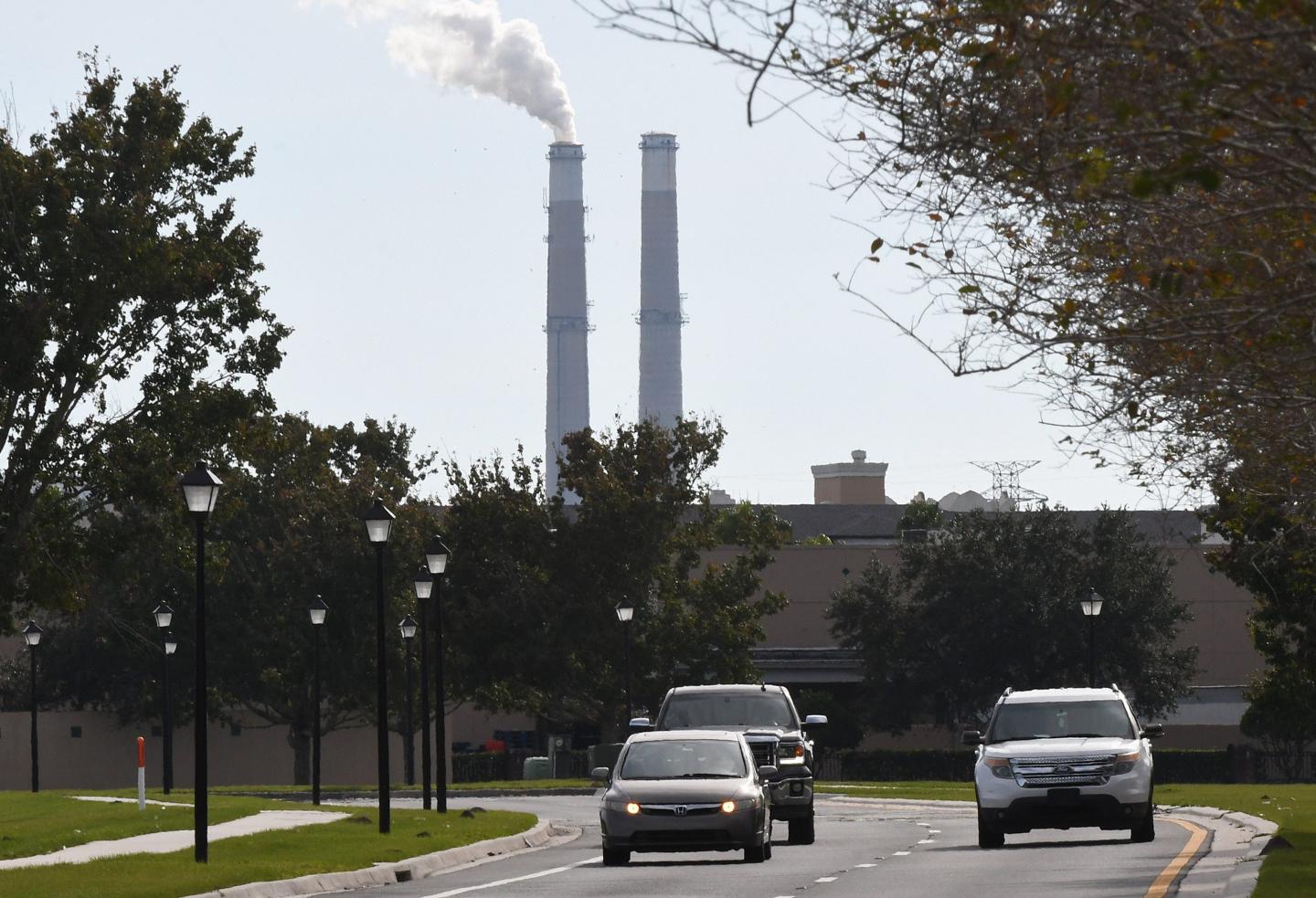
A power plant in Orlando
Experts have warned for years that Russian nation-state cyberattackers are lurking in critical infrastructure networks in the U.S.Paul Hennessy - SOPA Images - LightRocket - Getty Images
Add Fortune on Google for similar content.

Escalating geopolitical conflicts are likely to involve cyberattacks on critical infrastructure with the end goal of disruption, if not outright economic warfare.

In the U.S., where much of our critical infrastructure is privately owned, business leaders have a crucial role to play in protecting national security.

In recent weeks, we’ve seen new research on the Industroyer2 malware used to target a Ukrainian energy provider, as well as a new advisory from the Cybersecurity and Infrastructure Security Agency (CISA), the NSA, and the FBI on threat actors’ ability to gain full system access to multiple industrial control system devices.

And yet we’re seeing a bit of the boiling frog phenomenon. We have ample evidence and knowledge of the dangers, but we don’t see nearly enough action. Cyber warfare on critical infrastructure has been happening for a while—and we’ve been allowing it to continue.

From attacks on the Ukrainian power grid in 2015, to oil shortages in the U.S. last year, and downed telecom services for users in the European Union and Ukraine at the outset of the ongoing war, the disruptions we’ve already experienced should be reason enough to accelerate risk mitigation.

When will it be enough? Where is the red line?

A tale of two trends

Two dramatic developments have been building for some time, and greatly accelerated since 2020: the exposure of legacy infrastructure and the weaponization of cyberattacks.

Our critical infrastructure relies on a lot of legacy equipment that doesn’t have up-to-date security controls. Many industrial networks have been operational for 35 years or more.

The acceleration of digital transformation and new emerging technologies are increasing businesses’ digital footprints and producing better business outcomes. However, as connectivity from aging industrial networks to IT networks, up to the cloud, and to other connected devices has taken off, it is also creating new forms of cyber risk.

For years, we have known that attacks on critical infrastructure are not only possible but can also be used as a weapon, whether for financial gain or nation-state disruption.

Now these attacks are becoming increasingly crafty. Threat actors have shifted their ransomware tactics from locking up personal data to locking up a factory or a pipeline. A flurry of supply-chain attacks impacting millions of downstream users has demonstrated both the advanced capabilities of our adversaries and our own cyber insecurities.

The U.S. federal government recognizes these two trends (and the potential for escalation in the Ukrainian conflict) and has launched a number of initiatives and legislation focused on better securing critical infrastructure. For example, the Cyber Incident Reporting for Critical Infrastructure Act of 2022 requires critical infrastructure owners and operators to report cyber incidents within 72 hours and any ransomware payments related to ransomware attacks within 24 hours.

Enough is enough

While reporting is important, the federal government has no direct way to ensure the proactive protection of critical infrastructure, as most of our infrastructure is controlled by private entities. That’s why CISA has been issuing many advisories and alerts with concrete steps owners of critical infrastructure need to take.

There is much work to be done. The time has come for critical infrastructure owners to build resilience into their operations. Given the economic pressure the U.S. and other Western countries have exerted on Russia, it’s wise to be prepared for potential retaliation.

The expected path for Russia will be to try to inflict economic damage with a tool it masters: cyberattacks. We’ve known for years that Russian nation-state cyberattackers are lurking in critical infrastructure networks in the U.S., and it’s easy to envision how whole sectors of the economy could be affected. Since attribution is hard and not always possible, those attacks could remain just below the threshold of open conflict, causing the clear red line that once existed to disappear. 

Washington is very aware of the shifting strategies, tactics, and implications of escalating cyber warfare, hence the heightened focus and new laws—but the onus is on private owners to protect the private critical infrastructure of the nation.

While the U.S. federal government and cyber experts understand this, the huge gap we have in our cyber defenses of the systems that are critical to our lives and livelihoods leads me to believe the danger is not widely understood by business leaders. It’s time to jump out of the boiling water and better secure these systems.

Galina Antova is the cofounder of Claroty and a former global head of industrial security services at Siemens.

The opinions expressed in Fortune.com commentary pieces are solely the views of their authors and do not reflect the opinions and beliefs of Fortune.

More must-read commentary published by Fortune:

  • How to dismantle a culture of impunity–and find the real superstars in your company
  • Now would be a good time for the IMF to do away with unfair and unnecessary surcharges
  • Sallie Krawcheck: This women-led funding round gives me hope venture capital is changing
  • Women of color can no longer buy into the ‘inclusion delusion’
  • Here’s how CEOs can successfully navigate inflation

Sign up for the Fortune Features email list so you don’t miss our biggest features, exclusive interviews, and investigations.
About the Author
By Galina Antova
See full bioRight Arrow Button Icon
Add Fortune on Google for similar content.

Latest in Commentary

Finance
Lorem ipsum dolor sit amet, consectetur adipiscing elit, sed do eiusmod tempor incididunt ut labore et dolore magna aliqua. Ut enim ad minim veniam
By Fortune Editors
October 20, 2025
Finance
Lorem ipsum dolor sit amet, consectetur adipiscing elit, sed do eiusmod tempor incididunt ut labore et dolore magna aliqua. Ut enim ad minim veniam
By Fortune Editors
October 20, 2025
Finance
Lorem ipsum dolor sit amet, consectetur adipiscing elit, sed do eiusmod tempor incididunt ut labore et dolore magna aliqua. Ut enim ad minim veniam
By Fortune Editors
October 20, 2025
Finance
Lorem ipsum dolor sit amet, consectetur adipiscing elit, sed do eiusmod tempor incididunt ut labore et dolore magna aliqua. Ut enim ad minim veniam
By Fortune Editors
October 20, 2025
Finance
Lorem ipsum dolor sit amet, consectetur adipiscing elit, sed do eiusmod tempor incididunt ut labore et dolore magna aliqua. Ut enim ad minim veniam
By Fortune Editors
October 20, 2025
Finance
Lorem ipsum dolor sit amet, consectetur adipiscing elit, sed do eiusmod tempor incididunt ut labore et dolore magna aliqua. Ut enim ad minim veniam
By Fortune Editors
October 20, 2025

Most Popular

Finance
Lorem ipsum dolor sit amet, consectetur adipiscing elit, sed do eiusmod tempor incididunt ut labore et dolore magna aliqua. Ut enim ad minim veniam
By Fortune Editors
October 20, 2025
Finance
Lorem ipsum dolor sit amet, consectetur adipiscing elit, sed do eiusmod tempor incididunt ut labore et dolore magna aliqua. Ut enim ad minim veniam
By Fortune Editors
October 20, 2025
Finance
Lorem ipsum dolor sit amet, consectetur adipiscing elit, sed do eiusmod tempor incididunt ut labore et dolore magna aliqua. Ut enim ad minim veniam
By Fortune Editors
October 20, 2025
Finance
Lorem ipsum dolor sit amet, consectetur adipiscing elit, sed do eiusmod tempor incididunt ut labore et dolore magna aliqua. Ut enim ad minim veniam
By Fortune Editors
October 20, 2025
Finance
Lorem ipsum dolor sit amet, consectetur adipiscing elit, sed do eiusmod tempor incididunt ut labore et dolore magna aliqua. Ut enim ad minim veniam
By Fortune Editors
October 20, 2025
Finance
Lorem ipsum dolor sit amet, consectetur adipiscing elit, sed do eiusmod tempor incididunt ut labore et dolore magna aliqua. Ut enim ad minim veniam
By Fortune Editors
October 20, 2025
Fortune Secondary Logo
Rankings
  • 100 Best Companies
  • Fortune 500
  • Global 500
  • Fortune 500 Europe
  • Most Powerful Women
  • World's Most Admired Companies
  • See All Rankings
  • Lists Calendar
Sections
  • Finance
  • Fortune Crypto
  • Features
  • Leadership
  • Health
  • Commentary
  • Success
  • Retail
  • Mpw
  • Tech
  • Lifestyle
  • CEO Initiative
  • Asia
  • Politics
  • Conferences
  • Europe
  • Newsletters
  • Personal Finance
  • Environment
  • Magazine
  • Education
Customer Support
  • Frequently Asked Questions
  • Customer Service Portal
  • Privacy Policy
  • Terms Of Use
  • Single Issues For Purchase
  • International Print
Commercial Services
  • Advertising
  • Fortune Brand Studio
  • Fortune Analytics
  • Fortune Conferences
  • Business Development
  • Group Subscriptions
About Us
  • About Us
  • Press Center
  • Work At Fortune
  • Terms And Conditions
  • Site Map
  • About Us
  • Press Center
  • Work At Fortune
  • Terms And Conditions
  • Site Map
  • Facebook icon
  • Twitter icon
  • LinkedIn icon
  • Instagram icon
  • Pinterest icon

Latest in Commentary

sb
Commentaryclimate change
The climate policy triangle: why leaders can no longer choose between growth, security and sustainability
By Sebastian BuckupJune 23, 2026
12 hours ago
brett
CommentaryManagement
Middle managers aren’t going extinct—they’re evolving into something more powerful
By Brett HurtJune 23, 2026
21 hours ago
ravi
CommentaryAI agents
Yale School of Management: surveillance pricing is just the beginning. AI agents will be the real test of corporate trust
By Ravi Dhar and Jon IwataJune 23, 2026
22 hours ago
elon
CommentaryElon Musk
Elon Musk’s trillion dollars aren’t real — and that’s the point
By Douglas P. McCormickJune 23, 2026
22 hours ago
gen z
CommentaryCareers
Gen Z: if you want to succeed at work, you need to start friction-maxxing
By Michelle SobelJune 23, 2026
22 hours ago
rp
CommentaryLaw
Cooley CEO: Big Law won’t survive if it treats AI as just an efficiency tool
By Rachel ProffittJune 23, 2026
23 hours ago

Most Popular

After forcing workers back to the office, Goldman Sachs and JPMorgan Chase are now letting their staff work remotely—but only for the World Cup
Success
After forcing workers back to the office, Goldman Sachs and JPMorgan Chase are now letting their staff work remotely—but only for the World Cup
By Orianna Rosa RoyleJune 23, 2026
21 hours ago
Markets tumble worldwide as Fed resets expectations: $400 billion wiped off SpaceX stock
Banking
Markets tumble worldwide as Fed resets expectations: $400 billion wiped off SpaceX stock
By Jim EdwardsJune 23, 2026
23 hours ago
Current price of oil as of June 23, 2026
Personal Finance
Current price of oil as of June 23, 2026
By Joseph HostetlerJune 23, 2026
20 hours ago
Meet the 2 men putting New York's $300 billion pension fund in play for the first time in 20 years
Investing
Meet the 2 men putting New York's $300 billion pension fund in play for the first time in 20 years
By Nick LichtenbergJune 22, 2026
2 days ago
Former U.S. Secret Service agent says bringing your authentic self to work stifles teamwork: 'You don’t get high performers, you get sloppiness'
Success
Former U.S. Secret Service agent says bringing your authentic self to work stifles teamwork: 'You don’t get high performers, you get sloppiness'
By Sydney LakeJune 21, 2026
3 days ago
Texas and Charlotte used to build huge McMansions—now they're copying the California design tricks they once mocked
Real Estate
Texas and Charlotte used to build huge McMansions—now they're copying the California design tricks they once mocked
By Sydney LakeJune 22, 2026
2 days ago

© 2026 Fortune Media IP Limited. All Rights Reserved. Use of this site constitutes acceptance of our Terms of Use and Privacy Policy | CA Notice at Collection and Privacy Notice | Do Not Sell/Share My Personal Information
FORTUNE is a trademark of Fortune Media IP Limited, registered in the U.S. and other countries. FORTUNE may receive compensation for some links to products and services on this website. Offers may be subject to change without notice.