• Home
  • Latest
  • Fortune 500
  • Finance
  • Tech
  • Leadership
  • Lifestyle
  • Rankings
  • Multimedia
CommentaryThe New Leadership Playbook

An international deal on a corporate minimum tax is within reach. Courageous CEOs can help deliver it

By
Paul Polman
Paul Polman
Down Arrow Button Icon
By
Paul Polman
Paul Polman
Down Arrow Button Icon
May 27, 2021, 5:00 AM ET
President Biden and U.S. Treasury Secretary Janet Yellen at a briefing with corporate leaders earlier this year. "CEOs who publicly signal their support for an ambitious international agreement can help steady the nerves of hesitant politicians," writes Paul Polman.
President Biden and U.S. Treasury Secretary Janet Yellen at a briefing with corporate leaders earlier this year. "CEOs who publicly signal their support for an ambitious international agreement can help steady the nerves of hesitant politicians," writes Paul Polman. SAUL LOEB—AFP/Getty Images

Campaigners for a global minimum rate on corporate taxes may have felt disappointed last week. The policy, which would deter multinationals from flocking to countries with the lowest rates, received a boost when President Biden’s administration came out for a 21% floor. U.S. Treasury officials have since rowed back, however, calling instead for a rate of “at least 15%.” This appears to be a pragmatic move aimed at getting a deal through the G7.

I agree with the campaigners: 21% would be better. When I was CEO of Unilever, we always sought to make a fair contribution, usually paying corporate income tax between 23% and 25%. We were proud to do so. But let’s not make the best the enemy of the good. International negotiations on business taxes are notoriously fraught. The United States is mercifully back at the table, and we are finally in reach of a deal between some of the world’s biggest economies—a foundation on which we can then build.

France, Germany and Italy are all on board. Notwithstanding some inevitable opposition, a G7 accord could pave the way for global agreement at the OECD later this year. Along with a minimum corporate tax rate, this agreement could ensure that U.S. tech giants and other big firms pay more tax in the countries in which they operate, not just those where their profits are booked.

This shift, if it happens, will present huge opportunities for business. I know some of my corporate peers still see a global tax agreement as a kind of multilateral stitch-up, aimed at curbing legal tax planning. But a growing number of CEOs also recognise that healthy tax bases are a prerequisite for healthy communities in which their companies can thrive.

In the words of U.S. Supreme Court Justice Oliver Wendell Holmes, “Taxes are what we pay for a civilized society.” For a CEO, where else might you find an investment that simultaneously prepares our future leaders and workforce, secures our communities and global supply chains, and funds the infrastructure that gets our goods and services to market? The need is especially acute in developing economies, which on average raise a considerably smaller share of their GDP in taxes, compared to developed nations. Corporate taxes often make up a significant part of this, so rebalancing taxing rights in favor of poorer parts of the world is key to tackling inequality and resourcing well-functioning states.

Public spending remains critical in the fight against COVID-19. It has accelerated the development and rollout of effective vaccines. Many companies and industries continue to rely on taxpayer support, whether through bailouts, supply chain interventions or furlough schemes. Meanwhile, fiscal stimulus continues to fortify consumer demand, in some cases exceeding 50% of GDP. The pandemic has illustrated beyond doubt that tax is more than an investment, it’s an insurance policy.

Fairer, more consistent rules across countries will also level the playing field for business. Why should a domestic firm pay tax at a higher rate than its multinational competitor, which is able to take advantage of international tax arbitrage? Why should technology companies reliant on intangible assets pay tax at a lower rate than those in traditional sectors?

Revived multilateralism creates predictability, too. Recent years have seen a breakdown in international tax relations. This has led some governments to pursue unilateral measures such as taxing the revenue of digital services providers, adding new uncertainties and costs to business.

Finally, confronting tax avoidance is fundamental to building the thing on which successful consumer-facing businesses depend: trust. Customers and employees regularly identify corporate tax avoidance as the issue that concerns them most about business ethics. Iconic brands can publish well-crafted purpose statements and speak out on touchstone societal issues such as #metoo and the brutal murder of George Floyd, but public displays of solidarity with your communities fall flat when you pay close to zero in tax.

For all these reasons, the boldest CEOs will advocate for international agreement on the corporate taxes we pay, and urge greater ambition. It is a political certainty that the negotiations will require compromise. The deal will be imperfect as a result. But a deal is a deal. A 15% minimum corporate rate can serve as a starting point, provided there are mechanisms to ratchet upwards.

Progress on climate change offers a useful parallel: the Paris Climate Agreement wasn’t a perfect deal either. But it brought together the key players and created a framework for common action around which we continue to organise.

Just as future facing business leaders and investors came out to support the Paris Agreement when the United States announced it would withdraw in 2017, courageous CEOs should now find their voice on tax. Momentum is building. As government officials thrash out the details behind closed doors, CEOs who publicly signal their support for an ambitious international agreement can help steady the nerves of hesitant politicians. Those who call on trade and industry bodies to follow suit, even more so.

It’s time to send a message loud and clear: we’re done with a global race to the bottom on tax.

Paul Polman is chair of The B Team, and author of Net Positive: How Courageous Companies Thrive by Giving More Than They Take, to be published in October.

A collection of stories, insights and resources on 21st-century business leadership—visit The New Leadership Playbook today.
About the Author
By Paul Polman
See full bioRight Arrow Button Icon

Latest in Commentary

Finance
Lorem ipsum dolor sit amet, consectetur adipiscing elit, sed do eiusmod tempor incididunt ut labore et dolore magna aliqua. Ut enim ad minim veniam
By Fortune Editors
October 20, 2025
Finance
Lorem ipsum dolor sit amet, consectetur adipiscing elit, sed do eiusmod tempor incididunt ut labore et dolore magna aliqua. Ut enim ad minim veniam
By Fortune Editors
October 20, 2025
Finance
Lorem ipsum dolor sit amet, consectetur adipiscing elit, sed do eiusmod tempor incididunt ut labore et dolore magna aliqua. Ut enim ad minim veniam
By Fortune Editors
October 20, 2025
Finance
Lorem ipsum dolor sit amet, consectetur adipiscing elit, sed do eiusmod tempor incididunt ut labore et dolore magna aliqua. Ut enim ad minim veniam
By Fortune Editors
October 20, 2025
Finance
Lorem ipsum dolor sit amet, consectetur adipiscing elit, sed do eiusmod tempor incididunt ut labore et dolore magna aliqua. Ut enim ad minim veniam
By Fortune Editors
October 20, 2025
Finance
Lorem ipsum dolor sit amet, consectetur adipiscing elit, sed do eiusmod tempor incididunt ut labore et dolore magna aliqua. Ut enim ad minim veniam
By Fortune Editors
October 20, 2025

Most Popular

Finance
Lorem ipsum dolor sit amet, consectetur adipiscing elit, sed do eiusmod tempor incididunt ut labore et dolore magna aliqua. Ut enim ad minim veniam
By Fortune Editors
October 20, 2025
Finance
Lorem ipsum dolor sit amet, consectetur adipiscing elit, sed do eiusmod tempor incididunt ut labore et dolore magna aliqua. Ut enim ad minim veniam
By Fortune Editors
October 20, 2025
Finance
Lorem ipsum dolor sit amet, consectetur adipiscing elit, sed do eiusmod tempor incididunt ut labore et dolore magna aliqua. Ut enim ad minim veniam
By Fortune Editors
October 20, 2025
Finance
Lorem ipsum dolor sit amet, consectetur adipiscing elit, sed do eiusmod tempor incididunt ut labore et dolore magna aliqua. Ut enim ad minim veniam
By Fortune Editors
October 20, 2025
Finance
Lorem ipsum dolor sit amet, consectetur adipiscing elit, sed do eiusmod tempor incididunt ut labore et dolore magna aliqua. Ut enim ad minim veniam
By Fortune Editors
October 20, 2025
Finance
Lorem ipsum dolor sit amet, consectetur adipiscing elit, sed do eiusmod tempor incididunt ut labore et dolore magna aliqua. Ut enim ad minim veniam
By Fortune Editors
October 20, 2025
Rankings
  • 100 Best Companies
  • Fortune 500
  • Global 500
  • Fortune 500 Europe
  • Most Powerful Women
  • Future 50
  • World’s Most Admired Companies
  • See All Rankings
Sections
  • Finance
  • Leadership
  • Success
  • Tech
  • Asia
  • Europe
  • Environment
  • Fortune Crypto
  • Health
  • Retail
  • Lifestyle
  • Politics
  • Newsletters
  • Magazine
  • Features
  • Commentary
  • Mpw
  • CEO Initiative
  • Conferences
  • Personal Finance
  • Education
Customer Support
  • Frequently Asked Questions
  • Customer Service Portal
  • Privacy Policy
  • Terms Of Use
  • Single Issues For Purchase
  • International Print
Commercial Services
  • Advertising
  • Fortune Brand Studio
  • Fortune Analytics
  • Fortune Conferences
  • Business Development
About Us
  • About Us
  • Editorial Calendar
  • Press Center
  • Work At Fortune
  • Diversity And Inclusion
  • Terms And Conditions
  • Site Map
  • Facebook icon
  • Twitter icon
  • LinkedIn icon
  • Instagram icon
  • Pinterest icon

Most Popular

placeholder alt text
Economy
Trump may have shot himself in the foot at the Fed, as Powell could stay on while Miran resigns from White House post
By Eleanor PringleFebruary 4, 2026
1 day ago
placeholder alt text
Politics
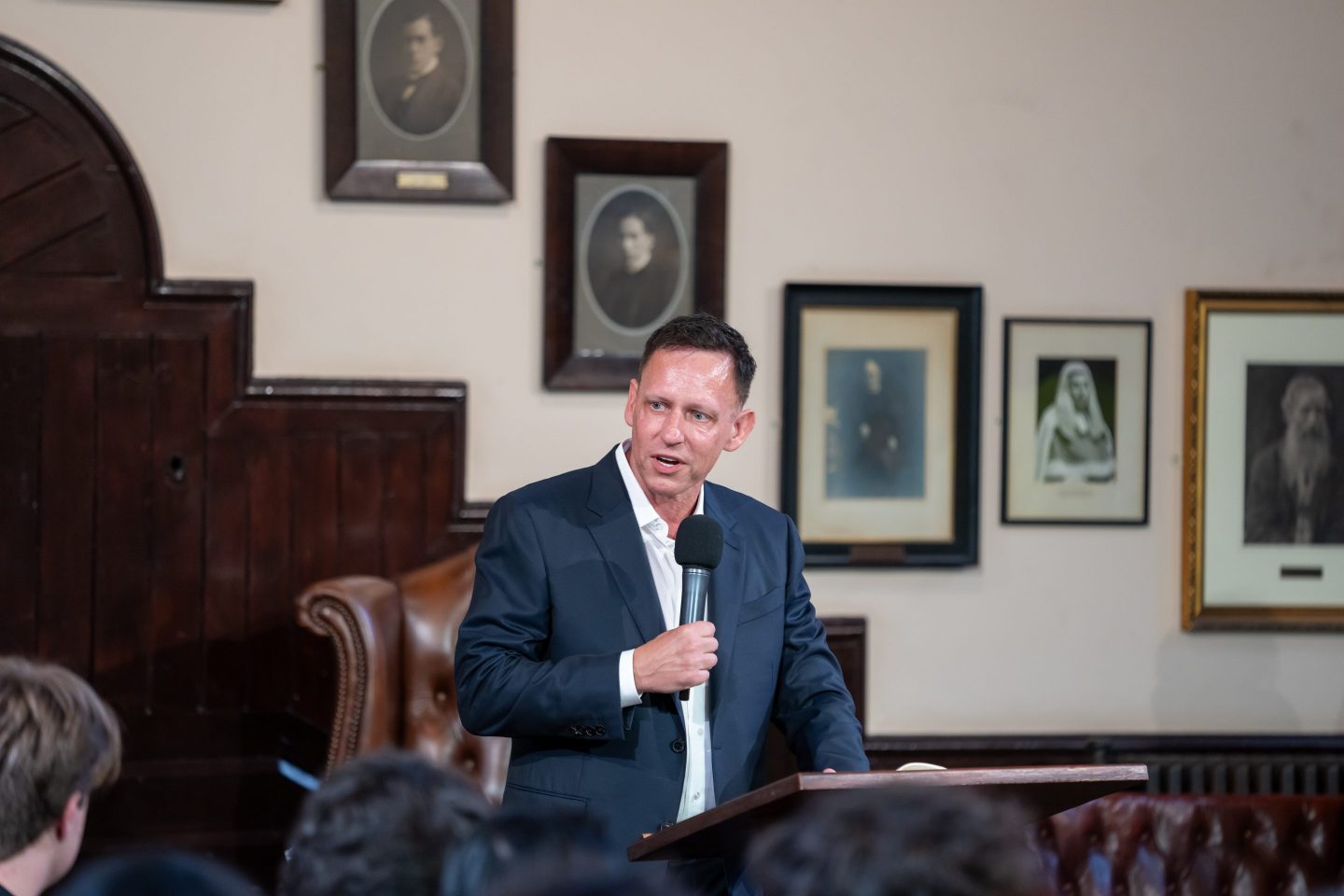
Peter Thiel warns the Antichrist and apocalypse are linked to the ‘end of modernity’ currently happening—and cites Greta Thunberg as a driving example
By Nick LichtenbergFebruary 4, 2026
23 hours ago
placeholder alt text
Success
After decades in the music industry, Pharrell Williams admits he never stops working: ‘If you do what you love everyday, you’ll get paid for free'
By Emma BurleighFebruary 3, 2026
2 days ago
placeholder alt text
Investing
Tech stocks go into free fall as it dawns on traders that AI has the ability to cut revenues across the board
By Jim EdwardsFebruary 4, 2026
1 day ago
placeholder alt text
Commentary
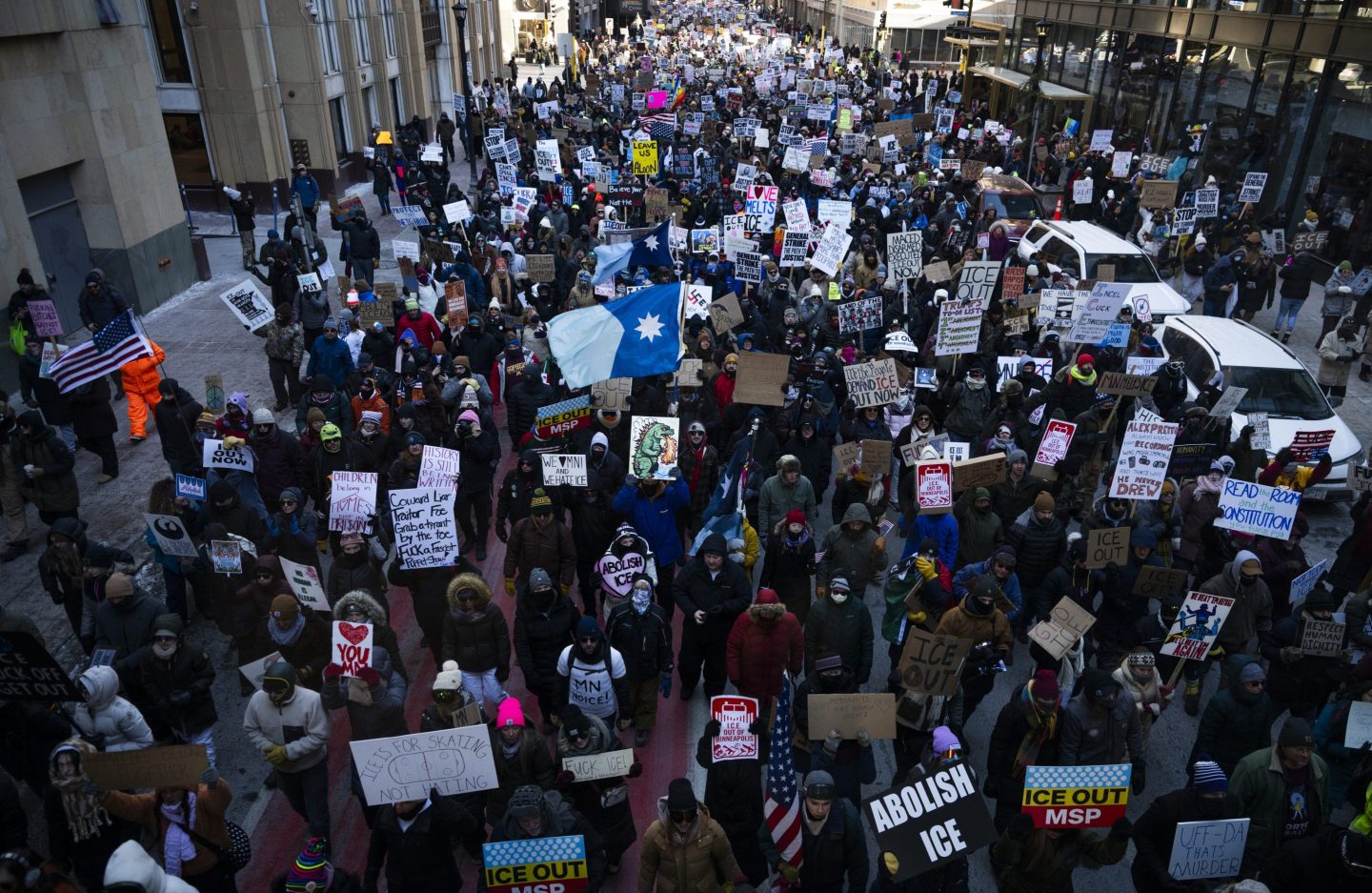
I've studied nonviolent resistance in war zones for 20 years and Minnesota reminds me of Colombia, the Philippines and Syria
By Oliver Kaplan and The ConversationFebruary 3, 2026
2 days ago
placeholder alt text
Success
In 2026, many employers are ditching merit-based pay bumps in favor of ‘peanut butter raises’
By Emma BurleighFebruary 2, 2026
3 days ago

© 2026 Fortune Media IP Limited. All Rights Reserved. Use of this site constitutes acceptance of our Terms of Use and Privacy Policy | CA Notice at Collection and Privacy Notice | Do Not Sell/Share My Personal Information
FORTUNE is a trademark of Fortune Media IP Limited, registered in the U.S. and other countries. FORTUNE may receive compensation for some links to products and services on this website. Offers may be subject to change without notice.


Latest in Commentary

desantis
CommentaryLeadership
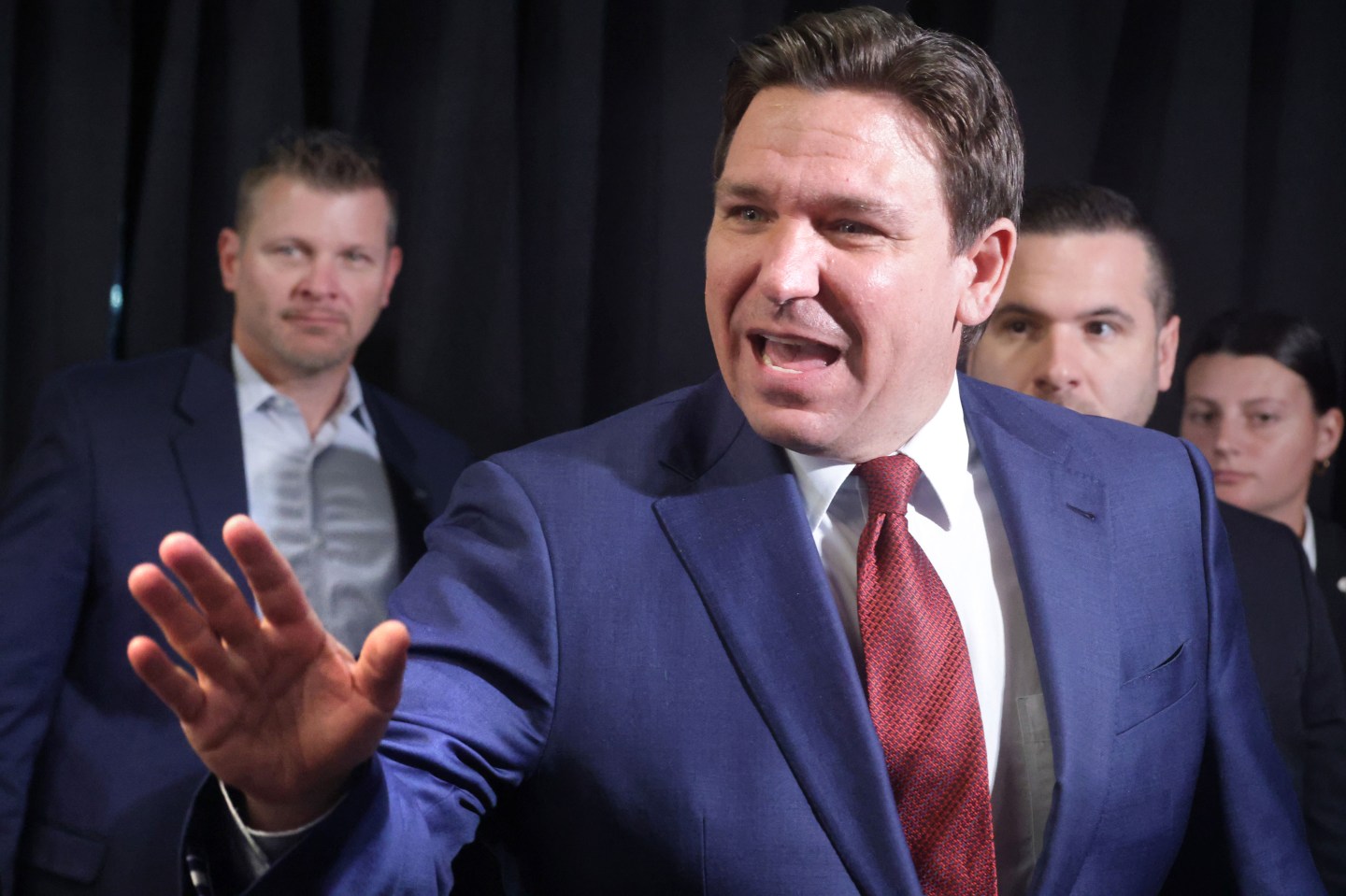
Understanding corporate leaders’ muted Minnesota response: the example of Disney, Florida and conservative retaliation
By Alessandro Piazza and The ConversationFebruary 5, 2026
2 hours ago
grace
CommentaryRobotics
I’m a 25-year-old founder who loves robots but too many humanoids are militant and creepy-looking. Things need to change—just look at Elon Musk
By Grace BrownFebruary 5, 2026
4 hours ago
sam wolf
Commentaryactivist investing
Activist investors are more dangerous to CEOs than ever. Here are 3 ways to safeguard your leadership
By Sam WolfFebruary 5, 2026
6 hours ago
warsh
CommentaryFederal Reserve
Kevin Warsh’s Fed criticisms make sense, but he’s got a ‘cleanest dirty shirt’ problem. Here’s the triple dilemma he faces
By Daniel J. ArbessFebruary 5, 2026
6 hours ago
disney
CommentaryDisney
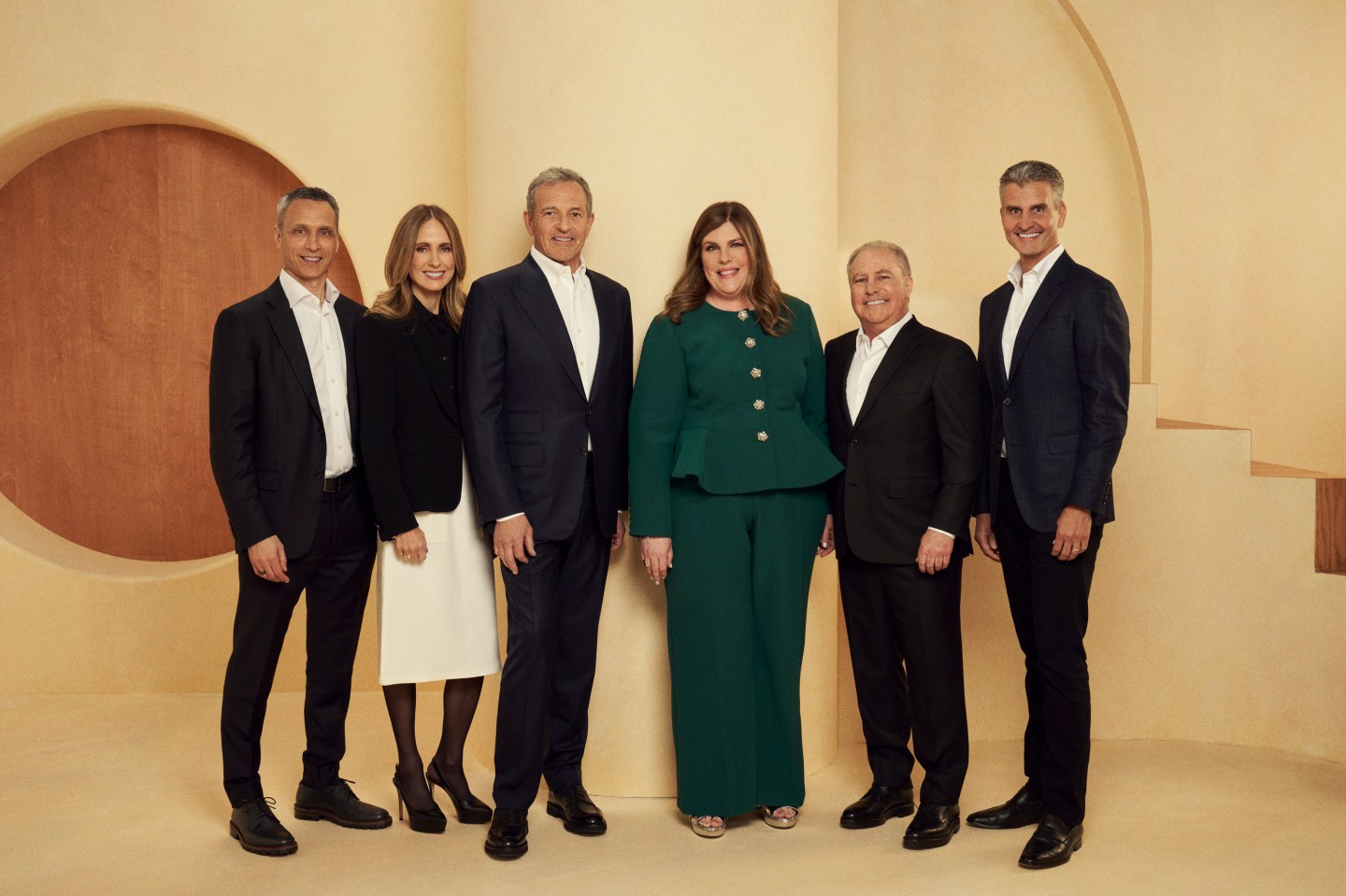
Disney’s new D’Amaro-land:  a dream team succession saga comes to life
By Jeffrey Sonnenfeld and Stephen HenriquesFebruary 4, 2026
1 day ago
minnesota
CommentaryMinnesota
I’ve studied nonviolent resistance in war zones for 20 years and Minnesota reminds me of Colombia, the Philippines and Syria
By Oliver Kaplan and The ConversationFebruary 3, 2026
2 days ago