• Home
  • Latest
  • Fortune 500
  • Finance
  • Tech
  • Leadership
  • Lifestyle
  • Rankings
  • Multimedia

Trendingnow

1

After 40 investors rejected Jeff Bezos’ Amazon pitch, his parents offered $245,573 of their retirement savings

2

'Skills nobody can take': Meet a 20-year-old with a 4.5 GPA who skipped college for technical school to land an 'AI-proof' career

3

China suffers another setback in effort to de-dollarize global finance as anchor in the greenback's dominance quietly exits Beijing's payment scheme

1

After 40 investors rejected Jeff Bezos’ Amazon pitch, his parents offered $245,573 of their retirement savings

2

'Skills nobody can take': Meet a 20-year-old with a 4.5 GPA who skipped college for technical school to land an 'AI-proof' career

3

China suffers another setback in effort to de-dollarize global finance as anchor in the greenback's dominance quietly exits Beijing's payment scheme

Russian Hackers Could Have Caused ‘Mass Blackouts,’ Officials Say

By
Emily Price
Emily Price
Down Arrow Button Icon
By
Emily Price
Emily Price
Down Arrow Button Icon
July 26, 2018, 1:54 PM ET
Department of Homeland Security
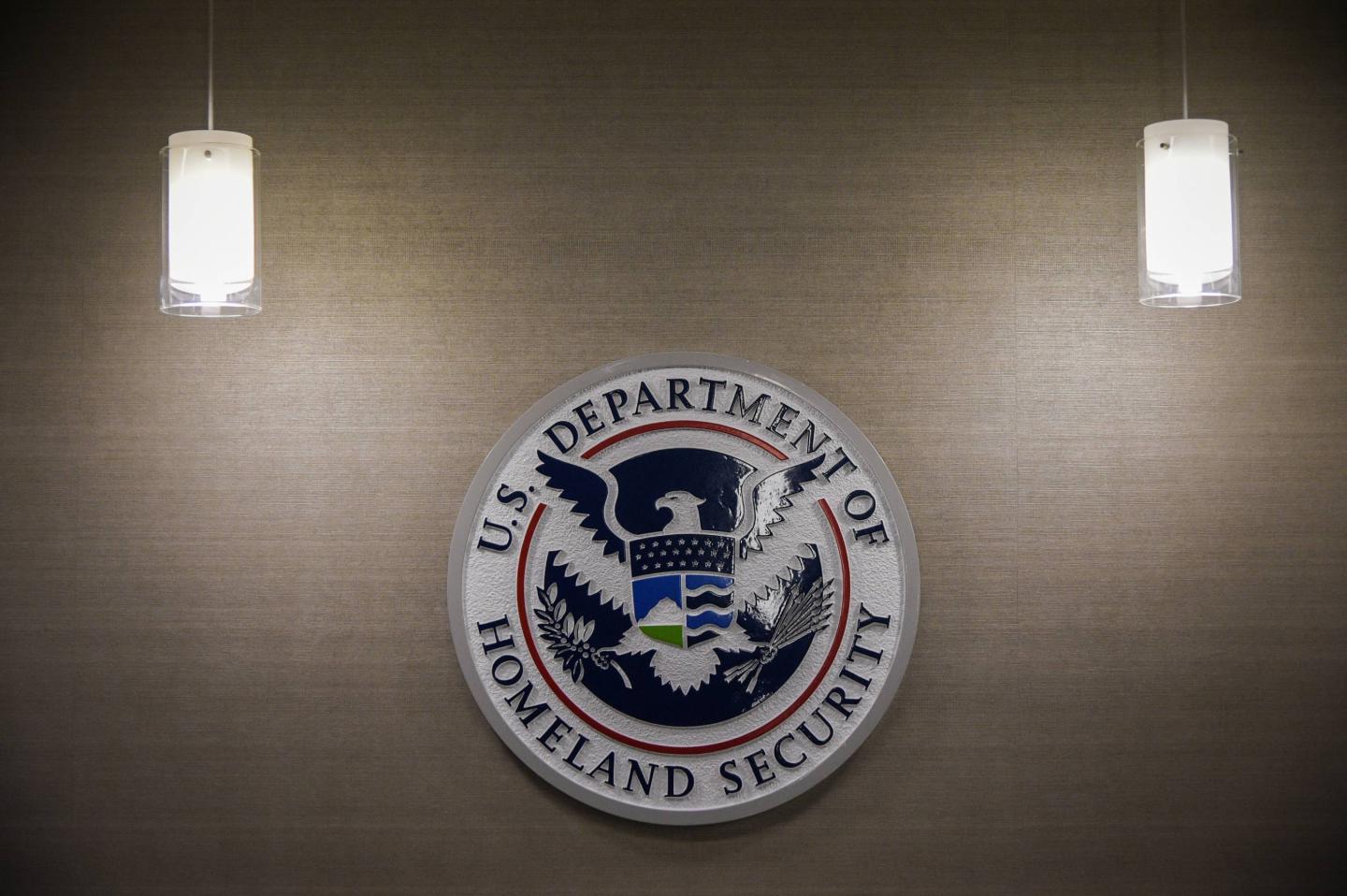
U.S. Department of Homeland Security logo is seen inside press conference room on Thursday, May 11, 2017.The Washington Post/Getty Images
Google source logo
Add Fortune on Google for similar content.

Russian hackers reportedly tricked people at U.S. utility and manufacturing plants, as well as other facilities, using conventional phishing techniques during an organized attack in 2017,

Recently released details about the 2017 attack say Russian hackers targeted mostly the energy sector, but also made moves to attack nuclear, aviation, and critical manufacturing as well, Jonathan Homer, head of Homeland Security, told the Associated Press.

Through the attacks, officials said the hackers had the ability to cause massive blackouts; however, they chose not to, the AP reports. It’s possible that many companies did not even know they were victims of the attack, simply because hackers used the credentials of actual employees to gain access.

Phishing involves sending an email to someone that claims to be from a reputable company when it’s actually from a hacker. When the recipient clicks on that email and enters his or her password, they’re essentially handing that password over to hackers.

About the Author
By Emily Price
See full bioRight Arrow Button Icon

Latest in


Most Popular

Fortune Secondary Logo
Rankings
  • 100 Best Companies
  • Fortune 500
  • Global 500
  • Fortune 500 Europe
  • Most Powerful Women
  • World's Most Admired Companies
  • See All Rankings
  • Lists Calendar
Sections
  • Finance
  • Fortune Crypto
  • Features
  • Leadership
  • Health
  • Commentary
  • Success
  • Retail
  • Mpw
  • Tech
  • Lifestyle
  • CEO Initiative
  • Asia
  • Politics
  • Conferences
  • Europe
  • Newsletters
  • Personal Finance
  • Environment
  • Magazine
  • Education
Customer Support
  • Frequently Asked Questions
  • Customer Service Portal
  • Privacy Policy
  • Terms Of Use
  • Single Issues For Purchase
  • International Print
Commercial Services
  • Advertising
  • Fortune Brand Studio
  • Fortune Analytics
  • Fortune Conferences
  • Business Development
  • Group Subscriptions
About Us
  • About Us
  • Press Center
  • Work At Fortune
  • Terms And Conditions
  • Site Map
  • About Us
  • Press Center
  • Work At Fortune
  • Terms And Conditions
  • Site Map
  • Facebook icon
  • Twitter icon
  • LinkedIn icon
  • Instagram icon
  • TikTok icon
  • YouTube icon

    Latest in


    Most Popular

    © 2026 Fortune Media IP Limited. All Rights Reserved. Use of this site constitutes acceptance of our Terms of Use and Privacy Policy | CA Notice at Collection and Privacy Notice | Do Not Sell/Share My Personal Information
    FORTUNE is a trademark of Fortune Media IP Limited, registered in the U.S. and other countries. FORTUNE may receive compensation for some links to products and services on this website. Offers may be subject to change without notice.